The Ultimate Guide to Traveling Safely with Your Guinea Pig
Published on: December 19, 2025 | Last Updated: December 19, 2025
Written By: Kate M. Callahan
Hello CavyFam! Thinking about a trip with your furry friend probably makes you a little nervous. You’re not alone-I’ve felt that same mix of excitement and worry every time I pack a carrier for my crew.
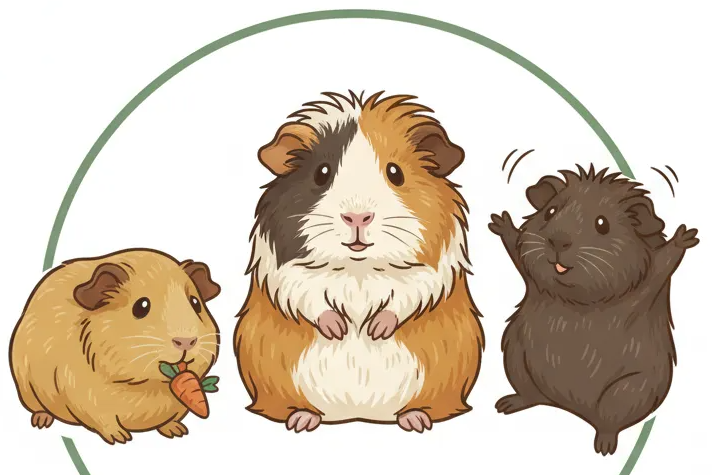
In this guide, we’ll walk through everything you need for a smooth journey, covering choosing the right carrier, packing essential supplies, planning for food and water, managing temperature and stress, and handling potty breaks and emergencies. I’ve safely traveled with my three guinea pigs-Pepper, Clover, and Biscuit-for years, learning what truly works through trial and a lot of thoughtful error.
Getting Started: Is Travel Right for Your Guinea Pig?
Traveling with your guinea pig isn’t always a good idea, but it’s sometimes necessary for moves or vet visits. From my experience with Pepper, a gentle American guinea pig, I’ve found that short vet trips are manageable if planned carefully. Older or sick guinea pigs face higher risks, so always weigh their health first. Avoid travel during extreme weather or if your pet shows signs of illness.
- Necessary travel includes vet appointments, relocations, or family emergencies where leaving them behind isn’t safe.
- Age and health factors matter-young pups under six months or seniors over five years may struggle more with stress.
- Scenarios to avoid involve long journeys without breaks, crowded places, or unsupervised outings that could lead to escape or injury.
Assessing Your Guinea Pig’s Readiness
- Evaluate age and health by checking for recent weight loss, lethargy, or breathing issues that signal poor travel fitness.
- Consider personality traits-like Clover’s graceful nature-as calm pigs handle trips better than skittish ones who panic easily.
- Note risk signs such as excessive hiding, refusal to eat, or loud wheeking, which mean travel could harm their well-being.
Common Travel Scenarios
- Road trips and short journeys work well with frequent stops for hydration and comfort checks in a secure carrier.
- Overnight stays require pet-friendly hotels with quiet rooms to minimize noise stress and ensure a familiar setup.
- Long-distance moves or airline travel need advance research on policies, as many airlines have strict rules for small pets.
Pre-Travel Health Checks and Documentation
A vet visit before travel catches hidden issues and keeps your guinea pig safe. I always schedule a check for Biscuit, my Peruvian, to discuss stress tips and get a health certificate for longer trips. When you’re on vacation, arrange reliable care with a trusted pet-sitter or guinea pig–friendly boarding so routines stay consistent. Leave clear care instructions and contact info, and consider a backup plan in case plans change. Proper documentation, like microchipping, helps reunite you if they get lost, and emergency plans give peace of mind.
- Vet checks are vital to confirm fitness, update vaccinations, and address travel-specific risks like motion sickness.
- Required records include a recent health certificate, vaccination history, and proof of ownership for identification.
- Microchipping involves a quick implant for permanent ID, and emergency prep means packing a first-aid kit and contact info.
Scheduling a Vet Check
- Book an appointment at least a week before travel for a full exam, including heart and lung checks to ensure stability.
- Discuss concerns like reducing stress with carriers or calming techniques, based on your pig’s unique needs.
- Obtain vaccinations or health certificates if required by airlines or destinations, keeping copies handy during the trip.
Organizing Travel Documents
- Gather health records and ownership proof in a waterproof folder, making them easy to access if needed quickly.
- Include emergency contacts like your vet’s number and a trusted friend’s details for unexpected situations.
- Consider pet insurance options that cover travel incidents, providing financial backup for accidents or illnesses on the road.
Choosing and Preparing the Perfect Travel Carrier
Your guinea pig’s carrier is their mobile safe space, so picking the right one matters more than you might think. I’ve learned through trial and error with my own herd-Pepper, Clover, and Biscuit-that a proper carrier can mean the difference between a calm journey and a stressful ordeal. Disaster preparedness means having a grab-and-go carrier ready for emergencies. Keep it stocked with essentials so any evacuation or shelter-in-place for Pepper, Clover, and Biscuit stays calm.
- Always select a carrier that gives your guinea pig enough room to turn around and lie down comfortably, but avoid excessive space that could lead to sliding during car movement.
- Prioritize carriers with sturdy, secure latches and strong zippers to prevent any escape attempts, especially with clever pigs like my Biscuit.
- Look for ample mesh panels on multiple sides to ensure a steady flow of fresh air, as guinea pigs are very sensitive to poor ventilation.
Before every trip, I take a few minutes to pig-proof the carrier. Check for any loose threads, sharp interior edges, or small gaps where curious noses could get stuck. Always place the carrier on a stable, flat surface when loading your pet to prevent tipping.
Selecting the Right Carrier Type
You’ll generally find two main styles: hard-sided plastic crates and soft-sided travel bags. Hard-sided carriers offer more protection from bumps and are easier to clean, which I prefer for longer car rides. Soft carriers are lighter and can be cozier, but they provide less insulation and may not stand up to chewing.
- For one guinea pig, a carrier around 18 inches long works well. For a pair, aim for at least 24 inches in length so both can rest without crowding.
- Built-in water bottle holders are a fantastic feature-they keep the water accessible without taking up floor space. My Abyssinian, Clover, appreciates not having her bedding get wet.
- If you travel with two pigs, ensure the carrier has a low center of gravity and a wide base to minimize rocking.
Setting Up the Carrier for Comfort
- Line the bottom with a generous layer of absorbent bedding. I use paper-based litter topped with a handful of hay-it soaks up moisture and gives them something familiar to nibble on.
- Position the carrier in a climate-controlled area of your vehicle, away from direct sun or cold drafts. Guinea pigs cannot regulate their body temperature well, so avoiding extremes is non-negotiable.
- Tuck in a small, soft fleece pad or a piece of fabric that smells like home. My guinea pigs always relax more when they have a familiar scent nearby.
Don’t forget to include a favorite hidey hut or a chew toy. These small touches transform a strange box into a comforting, familiar den for your traveling companion.
Packing Your Guinea Pig Travel Kit
Your guinea pig’s comfort and safety depend entirely on what you pack, so getting this right makes all the difference. I learned this the hard way on my first trip with Pepper when I forgot extra bedding, and let’s just say the car ride home was very aromatic. To help you avoid a repeat of my mistakes, here’s the ultimate guide to safe bedding options for guinea pigs. We’ll cover what makes bedding safe, absorbent, and easy to change.
You need to think about hydration, nutrition, and hygiene as your three non-negotiable pillars.
- For hydration, a leak-proof water bottle is essential, but I always bring a small dish as a backup.
- Pack their usual brand of pellets and a generous supply of their favorite hay to keep their gut moving.
- Include a small bag of fresh veggies in a cooler, like romaine lettuce or bell peppers, for familiar hydration and nutrients.
- Bring far more bedding than you think you’ll need, along with pet-safe cleaning wipes and disposable bags for quick spot-cleaning.
- An emergency kit with first-aid supplies, vet contacts, and comfort items is not optional-it’s a critical part of responsible travel.
Creating a physical checklist prevents that panicked “did I forget something?” feeling right as you pull out of the driveway. I keep mine on the fridge and check items off as I pack them.
Essential Supplies for the Journey
Sticking to your guinea pig’s regular diet is the single best way to avoid digestive upset on the road. Their tiny systems are sensitive to sudden changes. An ideal overall diet for a healthy guinea pig emphasizes abundant hay, fresh vegetables, and a consistent feeding routine. Sticking to that plan supports digestion and long-term health.
- Pack a hefty portion of fresh timothy or orchard hay in a breathable bag to prevent mold.
- Bring pre-portioned bags of their normal pellets to maintain feeding consistency.
- Include washed and dried vegetables in a sealed container; I often use a small plastic container with a paper towel to absorb excess moisture.
- A portable water bottle that securely clips to the carrier is a must; test it for leaks before you leave.
- I also carry a small travel dish for offering water during breaks, as some pigs prefer drinking from a bowl when stressed.
- Pack a full change of bedding, paper-based or fleece, and a small handheld vacuum or brush and dustpan for easy cleanup.
Over-packing food and bedding is always better than running out and scrambling in an unfamiliar place. I once had to find a pet store in the middle of the night, and it was a stressful experience I don’t care to repeat.
Building an Emergency Kit
A well-stocked emergency kit transforms a potential crisis into a manageable situation. It gives you peace of mind, which your guinea pig will sense and appreciate. Ensuring you have a first aid kit specifically for your guinea pig is crucial for their safety.
- Gather basic first-aid items like sterile gauze pads, blunt-tipped scissors, styptic powder for minor nail clips, and a small saline solution for eye rinsing. I also include a critical care formula from my vet for emergency feeding.
- Research and save the contact information for at least two exotic veterinarians along your route and near your destination. Having these numbers in your phone and printed on paper is a simple step that could save your pet’s life.
- Pack their favorite small hideaway, a piece of your worn t-shirt, and perhaps a quiet, chewable toy. These familiar items smell like home and provide a safe space to retreat, drastically reducing travel-induced stress for sensitive pets like my Clover.
I keep my entire emergency kit in a brightly colored, clearly labeled pouch so I can find it instantly without fumbling. A little preparation builds a huge safety net for your furry friend.
During the Journey: Safety and Comfort Measures
-
Keep your guinea pig’s carrier secure and covered with a light, breathable cloth to reduce visual stress from passing scenery. I always use a soft blanket for Pepper, who stays calmer when she can’t see sudden movements outside. Learn to tell if your guinea pig is stressed by watching for signs like rapid breathing, tense posture, or freezing. When you notice these, reinforce the calm environment with the tips above. Speak in a low, soothing voice during the ride to help them feel safe and connected to you.
-
Check the temperature inside your vehicle regularly, aiming for a steady 65-75°F to prevent overheating or chills. Carry a small thermometer and offer fresh veggies like cucumber slices every few hours to keep hydration levels up, as I do with Clover on long drives. Avoid relying solely on water bottles, as movement can make drinking tricky.
-
Plan breaks at quiet, pet-friendly rest stops away from loud traffic to let your guinea pig breathe fresh air without stress. When staying in hotels, set up a portable playpen in a secure room to prevent escapes, much like I did for Biscuit during our last trip. Never leave them alone in a parked car, where temperatures can spike dangerously fast. Also, make sure to keep them safe during festive seasons, as they can be particularly stressful for small animals.
Handling Your Guinea Pig on the Go
-
Support their entire body with both hands when lifting them from the carrier, keeping movements slow and predictable. Gentle handling builds trust, and I’ve seen how Pepper relaxes when I cup her firmly but softly against my chest. Practice this at home first to make travel handling feel natural for both of you.
-
Watch for subtle cues like teeth chattering, hiding in corners, or reduced appetite, which signal discomfort. My guinea pig Clover once stopped eating mid-journey, alerting me to adjust her bedding for better comfort. Act quickly if you notice these signs by offering a favorite treat or pausing for a calm moment.
-
Reassure them with quiet talking or gentle strokes if they seem anxious, avoiding loud noises or sudden gestures. A calm voice works wonders-Biscuit perks up when I hum softly, making her feel less alone in new environments. Keep interactions brief during stops to minimize overwhelm.
Managing Environmental Factors
-
Use your car’s climate control to maintain a consistent temperature, and place the carrier away from direct sun or vents. I always pack a small fan for extra airflow, which helped Pepper stay cool during a summer road trip through warmer regions. Sudden temperature shifts can stress their sensitive systems, so monitor closely.
-
Ensure the carrier has ample ventilation holes and isn’t overcrowded with bedding or toys. Good air circulation prevents stuffiness, and I check Clover’s carrier every hour to make sure she’s breathing easily. Opt for mesh-sided carriers for better airflow without drafts.
-
Choose shaded, peaceful spots for breaks, like park picnic areas or quiet parking lots. Shaded stops reduce noise and heat exposure, and Biscuit enjoys brief outings where she can nibble grass without distractions. Limit break times to 10-15 minutes to keep stress low and the journey on track.
After Travel: Settling Back In
Returning home can be just as stressful for your guinea pig as the journey itself. Creating a peaceful re-entry routine helps them feel secure and reduces anxiety quickly. When you’re moving house, a low-stress planning checklist can guide you through transport, setup, and acclimation. This helps keep your guinea pig calm from start to finish.
- To ease acclimation, keep their environment quiet and limit handling for the first few hours. I always let Pepper rest in his usual corner after trips, and his gentle nature returns faster this way.
- If you visited places with other pets or unknown health risks, a brief quarantine in a separate space is wise. Isolating Biscuit for a day once prevented potential sniffles from spreading to my other pigs.
- Watch for subtle health shifts like altered eating or unusual quietness over the initial days. Daily checks on Clover’s appetite have helped me catch stress early and adjust her care.
Reintroducing Your Guinea Pig to Home
- Allow time for rest in a familiar cage setup. Place their cage back in its original spot with clean, cozy bedding to spark comfort.
- Gradually resume normal feeding and routines. Start with small portions of their favorite greens before reintroducing regular pellets and playtime.
- Watch for any changes in behavior or health. Note if they wheek less or hide more, as these can signal lingering travel stress.
Post-Travel Health Checks
- Schedule a follow-up vet visit if concerns arise. A professional exam can spot hidden issues like respiratory infections from travel exposure.
- Monitor for signs of illness or stress-related issues. Look for symptoms like watery eyes, weight loss, or excessive scratching in the days after arrival.
- Keep records of any travel-related incidents. Jotting down details like unusual behaviors helps me track patterns and share accurate info with my vet.
FAQs
What are the benefits of using a guinea pig travel bag over a hard carrier?
Soft travel bags are lighter and easier to carry, making them ideal for short trips or vet visits. However, they may not offer the same durability or insulation as hard carriers, so monitor for chewing and ensure proper ventilation.
How can I prevent leaks from a guinea pig travel water bottle?
Test the bottle for leaks by shaking it vigorously before your trip to check for drips. Choose bottles with tight-sealing caps and secure mounting to avoid spills that can wet bedding and cause discomfort.
Where can I quickly find a guinea pig travel carrier nearby if I need one urgently?
Visit local pet supply stores or big-box retailers with pet sections, as they often stock carriers for small animals. You can also use online services with in-store pickup or same-day delivery for faster access in emergencies.
What features should I look for in a travel cage for two guinea pigs?
Select a cage that is spacious enough, typically at least 24 inches long, to prevent crowding and allow natural movement. Prioritize models with secure latches, ample mesh for airflow, and a low profile to reduce tipping risks during transit. For a complete breakdown of size requirements for guinea pig cages, see our complete space requirements guide. It covers minimum dimensions, how many pigs can share a cage, and layout tips to maximize space.
Are there specific guinea pig travel cages with water bottles available on Amazon that you recommend?
Browse Amazon for highly rated travel cages that include built-in water bottle holders and read customer reviews focusing on durability and ease of use. Always check product dimensions and materials to ensure they meet safety standards for your pets.
Your Guinea Pig’s Next Adventure Awaits
With a well-stocked travel kit and a calm, prepared approach, you can turn any journey into a safe and positive experience for your small friend. Remember that their familiar comforts and a consistent routine are the most powerful tools for a smooth trip.
Every trip you take is a chance to learn more about your pet’s unique personality and needs, strengthening your bond for years to come. I encourage you to keep exploring gentle, eco-friendly care options that benefit both your guinea pig and our shared planet—especially when you consider their unique personality traits and requirements.
Further Reading & Sources
- Traveling with Guinea Pigs – Guinea Pig Cage Company
- Can You Travel with Guinea Pigs? – Traveling with Guinea Pigs – GuineaDad
- Traveling with a Guinea Pig
- r/guineapigs on Reddit: Tips on Long-Distance Travel with Guinea Pigs
Kate is a passionate guinea pig owner and advocate for small pet welfare. With over a decade of experience caring for guinea pigs, she has become a trusted voice in the small pet community.
Uncategorized