Guinea Pig First Aid Kit: Emergency Supplies Guide
Published on: December 27, 2025 | Last Updated: December 27, 2025
Written By: Kate M. Callahan
Hello CavyFam! When your guinea pig suddenly stops eating or shows signs of distress, every second counts. Having a prepared first aid kit transforms panic into confident action.
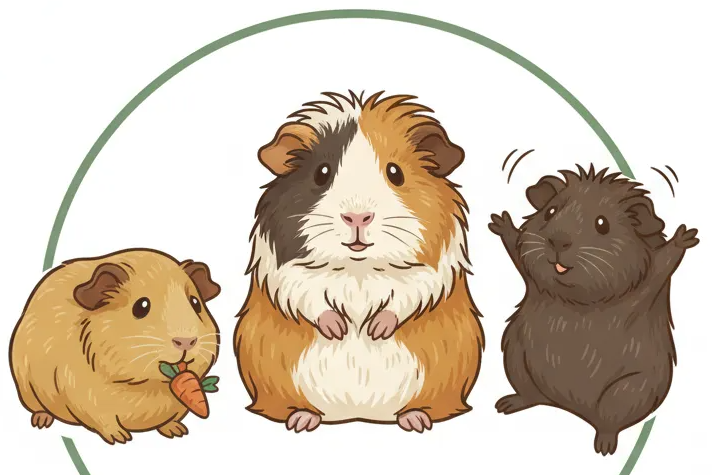
You will learn about essential supplies, step-by-step emergency care, and how to communicate effectively with your vet. I’ve refined this list through years of caring for my own guinea pigs Pepper, Clover, and Biscuit during unexpected health scares.
Why Every Guinea Pig Needs a First Aid Kit
Small animal emergencies can happen without warning, often when veterinary clinics are closed. I remember the panic when Biscuit suddenly stopped eating one weekend, and having a first aid kit helped me stabilize him until morning.
- Digestive stasis (GI stasis) from diet changes or stress
- Minor cuts or abrasions from cage items or playtime
- Respiratory infections showing as sneezing or labored breathing
- Overgrown teeth causing eating difficulties
- Heat stress during warm weather
Guinea pigs hide illness well, making early detection critical. Quick action with basic supplies can prevent a minor issue from becoming life-threatening. Having everything organized saves precious minutes when your pet needs help most. For a weekly guinea pig care routine, many owners rely on the ultimate checklist. It helps you stay on top of health, grooming, and habitat maintenance.
Essential Supplies for Your Guinea Pig First Aid Kit
Basic Wound Care Items
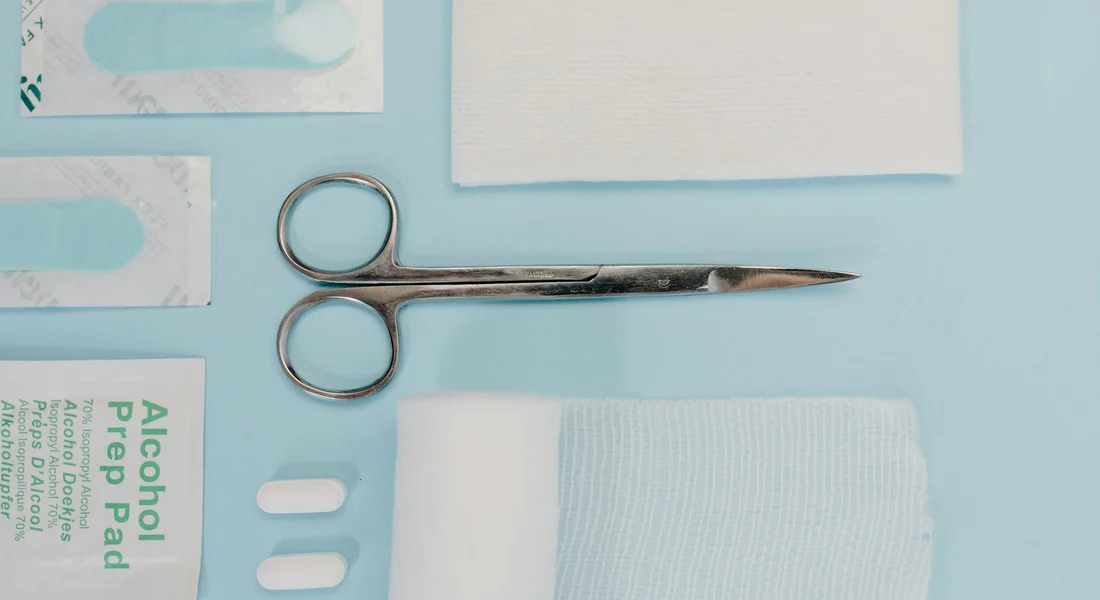
Keep these supplies sterile and sealed until needed. Sterile gauze pads work perfectly for cleaning wounds or applying pressure to bleeding. Non-adherent dressings won’t stick to healing skin, reducing pain during changes.
- Sterile gauze pads (4×4 inch) for wound cleaning and coverage
- Non-adherent dressings like Telfa pads for gentle protection
- Self-adhesive bandage that sticks to itself but not fur
- Medical tape for securing dressings without irritation
- Chlorhexidine or saline solution for safe wound cleaning
Tools for Diagnosis and Treatment
These instruments help you assess situations before calling your vet. A digital thermometer gives immediate feedback about fever or hypothermia, both dangerous for guinea pigs. I’ve used blunt-tip tweezers to remove small splinters from Pepper’s paws after floor time.
- Blunt-tip tweezers for removing debris from wounds or fur
- Digital thermometer specifically for small animals
- 1ml oral syringes (without needles) for feeding or medication
- Small scissors with rounded tips for trimming fur around injuries
- Magnifying glass for examining small wounds or skin issues
Medications and Health Supplements
Always consult your veterinarian before administering any medications. Vitamin C supplements are crucial since guinea pigs can’t produce this nutrient themselves. Beyond Vitamin C, essential vitamins and supplements for guinea pigs should be discussed with a veterinarian to tailor a safe plan. They can help support overall health and recovery when used appropriately. During Clover’s recovery from antibiotics, probiotics helped restore her digestive balance.
- Triple antibiotic ointment (without pain relievers) for minor cuts
- Sterile saline solution for eye flushing or wound cleaning
- Liquid vitamin C supplement for immune support during stress
- Probiotic powder specifically formulated for small herbivores
- Critical care formula for emergency feeding during illness
How to Use Your Guinea Pig First Aid Kit Safely
Having the right supplies is only half the battle; knowing how to use them correctly keeps your furry friend safe. I’ve learned through experience that a calm, methodical approach is your best tool in any emergency.
Step-by-Step Guide to Cleaning a Wound
Minor scrapes happen, especially with curious piggies like my Clover. Here’s how to handle them gently.
- Wash your hands thoroughly and put on disposable gloves from your kit.
- Gently restrain your guinea pig by wrapping them in a small, soft towel, leaving only the affected area exposed.
- Use a sterile saline solution to flush the wound, rinsing away any dirt or debris.
- Pat the area dry with a sterile gauze pad, being careful not to rub.
- Apply a thin layer of a small animal-safe antiseptic cream.
Never use hydrogen peroxide or alcohol-based products, as they can damage delicate guinea pig tissue and cause immense pain.
Critical Safety Tips to Prevent Harm
Your intention is to help, but a few wrong moves can make things worse. Keep these points in mind.
- Always have a second person assist you if possible-one to hold and comfort, the other to treat.
- Check expiration dates on all products regularly; an outdated antiseptic won’t help.
- Use only medications and creams specifically labeled for small animals or as directed by your vet.
- If your guinea pig struggles excessively, stop and reassess; their stress can be more harmful than the minor injury.
Your guinea pig’s trust is fragile, so every interaction during a first aid situation should be as calm and reassuring as possible. When performing a health check, approach slowly and support the body with both hands. Keep movements gentle to safely handle your guinea pig.
When to Use a Heat Pack or Cold Pack
Temperature therapy can provide great comfort, but using the wrong one can backfire. Here’s a simple guide.
- Use a cold pack (wrapped in a thin cloth) for acute injuries like swelling from a minor bump or a sprain. Apply for no more than 10 minutes at a time.
- Use a heat pack (also wrapped) for comfort if your guinea pig seems chilled or is recovering from shock. Always test the temperature on your own wrist first.
I always keep a microwavable heat pack in my kit for my older pig, Pepper, who appreciates the warmth after a stressful event. Monitor your pet closely during use to ensure they don’t overheat or become too cold.
When to Seek Veterinary Care Immediately
-
Recognize urgent signs like labored breathing, refusal to eat for over 12 hours, or sudden lethargy.
Guinea pigs hide illness well, so any change in behavior demands quick action.
- Wheezing or gasping for air
- Diarrhea or bloody stool
- Swollen abdomen or lumps
- Inability to move or stand
-
Keep emergency contacts handy and prepare a vet bag in advance.
Having a plan saves precious minutes during a crisis.
- Primary vet: [Your Vet’s Name and Number]
- 24/7 emergency clinic: [Local Emergency Contact]
Pack a carrier with a soft towel, recent photos of symptoms, and a list of current medications.
-
My guinea pig Biscuit once stopped eating her usual veggies, and I noticed she was hunched in a corner.
Rushing her to the vet revealed a digestive issue that needed immediate treatment.
Her reserved nature made it hard to spot, but quick care helped her recover fully.
Building and Organizing Your DIY First Aid Kit
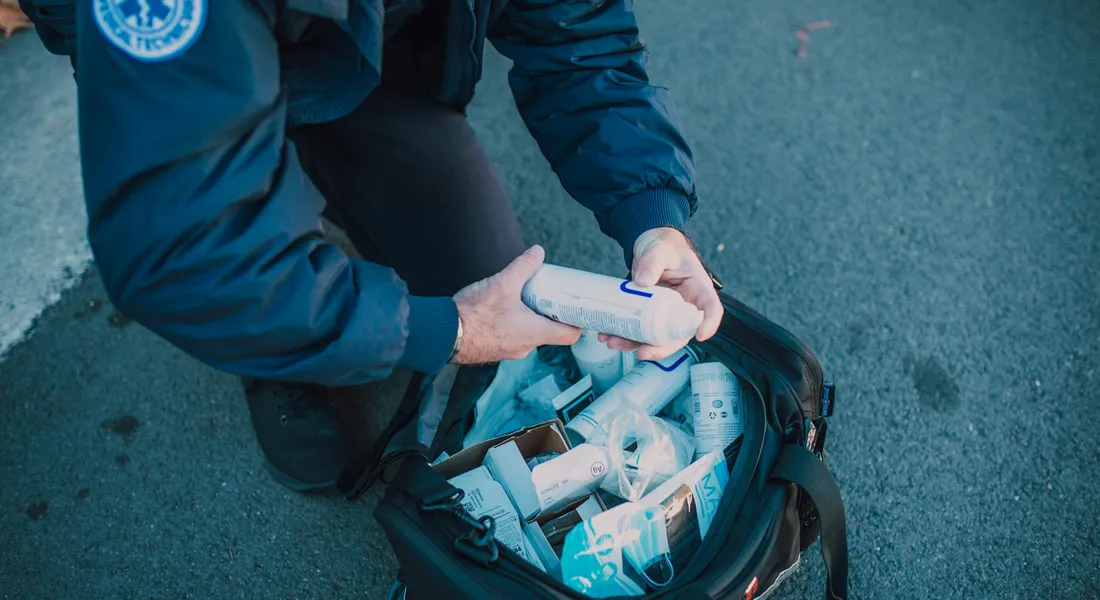
Assembling your own kit gives you complete control over its contents, and it’s simpler than you might think. Start by choosing a durable, portable container with a secure lid, like a plastic toolbox or a dedicated storage bin. I use a clear container so I can instantly see what’s inside during a stressful moment.
- Gather all your essential supplies from the master list.
- Place bulky items, like a small towel and saline solution, at the bottom of your container.
- Group similar items in smaller ziplock bags or pouches. Keep all wound care items in one bag and digestive aids in another.
- Place these organized bags neatly inside your main container.
- Clearly label everything, especially medications, with expiration dates.
- Store the final kit in a cool, dry place that’s easily accessible to you but out of reach of children and other pets.
Staying organized is half the battle in an emergency. I keep a printed copy of my veterinarian’s phone number and address taped to the inside of the kit lid, so I never have to search for it. A small notepad and pen are also invaluable for jotting down symptoms or vet instructions.
DIY Kit vs. Pre-Made Kits
You have two main paths: building your own kit or buying a pre-assembled one. Each has distinct advantages depending on your needs and confidence level.
| DIY Kit | Pre-Made Kit |
|---|---|
| You select every single item, ensuring high quality and personal relevance. | Extremely convenient; you get a complete set in one purchase. |
| Often more cost-effective, as you buy only what you need. | A great starting point for new owners who feel overwhelmed. |
| Allows for complete customization for your specific guinea pigs’ needs. | May contain generic items that aren’t ideal for guinea pigs specifically. |
| You develop a deeper familiarity with each supply as you gather it. | You might need to supplement it with additional, crucial items. |
From my experience, a DIY kit is superior for the seasoned owner. I started with a basic pre-made kit but quickly realized it lacked critical items like critical care formula, which I had to add separately. Building your own from scratch means you know the purpose of every single item inside.
Don’t Forget Protective Gear
Your safety is just as important as your guinea pig’s during treatment. Always include a box of disposable nitrile or latex-free gloves in your first aid kit. They protect both you and your pet from cross-contamination. Proper care extends beyond first aid — learn more about caring for your guinea pig to ensure their overall health and wellbeing.
- Gloves prevent the transfer of bacteria from your hands to your guinea pig’s wound.
- They also protect your hands from any medications, blood, or fluids.
- Using gloves helps keep you calm and clinical, which your nervous pet will sense and appreciate.
I learned this lesson when my guinea pig, Biscuit, had a minor foot injury. Having gloves on hand made the cleaning process much less stressful for both of us, and I felt confident I wasn’t introducing any new germs. It’s a small addition that makes a huge difference in hygiene and peace of mind.
Handling Common Guinea Pig Emergencies
First Aid for Minor Injuries
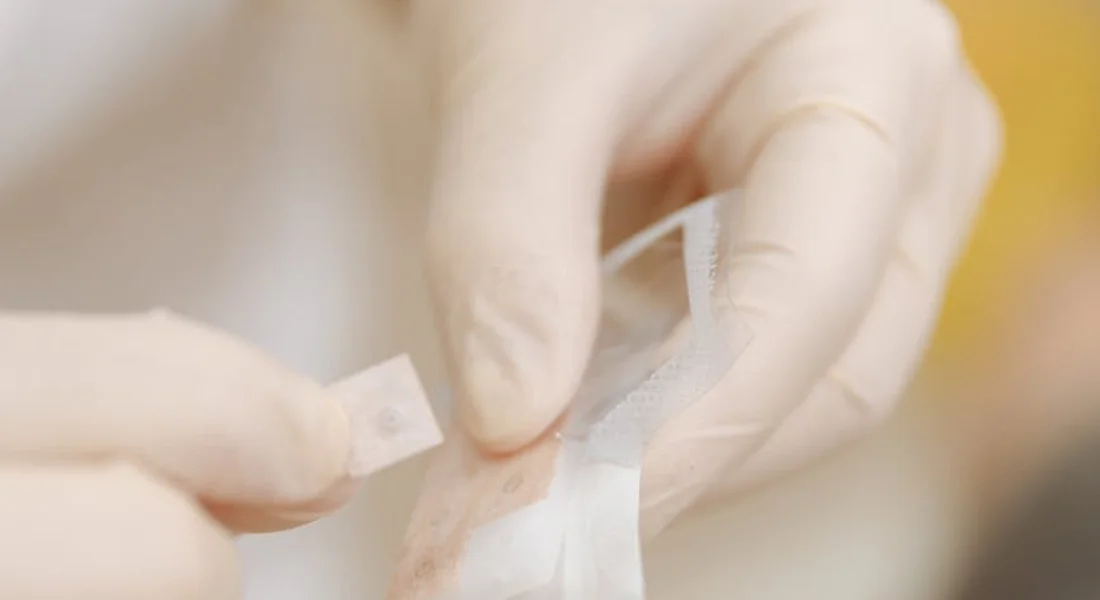
- If your guinea pig gets a small cut or scrape, start by gently restraining them in a soft towel to keep them calm. I always use saline solution from my kit to flush the wound, as it’s safe and helps prevent infection without stinging. Next, apply a pet-safe antiseptic spray or cream, and cover with a non-stick gauze pad if needed to stop them from licking it. Keep an eye on the area for a few days to ensure it’s healing cleanly.
- Watch your guinea pig closely after treatment for any changes in behavior, like increased hiding or loss of appetite. From my experience with Pepper, who once nicked his paw, I learned that a happy guinea pig will resume normal activities quickly, so any prolonged discomfort means it’s time to call the vet. Check the wound daily for redness, swelling, or discharge, and always prioritize their comfort by offering favorite veggies to reduce stress.
Dealing with Digestive Issues
- For mild tummy troubles like soft stools or gas, add a guinea pig-specific probiotic to their water or food to support gut health. I’ve found that mixing a pinch of probiotic powder into Clover’s pellets often settles her stomach within a day, especially if she’s had too many sugary treats. Adjust their diet by offering more hay and reducing fresh veggies temporarily, as fiber helps regulate digestion and prevent bloating.
- Be alert for signs like no interest in food for over 12 hours, bloating, or blood in their droppings, which require immediate vet care. When Biscuit showed lethargy and refused her favorite greens, I knew home remedies weren’t enough-prompt veterinary attention saved her from a serious issue. Trust your instincts; if your guinea pig seems unusually quiet or in pain, don’t hesitate to seek professional help to keep them safe and healthy.
Supplementary Items for Advanced Guinea Pig Care
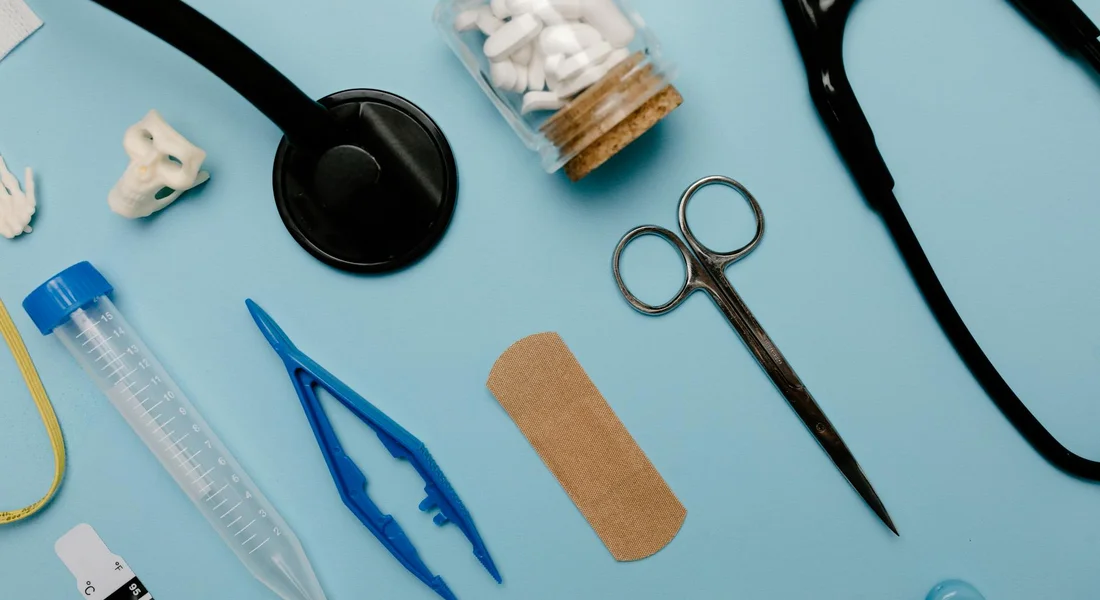
Once your basic first aid kit is assembled, you can add a few specialized items that provide extra comfort and nutritional support during recovery. These additions elevate your care from reactive to proactive, helping your guinea pig bounce back faster after surgery or other health issues.
- Vitamin C Supplement Drops: Guinea pigs cannot produce their own vitamin C, and stress or illness increases their need for it. I keep a small bottle of liquid vitamin C designed for small pets. During a health scare, a few drops in their water or critical care food can support their immune system when they need it most.
- A Small, Soft Blanket or Fleece Square: A familiar, cozy item from their cage can be a huge comfort. When my guinea pig, Biscuit, was feeling unwell, having her favorite fleece in the carrier noticeably reduced her stress. Familiar scents are incredibly soothing to a frightened or recovering animal.
- Flavorless Electrolyte Solution: Dehydration is a major concern with many illnesses. A pediatric, flavorless electrolyte solution can be offered via syringe to encourage drinking and restore vital minerals. This simple solution can be a game-changer for a guinea pig refusing water.
- Small Animal-Specific Probiotic Powder: Antibiotics or digestive upset can disrupt their delicate gut flora. A probiotic powder mixed into their critical care food helps maintain a healthy digestive system. Supporting their gut health is fundamental to their overall recovery and well-being.
These supplementary items address the whole picture of healing-not just the injury or illness itself, but the stress and nutritional deficits that come with it. By considering their emotional and dietary needs, you provide a much more comprehensive level of care.
FAQs
What is The Pig Room and why is it recommended for guinea pig first aid?
The Pig Room is a trusted brand and online resource specializing in guinea pig care products, including pre-assembled first aid kits. Their kits are designed with vet-approved supplies to help owners respond quickly to common emergencies. When you bring home a new guinea pig, your first veterinary check-up is essential. Our guide helps you prepare for that check-up, including the questions to ask and what to expect.
Can I use human food items as emergency nutrition for my guinea pig?
Avoid human foods and rely on guinea pig-specific options like critical care formula or mashed pellets for safe emergency feeding. Always consult your veterinarian before offering any alternative foods to prevent digestive issues. For an ideal overall diet for a healthy guinea pig, prioritize unlimited hay along with a daily variety of fresh vegetables and a vitamin C source. This balanced approach supports dental health, digestion, and overall well-being.
What home remedies are safe for treating guinea pig stress or minor issues?
For minor stress, provide a quiet, dark space with familiar items; for digestive comfort, a small amount of guinea pig-specific probiotic can aid gut health. Never use human medications or untested remedies, as they can be harmful to your pet. Think about preparing your home for your guinea pig’s entire lifespan from the start—safe housing, daily enrichment, and routine vet visits. This long-term plan helps keep them healthy and happy through every life stage.
Is The Pig Room first aid kit available on Amazon?
Yes, The Pig Room offers its first aid kits on Amazon for easy online ordering and fast delivery. Be sure to verify the seller to ensure you receive an authentic, complete kit for your guinea pig. It’s important to also understand the essential supplies your guinea pig needs.
How can I locate The Pig Room products in my local area?
Check The Pig Room’s website for a store locator or contact local exotic pet stores that may carry their products. Calling ahead saves time and ensures availability before you visit in person.
Your Guinea Pig’s Safety Net
From caring for my guinea pigs Pepper, Clover, and Biscuit, I know a well-prepared first aid kit is your best ally in sudden health scares. Always have sterile gauze, antiseptic wipes, and a pet-safe thermometer ready to address minor injuries quickly.
Being a dedicated owner means staying curious about better ways to care for your pets while protecting our world. Choose reusable or biodegradable supplies when possible to make your guinea pig’s environment healthier and more sustainable. Be sure to check your essentials before introducing a new guinea pig to a sustainable setup.
Further Reading & Sources
- Guinea Pig First Aid Essentials – Kerry Wixted
- What you should keep in your Guinea Pig Emergency Kit
- Guinea Pig First Aid Kit: Essential Supplies & How To Make One?
- Guinea Pig First Aid Kit | 23 Essential Items & How to Make One – Guinea Pig Tube
Kate is a passionate guinea pig owner and advocate for small pet welfare. With over a decade of experience caring for guinea pigs, she has become a trusted voice in the small pet community.
Uncategorized