The Domestication History of Guinea Pigs
Published on: September 3, 2026 | Last Updated: September 3, 2026
Written By: Kate M. Callahan
Hello CavyFam! Have you ever wondered how your guinea pig transformed from a wild creature into the affectionate pet snuggling in your lap today? Many owners worry if they’re meeting their pet’s innate needs, but knowing their past can build a stronger, happier bond.
In this article, we’ll explore their origins in South America, the timeline of domestication, key evolutionary changes, and how this history informs modern care practices. With years of firsthand experience raising guinea pigs like Pepper, Clover, and Biscuit, I’ve seen how their history shapes their health and happiness.
The Ancient Roots of Your Pet’s Ancestry
Your guinea pig’s story begins not in a pet store, but high in the Andes Mountains of South America. Their wild ancestors, known as “cavies,” were first domesticated over 3,000 years ago by the indigenous peoples of what is now Peru, Bolivia, and Ecuador. I often think about this when I watch my own guinea pigs, Pepper and Clover, peacefully munching on hay-they carry a deep, ancient history in their tiny, rumbling bodies.
Archaeological evidence, like bones and pottery, shows these animals were fully integrated into human societies long before European contact. Domestication wasn’t a quick event but a gradual process of mutual benefit, where wild cavies found reliable food and safety near human settlements. These early ancestors looked quite different from the fluffy pets we know today, being leaner and adapted for a rugged mountain life.
Why Were Guinea Pigs First Brought Into Our Homes?
Guinea pigs were originally welcomed into homes for reasons that might surprise modern pet owners. Their primary historical role was as a vital, sustainable source of protein. In the harsh, high-altitude environment of the Andes, where large livestock were scarce, guinea pigs were an efficient and manageable food source. Today, they’re cherished companions, and many owners explore safe, enrichment-focused feeding approaches that include foraging activities. This is why you’ll find a complete guide for foraging your guinea pig, detailing safe forage options and how to tailor feeding to their natural foraging instincts.
Beyond the dinner plate, they held profound cultural and spiritual significance. Many Andean cultures, including the Inca, used guinea pigs in traditional healing ceremonies and as diagnostic tools in folk medicine. A healer might run a guinea pig over a person’s body, believing the animal could absorb illness and reveal the source of pain. These practices are often cited in discussions of guinea pig health myths. In ‘fact fiction 11 myths about guinea pig health illnesses,’ we separate fact from fiction to explain what actually affects a guinea pig’s health.
Their value extended into the spiritual realm.
- They were common sacrificial offerings to appease gods and ensure good harvests.
- Their entrails were examined for omens and to predict the future.
- They were buried with their owners to provide sustenance in the afterlife.
Their gentle nature and small size also made them ideal, quiet companions for children and families living in close quarters. This dual role as both practical resource and beloved household member is a testament to their incredible versatility and enduring appeal.
How Domestication Shaped the Guinea Pigs We Know
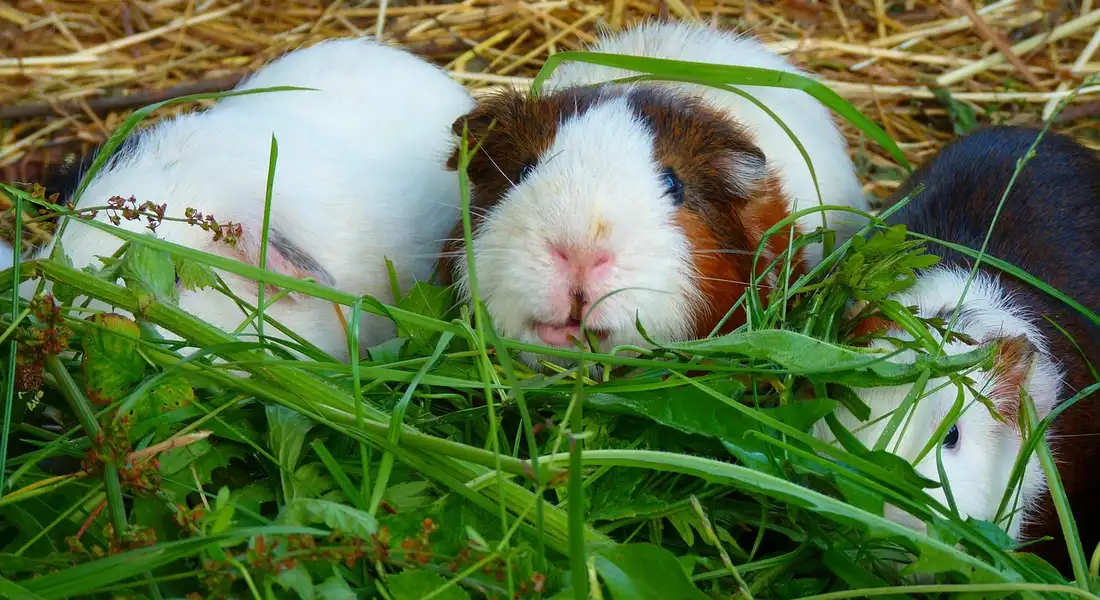
Domestication transformed wild cavies into the gentle pets we adore today by selecting for traits like calmness and diverse coat colors. Over centuries, humans bred them to be less skittish and more interactive, which is why my guinea pig Pepper stays so steady even during loud noises.
Their bodies changed too, with breeds like the Peruvian developing long, flowing hair that requires regular grooming. I’ve noticed Biscuit’s reserved nature might stem from his ancestors’ need to stay hidden in the wild.
- Selective breeding enhanced docility and variety in fur patterns.
- Domestication reduced their instinct to flee, making them ideal indoor companions.
- Genetic changes led to health considerations, such as dental issues from softer diets.
The Journey From the Andes to Your Living Room
Guinea pigs traveled from South American highlands to global homes through trade routes, starting with Spanish explorers in the 16th century. This journey introduced them to new climates, forcing adaptations that make your pet resilient in varied environments. If you’re wondering whether guinea pigs are exotic pets, here’s what you need to know. In many places they’re treated as common domestic pets, but they still require careful care and considerations like housing, social needs, and local regulations.
Imagine the Andes’ cool, grassy slopes where they foraged-now, they thrive in cozy indoor setups. My Abyssinian, Clover, shows this grace by exploring her cage with thoughtful curiosity, much like her wild relatives.
- Historical spread via ships to Europe popularized them as exotic pets.
- Adaptation to captivity led to smaller sizes and brighter colors for appeal.
- Today’s breeds reflect a mix of ancestral traits and human preferences.
What Domestication Means for Your Pet’s Care Today
Providing a Diet Rooted in Their Past
Your guinea pig’s diet should mirror the high-fiber grasses of the Andes to support their digestive health. I always offer unlimited timothy hay to Pepper and friends, as it mimics the roughage they’d graze on naturally. Hay provides essential fiber that keeps their gut moving and helps wear down their constantly growing teeth. Without enough hay, gut issues and dental problems can arise, so hay should be the foundation of every guinea pig’s diet.
Include fresh veggies like bell peppers and leafy greens, but avoid high-sugar fruits that weren’t part of their wild diet. This approach prevents obesity and dental problems, which I’ve seen improve Biscuit’s energy levels.
- Base meals on hay to replicate wild foraging behaviors.
- Supplement with vitamin C-rich foods, as domestication didn’t change this essential need.
- Limit pellets to avoid over-reliance on processed options.
Understanding Their Innate Social Needs
Domestication reinforced their herd instincts, meaning your pet thrives with companionship to avoid loneliness. Keeping Clover and Biscuit together has reduced their stress, as they communicate through soft chirps and grooming.
Solitary guinea pigs can develop anxiety, so I advocate for pairing them to honor their social roots. You’ll see happier behaviors, like popcorning jumps, when they feel secure in a group. This aligns with my debunking of 10 common myths about guinea pig social needs and bonding, clarifying why companionship matters.
- House at least two guinea pigs to meet their emotional needs.
- Observe interactions to ensure compatibility and prevent bullying.
- Provide hiding spots for private time, balancing social and solitary moments.
Creating a Habitat That Honors Their Origins
Design a spacious cage with hiding areas and soft bedding to echo the sheltered, grassy landscapes of the Andes. This is all part of building the perfect guinea pig cage. A well-thought-out setup ensures safety and easy cleaning while supporting natural behaviors. My setup includes tunnels and hay racks, which encourage natural behaviors like burrowing and exploring.
Avoid wire floors that hurt their feet, opting for solid bases with absorbent liners for comfort. This respectful habitat supports animal welfare by reducing stress and promoting physical activity.
- Use large enclosures-aim for at least 7.5 square feet per guinea pig.
- Incorporate chew toys to maintain dental health, similar to wild gnawing habits.
- Place the habitat in a quiet, draft-free area to mimic the security of their ancestral home.
FAQs
What are some interesting facts about guinea pig domestication?
Guinea pigs were among the few animals domesticated primarily for food rather than labor or companionship. Originating in the Andean highlands of South America, wild cavies inhabited grassy valleys and rugged plateaus. Domestication is believed to have begun there. Their use in cultural rituals and as diagnostic tools in folk medicine highlights their unique historical significance.
When did guinea pigs arrive in the United States?
Guinea pigs were introduced to the United States in the early 20th century through trade and breeding programs. They gained popularity as exotic pets and were later standardized into the breeds we see today. This naturally leads to the question: are there different types of guinea pigs? Yes—guinea pigs come in several recognized breeds with distinct coat types and colors.
Are there academic resources on guinea pig domestication?
Yes, journals like the “Journal of Archaeological Science” publish studies on guinea pig domestication using archaeological evidence. Are guinea pigs actually pigs, or something else? In truth, they are rodents, not pigs. Many universities offer free PDFs of these papers for further research into their history.
Your Guinea Pig’s Legacy
By understanding your guinea pig’s long history as a domesticated companion, you can better meet their deep-seated needs for social interaction and a safe, enriching habitat. Fostering regular, calm interaction helps you bond with your guinea pig and lay the groundwork for a long-term relationship. With patience and consistent care, you can nurture trust that lasts for years. This knowledge helps you create a home that honors their natural instincts and promotes lifelong well-being.
Commit to being a thoughtful guardian by always learning more about their care and choosing sustainable, eco-friendly options for their food, bedding, and toys. Your dedication ensures these gentle animals continue to thrive as cherished family members for generations to come.
Further Reading & Sources
- Uncovering the Origin of the Domesticated Guinea Pig – News
- Guinea pig – Wikipedia
- Why Were Guinea Pigs Domesticated? (Hint: Not for Their Company)
- Ancient DNA of Guinea Pigs (Cavia spp.) Indicates a Probable New Center of Domestication and Pathways of Global Distribution | Scientific Reports
Kate is a passionate guinea pig owner and advocate for small pet welfare. With over a decade of experience caring for guinea pigs, she has become a trusted voice in the small pet community.
Uncategorized