How to Interpret Common Guinea Pig Behaviors and Body Language
Published on: December 31, 2025 | Last Updated: December 31, 2025
Written By: Kate M. Callahan
Hello CavyFam! Ever watch your guinea pig and wonder what on earth they’re trying to tell you? You’re not alone in wanting to understand their secret language.
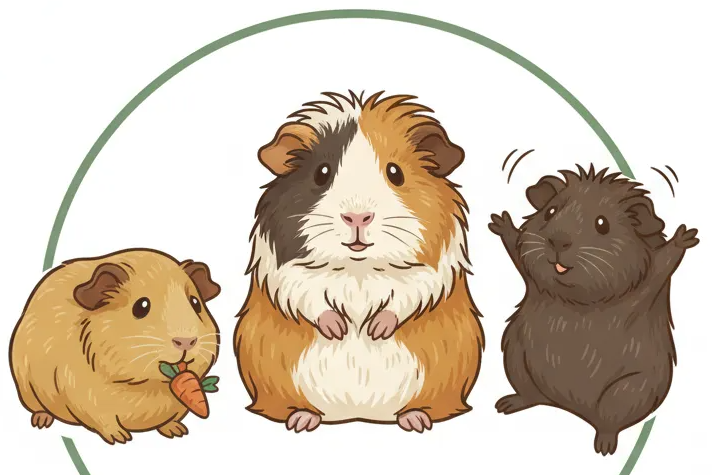
In this guide, I’ll walk you through vocalizations, body postures, ear movements, and eating habits so you can become fluent in guinea pig. After years of caring for my own trio-Pepper, Clover, and Biscuit-I’ve learned to see the world through their gentle, thoughtful eyes.
Decoding Guinea Pig Vocalizations
- Wheeking is that excited, high-pitched squeal you hear when your guinea pig anticipates something good, like mealtime or treats. My gentle Pepper always lets out loud wheeks the second I rustle a veggie bag-it’s his way of saying, “Hurry up, I’m hungry!”
- Purring sounds like a soft, vibrating hum and usually means your piggy is content and comfortable. Clover, with her graceful demeanor, often purrs when I gently brush her fur, showing she feels safe and relaxed.
- Rumbling is a deeper, vibrating noise often linked to mating behavior or establishing dominance in social interactions. I’ve noticed Biscuit, who’s reserved, rumbles softly when exploring new toys, as if claiming his space thoughtfully.
- Teeth chattering is a sharp, clicking sound that signals annoyance, fear, or a warning to back off. For example, if I move too quickly near Clover, she’ll chatter her teeth briefly-a clear sign to give her a moment.
- Chirping is a rare, bird-like sound that can indicate stress, curiosity, or even loneliness. Pepper once chirped during a thunderstorm; I stayed nearby to comfort him, reinforcing how vital a calm environment is for their well-being.
Reading Guinea Pig Body Language
- Popcorning involves joyful, spontaneous jumps and twists that show pure happiness and excitement. When Biscuit discovers a fresh pile of hay, he’ll popcorn around his cage-it’s a delight to see his intelligence shine through play.
- Freezing means your guinea pig stays completely still, often due to fear or heightened alertness to potential threats. If Pepper freezes mid-step, I check for loud noises and speak softly to reassure him, helping him feel secure again.
- Rumble strutting is a slow, swaying walk combined with rumbling, used to display dominance or during courtship. Clover sometimes rumble struts near new hideouts, her graceful movements signaling she’s assessing her territory.
- Ear positions tell a lot: forward ears mean curiosity, while flattened ears suggest fear or submission. I watch Biscuit’s ears-when they’re perked up, he’s eager to explore, but if they’re back, I give him space to avoid stress.
- Eye expressions vary; wide, bulging eyes often indicate fear, while half-closed eyes show relaxation and trust. Pepper’s steady gaze softens when he’s cozy in my lap, a sign he’s completely at ease with our bond.
- Body stiffness is a key indicator: a tense, rigid body points to stress, while a loose, wiggly posture means comfort. If Clover’s body goes stiff, I reduce handling and add familiar bedding to ease her back into a relaxed state.
- Relaxation signs include lying stretched out, slow blinking, and gentle nuzzling-all showing your piggy feels safe. I’ve seen Biscuit unwind by sprawling in a sunbeam, his reserved nature melting away in moments of pure calm.
- Stress or curiosity cues involve hiding, rapid breathing, or cautious sniffing, which need gentle attention to prevent anxiety. When Pepper hides after a loud noise, I sit nearby and talk quietly, reinforcing that his home is a sanctuary.
Understanding Social Behaviors Between Guinea Pigs
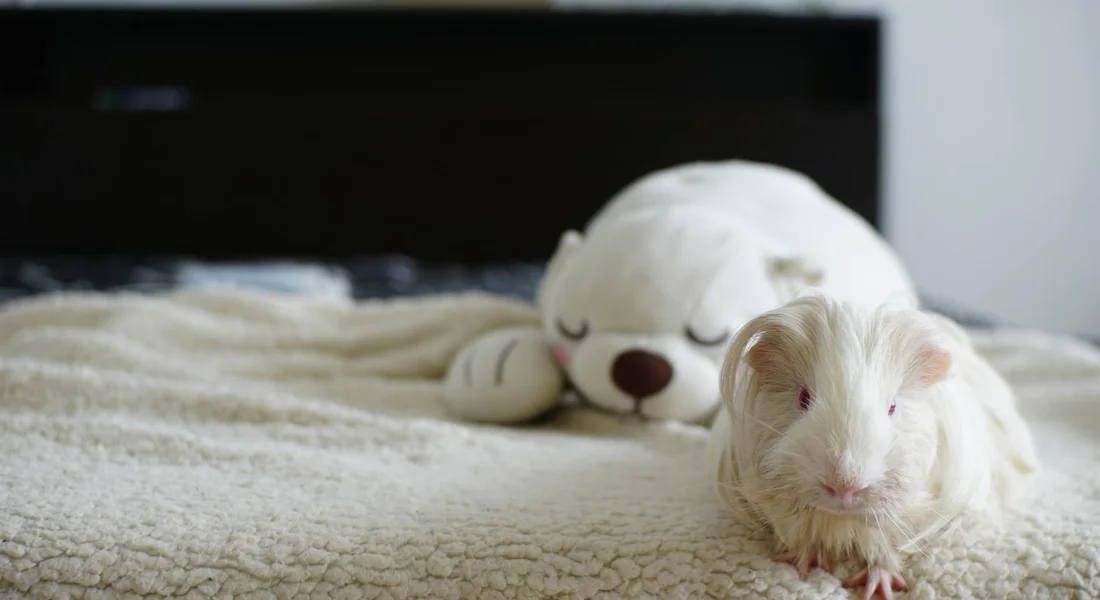
Living with my trio-Pepper, Clover, and Biscuit-has given me a front-row seat to the subtle and not-so-subtle ways guinea pigs communicate with each other. Their social world is rich with tiny gestures that build bonds and maintain peace.
You’ll often see them engage in gentle grooming, where one piggy carefully nibbles or licks another’s head or ears. My calm Pepper frequently offers this to the more reserved Biscuit. Mutual sniffing, especially around the nose and rear, is their way of saying hello and confirming identity. A soft nudge with the nose isn’t usually pushy; it’s more like a polite “excuse me” or a request for attention. These small, daily rituals are the glue that holds their little community together.
Playful Mounting vs. Aggressive Chasing
It’s easy to panic when you see one guinea pig mount another, but context is everything. Playful mounting is a normal part of social interaction, even among females or fixed males. From my observations, Clover will briefly mount Biscuit, who simply shuffles away after a moment. The key is that it’s brief, and the mounted piggy isn’t distressed. This behavior is often about establishing a temporary social standing, not aggression.
Aggressive chasing is a different story. It’s persistent, fast-paced, and one-sided. The chased pig will often try to hide or squeal in protest. I once saw this when a new hidey was introduced, and it was clear one pig was being systematically bullied away from the resource. If the chase doesn’t stop and the pursued pig seems stressed, it’s time to intervene.
Establishing Hierarchy vs. True Fighting
Guinea pigs need to figure out who’s who in their social group. This involves some harmless bickering. You might see them:
- Rumble strutting (a low purr while swaying)
- Showing teeth (a wide-mouthed display)
- Engaging in brief, non-injurious nips or shoves
This posturing is usually noisy but ends quickly without anyone getting hurt. My pigs went through this when they first met, and now they coexist peacefully. If your guinea pigs aren’t getting along, try separating them briefly and reintroducing them slowly under supervision. Provide ample space, multiple hideouts, and separate feeding areas to reduce competition.
True fighting is unmistakable. It’s a violent escalation. They will lock together in a ball, bite with intent to harm, and pull out fur. The sounds change from rumbles to sharp, angry shrieks. You must separate them immediately if a true fight breaks out, as injuries can be severe. I’ve never had to experience this with my group, but it’s a known risk when bonding incompatible personalities.
Identifying Signs of Happiness and Contentment
Watching my own guinea pigs, Pepper, Clover, and Biscuit, has taught me that a content pig is an active and expressive one. Their joy isn’t subtle; it’s a full-body experience that’s impossible to miss once you know what to look for.
Behaviors of a Happy Guinea Pig
- Popcorning: This is the ultimate sign of joy! Your guinea pig will suddenly leap into the air, often twisting its body mid-jump, just like a kernel of popcorn. My youngest, Biscuit, does this every morning when I bring in fresh veggies.
- Curious Exploration: A happy pig confidently sniffs, nudges, and investigates every corner of its habitat. You’ll see them poking their noses through cage bars or following interesting scents.
- Relaxed Eating and Drinking: Content guinea pigs eat steadily and calmly. They don’t snatch food and run but will comfortably munch on hay or pellets right in front of you.
- Stretching Out: When a guinea pig feels completely safe, it will stretch its legs out to the side while lying down. This vulnerable posture means they trust their environment entirely.
- Soft Purring: A low, gentle purr, especially when you’re gently petting them, is a sound of pure pleasure. It’s different from the higher-pitched, agitated purr of annoyance.
Interactions with Humans When Comfortable
When your guinea pig is truly comfortable with you, their behavior shifts from cautious to communicative. My gentle giant, Pepper, will often “wheek” excitedly when he hears my voice, a sure sign he associates me with good things. These cues are how you know if your guinea pigs are happy. By noting their body language and sounds, you can tell when they’re content and thriving.
- They will approach the front of the cage when you’re near, often standing on their hind legs in anticipation.
- A content pig may gently nudge your hand with its nose, asking for more pets or perhaps a tasty treat.
- You might notice them closing their eyes halfway while you stroke their head or back-a guinea pig’s version of a blissful sigh.
- Some, like my thoughtful Clover, will even make a soft “chutting” sound while exploring your lap, commenting on their interesting surroundings.
Environmental Factors That Support Wellbeing
A guinea pig’s happiness is deeply tied to its living conditions. Providing a habitat that caters to their natural instincts is the single most important thing you can do for their long-term mental health. Too often, cage placement mistakes undermine these benefits. Here are 8 cage placement mistakes that affect guinea pig health and happiness.
- Ample Space: A large, open-floor cage allows for popcorning sprints and exploration. Cramped quarters lead to stress and boredom.
- Constant Hay Supply: Unlimited timothy hay isn’t just for digestion; the act of grazing is a calming, natural behavior that keeps them occupied.
- Safe Hiding Spots: Even the happiest pig needs a secure place to retreat. Provide multiple hideouts so they always have a choice.
- Companionship: Guinea pigs are herd animals. Housing them with at least one compatible friend is non-negotiable for their emotional wellbeing. Watching Pepper and Clover snuggle together is proof.
- Routine and Predictability: They thrive on a consistent schedule for feeding, cleaning, and playtime. Surprises can be scary for such small prey animals.
Recognizing Stress and Unhappy Behaviors
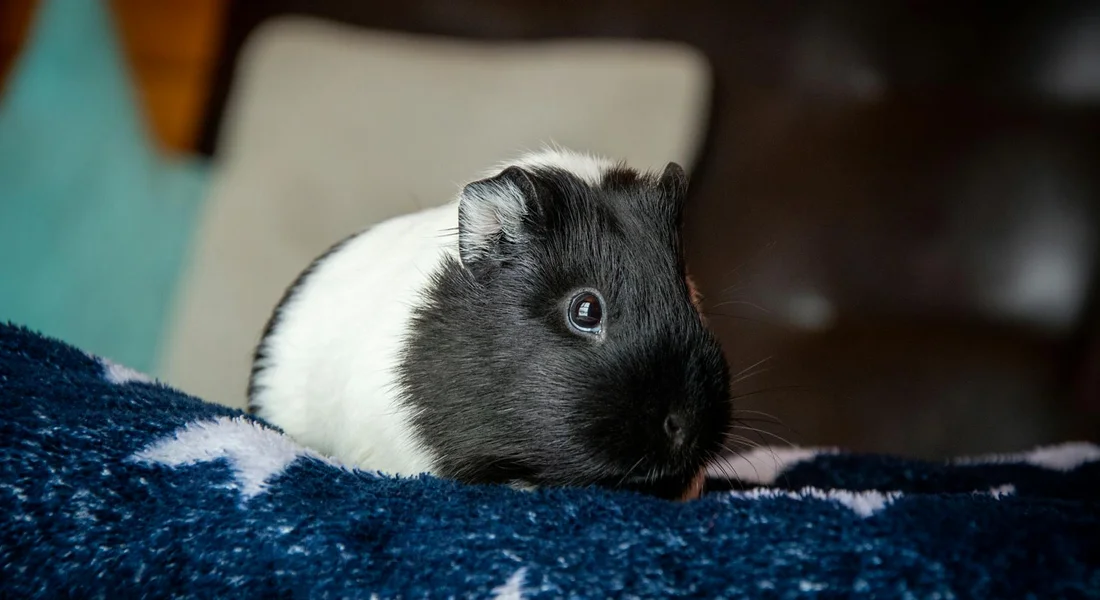
Living with my three guinea pigs-Pepper, Clover, and Biscuit-has taught me that these small creatures have big feelings. Learning to spot their stress signals early can transform your care and deepen your bond.
- Cage Biting: I often saw Biscuit gnawing frantically on the cage bars. This repetitive action usually signals boredom or frustration from a habitat that’s too small or lacks stimulation.
- Excessive Hiding: When gentle Pepper spent days tucked inside her hidey, barely emerging for food, I knew something was wrong. Constant hiding often means your guinea pig feels insecure or threatened.
- Thumping or Stomping: Clover, who is usually graceful, would thump her back feet loudly. This is a universal guinea pig alarm call, indicating fear, annoyance, or a perceived danger in their surroundings.
These behaviors are clear communications about their well-being. Ignoring these signs can lead to more serious health issues, as stress weakens their immune system over time.
Steps to Address Stress Factors
- Evaluate and Enrich Their Habitat: I upgraded to a larger, multi-level cage and added tunnels, safe chew toys, and foraging mats. This reduced bar biting significantly by providing mental and physical exercise.
- Create Safe Hiding Spots: Ensure your guinea pig has multiple, comfortable hideaways. I use fleece-covered huts and cardboard boxes, placing them in quiet corners to help them feel secure without feeling trapped.
- Maintain a Calm Environment: Loud noises and sudden movements startle them. I keep their cage in a low-traffic area and approach them with soft, predictable movements to build trust.
- Schedule Regular Health Checks: Stress can mask or be caused by illness. I perform weekly weight checks and look for signs of dental issues or parasites, consulting a vet if behaviors persist.
Adjusting their environment and routine made a world of difference for my herd. A calm, enriched space not only reduces stress but also encourages more of their delightful, happy behaviors.
Interpreting Age-Related Behavior Changes
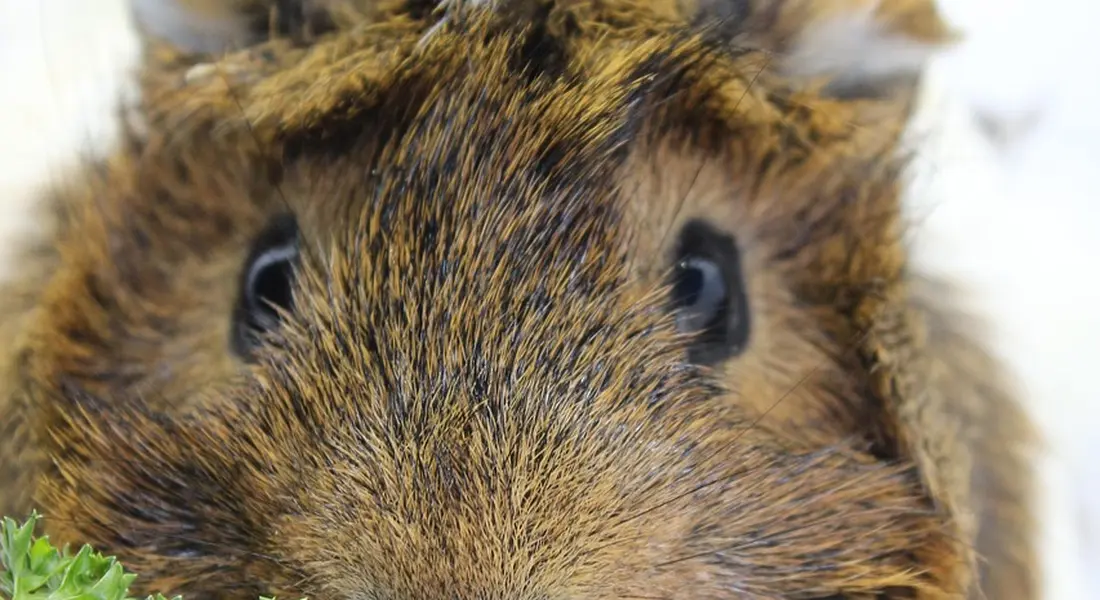
Just like people, guinea pigs grow and change throughout their lives. Observing your pet’s behavior over time gives you a beautiful window into their wellbeing and comfort at every life stage. My three pigs—Pepper, Clover, and Biscuit—have each shown me how personalities and habits mature from youth into their golden years. I often refer to guides on what to expect in each stage of a guinea pig’s life to better understand these changes.
How Behaviors Evolve From Young to Senior
Baby and young guinea pigs are little bundles of exploratory energy. You will notice your youngster is often the first to investigate new toys or a rearranged cage, popcorning with joyful leaps. My youngest, Biscuit, spent his first year meticulously mapping every corner of his habitat. In the ultimate guide to guinea pig foraging toys and activities, you’ll learn how to channel that curiosity with safe, stimulating options. From treat hides to puzzle feeders, these activities keep youngsters engaged and happy.
As they transition into adulthood, around one to two years old, their behavior often becomes more settled and predictable. Adult pigs establish clear social hierarchies and daily routines, becoming more deliberate in their actions. My steady Pepper, now two, has his favorite nap spot and a specific time he expects his morning veggies.
Senior guinea pigs, typically those over four or five, often prefer a quieter pace of life. Your older pig may spend more time resting and become less interested in dramatic cage changes or loud noises. My graceful Clover, now three, still enjoys her floor time but prefers a gentle lap cuddle to a frenetic exploration session.
Normal Activity Level Changes
It’s completely natural for a guinea pig’s energy to ebb and flow with age. Here’s what to expect:
- Babies & Juveniles (0-6 months): Expect frequent, sudden bursts of energy (popcorning!), constant nibbling, and high curiosity. They sleep in short, frequent naps.
- Adults (1-4 years): Activity becomes more regulated. You’ll see established patterns of eating, playing, and napping. They are active and social but less frantic.
- Seniors (5+ years): Longer, more frequent rest periods are normal. Movement may be slower and more careful. They might be less vocal but still enjoy gentle interaction and familiar routines.
The key is knowing your individual pig’s personal “normal” and watching for significant deviations from it.
When Changes Might Indicate Health Issues
While some slowing down is expected, certain behavioral shifts are red flags. A sudden change in behavior is often the first and clearest sign that your guinea pig needs veterinary attention. I’ve learned to act quickly when I see these signs.
- Lethargy in a normally active pig: If your young or adult pig stops moving, exploring, or showing interest in food, this is urgent.
- Hiding more than usual: While seniors may hide a bit more, a social pig that suddenly refuses to come out is communicating distress.
- Changes in eating or drinking habits: A decrease in appetite or difficulty chewing can point to dental issues, which are common and painful.
- Reluctance to move or vocalizing when touched: This can indicate pain from arthritis, injury, or bladder stones, especially in older pigs.
Trust your gut-you know your pet best, and advocating for their health is the most important part of your role. A quick vet visit can provide peace of mind or catch a small issue before it becomes a big problem.
Responding to Problematic Behaviors
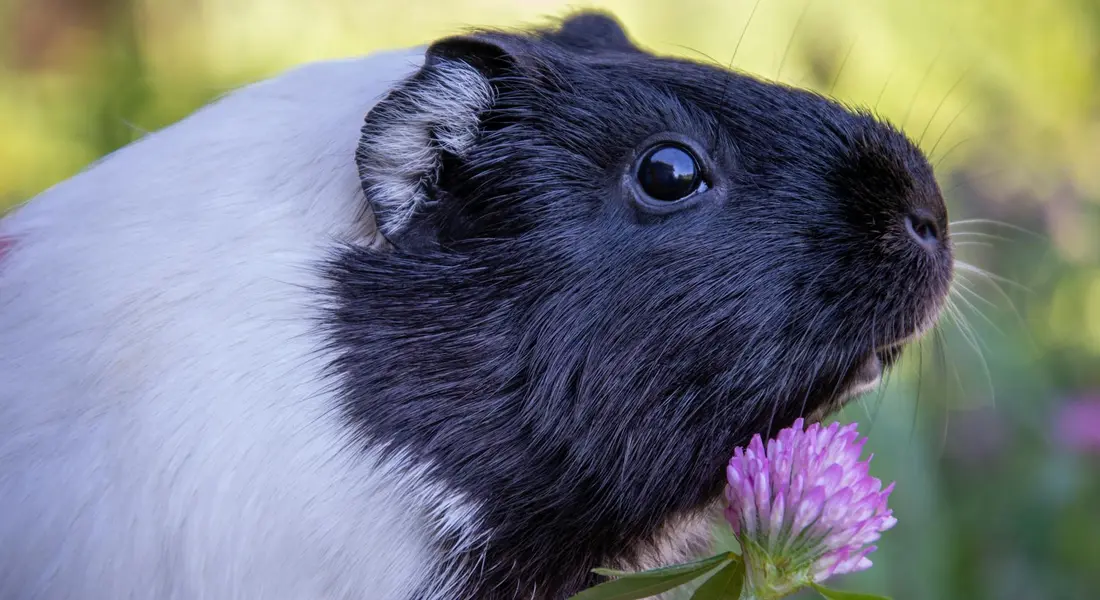
Dealing with tricky guinea pig actions can feel overwhelming, but with patience and the right steps, you can help your furry friend feel safer and happier. Observing and understanding these behaviors is your first step toward building a trusting relationship with your guinea pig. Pay attention to grooming cues—self-grooming, mutual grooming with others, and gentle touching during care—as these reveal comfort and social bonding. Understanding grooming behaviors helps strengthen trust and deepen your guinea pig’s social bonds.
Addressing Specific Concerns
Guinea pigs, like my own Pepper and Clover, sometimes show behaviors that signal stress or discomfort. If you can tell when they’re stressed, you can adjust their care accordingly. Recognizing the root cause of issues like cage aggression or biting allows you to respond effectively and prevent future problems. To tell if yours are anxious, look for signs like hunched posture, pacing, or excessive grooming.
- Cage Aggression: This often happens when guinea pigs feel their space is invaded or too small. Pepper, my steady American guinea pig, once acted aggressively when I placed a new hideout too close to his food area. To ease this, ensure their cage is spacious with separate zones for eating, sleeping, and playing. Introduce changes gradually and provide multiple hideouts to reduce territorial disputes.
- Biting: Biting can stem from fear, pain, or mishandling. Biscuit, my intelligent Peruvian, nipped me once when I picked her up too quickly. Always approach slowly, speak in a calm voice, and offer treats to build trust. If biting persists, check for health issues like dental pain or skin irritations.
- Sudden Behavior Changes: Abrupt shifts, like increased hiding or reduced vocalization, often indicate stress or illness. When Clover became unusually quiet, I discovered her cage mate was bullying her during feeding times. Monitor their daily routines and interactions to spot inconsistencies early.
Step-by-Step Approaches to Modify Environment and Reduce Stress
Creating a peaceful home for your guinea pig involves simple adjustments that promote comfort and security. Small changes in their environment can dramatically lower stress and encourage positive behaviors. To build the set-up for a perfect guinea pig cage, start with a sturdy, appropriately sized enclosure. A thoughtful layout then enhances comfort and safety. Follow these steps to make their space more inviting:
- Assess the Cage Setup: Ensure the enclosure is at least 7.5 square feet for one guinea pig, with more space for pairs. Use soft, absorbent bedding and avoid overcrowding with toys. I found that adding tunnels and chew toys kept my guinea pigs engaged without overwhelming them.
- Establish Routine and Quiet: Guinea pigs thrive on predictability. Feed them at the same times daily and place their cage in a low-traffic area to minimize loud noises. This helped Biscuit feel more secure and reduced her skittishness.
- Promote Social Harmony: If you have multiple guinea pigs, watch for bullying and provide separate food bowls and hideouts. When Pepper and Clover had minor squabbles, I used dividers temporarily to give each their own space, gradually reintroducing them during supervised playtimes.
- Incorporate Enrichment: Rotate toys and introduce safe, eco-friendly items like cardboard tubes or untreated wood blocks. This stimulates their minds and prevents boredom, which I noticed made my guinea pigs more active and content.
When to Seek Veterinary Advice
While many behaviors can be managed at home, some signs require professional help to ensure your guinea pig’s health. Prompt veterinary care is essential if you notice symptoms that suggest pain or serious illness. If you’re unsure, you can use a home troubleshooting checklist for a sick guinea pig to guide next steps. It helps you track symptoms at home and decide when to seek professional care. Contact a vet if you observe:
- Persistent biting or aggression that doesn’t improve with environmental changes
- Sudden weight loss, lethargy, or refusal to eat or drink
- Unusual sounds like wheezing or constant teeth grinding, which could indicate dental or respiratory issues
- Changes in droppings, such as diarrhea or absence, pointing to digestive problems
From my experience, when Clover stopped eating her favorite veggies, a quick vet visit revealed a minor tooth issue that was easily treated. Trust your instincts-if something feels off, it’s better to seek advice early to keep your guinea pig safe and healthy.
FAQs
Why is my guinea pig laying perfectly still with its head back?
This posture often indicates your guinea pig is in a state of deep relaxation and feels completely safe in its environment. It is a vulnerable sleeping position that shows they trust their surroundings and are not on high alert for threats.
What should I expect from my guinea pig’s behavior after a CT scan for pneumonia?
Your guinea pig will likely be lethargic and sleepy for several hours as it recovers from the anesthesia. It is crucial to provide a warm, quiet space and monitor its eating and drinking closely once it is fully awake.
What are some key behavioral adaptations guinea pigs have?
Guinea pigs are crepuscular, meaning they are most active at dawn and dusk, an adaptation to avoid peak predator hours. They also constantly chew and graze, which is a behavioral adaptation to wear down their ever-growing teeth and efficiently process a high-fiber diet.
Do the sounds my guinea pig makes change as it gets older?
Yes, a guinea pig’s vocal repertoire can expand and become more nuanced as it matures and learns to communicate with you and its cage mates. Older, more settled adults may also become less frequently vocal than energetic youngsters but will still use sounds to express their needs.
What does it mean when my guinea pig nudges my hand with its nose?
A gentle nudge is often a polite request for more petting or attention, showing they are comfortable with you. Alternatively, it can be an investigative behavior to smell your hand or a hint that they are expecting a treat.
Your Guinea Pig Communication Journey
By tuning into your guinea pig’s unique sounds and movements, you can quickly address their needs and prevent misunderstandings. In the complete guide to guinea pig vocalizations and what they mean, you’ll learn to decode common sounds like wheeks, purrs, and chirps. This knowledge lets you respond even more accurately. This daily practice not only deepens your bond but also helps you catch health issues before they escalate.
Commit to ongoing education about sustainable pet care, as I have with Pepper, Clover, and Biscuit, to keep your furry friends thriving. Opt for eco-friendly choices like biodegradable bedding to protect both your pets and the planet.
Further Reading & Sources
- Guinea Pig Sounds, Noises, and Body Language
- Guinea Pig Behaviour: Noises & Body Language Meanings
- Guinea Pig Language & Behavior | Guinea Pig Wikia | Fandom
- Guinea Pig Sounds & Body Language Explained | Petco
Kate is a passionate guinea pig owner and advocate for small pet welfare. With over a decade of experience caring for guinea pigs, she has become a trusted voice in the small pet community.
Uncategorized