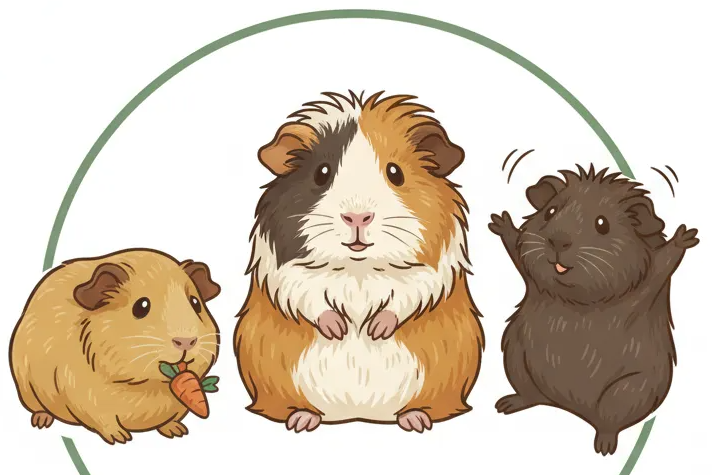
How to Introduce and Bond New Guinea Pigs Successfully
Published on: January 3, 2026 | Last Updated: January 3, 2026
Written By: Kate M. Callahan
Hello CavyFam! Bringing a new guinea pig home is an exciting time, but it can also feel a little nerve-wracking. You might be worried about stress, fights, or if your pets will ever become friends.
I will walk you through preparing for their arrival, making the first introductions, and building a lasting bond.
Having raised my own herd for years, I’ve learned what truly works to create a happy, harmonious guinea pig family.
Preparing for a Smooth Guinea Pig Introduction
Conducting a Health Check and Vet Clearance
Before any introductions begin, a thorough health check is non-negotiable. I always quarantine a new guinea pig in a separate room for at least two weeks, watching for signs of illness like sneezing, lethargy, or crusty eyes. A clean bill of health from an exotics-savvy veterinarian ensures you aren’t accidentally introducing parasites or respiratory infections to your existing herd. This step protects everyone’s well-being and prevents stressful, costly vet visits later.
Assessing Temperament and Age Compatibility
Guinea pigs, like people, have distinct personalities that influence their friendships. My gentle Pepper gets along with almost anyone, while my more reserved Biscuit needed a patient, calm companion. Pairing a boisterous young piglet with a senior, settled adult can sometimes lead to friction, so consider matching energy levels and social confidence. I’ve found that guinea pigs of similar ages or complementary temperaments often form the most harmonious bonds.
Setting Up a Neutral Territory Enclosure
Never introduce guinea pigs in an enclosure that one already considers “theirs.” Territorial disputes are almost guaranteed. You must create a completely new, neutral space that smells unfamiliar to all parties involved. I use a large playpen or a thoroughly cleaned cage with fresh bedding, new hideys, and multiple food piles. This levels the playing field and encourages exploration over defensiveness. If your pigs still clash, separate them and try a slow, supervised reintroduction in the neutral space.
The Step-by-Step Guinea Pig Introduction Process
Starting with Scent Swapping Techniques
Before they ever meet face-to-face, let them get accustomed to each other’s scent. I swap a bit of used bedding between their cages or rub a small cloth on one pig and place it near the other. Scent swapping is a low-stress way to build familiarity, making the first physical meeting less startling for everyone. My thoughtful Clover was far less wary of Biscuit after she had already investigated his scent around her home for a few days.
Organizing Short, Supervised Meetings
The first real meeting should be brief and on neutral ground. I aim for 10-15 minutes initially. Have a towel ready to gently separate them if needed, but avoid intervening unless there is real aggression. Supervise these sessions closely, watching for positive interactions like curious sniffing and quiet rumbling, which is a normal dominance behavior. Keep your voice calm and reassuring-your pigs will pick up on your relaxed energy.
Monitoring Body Language and Early Socialization
Understanding guinea pig body language is your most important tool. Interpreting these cues helps you read their mood and respond appropriately. Recognizing common guinea pig behaviors through body language can guide your interactions. Watch for these key signals:
- Good Signs: Nose-to-nose sniffing, popcorning (happy jumps), and relaxed foraging near each other.
- Warning Signs: Persistent, loud teeth chattering, raised hackles, lunging, or mounting that leads to fighting.
A certain amount of rumbling, swaying, and minor chasing is normal as they establish a hierarchy; it only becomes a problem if it escalates to physical combat. Gradually increase the length of their supervised time together as they show more comfort and less tension.
Encouraging Positive Bonding Behaviors
Providing Multiple Hideouts and Shared Resources
Think of your guinea pigs’ space like a shared apartment-everyone needs their own room to retreat to, but common areas build friendships. I always set up at least three hideouts for my trio, Pepper, Clover, and Biscuit, so no one feels cornered or has to fight for a safe spot. Use small cardboard boxes, fleece forests, or commercial hideys, placing them far apart to encourage exploration without conflict.
Shared resources like hay racks, water bottles, and pellet dishes should be plentiful and spread out. Having multiple feeding stations prevents resource guarding, which I learned the hard way after a minor squabble over a single veggie bowl. This setup mimics their natural foraging behavior and reduces competition, making the cage a peaceful, cooperative home.
Using Treats and Play for Stress Reduction
Food is a universal language for guinea pigs, and using it strategically can melt away tension. Hand-feeding small, high-value treats like cilantro or bell pepper strips during calm moments helps them associate each other’s presence with positive experiences. These are some of the common bonding behaviors in guinea pigs. I do this daily with my herd, sitting nearby while they munch, which builds trust between them and with me.
Incorporate simple play sessions with tunnels or paper bags to distract from any initial wariness. Guided play lowers stress by redirecting their focus to fun activities instead of potential threats. Keep sessions short-five to ten minutes-and always end on a happy note with a favorite snack to reinforce good feelings.
Observing Signs of Successful Pair Bonding
Watching for bonding milestones feels like cheering on quiet little victories. Successful pairs will often sleep side-by-side, share hideouts comfortably, or engage in gentle grooming sessions called allogrooming. When I first saw Clover gently nibble Pepper’s ear, I knew their bond was solid.
Other positive signs include synchronized eating, relaxed popcorn jumps, and soft, contented rumbling sounds. Peaceful coexistence, where they ignore each other without tension, is just as valid a success as overt affection. Bonding isn’t always loud or dramatic; sometimes, the quiet moments speak the loudest.
Troubleshooting Common Bonding Challenges
Addressing Aggression and Chasing
Mild chasing is normal as they establish a hierarchy, but true aggression requires quick action. If you see fur pulling, biting, or relentless chasing that causes distress, separate them immediately using a towel to avoid getting nipped yourself. I had to do this once with Biscuit when she was younger, giving her a brief time-out in a partitioned section of the cage.
Reintroduce them slowly in a neutral area free of territorial scents. Neutral spaces reset the dynamic, reducing the instinct to defend established territory. Always supervise closely after reintroduction, and only try a few times per day to avoid overwhelming them.
Managing Hissing and Dominance Displays
Hissing, teeth chattering, and rumble strutting are dominance displays, not necessarily signs of failure. These behaviors are their way of communicating boundaries and establishing who’s in charge without physical conflict. My Abyssinian, Clover, often rumble struts to show she’s the matriarch, and the others usually respect it.
Intervene only if it escalates to lunging or prolonged aggression. Otherwise, let them work it out-interfering too early can disrupt their natural social negotiation. Distract them with a handful of fresh hay or a new toy to diffuse tension if things feel too intense.
Considering Neutering for Long-term Companionship
Neutering male guinea pigs can be a game-changer for mixed-gender pairs or groups with persistent hormonal aggression. Surgery eliminates the risk of unexpected litters and often reduces dominant behaviors driven by testosterone. It’s a decision I support for welfare, but only if done by an experienced exotic vet. Weighing the pros and cons can help you decide. Pros include calmer groups and no unexpected litters, while cons include anesthesia risks and a recovery period.
Weigh the benefits against the risks, as any surgery carries potential complications. Neutering is generally safe when performed on healthy, young males by a vet skilled with small animals. Always discuss post-op care, including pain management and a clean recovery space, to ensure a smooth healing process.
Supporting Long-term Guinea Pig Companionship

Transitioning to a Permanent Shared Habitat
Moving your guinea pigs into a permanent shared home requires patience and careful planning to prevent stress. Start by ensuring their initial bonding sessions in neutral areas have gone smoothly with minimal chasing or teeth chattering. Learn how to bond guinea pigs properly before bringing them together permanently. I learned this firsthand when integrating Biscuit, my reserved Peruvian, into the group—rushing the process led to some skittish behavior that took days to calm.
Follow these steps for a safe transition:
- Thoroughly clean the new habitat to remove any scents that could trigger territorial disputes.
- Set up multiple hideouts, food bowls, and water bottles to reduce competition.
- Place familiar items like hay or toys from their previous spaces to provide comfort.
- Supervise the first few hours in the shared cage, stepping in only if aggressive behavior escalates.
Choose a cage that’s spacious enough for each pig to have personal room—aim for at least 7.5 square feet for two guinea pigs. Avoid overcrowding, as it can heighten tension and lead to health issues over time. This is part of our complete space requirements guide for guinea pig cages. For a full breakdown of cage sizes and per-pig space, see the size cage guide. With Pepper and Clover, I upgraded to a larger enclosure, and their gentle natures flourished with the extra space to explore.
Maintaining Harmony Through Routine and Observation
Consistency in daily habits helps guinea pigs feel secure and reduces conflicts. Stick to regular feeding times, fresh hay refills, and cage cleanings to build a predictable environment. Understanding when they’re most active helps you plan enrichment around daily patterns. Guinea pigs are typically most active at dawn and dusk. I’ve noticed that my trio, especially Clover, becomes more relaxed when they know what to expect each day.
Observe your pets closely for these harmony indicators:
- Peaceful co-feeding without resource guarding
- Engaging in mutual grooming or gentle nudges
- Vocalizations like happy wheeking during interactions
Watch out for warning signs like persistent rumbling, raised fur, or biting, which may signal unresolved stress. Address minor squabbles by providing distractions like new tunnels or veggie treats to redirect their focus. In my experience, a simple routine check each morning helps me spot changes early, keeping everyone content and bonded.
Special Considerations for Different Guinea Pig Pairings
Bonding Males vs. Females
Male and female guinea pigs often exhibit distinct bonding dynamics that influence their long-term relationships. Males, like Pepper, can be more territorial and may need extra space to establish hierarchy without aggression. I’ve found that neutered males paired with females tend to bond smoothly, reducing the risk of unexpected litters and dominance fights.
For successful pairings, consider these tips:
- Introduce males in a large, neutral area to minimize confrontations over territory.
- With females, focus on social enrichment-they often thrive in groups but monitor for subtle dominance shifts.
- Always spay or neuter if mixing genders to promote health and prevent breeding.
Females, such as Clover, generally adapt quicker to new companions but may display subtle power plays. Provide plenty of hiding spots and separate feeding stations to ease tensions during the adjustment period. Advocating for their welfare means prioritizing compatibility over gender, ensuring each pig feels safe and valued.
Introducing Pigs of Varying Ages and Breeds
Age and breed differences add unique layers to guinea pig introductions, requiring tailored approaches for harmony. Younger pigs, like Biscuit at one year old, bring energy that can either invigorate or overwhelm older companions. When I introduced Biscuit to elder Clover, I balanced their interactions with quiet zones and supervised play to respect Clover’s graceful, thoughtful nature.
Breeds also play a role-Abyssinians like Clover may be more active, while Peruvians like Biscuit might need gentler handling due to their reserved tendencies. Mix breeds gradually, observing how their personalities mesh rather than assuming compatibility based on appearance.
Use this guide for diverse pairings:
- Pair older, calm pigs with youngsters in short, positive sessions to build trust.
- Adjust habitat setups-long-haired breeds like Peruvians benefit from low-dust bedding to prevent matting.
- Monitor for age-related needs, such as providing softer foods for senior pigs to aid digestion.
Embrace their individuality; my American guinea pig Pepper’s steady demeanor has helped bridge gaps between more timid breeds. Celebrate small successes, like shared naps or synchronized munching, as signs of a growing bond across ages and types.
FAQs
How can I bond with my guinea pig to build trust?
Spend time hand-feeding treats and speaking in a calm, gentle voice to create positive associations. Regular, quiet interactions help your guinea pig feel secure and gradually strengthen your relationship. You’ll know they’re happy by their body language—if they approach you, relax in your presence, and enjoy gentle interaction. Look for signs like a calm posture and curious, playful behavior during time together. For more details, visit this guide.
What is a guinea pig bonding pouch and how is it used?
A bonding pouch is a soft, secure carrier that lets you keep your guinea pig close to your body during short outings. This method helps them acclimate to your scent and movements, reducing stress and fostering familiarity.
Is there a pattern for a DIY guinea pig bonding scarf?
Yes, simple fleece bonding scarf patterns are available online, often requiring basic sewing skills to create a comfortable pocket. These scarves provide a cozy, hands-free way to carry your guinea pig, encouraging bonding through close contact.
Are there professional services for guinea pig bonding assistance?
Some exotic veterinarians or animal behaviorists offer bonding services to mediate introductions and address aggression. These experts use proven techniques to ensure a smoother, safer bonding process for your pets.
What methods does Scotty’s Animals recommend for guinea pig bonding?
Scotty’s Animals advocates for neutral territory introductions and using distractions like veggies to reduce tension. Their approach emphasizes patience and observing natural behaviors to guide successful pairings.
Your Journey to a Happy Herd
Successful bonding starts with gradual introductions in neutral territory and grows through shared, positive experiences like floor time and gentle handling. Patience is your most powerful tool, allowing trust to form naturally between your pigs at their own unique pace.
Remember that responsible ownership means committing to their lifelong care, including proper nutrition, spacious habitats, and regular health checks. I encourage you to keep learning about their complex social needs and explore eco-friendly care options, making your guinea pig journey as rewarding for you as it is for them.
Further Reading & Sources
- Guinea pig bonding basics | Animal Humane Society
- The Ultimate Guide to Guinea Pig Bonding and Pairing
- How to introduce guinea pigs – PDSA
- BONDING | wheekcare
Kate is a passionate guinea pig owner and advocate for small pet welfare. With over a decade of experience caring for guinea pigs, she has become a trusted voice in the small pet community.
Uncategorized