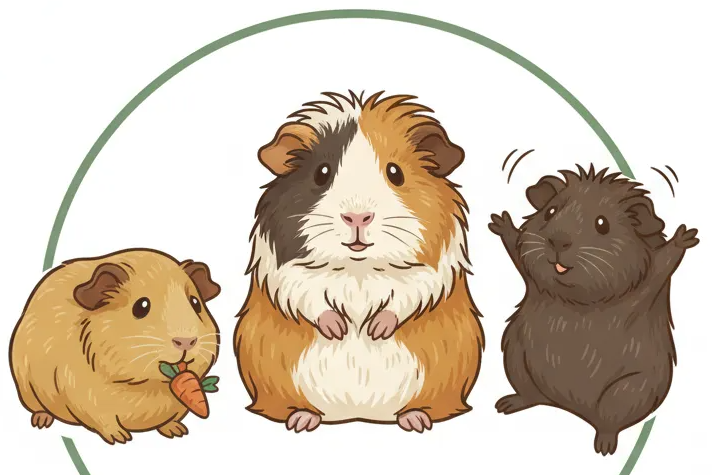
Guinea Pig Seasonal Grooming: Summer vs Winter Care Guide
Published on: January 11, 2026 | Last Updated: January 11, 2026
Written By: Kate M. Callahan
Hello CavyFam! Are you wondering how to adapt your guinea pig’s grooming routine as the seasons shift?
You might worry about them overheating in summer’s heat or feeling too chilly when winter winds blow.
I will walk you through summer brushing techniques, winter coat maintenance, and seasonal health checks to keep your pets happy. With years of hands-on experience caring for guinea pigs like Pepper, Clover, and Biscuit, I offer trusted advice rooted in daily life.
Understanding Seasonal Grooming for Guinea Pigs
Guinea pigs have different grooming needs as the weather shifts from hot summers to cold winters. In summer, their coats shed more to stay cool, while in winter, fur thickens for warmth. Understanding guinea pig fur types and their characteristics helps explain these seasonal changes. It also guides how you tailor grooming and care throughout the year. I’ve seen this firsthand with my own guinea pigs, like Pepper, whose golden-brown fur gets lighter and fluffier in the heat.
During summer, focus on brushing to remove loose hair and prevent matting. Regular brushing helps reduce overheating and keeps their skin healthy. I brush my guinea pigs daily in warm months, using a soft brush to avoid irritation.
In winter, grooming shifts to maintaining coat insulation without over-handling. Less frequent brushing preserves natural oils that protect against dryness. For Biscuit, my Peruvian guinea pig, I gently comb her long fur weekly to avoid tangles.
- Summer grooming: Brush daily, check for pests like mites, and provide cool areas.
- Winter grooming: Brush weekly, avoid baths to prevent chills, and ensure dry bedding.
Seasonal changes affect their comfort, so adjust your routine based on temperature and humidity. Always use gentle tools and watch for signs of stress, like excessive scratching. From my experience, a consistent approach keeps guinea pigs happy year-round.
Natural Self-Grooming and Social Grooming in Guinea Pigs
How Guinea Pigs Groom Themselves
Guinea pigs are pros at keeping themselves clean through licking, scratching, and nibbling. Self-grooming helps them distribute natural oils and remove dirt from their fur. I often watch Clover, my Abyssinian, meticulously lick her light-brown coat after meals.
They use their front paws to wipe their faces and ears, much like cats. This behavior is instinctual and keeps their skin free from irritants. If you see your guinea pig grooming frequently, it’s a sign they feel safe and healthy.
- Licking fur to clean and cool down.
- Scratching with hind legs to reach itchy spots.
- Nibbling at paws to remove debris.
Self-grooming varies by personality; for example, Biscuit is reserved but spends long periods grooming her dark-brown fur. Encourage this natural habit by providing a clean living space and safe grooming tools. I’ve found that a stress-free environment boosts their self-care routines.
When Guinea Pigs Groom Each Other
Social grooming, or allogrooming, happens when guinea pigs lick and nibble each other’s fur. There are many ways guinea pigs bond with each other, but this one is among the most common. This bonding activity strengthens relationships and establishes trust within the group. My guinea pigs, Pepper and Clover, often groom each other during quiet times, showing their gentle and thoughtful natures.
It typically occurs after eating or when they’re relaxed together. Mutual grooming helps them reach spots they can’t clean alone, like the back of the head. I’ve noticed it reduces conflicts and promotes a peaceful cage environment.
- After meals: They groom to share scents and reinforce social bonds.
- During rest: It’s a calming behavior that mimics wild herd instincts.
- In response to stress: Grooming can soothe anxiety in new or noisy situations.
Social grooming is a sign of a happy, well-adjusted pair or group. If your guinea pigs groom each other, it means they feel secure and connected. From caring for my trio, I’ve learned that fostering these interactions through shared spaces and gentle handling supports their emotional well-being. Understanding guinea pig grooming behaviors and social bonding has been crucial in ensuring their happiness.
Building Your Guinea Pig Grooming Kit
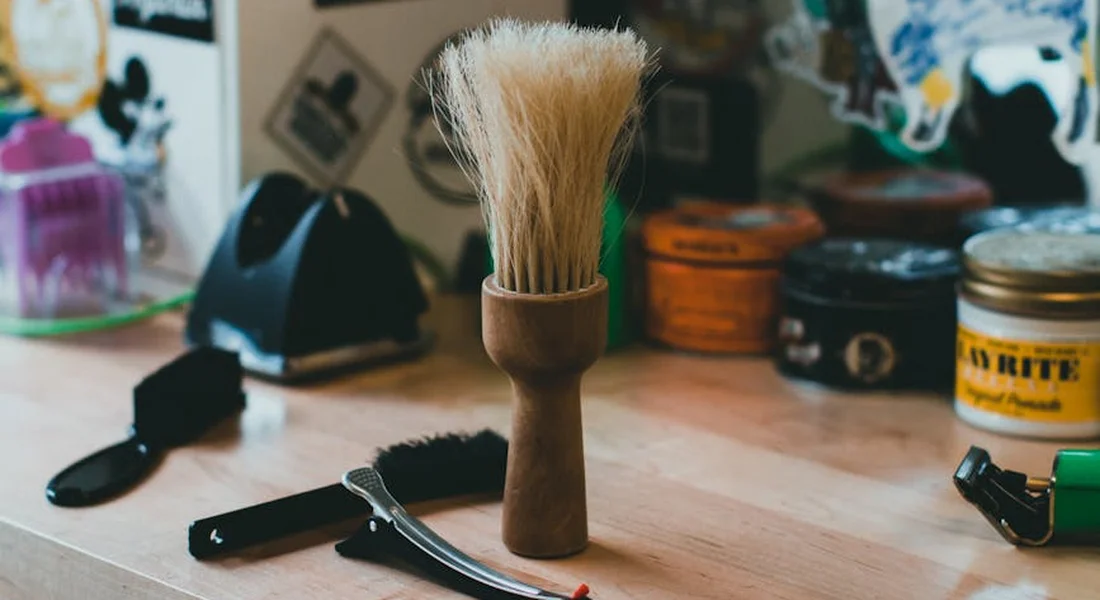
Must-Have Grooming Tools
Every guinea pig owner needs a reliable set of tools to keep their pets healthy and comfortable year-round. From my years with Pepper, Clover, and Biscuit, I’ve found that a well-stocked kit makes grooming sessions smoother and less stressful for everyone. It’s important to have the right tools, which you can find in our essential guinea pig grooming tools and supplies checklist.
- A soft-bristle brush for daily fur care, especially gentle on sensitive skin like Pepper’s.
- Small animal nail clippers to safely trim overgrown nails without causing injury.
- A fine-toothed comb for long-haired breeds, such as my Peruvian guinea pig Biscuit, to prevent tangles.
- Pet-safe shampoo for occasional baths, focusing on mild formulas to avoid skin irritation.
- Soft towels for drying and handling, which help reduce stress during grooming.
Investing in quality tools ensures your guinea pigs stay clean and happy. Regular use of these items has helped me bond with my pets while monitoring their health closely.
Seasonal Additions to Your Kit
Adjusting your grooming kit with the seasons addresses unique needs for summer heat and winter chill. I always swap out or add items based on weather changes to keep Pepper, Clover, and Biscuit thriving.
- For summer, include a cooling mat or tile to help guinea pigs beat the heat during grooming.
- Add a small spray bottle with water for light misting to cool them down without over-wetting.
- In winter, stock extra soft bedding or fleece liners to provide warmth after grooming sessions.
- Include a pet-safe moisturizing spray to prevent dry skin in colder months.
Rotating these items prevents issues like overheating or dryness. This simple practice has kept my guinea pigs comfortable through seasonal shifts, promoting their overall welfare.
Summer Grooming Routine for Guinea Pigs
Gentle Brushing for Summer Shedding
Summer brings increased shedding as guinea pigs like Clover and Biscuit lose their thicker winter coats. Gentle brushing two to three times a week removes loose fur and reduces matting, which I’ve seen improve their comfort significantly.
Start by using a soft-bristle brush in the direction of hair growth to avoid pulling. Focus on areas like the back and sides where shedding is most noticeable, and always check for skin irritations as you go.
- Hold your guinea pig securely but gently, speaking in a calm voice to keep them relaxed.
- Brush in short, smooth strokes, pausing if they seem stressed-this works well with my steady guinea pig, Pepper.
- Reward with a small veggie treat afterward to build positive associations with grooming.
Regular brushing helps prevent hairballs and keeps their coat shiny. I’ve noticed that consistent routines like this make summer shedding manageable and even enjoyable for my pets.
Managing Sun Exposure and Hydration
Guinea pigs are prone to heatstroke, so managing sun and hydration is vital in summer. Guinea pigs handle heat poorly and can overheat quickly. They can’t sweat, so cooling and shade are essential. I always place their cage in a shaded, cool area and avoid direct sunlight, which has kept Pepper, Clover, and Biscuit safe on hot days.
Provide fresh, cool water at all times, using heavy bowls or bottles to prevent spills. Adding cucumber slices or water-rich veggies to their diet boosts hydration naturally, something my guinea pigs eagerly enjoy.
- Limit outdoor play to early morning or late evening when temperatures are milder.
- Use a fan or air conditioning indoors to maintain a comfortable environment, but avoid drafts.
- Check for signs of overheating, such as heavy panting or lethargy, and act quickly by moving them to a cooler spot.
Staying vigilant about sun and water needs protects their health. Simple steps like these have helped me ensure my guinea pigs stay active and happy all summer long.
Winter Grooming Routine for Guinea Pigs
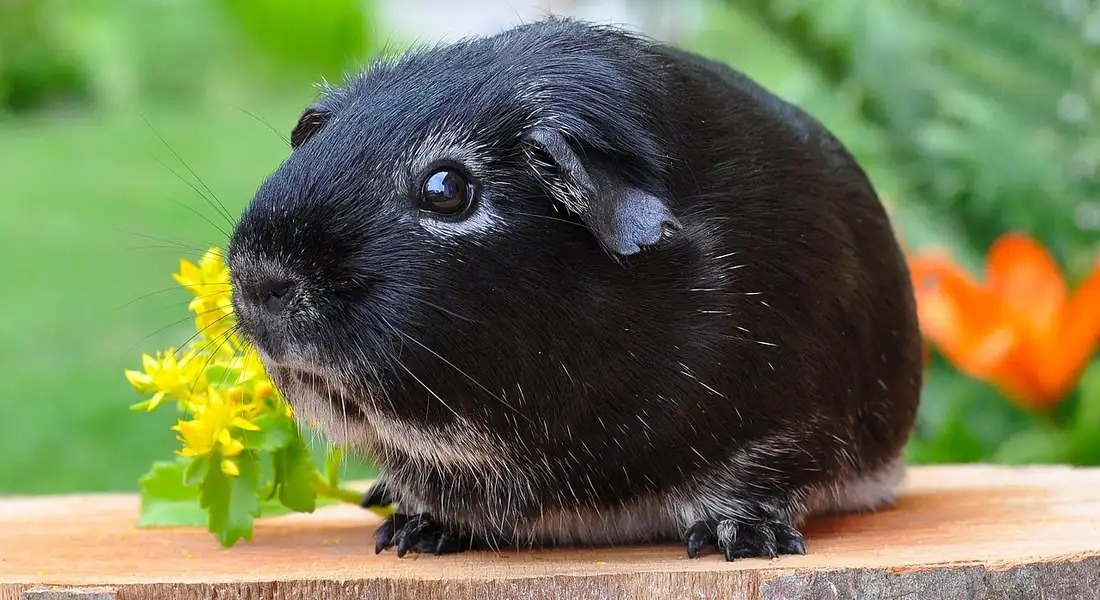
Coat Inspection and Brushing in Cold Months
Winter transforms your guinea pig’s coat into a dense, fluffy shield against the chill. I notice my guinea pig Biscuit’s long Peruvian hair becomes especially thick, almost like a woolly sweater. Regular brushing sessions are vital now, not just for neatness, but to prevent painful mats that trap moisture and cold against their skin. Use a soft-bristled brush and gently work through their fur every other day. My gentle giant Pepper, with his shorter American coat, still benefits from this routine to distribute natural oils that insulate his body. You’ll feel the difference in their coat texture-it’s coarser and fuller than in summer.
Static electricity can be a surprising winter nuisance. I’ve found lightly misting the brush with water before grooming Clover helps reduce those annoying little shocks. Always brush in the direction of hair growth to avoid discomfort and check the skin underneath for any redness, flakiness, or tiny parasites seeking winter refuge. A calm, steady hand makes this a bonding experience, not a chore.
Ensuring Warmth and Dryness
Keeping your guinea pig warm and dry is the cornerstone of winter care. Their living space must be a cozy sanctuary, far from drafty windows or doors. In winter, keeping your guinea pig warm is the top priority; ensure a draft-free spot and a steady, comfortable temperature. A little extra warmth goes a long way toward healthy, happy guinea pigs. I always add extra layers of absorbent, fleece liners to their hideouts, which my trio adores for burrowing into on frosty mornings. Dampness is their enemy; a wet cage floor can lead to chilled feet and respiratory troubles. Spot-clean their habitat daily to remove damp bedding and uneaten wet veggies.
Provide plenty of fresh, dry hay-not just for eating, but for nesting. I watch Clover and Biscuit meticulously arrange their hay piles into insulated beds. Never use heated pads or lamps designed for humans, as they can easily overheat or burn delicate guinea pig skin. Instead, ensure the room temperature stays consistently comfortable, and maybe even move their cage to a warmer part of the house during the coldest spells.
Spotting Seasonal Skin and Coat Problems
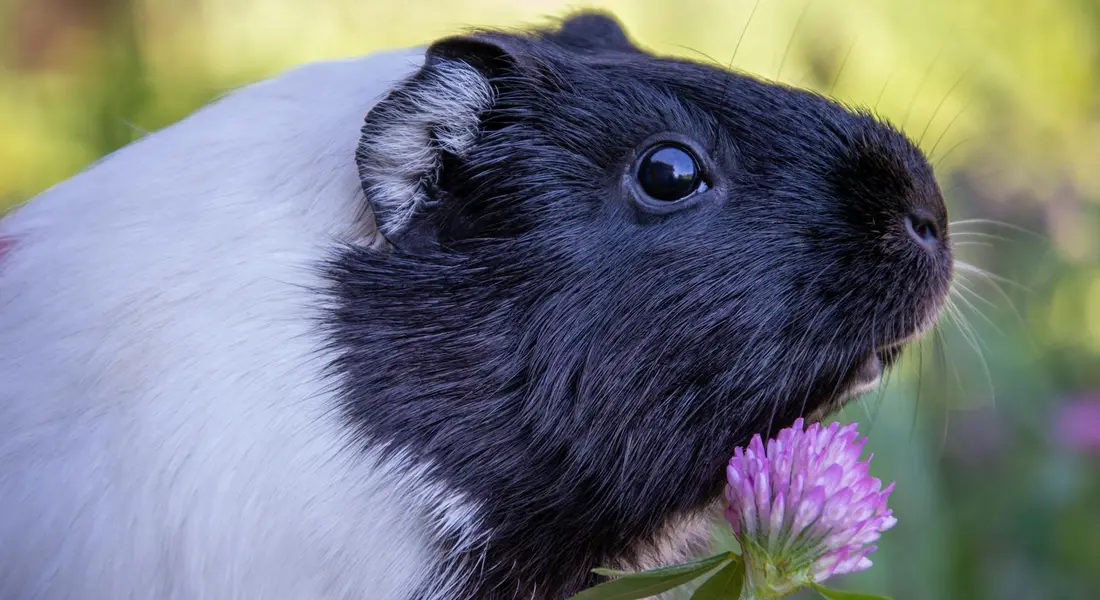
Summer-Specific Risks
Heat and humidity bring a unique set of challenges. You might notice your guinea pig scratching more often. Hot, moist skin folds are a perfect breeding ground for fungal infections, which often show up as flaky, bald patches. My vet once pointed out a small patch on Pepper’s back that I had missed. Flystrike is a severe, fast-moving risk in summer; always check their rear end is clean, as flies are attracted to any soiling. Fleas and mites also thrive in warm weather. A dusty, scurrying appearance on their skin or excessive hair loss are red flags.
Winter-Specific Risks
Cold air is notoriously dry, and this can wreak havoc on your pet’s skin. I’ve seen Biscuit’s skin get a bit flaky in winter, a common sign the air lacks moisture. Static from low humidity can make their fur stand on end and cause mild skin irritation. Those thick winter coats can also hide problems. Part the fur regularly and look for dry, itchy skin or small scabs. A lack of fresh air circulation can sometimes lead to minor skin issues, so ensure their space is well-ventilated without being drafty. If you see persistent scratching or any sores, a vet visit is essential.
When to Seek Professional Grooming Help
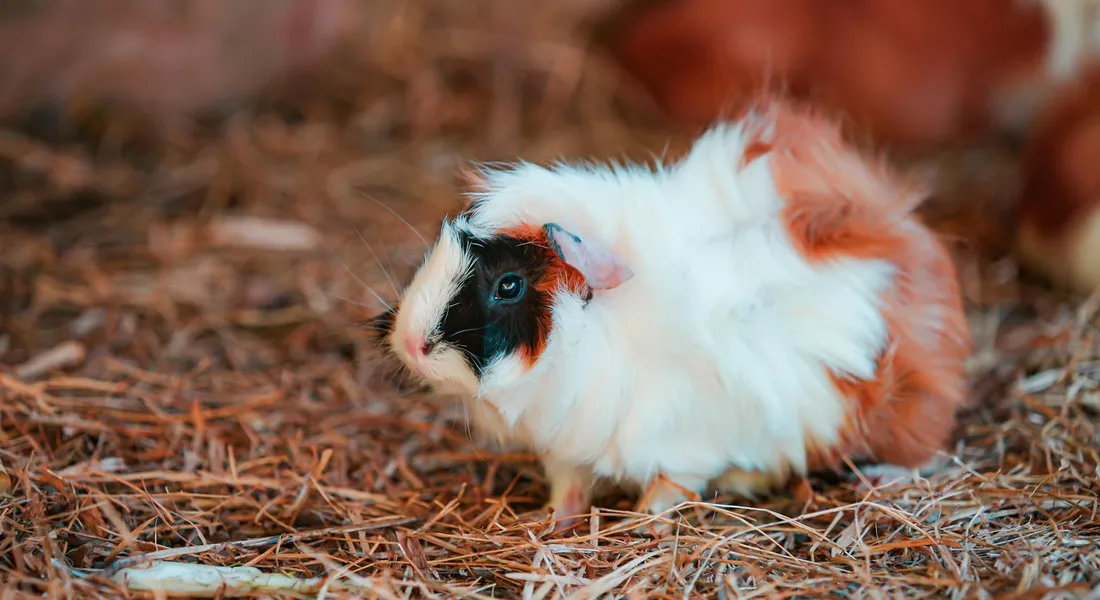
Even with regular home grooming, there are times when your guinea pig needs expert care. If you notice stubborn mats, overgrown nails, or skin issues, it’s time to seek professional grooming help for your guinea pig. A professional can safely handle delicate areas and give your pet the care they need. Recognizing these moments early can save your pet from pain and stress, something I learned firsthand with my trio-Pepper, Clover, and Biscuit.
Key Signs You Should Call a Pro
Watch for these red flags that mean it’s time to get professional help:
- Thick, tangled mats that you can’t gently comb out, especially in long-haired types like Biscuit.
- Skin sores, redness, or bald spots that stick around after basic cleaning.
- Nails growing so long they curl or make walking difficult for your guinea pig.
- Your pet showing fear or aggression during grooming, which could signal hidden discomfort.
With Clover’s thoughtful nature, I once missed early matting that led to a minor skin issue. Getting a groomer involved quickly prevented it from worsening and taught me to be more vigilant.
Seasonal Triggers for Professional Care
Summer heat can spike grooming needs. For instance, Pepper’s dense coat traps moisture, raising the risk of fungal infections. A pro trim helps keep air flowing and reduces overheating dangers in warm months.
Winter brings dry air that may cause flaky skin or static in fur. Biscuit’s reserved personality means he hides discomfort, so I rely on experts for deep conditioning. Seasonal shifts often demand specialized skills to maintain your guinea pig’s well-being.
Steps to Take Before Booking an Appointment
- Check your guinea pig’s coat and skin daily for changes-gentle handling builds trust.
- Try simple home fixes, like a damp cloth for minor dirt, but stop if resistance grows.
- Research local groomers with small-animal experience to ensure they use safe, calm methods.
From caring for my guinea pigs, I’ve found that a proactive approach avoids emergencies. Always prioritize your pet’s comfort over DIY efforts when in doubt.
FAQs
Where can I find guinea pig grooming near me?
Start by searching online for local pet stores, veterinary clinics, or small animal groomers that specialize in exotic pets. You can also ask for recommendations from fellow guinea pig owners in online forums or community groups to find trusted professionals. If you’re specifically seeking a guinea pig vet, look for an exotic veterinarian near you who lists guinea pigs as a supported species. Call ahead to confirm they treat guinea pigs and offer urgent care if needed.
What is the cost of guinea pig grooming?
Basic grooming services like nail trimming or a full groom typically range from $20 to $50, depending on your location and the groomer’s expertise. Additional treatments, such as dematting or specialized care for long-haired breeds, may increase the overall cost.
What guinea pig grooming services are available?
Common services include nail trimming, fur clipping, bathing, and detangling mats, often tailored to your guinea pig’s breed and coat type. Some groomers also offer health inspections or conditioning treatments to address seasonal skin issues like dryness or irritation. For home care, a guinea pig grooming guide can walk you through nail trimming and bathing basics to help you care for your pet between visits.
Your Guinea Pig’s Seasonal Grooming Success
From caring for Pepper, Clover, and Biscuit, I’ve seen that summer demands frequent brushing to handle shedding and prevent overheating, while winter calls for gentler sessions to preserve their coat’s natural insulation. Adapting your grooming routine to the weather keeps your guinea pigs comfortable and reduces health risks year-round.
Stay curious about guinea pig care by researching eco-friendly options, like biodegradable brushes or natural shampoos, to minimize your environmental footprint. Your commitment to learning and making sustainable choices ensures a healthier life for your pets and our planet. Check out this routine for tips on keeping your guinea pigs clean naturally.
Further Reading & Sources
- Guinea Pig Grooming Guide
- How should I groom my guinea pigs? – RSPCA Knowledgebase
- Guinea Pig Grooming | Guinea Pig Health | Guinea Pigs | Guide | Omlet US
- Tips for Grooming Guinea Pigs in 2025: A Complete Care Guide
Kate is a passionate guinea pig owner and advocate for small pet welfare. With over a decade of experience caring for guinea pigs, she has become a trusted voice in the small pet community.
Uncategorized