Do Guinea Pigs Need Sunlight and Sunshine?
Published on: January 22, 2026 | Last Updated: January 22, 2026
Written By: Kate M. Callahan
Hello CavyFam! You’re probably wondering if your guinea pigs need to soak up some sun like we do. It’s a common concern, especially when you want to give your pets the very best life possible.
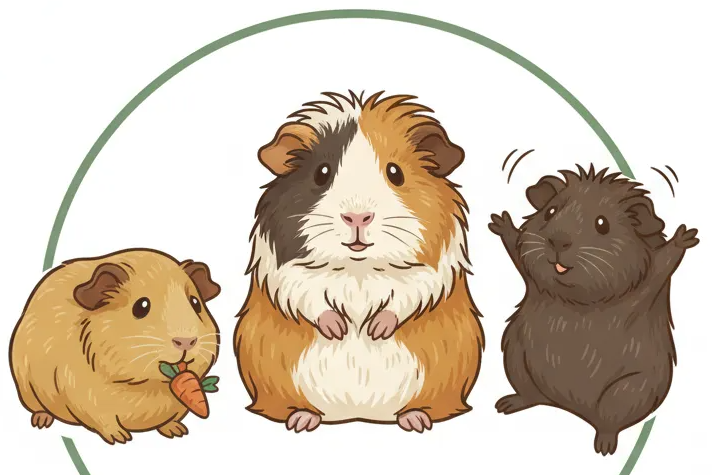
In this guide, we’ll cover the benefits of sunlight, the real risks of direct sun, how to provide safe vitamin D, and creating a perfect indoor habitat. I’ve learned all this through years of caring for my own herd-Pepper, Clover, and Biscuit-and I’m here to share that hands-on experience with you.
Understanding Guinea Pigs and Their Relationship with Sunlight
Guinea pigs have a deep, biological need for natural light that goes beyond just brightening their enclosure. Their internal body clocks, or circadian rhythms, are finely tuned to the sun’s daily cycle. I’ve noticed my own guinea pigs, Pepper and Clover, become noticeably more active and vocal when morning light fills the room, signaling it’s time for breakfast and play.
Sunlight directly shapes their daily routines and overall mood. Without a consistent light-dark cycle, your guinea pig can become lethargic or show changes in eating habits. Their wild cavy relatives spend parts of their day in sun-dappled areas, balancing basking with hiding in shaded burrows to avoid overheating. Normal guinea pig eating looks like frequent, small meals—mostly hay—throughout the day, with fresh vegetables offered in moderation. A regular light-dark cycle helps keep their appetite steady as well.
Observing my trio, I see how their behavior mirrors this ancient pattern. Providing a rhythm of light and dark helps maintain their natural instincts for when to be active and when to rest. It’s a simple way to support their mental and physical well-being right at home.
The Vital Role of Sunlight in Vitamin D Production
Sunlight plays a critical role in your guinea pig’s health through vitamin D synthesis. When their skin is exposed to the UVB rays in natural sunlight, it triggers the production of vitamin D3. This process is a natural and efficient way for their bodies to create this essential nutrient.
This self-made vitamin D is crucial for one primary function: calcium absorption. Without adequate vitamin D, your guinea pig cannot properly use the calcium from their diet, no matter how much healthy kale they eat. This can lead to weak bones and other health issues over time.
While specially formulated pellets and liquid supplements can provide vitamin D, nothing truly replicates the natural process. I always prefer to offer my guinea pigs safe, supervised sunshine sessions because it feels like the most complete and natural solution. Think of natural light as the primary source and supplements as a reliable backup for cloudy days or winter months.
Risks of Too Much Sun Exposure
-
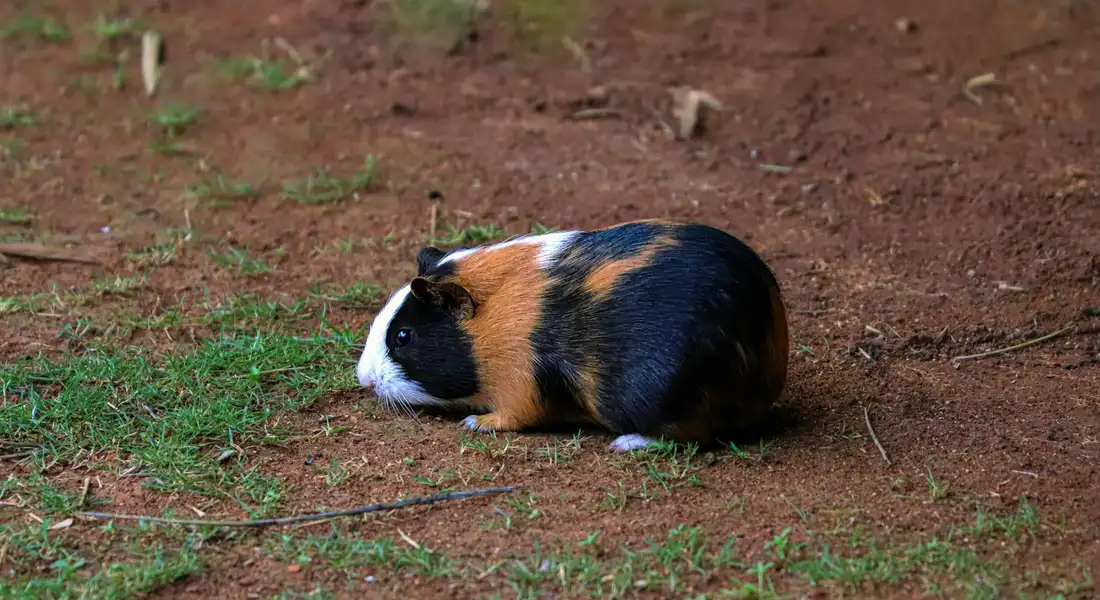
Heat stroke and overheating can sneak up fast on guinea pigs, who struggle to regulate their body temperature. I learned this the hard way when Pepper, my golden-brown American guinea pig, started panting heavily after just 20 minutes in direct sun. Their small bodies heat up quickly, leading to dehydration and organ stress if not addressed. Guinea pigs don’t handle heat well; overheating can come on fast. Keeping them cool and out of direct sun is essential to prevent heat-related illness.
Always watch for signs like heavy breathing or lethargy, as overheating can turn dangerous in minutes. Providing cool, fresh water and moving them to a shaded spot immediately is a lifesaver.
-
Sunburn isn’t just for humans-guinea pigs with lighter coats, like Clover’s light brown Abyssinian fur, are more prone to skin damage. Darker pigs like Biscuit, with his dark brown Peruvian coat, might have slight natural protection, but all can suffer from painful burns on ears and noses. Thin or sparse hair offers little shield, so even brief overexposure risks redness and discomfort.
From my own observations, Clover’s graceful demeanor shifts to agitation if she’s too warm, a clear signal to act. Using gentle barriers or limiting sun time helps prevent these issues altogether.
-
Spotting heat stress early means looking for subtle cues like drooling, restlessness, or refusing food. My guinea pigs, like gentle Pepper, often sprawl out flat when overheated, a behavior I now recognize as a red flag. Other signs include rapid breathing, warm ears, and reduced activity levels.
Keep a close eye during sunny periods, as these symptoms can escalate quickly. Immediate cooling with a damp cloth or moving to a cooler area can prevent worse problems.
-
Seek vet care right away if your guinea pig shows severe symptoms like seizures, unresponsive, or labored breathing. I once rushed Biscuit to the vet for lethargy and panting, and quick action saved him from heat exhaustion complications. If you notice a hibernation-like state—being very cold and unresponsive—this is a critical sign and you should seek urgent care. Remember that guinea pigs don’t truly hibernate, but sudden lethargy or immobility can signal life-threatening issues. Delaying treatment risks permanent harm or worse, so don’t hesitate to call a professional.
Trust your instincts-if something feels off, it’s better to be safe. Veterinary guidance ensures your pet gets the care they need without delay.
Safe Sunlight Practices for Indoor Guinea Pigs
-
Place cages near east or north-facing windows for gentle, indirect light that avoids harsh midday rays. I keep Pepper and Clover’s enclosure a few feet from the window, so they enjoy the brightness without direct exposure. Avoid south or west spots where sun intensity peaks, as it can overheat the space rapidly.
Rotate the cage occasionally to ensure even light distribution and prevent hot spots. This simple adjustment maintains a comfortable environment for curious pigs like Biscuit.
-
Limit sun sessions to 10-15 minutes during cooler parts of the day, like early morning or late afternoon. From my routine with my trio, short bursts of sunshine keep them happy without risking overheating. Longer exposure, especially in summer, invites trouble, so set a timer to stay on track.
Adjust timing based on season-winter sun is milder, while summer demands extra caution. Sticking to brief intervals supports their health and mimics natural, safe habits.
-
Create shaded zones in enclosures using cardboard boxes, towels, or hideouts where pigs can retreat. I DIY a cozy cave for Biscuit using an old shoebox, giving him a cool spot to nap away from the light. This allows them to self-regulate, moving between sun and shade as needed.
Monitor their behavior; if they’re hiding often, it’s a sign the setup needs more cover. Providing multiple shaded areas encourages natural exploration and comfort.
-
Use a thermometer to keep indoor temperatures between 65-75°F (18-24°C) and humidity under 70%. I check levels daily with a simple digital gauge, as high heat and moisture combo can stress even steady pigs like Pepper. Ventilate the room with a fan or cracked window to maintain airflow.
Regular checks help you spot trends and adjust before issues arise. For a weekly guinea pig care routine, this forms the backbone of the ultimate checklist for owners. Stable conditions prevent surprises and keep your guinea pigs thriving year-round.
Outdoor Sun Safety Guidelines
Secure Outdoor Enclosure Requirements
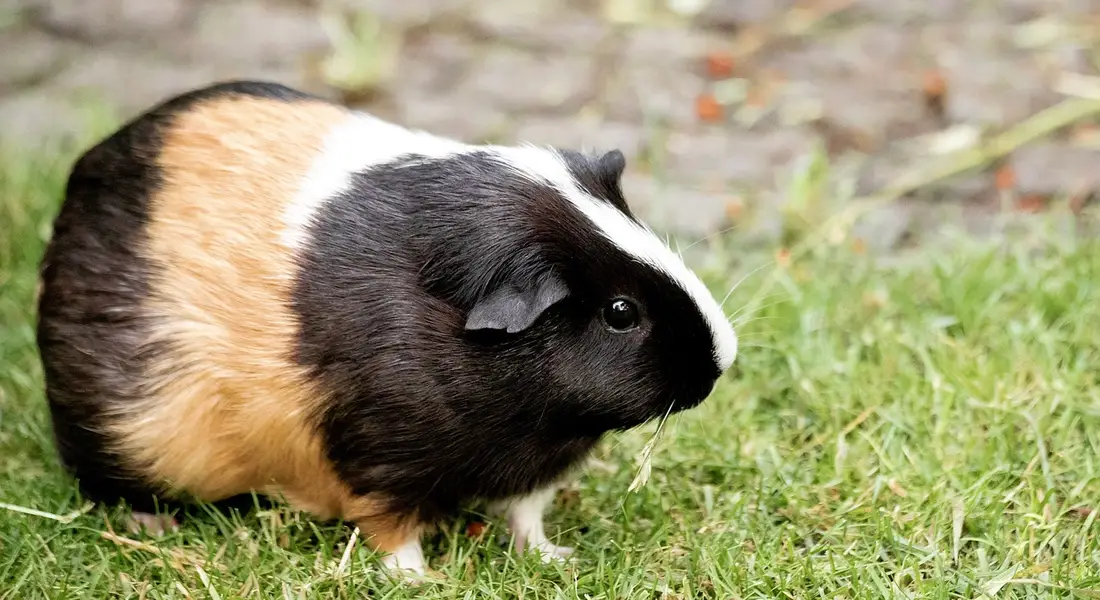
Your guinea pig’s outdoor space must be escape-proof and predator-resistant to keep them safe. I always use a sturdy, enclosed pen with a solid bottom and tight mesh sides when taking Pepper outside, as his curious nature could lead him to squeeze through gaps. This approach is part of preparing your home for your guinea pig’s entire lifespan. By investing in a safe setup now, you support their safety and comfort through all life stages. Opt for materials like heavy-duty plastic or treated wood that won’t rot easily, and ensure there’s a secure latch on any doors. Avoid wire floors that can hurt their delicate feet—instead, add a layer of safe bedding or grass.
Supervision Time Limits for Outdoor Sun Sessions
Limit sun exposure to short bursts to prevent overheating or stress. From my routine with Biscuit, I’ve learned that 15-20 minutes is the sweet spot for outdoor time, especially on warmer days. Guinea pigs can’t regulate their body temperature well, so longer sessions risk heatstroke. Their temperature needs matter too—guinea pigs thrive in a stable, moderate range, so provide shade and be ready to bring them indoors if it gets too warm. Always stay within arm’s reach to intervene if they show signs of discomfort, like heavy breathing or lethargy.
Weather Considerations and Seasonal Adjustments
Adjust outdoor plans based on temperature, humidity, and season to protect your pet. On hot summer days above 75°F, I skip sun sessions entirely for Clover, as she’s more prone to overheating due to her Abyssinian coat. In cooler months, choose midday when it’s warmer, but avoid windy or rainy conditions. Always check the forecast-sudden changes can be dangerous for these small animals.
Hydration and Enrichment During Outdoor Time
Keep your guinea pig hydrated and engaged to make outdoor trips enjoyable and safe. I always bring a small water bottle and fresh veggies like cucumber slices for Pepper, as the extra activity can make him thirsty quickly. This aligns with the ultimate guide to guinea pig foraging toys and activities, which emphasizes enrichment through foraging challenges. Include hideaways or tunnels in the enclosure to reduce stress, and rotate toys to encourage natural behaviors like exploring and nibbling.
Artificial Light Versus Natural Sunlight
Benefits and Limitations of Full-Spectrum Lighting
Full-spectrum bulbs mimic natural sunlight and can support vitamin D synthesis indoors. Using a quality full-spectrum light has helped Biscuit maintain a healthy appetite and coat during long winters when natural sun is scarce. However, these lights don’t fully replicate the benefits of real sunlight, such as mental stimulation from outdoor sounds and smells. Position the bulb 12-18 inches away to avoid overheating and replace it every 6-12 months as effectiveness dims.
Maintaining Consistent Daylight Cycles Indoors
Simulate a natural day-night rhythm to keep your guinea pig’s internal clock in sync. I set my indoor lights on a timer for 12 hours on and 12 hours off, which mirrors the cycles Pepper would experience outdoors. This consistency reduces stress and supports sleep patterns-avoid sudden changes in light exposure, as it can disrupt their eating and activity habits.
Combining Artificial Light with Limited Natural Exposure
Balance both light sources to maximize health benefits without over-reliance on either. On sunny days, I give Clover brief supervised outdoor time, then supplement with artificial light indoors to maintain vitamin D levels. Rotate between near a window for indirect light and using full-spectrum bulbs, but never place the cage in direct sun through glass, as it can trap heat and cause burns.
Health Monitoring Under Different Light Conditions
Watch for changes in behavior or appearance to gauge how light affects your guinea pig. Regularly check for signs like dull fur or low energy, which I’ve noticed in Biscuit if his light schedule is inconsistent. Keep a simple log of their activity and appetite—especially noting when they’re most active—to understand if their light exposure aligns with their natural rhythms. If issues arise, adjust light duration or consult a vet to ensure they’re getting the right balance for their well-being.
FAQs
Should guinea pigs get sunlight through a window?
Yes, guinea pigs can benefit from indirect sunlight through a window, as it provides natural light without direct exposure risks. Avoid placing the cage in direct sun through glass to prevent overheating and potential burns.
Is natural sunlight better than artificial light for guinea pigs?
Natural sunlight is generally better because it contains UVB rays that aid in vitamin D synthesis and mental stimulation. Full-spectrum artificial lights can supplement when natural sun is scarce but do not fully replicate its benefits.
What are signs that a guinea pig is getting too much sun?
Look for heavy breathing, lethargy, or panting, which are common indicators of overheating. Other signs include drooling, restlessness, or refusal to eat, requiring immediate cooling and shade.
Sunshine and Your Guinea Pig’s Well-Being
From my time with Pepper, Clover, and Biscuit, I’ve seen that guinea pigs thrive with indirect sunlight for vitamin D, not direct exposure. Always supervise outdoor time and provide shaded areas to keep them safe from overheating or burns, especially when they play on grass outside.
Keep growing as a pet owner by staying curious about guinea pig care and eco-friendly choices. Simple steps, like using biodegradable bedding, help protect both your pets and the planet for years to come. To learn more, see our ultimate guide: safe bedding options for guinea pigs. It covers safe materials, dust considerations, and disposal tips.
Further Reading & Sources
- How Much Sunlight Should a Guinea Pig Get? | Guinea Pig Tips
- Do Guinea Pigs Need Sunlight? [What Are Their Requirements]
- Do cavies need natural sunlight? – Guinea Lynx Forums
- Do Guinea Pigs Need Sunlight? Vet-Verified Facts & FAQ | PangoVet
Kate is a passionate guinea pig owner and advocate for small pet welfare. With over a decade of experience caring for guinea pigs, she has become a trusted voice in the small pet community.
Uncategorized