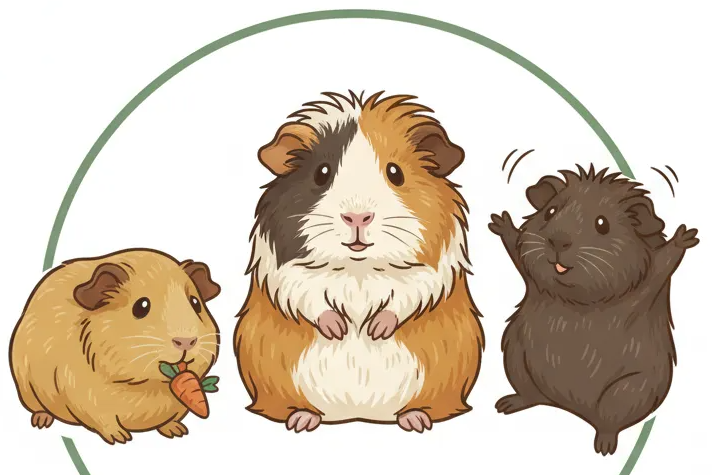
Guinea Pig Bonding Behaviors Explained: What They Mean
Published on: January 26, 2026 | Last Updated: January 26, 2026
Written By: Kate M. Callahan
Hello CavyFam, have you ever watched your guinea pigs interact and felt unsure if their actions show friendship or friction? It’s completely normal to worry about misreading their bonding signals and whether they’re truly happy together.
In this guide, I’ll walk you through the key behaviors to observe, focusing on purring, rumbling, chasing, grooming, and vocalizations. Having raised guinea pigs like Pepper, Clover, and Biscuit for years, I’ve learned to interpret their unique ways of connecting firsthand.
The Essence of Guinea Pig Bonding
Guinea pig bonding is the gradual process of building social connection and deep trust between your pets. This isn’t just about sharing a cage; it’s about creating a shared language of safety and companionship.
Bonding is absolutely vital for their emotional health. A well-bonded guinea pig is a confident, less-stressed, and visibly happier animal. I’ve seen this firsthand with my trio; Pepper, Clover, and Biscuit rely on each other for comfort in a way I simply cannot replicate.
This socialization fulfills their fundamental need for affection. It transforms them from solitary occupants into a true herd, providing a constant source of comfort and security.
Affectionate Behaviors: Reading the Signs
When guinea pigs accept each other, they show it in beautifully clear ways. Mutual grooming, where they gently nibble and lick each other’s fur, is a top sign of trust and affection. Understanding these grooming cues helps you read their social bonds. This is a key part of understanding guinea pig grooming behaviors and social bonding.
Nuzzling is another heart-melter. When one pig gently nudges another with its nose, it’s often a request for attention or a simple check-in. It’s their way of saying, “I’m here, and you’re safe with me.”
Snuggling and huddling together are the ultimate displays of comfort. Finding your pigs curled up in a single hidey is a sure sign they find profound solace in each other’s presence. My Abyssinian, Clover, often initiates these cozy piles.
Physical Closeness and Grooming
Simply choosing to be near one another is a powerful signal. Bonded guinea pigs will eat, sleep, and explore while maintaining a comfortable proximity. They share their space without tension. These signs are good indicators that the pair bond is healthy. Consistent closeness and calm interactions over time usually signal a strong, well-adjusted pair.
Organized grooming sessions are a cornerstone of their relationship. One pig will lower its head, offering its neck and ears, an incredibly vulnerable and trusting position. The groomer then meticulously cleans those hard-to-reach spots. Grooming needs vary by breed—short-haired pigs require less brushing, while long-haired ones need more detangling. Adjusting sessions to coat type keeps both comfortable and calm.
This shared care does more than just keep them clean. Grooming actively builds affection and dramatically reduces stress hormones for both participants. I often watch my Peruvian, Biscuit, patiently groom the more steady Pepper.
Vocalizations and Body Language
Their communication extends far beyond silence. A low, gentle rumble, often called “purring,” usually indicates contentment, especially when lounging together.
Listen for soft, chirruping sounds during calm interactions. These quiet vocalizations are like a running commentary of reassurance between friends.
Body language speaks volumes. A nose-to-nose greeting is the guinea pig equivalent of a friendly handshake, a non-threatening way to say hello and confirm identity. You might also see them gently touch noses before settling down to rest.
Social Dynamics: Play and Interaction

Guinea pigs express their friendships through playful antics that look like miniature tag or follow-the-leader. You’ll often see one guinea pig initiate a gentle chase, where the other willingly runs just a few paces ahead before they both stop and popcorn in excitement. My guinea pig, Clover, will sometimes perform a graceful leap right after Biscuit gives her a playful nudge.
Gentle mounting is another common part of their social play, not always related to mating. This behavior is usually brief and accepted without any fuss, serving as a simple way to reinforce the social hierarchy in a non-threatening manner. I’ve watched Pepper gently mount Biscuit, who simply shuffles away after a second to munch on a piece of lettuce, completely unbothered.
Play is the glue that strengthens their bond and teaches them how to communicate. These interactions build trust and familiarity, making their shared environment a source of comfort and security rather than competition. It’s their way of saying, “We’re friends, and we’re comfortable together.”
Sharing is a huge indicator of a strong bond. When guinea pigs voluntarily eat side-by-side from the same pile of hay or take turns nibbling on a single piece of parsley, it demonstrates a deep level of trust and companionship. My trio will often pass a favorite toy between them, with Clover carefully nudging a willow ball toward Pepper for her turn.
Warning Signs: Dominance and Stress
While some assertiveness is normal, certain behaviors signal rising tension. Loud, rapid teeth chattering is a clear warning that a guinea pig feels threatened or is aggressively telling another to back off. This sound is very different from the soft, contented purring you hear during a gentle petting session.
It’s crucial to differentiate between establishing a pecking order and harmful stress. Normal dominance includes brief rumble strutting or light nudging, while harmful stress involves persistent chasing, blocking access to food, or causing one guinea pig to hide constantly. I once had to temporarily separate two new pigs because one would not let the other eat, which is a definite red flag. Understanding guinea pig dominance hierarchies helps you interpret these signals and intervening when needed. A solid grasp of the hierarchy supports a calmer, healthier living dynamic.
Excessive, forceful mounting becomes problematic when the recipient tries to escape or squeals in distress. If one guinea pig is constantly harassed and denied rest, it’s a sign of bullying, not playful social interaction, and requires your intervention. Watch for the one being mounted; if they look stressed or try to flee, it’s time to step in.
All guinea pigs scent-mark, but it can indicate anxiety. When scent-marking becomes constant, frantic rubbing on every object and cage mate, it often points to an unsettled environment or a challenge to the established social order. A confident, bonded guinea pig will mark its territory calmly, not obsessively.
Fostering Friendship: Tips for Bonding
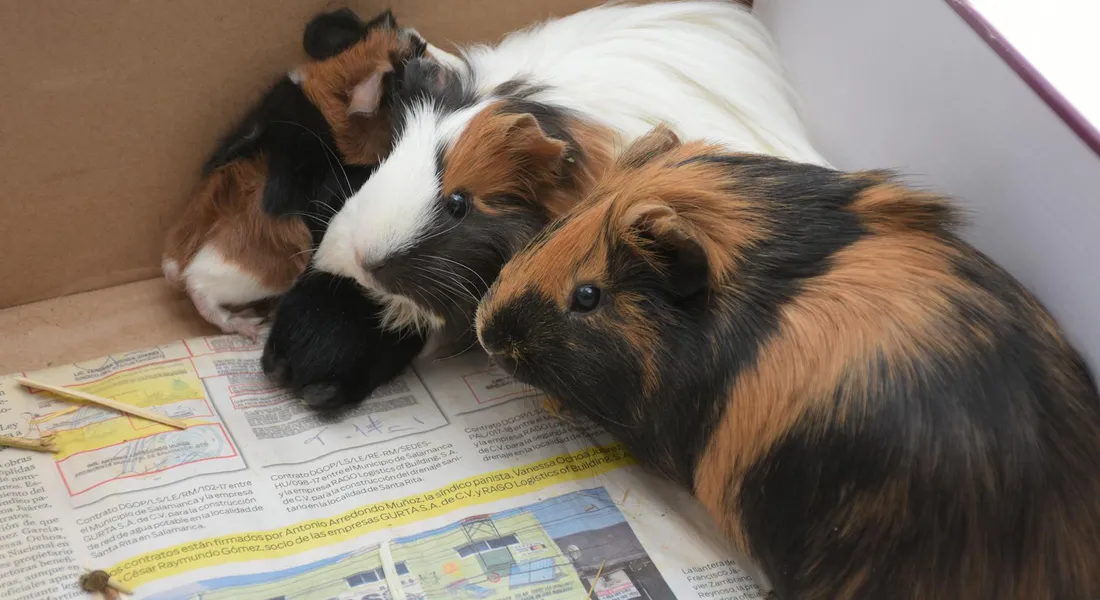
- Start with slow introductions to build tolerance.
I always begin by placing new guinea pigs in separate but adjacent cages for a few days. This gradual approach lets them get used to each other’s scent and sounds without direct contact. With my guinea pigs, Pepper and Clover, I noticed they started making soft, curious noises after just two days, which told me they were ready for the next step.
- Use treat training and positive reinforcement.
Offer small, healthy treats like bits of bell pepper or cilantro when they interact peacefully. Positive reinforcement helps them associate each other with good experiences, reducing fear or aggression. Biscuit, my reserved Peruvian, became much more open to sharing space after I consistently rewarded calm behavior with her favorite veggies.
- Provide enrichment like hideouts to encourage play and sharing.
Set up multiple hideouts, tunnels, and toys in a neutral area to prevent resource guarding. Enrichment activities stimulate natural behaviors and give them safe spots to retreat if they feel overwhelmed. I’ve seen Clover and Pepper take turns exploring a cardboard tunnel, which built their confidence around each other.
- Respect individual preferences for pacing.
Some guinea pigs bond quickly, while others need weeks or months. Pushing them too fast can cause stress, so watch for signs like relaxed postures or mutual grooming as green lights to proceed. Biscuit’s thoughtful nature meant I had to slow down introductions, but her eventual bond with the others was worth the patience.
Human-Guinea Pig Bonding
- Explain how to build trust with humans through gentle handling.
Begin by sitting near their cage and talking softly, then progress to slow, supported holds. Gentle handling prevents injuries and shows your guinea pig that you’re a source of safety, not stress. When I first held Pepper, I made sure to support her entire body, and her steady demeanor helped her relax in my hands over time.
- Include steps for using voice and treats to foster affection.
- Speak in a calm, high-pitched tone daily to get them familiar with your voice.
- Offer treats from your hand to create positive associations.
- Repeat these steps consistently to build a routine they can trust.
Combining voice cues with rewards encourages them to see you as a friend who brings comfort and joy. Clover now perks up and wheeks happily when she hears my voice, especially if I have a treat ready.
- Discuss reading their body language for comfort levels.
Watch for relaxed ears, soft purring, or exploratory sniffing as signs they feel safe. Recognizing these cues helps you adjust your actions to keep interactions positive and stress-free. If Biscuit starts hiding or chattering her teeth, I give her space, which has deepened our bond by showing I respect her boundaries.
Bonding Accessories and Tools
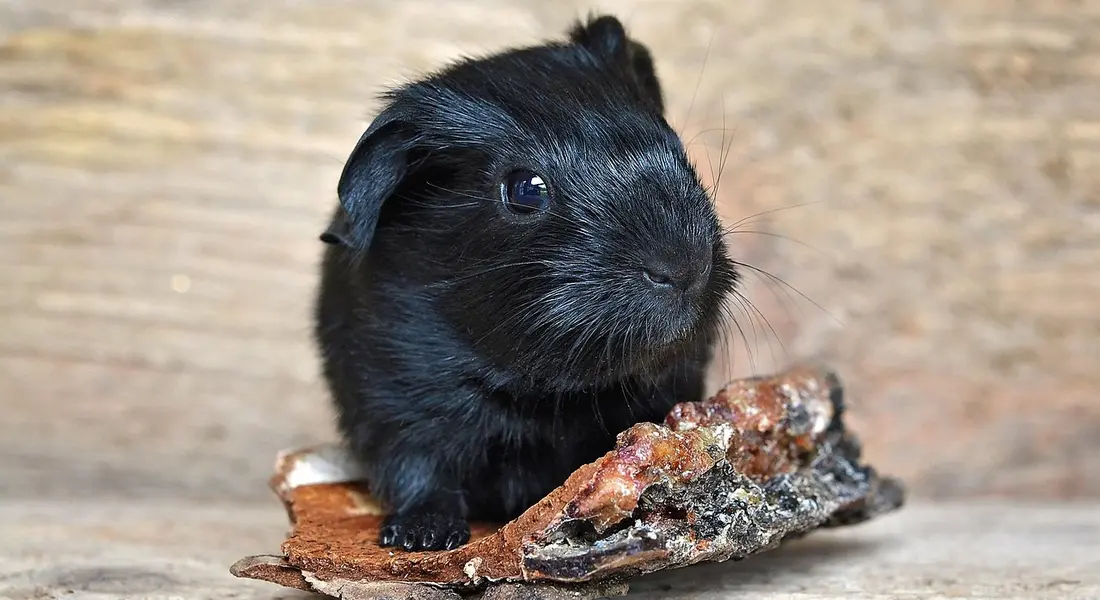
Using the right accessories can make bonding smoother and safer for your guinea pigs. I’ve found that items like bonding pouches or soft scarves provide a cozy, secure space that mimics the comfort of being close to another pig. These tools help reduce initial fear and encourage positive interactions.
- Bonding pouches are small, wearable bags that let you keep a guinea pig close while moving around, which builds trust through gentle motion and warmth.
- Soft scarves or fleece wraps can be draped over your lap or shoulders, creating a safe spot for guinea pigs to snuggle together without feeling exposed.
- Portable playpens or divided cages allow controlled introductions, letting pigs see and smell each other before full contact.
Choose accessories made from breathable, non-toxic materials to prevent overheating or irritation. Always test items in short sessions to see how your guinea pigs react, as forcing them can lead to stress. For example, with my guinea pig Biscuit, who’s reserved, I started with a lightweight scarf for just 10 minutes at a time to avoid overwhelming her.
Focus on comfort by picking items that are easy to clean and free of loose threads or sharp edges. Safety comes first-avoid anything that could trap limbs or cause discomfort, and never leave guinea pigs unsupervised in bonding tools. In the ultimate guide to safe bedding options for guinea pigs, prioritize absorbent, dust-free bedding like paper-based products or fleece liners. Avoid cedar and pine shavings, which can irritate their respiratory systems.
Troubleshooting Bonding Issues
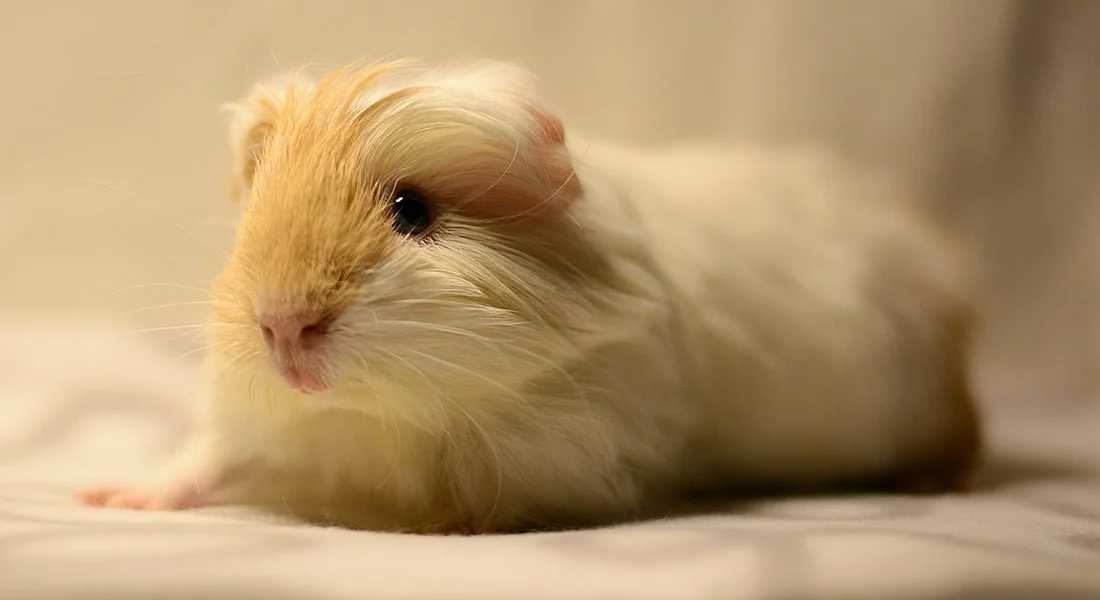
Bonding doesn’t always go smoothly, and it’s normal to face hurdles like lack of tolerance or aggression. If your guinea pigs show signs like chasing, teeth chattering, or hiding, it’s a signal to slow down and reassess. From my experience, Pepper and Clover had a rocky start with mild nipping, but patience and adjustments helped them bond over time.
- Lack of tolerance often appears as one pig avoiding another or refusing to share space-this might mean they need more gradual introductions.
- Aggression, such as lunging or biting, usually stems from fear or territorial disputes and requires immediate separation to prevent injury.
- Stress behaviors like excessive squeaking or reduced eating can indicate the bonding process is moving too fast.
Reassess introductions by going back to basics. Start with short, supervised meetings in a neutral area where neither pig feels ownership, and use treats to encourage positive associations. If issues persist, consider seeking advice from a guinea pig-savvy vet or rescue group for tailored support.
- Separate the guinea pigs temporarily to reduce tension and allow a cooling-off period.
- Reintroduce them slowly over days or weeks, using scent swapping by exchanging bedding to familiarize them with each other’s smell.
- Monitor body language closely-relaxed postures and mutual grooming are good signs, while raised fur or loud noises mean to pause.
Consult a vet if you notice prolonged stress symptoms like weight loss, lethargy, or changes in droppings, as these could point to health issues. If you’re unsure whether your guinea pig is stressed or anxious, watch for signs like hiding, reduced appetite, or increased grooming. Early intervention can prevent long-term problems and ensure your guinea pigs stay healthy and happy.
FAQs
What is guinea pig bonding?
Guinea pig bonding is the process of building trust and social connection between your pets through gradual, supervised interactions. It helps them form a harmonious relationship, reducing stress and promoting emotional well-being. When introducing new guinea pigs, the goal is to successfully bond them through careful, patient steps. With steady progress and close supervision, you can help them form a lasting friendship.
How do you bond a guinea pig with humans?
Start by spending quiet time near their cage and offering treats from your hand to create positive associations. Use gentle handling and a calm voice to build trust, ensuring your guinea pig feels safe and secure with you. This is part of properly caring for guinea pigs.
What is a guinea pig bonding pouch?
A guinea pig bonding pouch is a small, wearable bag designed to hold your pet close to your body for warmth and security. It encourages bonding by providing a cozy, safe space that mimics the comfort of being near another guinea pig.
Can male guinea pigs bond?
Yes, male guinea pigs can bond successfully with proper introductions and a spacious, enriched environment. Monitoring for mild dominance behaviors is key to ensuring a peaceful, long-term relationship between them. Many boars can share a cage peaceably with proper introductions and plenty of space. If aggression persists, a temporary split cage or separate housing may be needed.
Where can I find guinea pig bonding near me?
Check with local guinea pig rescues, veterinarians, or pet stores that may offer bonding services or guidance. Online communities and social media groups dedicated to guinea pig care can also provide recommendations and support in your area.
Creating Lasting Bonds with Your Guinea Pigs
Pay close attention to behaviors like gentle nuzzling or shared resting spots to gauge their comfort and connection. Responding patiently to their cues helps build trust and reduces stress in their daily interactions.
Keep exploring new ways to care for your pets responsibly, such as using eco-friendly bedding or sourcing local veggies. Your ongoing commitment to learning and sustainability enriches their lives and supports a healthier environment.
Further Reading & Sources
- Guinea pig bonding basics | Animal Humane Society
- The Ultimate Guide to Guinea Pig Bonding and Pairing
- How to introduce guinea pigs – PDSA
- Guinea Pig Bonding: A Step-By-Step Guide | Small Pet Select Blogs | Small Pet Select
Kate is a passionate guinea pig owner and advocate for small pet welfare. With over a decade of experience caring for guinea pigs, she has become a trusted voice in the small pet community.
Uncategorized