Should You Keep a Single Guinea Pig or Get a Friend?
Published on: January 27, 2026 | Last Updated: January 27, 2026
Written By: Kate M. Callahan
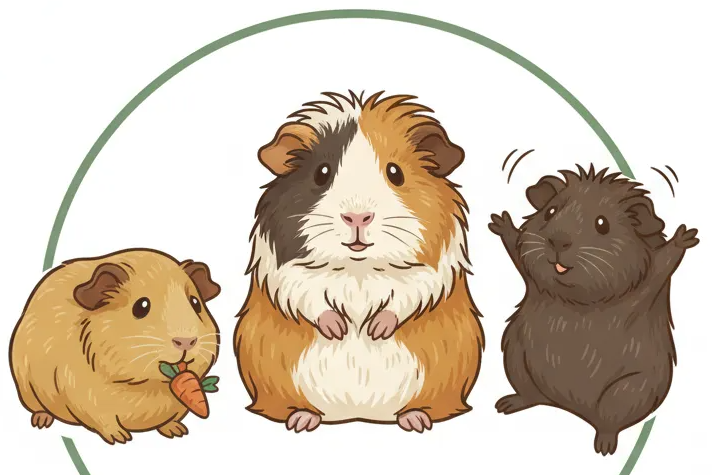
Hello CavyFam! You’re probably wondering if your guinea pig is truly happy alone or secretly longing for a buddy. It’s a question I’ve asked myself many times while watching my own herd of three.
In this article, we’ll explore guinea pig social needs, signs of loneliness, introducing companions, and single-pig enrichment strategies. Having cared for Pepper, Clover, and Biscuit through various life stages, I’ve seen firsthand how their relationships impact their wellbeing.
Understanding the Social Nature of Guinea Pigs
In the wild, guinea pigs live in small, chatty herds for safety and companionship. This deep-seated herd instinct means your pet is hardwired for social interaction and feels most secure with another guinea pig nearby. I’ve seen this firsthand with my own trio; Pepper, Clover, and Biscuit constantly communicate with soft purrs, wheeks, and gentle nudges.
My Abyssinian, Clover, is naturally graceful and thoughtful, but she truly blossoms when interacting with the others. Observing their daily social rituals-like shared naps and synchronized popcorn jumps-shows me how vital this bond is for their emotional well-being. A single guinea pig lacks this constant, reassuring presence, which can deeply affect its spirit.
How Companionship Benefits Your Guinea Pig
- Mental Stimulation: They groom each other, play, and explore their environment together, preventing boredom.
- Emotional Security: Having a cage mate reduces fear during loud noises or unfamiliar situations.
- Natural Behaviors: Companionship encourages natural vocalizations and social hierarchies, which are essential for a happy pig.
- Physical Warmth: They often cuddle together for comfort and warmth, especially during cooler evenings.
Recognizing Signs of Loneliness and Stress in a Solo Guinea Pig
A lonely guinea pig will often tell you it’s unhappy through clear behavioral changes. One of the most heartbreaking signs is a general lack of energy or enthusiasm for things they usually enjoy, like fresh veggies or exploring a new play area. I noticed this with Biscuit before she was fully integrated with the others; she was much more reserved and hesitant. Understanding these signs can help you provide better care for your furry friend.
Key Behavioral Red Flags
- Excessive Vocalization: Constant, distressed wheeking or whining, even when food isn’t present.
- Lethargy and Hiding: Spending most of the day tucked away in a hidey-hole, showing little interest in surroundings.
- Over-grooming or Bar Chewing: Repetitive behaviors like chewing cage bars or pulling out their own fur signal chronic stress.
- Loss of Appetite: A disinterest in food is a serious sign of depression and requires immediate attention.
If you see these signs, it’s a powerful indicator that your guinea pig is craving the companionship of its own kind. By learning to interpret guinea pig body language, you can recognize when it needs a companion and how to support its social welfare. It also helps you read their body language—ears, posture, and vocalizations—to gauge comfort and needs. While you can provide immense love and care, you simply cannot replace the nuanced social language another guinea pig offers. Their welfare depends on this fundamental connection.
The Clear Benefits of Keeping Two Guinea Pigs Together
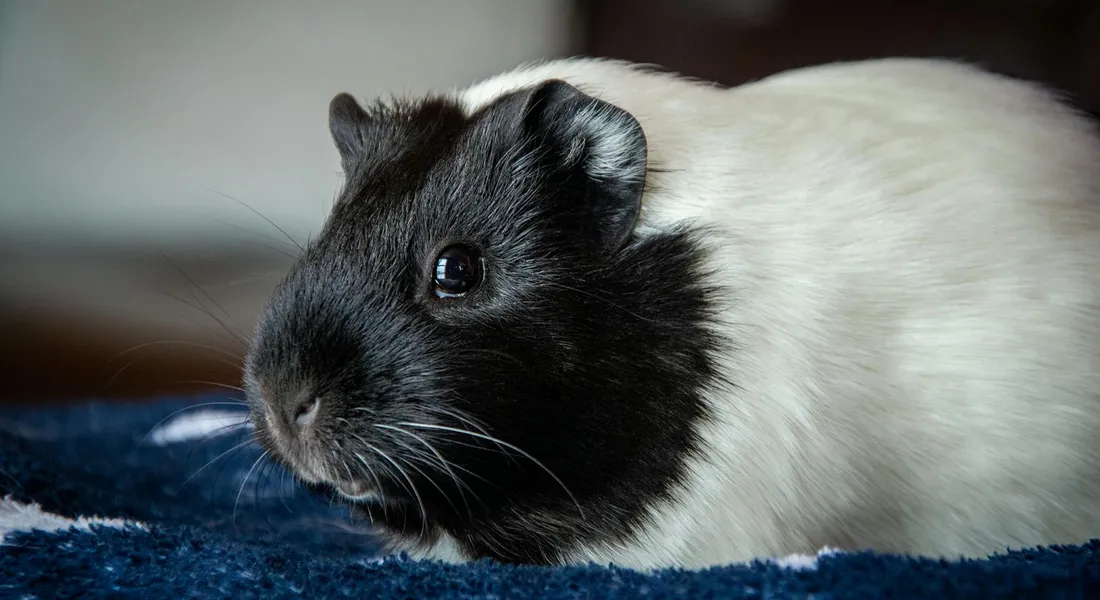
Guinea pigs are incredibly social creatures who thrive on interaction. Living with a companion directly combats the loneliness and boredom that can affect a solitary pig. I’ve watched my own guinea pigs, Pepper and Clover, spend their days chattering to each other, following one another around their habitat, and even sleeping side-by-side. Sometimes their play includes chasing or climbing on each other, which can puzzle new owners. Usually it’s normal social behavior—play, grooming, or establishing a gentle hierarchy rather than aggression.
This constant companionship provides vital mental stimulation. A pair will naturally engage in play, exploration, and communication that a single pig simply cannot replicate alone. You’ll notice more active and curious behaviors when they have a friend to share their world with.
Beyond the joy of watching them interact, there are practical health benefits. Guinea pigs living in pairs often exhibit less stress-related behavior, which can contribute to a stronger overall immune system. They also tend to be more active, helping to maintain a healthy weight.
Selecting a Compatible Cage Mate
Choosing the right friend is the most critical step for a harmonious pairing. The safest and most common successful pairing is between two females or a neutered male with one or more females. I’ve found that pairs of females, like my gentle Pepper and graceful Clover, often settle in together with minimal fuss.
Consider both age and personality when making your choice. Pairing a young, energetic guinea pig with a much older, sedentary one can sometimes lead to friction, as their energy levels differ. Look for a companion with a complementary temperament to your current pig.
Always prioritize health and safety by arranging a proper introduction process. A slow, supervised introduction in a neutral space is non-negotiable for preventing territorial disputes and ensuring a positive first meeting. Rushing this step can create long-term problems.
Essential Steps for Successfully Introducing a New Guinea Pig
A proper introduction sets the foundation for a lifelong friendship. Never simply place a new guinea pig into the established cage of another, as this is a direct invitation for a territorial fight. I learned this the hard way early on and now always follow a careful process.
- Start by housing the new pig in a separate but adjacent cage for about a week. This allows them to get used to each other’s sounds and smells safely.
- Prepare a completely neutral area for the first face-to-face meeting. A bathtub, a playpen on the floor, or any space neither pig has claimed works perfectly.
- Scatter an abundance of fresh hay and multiple piles of vegetables around the neutral space. This encourages positive association and prevents food-guarding behavior.
- Supervise the interaction closely for at least an hour. Expect some normal dominance behaviors like rumble strutting, nose-raising, and gentle chasing.
- Only when they are comfortably ignoring each other or interacting peacefully for a full session should you consider moving them into a thoroughly cleaned, rearranged shared cage.
Be patient and let the guinea pigs set the pace; a successful bond can take several days of repeated, supervised sessions to form. Separating them at the first sign of minor squabbling can actually delay the process, so learn to distinguish between normal posturing and true aggression.
Creating a Stimulating Environment for a Single Guinea Pig

Living without a cage mate means your guinea pig relies entirely on you for social enrichment. I’ve found that a consistent daily routine of handling and interaction is the single most important factor for a happy solo pig. My first guinea pig, Pepper, was alone for a short time, and our bond deepened immensely during those weeks, highlighting the emotional commitment of guinea pig ownership.
Maximizing Human Interaction and Bonding
Your presence becomes their primary source of companionship. Dedicate at least an hour of focused time with your guinea pig outside their cage every day. Watching how they groom each other reveals their social bonding and comfort. Understanding these grooming cues can deepen your connection with them.
- Schedule two or three short, predictable handling sessions. Guinea pigs thrive on routine and will learn to anticipate your visits.
- Talk to them constantly in a gentle, soothing voice. I always chat with Clover while preparing her veggies; she now responds with happy chirps.
- Hand-feed favorite treats like cilantro or a small slice of bell pepper to build trust and positive associations.
- Create a safe, enclosed “floor time” area where they can explore and interact with you on their own terms.
This dedicated, one-on-one attention helps prevent the loneliness and boredom that can sometimes affect a solitary animal. You become their flock.
Practical Considerations for Housing a Pair of Guinea Pigs
While companionship is natural, successfully housing two guinea pigs requires thoughtful preparation. The most critical element is providing a cage large enough to give each pig their own space when needed. A cramped cage is a major source of tension, even for the best of friends. To build and set up a perfect guinea pig cage, start with a roomy, secure enclosure. Then plan a layout that gives both pigs space and safe zones, with easy cleaning in mind.
A pair of guinea pigs needs a minimum of 10.5 square feet, but I always recommend going bigger. My two girls, Biscuit and Clover, live happily in a 13-square-foot enclosure. This is part of our complete space requirements guide on the right cage size for guinea pigs.
- Ensure there are multiple hideaways, food bowls, and water bottles to prevent resource guarding.
- Always introduce two guinea pigs in a large, neutral territory neither has claimed.
- Be prepared for a bonding period that can include rumbling, chasing, and nose-offs as they establish hierarchy.
Properly housing a pair is an investment in space and resources, but it pays off in the joyful sight of them popcorning together. Always opt for a same-sex pair or have one (or both) neutered to prevent unexpected litters and support animal welfare by not contributing to overpopulation.
FAQs
How long can a guinea pig be left alone?
Guinea pigs should not be left alone for more than 24 hours without human interaction. They rely on daily feeding, water changes, and social contact to prevent stress and health issues. Even with proper care, it’s important to understand how to properly care for guinea pigs to ensure they remain healthy and happy.
Is it safe to leave a guinea pig alone for two days?
Leaving a guinea pig alone for two days is risky and not advised due to their need for fresh vegetables and clean water daily. Always arrange for a caregiver to check on them to ensure their well-being, especially when you’re away on vacation.
What should I do if my guinea pig’s companion dies?
After a companion’s death, provide extra attention and monitor for signs of grief like reduced activity or appetite. Consider introducing a new guinea pig friend gradually to help ease their loneliness.
Your Guinea Pig’s Happiness Is What Matters Most
Guinea pigs are profoundly social creatures who thrive with a same-species friend, making a bonded pair the best choice for their wellbeing. If you must keep a single guinea pig, you become their entire social world, requiring hours of dedicated interaction every single day. When you notice bonding behaviors like grooming or sharing space, you may wonder what they really signify. Do these common guinea pig bonding behaviors mean your pigs are truly bonded?
We encourage you to keep learning about their complex needs and consider eco-friendly bedding and toy options for a healthier habitat. Providing a stimulating, loving home, whether for one pig or a small herd, is the ultimate goal of responsible pet ownership.
Further Reading & Sources
- Guinea Lynx :: Companionship
- Guinea Pig Companionship | Bonding & Handling | Burgess Pet Care
- Keeping Guinea Pigs Together | RSPCA – RSPCA – rspca.org.uk
- Guinea Pig Companionship | Bonding with your guinea pigs | Guinea PIg Awareness Week
Kate is a passionate guinea pig owner and advocate for small pet welfare. With over a decade of experience caring for guinea pigs, she has become a trusted voice in the small pet community.
Uncategorized