Is My Guinea Pig Depressed? Spotting the Signs of Low Mood
Published on: March 19, 2026 | Last Updated: March 19, 2026
Written By: Kate M. Callahan
Hello CavyFam! Have you ever watched your guinea pig and felt a pang of worry that they might be sad or withdrawn? I’ve been there too, staring at my own piggies and wondering what’s going on in their little minds.
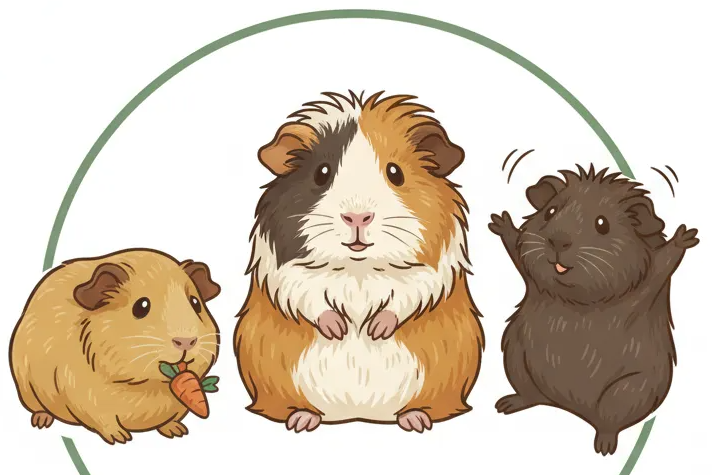
In this article, I’ll break down common symptoms of depression, how to rule out health issues, and easy steps to boost their happiness. With years of hands-on care for guinea pigs like Pepper, Clover, and Biscuit, I’ve learned to read their moods like a familiar story.
Key Signs Your Guinea Pig Might Be Depressed
Guinea pigs are naturally expressive creatures, and a shift in their usual behavior is often the first clue something is wrong. I’ve learned to watch my trio-Pepper, Clover, and Biscuit-like a hawk for these subtle changes.
Changes in Vocalization and Communication
Your guinea pig has a whole language of squeaks, purrs, and rumbles. A depressed piggy often falls silent. A quiet guinea pig is one of the most telling signs of a low mood.
- No more excited “wheeking” at the sound of the fridge or a crinkling bag.
- Fewer contented purrs during gentle petting sessions.
- Less chattering and rumbling, which are normal social sounds.
Loss of Appetite and Interest in Food
This is a major red flag. A happy guinea pig is a hungry guinea pig. If your pet stops rushing to greet their favorite veggies, it’s time to pay very close attention. I once noticed Clover ignoring her fresh parsley, which was so unlike her, and it prompted an immediate vet visit.
- Leaving behind pellets or hay that they would normally devour.
- Showing no excitement for treats like bell pepper or cilantro.
- Noticeable weight loss over a short period.
Lethargy and Hiding Behavior
While guinea pigs need hideaways to feel secure, constant hiding is different. Depression often looks like a profound lack of energy and a desire to be completely alone.
- Spending all day tucked in a corner or inside a hut, rarely coming out.
- Moving slowly or appearing uninterested in exploring their cage.
- Not running for the food dish or reacting to your presence.
Poor Grooming and a Dull Coat
Guinea pigs are typically fastidious groomers. When they feel low, self-care is often the first thing to go. A messy, unkempt coat is a visible cry for help from your little friend. Biscuit, my Peruvian, once had a patch of matted fur during a stressful time, a clear sign he wasn’t himself. If mats or overgrown fur appear, seek professional grooming help for your guinea pig. A veterinarian or experienced small-animal groomer can safely remove mats and trim nails while checking for skin issues.
- Ruffled, spiky fur that isn’t smoothed down.
- Visible droppings stuck to their back end.
- A general dullness or lack of shine to their coat.
Changes in Social Interaction
This depends on your guinea pig’s personality, but changes are key. A social piggy might become withdrawn, while a shy one might become unusually aggressive. Understanding your guinea pig’s temperament helps you tailor care. Spotting shifts in personality can signal stress or health issues.
- A normally friendly pig like Pepper avoiding your hand or running away.
- Increased irritability or chattering teeth when approached.
- In pairs or groups, one pig being ostracized or bullying others.
What Causes Low Mood in Guinea Pigs?
Guinea pigs are sensitive creatures, and their mood can dip for many reasons. Observing your pet’s daily environment and routine often reveals the root of their sadness. I’ve seen this firsthand with my own guinea pigs, Pepper, Clover, and Biscuit, whose distinct personalities mean they each react differently to stress. This is part of what makes guinea pigs good pets: understanding their personality helps you meet their needs. When you tune in to what each pig wants, you can build a trusting, long-lasting bond.
Common Triggers for Guinea Pig Sadness
- Loneliness and Lack of Companionship: Guinea pigs are herd animals by nature. A solitary life without a bonded cage mate can lead to profound loneliness and depression. My gentle Pepper became noticeably quieter after his previous companion passed away.
- Boredom and Lack of Stimulation: A plain cage with nothing to explore is a recipe for low mood. They need tunnels, hiding spots, and toys to keep their intelligent minds active. My thoughtful Clover loves nothing more than a new cardboard castle to investigate.
- Pain or Discomfort from Illness: Often, what looks like depression is actually pain. Dental issues, urinary tract infections, or arthritis can make a guinea pig withdrawn and lethargic. Any sudden change in behavior warrants an immediate vet visit to rule out underlying health problems.
- Stressful Environmental Changes: Moving to a new home, a change in their cage layout, or even loud noises from construction or parties can be very frightening. My reserved Biscuit hid for a full day after we simply rearranged the living room furniture.
- Inadequate Diet: A lack of fresh, vitamin C-rich vegetables like bell peppers and kale can impact their overall well-being and energy levels. A monotonous diet is both unhealthy and uninteresting for them.
- Grief from Loss: Guinea pigs form deep bonds. The loss of a cage mate is a significant emotional event, and they will need extra love and patience during this time.
Steps to Help a Depressed Guinea Pig
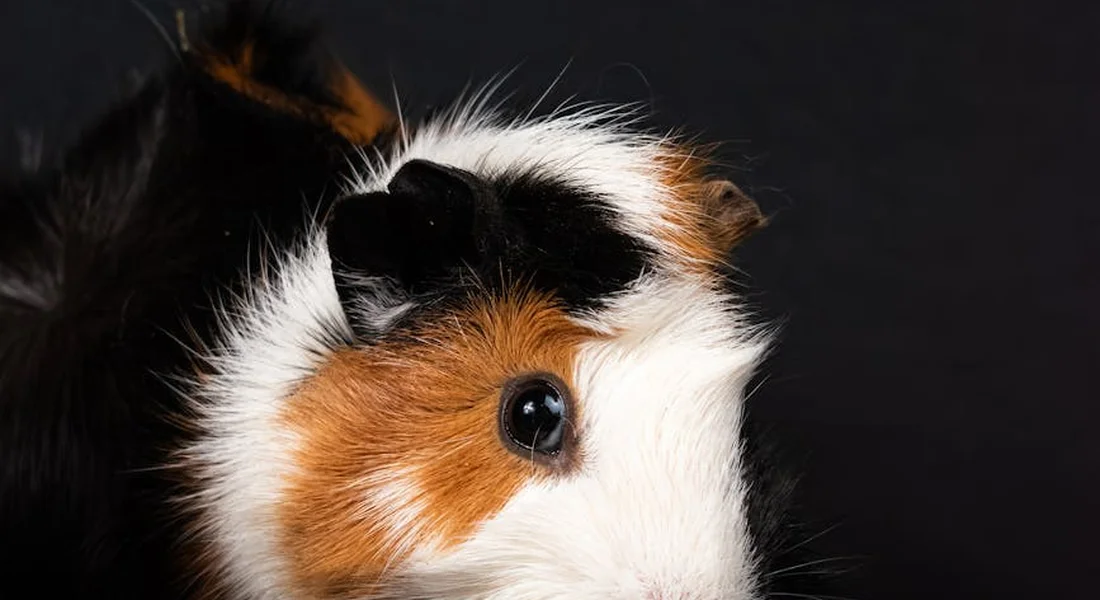
If you suspect your guinea pig is feeling down, you can take direct, loving action to help them. Patience and consistency are your most powerful tools for helping your pet feel secure and happy again. I’ve used these very steps to coax my own pigs out of their funks. To know if your guinea pigs are happy, look for signs like relaxed body language, curiosity, and steady eating. Tracking these cues over time will help you know when they’re thriving.
1. Provide Constant Companionship
If your guinea pig lives alone, seriously consider adopting a compatible friend. Introducing a new companion should be done slowly and on neutral territory to ensure they get along. The cheerful chatter and gentle nudges between friends can work wonders for their mood.
2. Enrich Their Environment Daily
- Rotate their toys to keep things fresh and exciting. Simple items like paper bags, toilet paper tubes stuffed with hay, or willow balls are often huge hits.
- Create a “playpen” area outside their cage for safe exploration and exercise. Supervise this time closely to ensure their safety.
- Offer multiple hiding places, like snuggle sacks, fleece forests, or upside-down cardboard boxes with doorways cut out.
3. Strengthen Your Bond Through Interaction
Spend quiet time with your guinea pig every single day. Speak to them in a soft, soothing voice and offer hand-fed treats to build trust and positive associations. Gentle petting, especially if they enjoy chin rubs or cheek strokes, can be very comforting. To tell if they enjoy being petted, watch for signs like leaning into your hand and relaxed body language. If they back away or tense up, they’ve had enough.
4. Ensure a Superior Diet
- Provide unlimited, high-quality timothy hay-it’s essential for digestion and provides a comforting activity.
- Serve a daily cup of fresh, varied vegetables, focusing on those high in Vitamin C like cilantro, kale, and bell peppers.
- Use a heavy ceramic food bowl that they can’t tip over, ensuring they always have access to their pellets.
5. Maintain a Calm and Predictable Routine
Guinea pigs thrive on predictability. Try to feed them, refresh their water, and interact with them at roughly the same times each day. Understanding their daily patterns helps you anticipate active times. Guinea pigs are often most active at dawn and dusk. This routine creates a sense of security, letting them know what to expect from their world.
6. Consult an Exotic Veterinarian
If your efforts don’t lead to improvement within a week, or if you notice any other symptoms, schedule a check-up with a vet who specializes in small animals. They can perform a thorough examination to ensure there isn’t a silent medical issue causing the behavioral changes.
Preventing Depression in Your Guinea Pig
Keeping your guinea pig’s spirits high is about creating a life they love waking up to every single day. Prevention is always kinder and more effective than trying to cure a deep-set low mood.
Provide a Same-Species Companion
Guinea pigs are herd animals by nature, and solitary living goes against their very instincts. I saw a remarkable change in my guinea pig, Biscuit, after he was introduced to his new friend, Pepper. Housing at least two guinea pigs together provides constant social interaction, comfort, and security.
- Introduce new companions slowly and in a neutral space.
- Neutered male/female or same-sex pairs usually work best.
- Watch for positive interactions like gentle sniffing and popcorning.
Enrich Their Environment Daily
A boring cage is a fast track to a bored and sad guinea pig. Think of their enclosure as their entire world. Rotating toys, tunnels, and hiding spots keeps their environment novel and mentally stimulating. My Clover, for instance, gets visibly excited when I swap out her cardboard castle for a new tunnel system.
- Paper bags and cardboard tubes make fantastic, free enrichment.
- Offer safe chew toys to satisfy their natural gnawing instincts.
- Create a “foraging” area by hiding their daily veggies under hay.
Ensure a High-Fiber Diet
What goes into their stomach directly impacts their mood and health. An unlimited supply of fresh, high-quality hay is the absolute cornerstone of a happy guinea pig gut and mind.
- Timothy hay should make up about 80% of their daily diet.
- Provide a daily cup of fresh, vitamin C-rich vegetables like bell peppers and kale.
- Always have fresh, clean water available in a heavy, tip-proof bowl or bottle.
Offer Ample Space and Safe Exploration
Guinea pigs need room to run, play, and express natural behaviors. A spacious cage, combined with daily supervised floor time in a secure area, is non-negotiable for their well-being. Watching my trio zoom around during floor time is a sure sign they’re feeling good and getting enough exercise.
- The minimum cage size for two guinea pigs is 7.5 square feet, but bigger is always better.
- Use pet playpens or a thoroughly guinea-pig-proofed room for safe exploration.
- Include hideouts in their play area so they can retreat if they feel overwhelmed.
When to Consult a Veterinarian
Sometimes, despite our best efforts, our pets need professional medical help. It’s crucial to know the difference between a temporary off-day and a sign of something more serious. You are your guinea pig’s best advocate, and trusting your instincts is vital.
Persistent Behavioral Changes
If the signs of low mood we discussed earlier continue for more than a couple of days without improvement, it’s time to call the vet. A sudden, lasting change in personality or activity level is one of the clearest signals that a health issue may be the root cause.
- Hiding constantly and refusing to come out, even for favorite treats.
- Complete loss of interest in food or water for 12 hours or more.
- Uncharacteristic aggression or irritability when handled.
Signs of Physical Illness or Pain
Guinea pigs are masters at hiding illness, so visible symptoms are a major red flag. Many symptoms of depression overlap with those of physical pain or sickness, making a vet exam essential.
- Weight loss that you can feel when you gently hold them.
- Labored breathing, wheezing, or discharge from the nose or eyes.
- A hunched posture, puffed-up fur, or reluctance to move.
You’ve Tried Everything Without Success
You’ve provided a friend, a bigger cage, new toys, and a stellar diet, but your guinea pig still seems withdrawn. When your proactive care doesn’t yield results, a veterinarian can help rule out underlying conditions like dental problems, parasites, or infections. I once spent weeks trying to cheer up a guinea pig only to find out he had a subtle but painful tooth issue that the vet quickly identified.
FAQs
Is a guinea pig depressed?
Yes, guinea pigs can experience depression due to factors like loneliness, boredom, or underlying health issues. Recognizing this early helps in taking steps to improve their mood and overall well-being.
What are signs of a depressed guinea pig?
Signs include behavioral changes such as reduced vocalization, lack of interest in food, and constant hiding. These indicators suggest a low mood and should be monitored closely for improvement.
What are symptoms of a depressed guinea pig?
Symptoms often involve physical manifestations like weight loss, a dull or unkempt coat, and general lethargy. These can signal depression or other health problems, warranting a veterinary evaluation.
What happens to a depressed guinea pig after death?
After death, there is no ongoing suffering for the guinea pig, but it highlights the importance of addressing mental health during their lifetime. Understanding end-of-life care behavior in guinea pigs helps owners recognize signs of distress and comfort needs in their final days. This awareness supports humane decisions about comfort measures and when to seek veterinary guidance. Owners can honor their pet’s memory by ensuring future guinea pigs receive proactive care to avoid similar issues.
Can depression in guinea pigs be cured?
Yes, depression in guinea pigs can often be improved with companionship, environmental enrichment, and proper diet. Consistent care and veterinary guidance can help restore their happiness and health over time.
Your Happy, Healthy Guinea Pig Awaits
Keep a close eye on your guinea pig’s daily habits and social interactions, as changes in eating, activity, or vocalization are your biggest clues. Always partner with a knowledgeable veterinarian to rule out health issues first, because what looks like sadness can often be a sign of physical discomfort. If you suspect stress or anxiety, look for signs like hiding, trembling, or overgrooming, and adjusting their cage setup or routine can help. These cues will help you tell if your guinea pig is stressed or anxious and guide you toward steps to help them feel secure.
Committing to your pet’s well-being means staying curious and always learning more about their unique needs and behaviors. Choosing sustainable care, from eco-friendly bedding to safe, natural toys, is a wonderful way to honor the life you’re nurturing.
Further Reading & Sources
- Depression in Guinea Pigs: Signs & How to Help | Animallama
- Sighs of depression? | The Guinea Pig Forum
- r/guineapigs on Reddit: Is my guinea pig depressed?
- How to Make Sure Your Guinea Pig Is Happy (with Pictures)
Kate is a passionate guinea pig owner and advocate for small pet welfare. With over a decade of experience caring for guinea pigs, she has become a trusted voice in the small pet community.
Uncategorized