Is My Guinea Pig Dying or Hibernating? Critical Signs Explained
Published on: February 2, 2026 | Last Updated: February 2, 2026
Written By: Kate M. Callahan
Hello CavyFam! Seeing your guinea pig unusually still can send a wave of panic through any pet owner. You might be wondering if they are just in a deep sleep or if something is seriously wrong.
In this guide, I will cover the critical signs of a dying guinea pig, the truth about guinea pig hibernation, and the immediate steps you need to take.
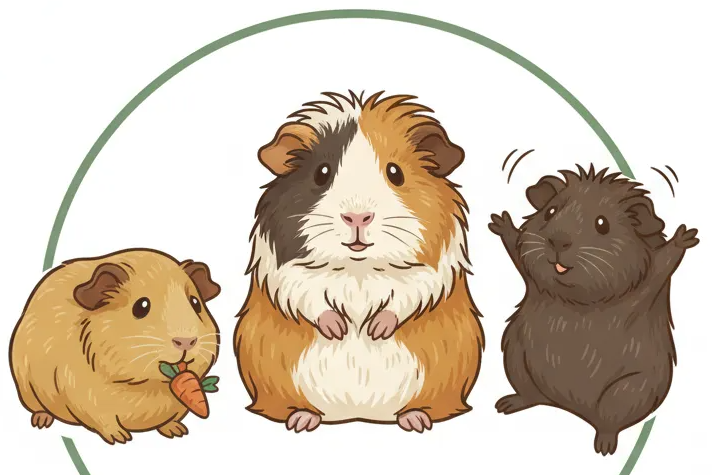
I’ve cared for my own guinea pigs-Pepper, Clover, and Biscuit-for years, learning to spot these subtle health cues through firsthand experience.
The Most Critical Signs Your Guinea Pig Needs Immediate Help
When a guinea pig is in serious trouble, their body sends clear signals. You must act immediately if you see any of these signs, as they often indicate a life-threatening emergency. I learned this the hard way when my guinea pig, Clover, suddenly stopped eating.
Immediate Red Flags
- Complete Loss of Appetite: A healthy guinea pig is always hungry. If yours refuses their favorite veggies and pellets for more than a few hours, this is a major alarm bell.
- Labored or Noisy Breathing: Listen closely. Wheezing, clicking, or rapid, shallow breaths are not normal. My gentle Pepper once had a respiratory infection, and the change in her breathing was the first clue.
- Lethargy and Unresponsiveness: A guinea pig that doesn’t move when approached, or feels limp when you pick them up, is in a critical state. They should always be alert and curious.
- No Fecal Output: Check their habitat. A lack of droppings for several hours can mean a gastrointestinal shutdown, which is fatal if not treated quickly.
- Visible Pain: Look for a hunched posture, grinding teeth, or fluffed-up fur. These are clear signs of discomfort that need a vet’s diagnosis.
The Truth About Guinea Pig Hibernation: A Common Misconception
Many owners panic, thinking their cold, still guinea pig is hibernating. This is a dangerous myth; guinea pigs do not hibernate. What you are likely seeing is a severe, often fatal state called torpor. Decoding the ‘freeze’—the moment your guinea pig stops moving—helps you tell whether they’re simply resting or at risk. If you’re unsure, seek urgent veterinary care.
Torpor is a last-ditch survival response to extreme cold or illness, where their metabolism slows to a dangerous crawl. Unlike planned hibernation, torpor is a medical emergency that requires immediate warming and veterinary care. I keep my piggies’ room consistently warm after a scare with Biscuit one chilly winter morning.
Signs of Torpor vs. Normal Rest
It’s vital to know the difference. A resting guinea pig is simply taking a peaceful nap.
- A Guinea Pig in Torpor:
- Feels cold and stiff to the touch.
- Is completely unresponsive to touch or sound.
- Will not wake up, even for food.
- Their breathing is very slow and shallow.
- A Guinea Pig in Normal Rest:
- Their body feels warm and relaxed.
- They may twitch their ears or nose if you approach.
- They will stir, stretch, and wake up easily, especially if you rustle a treat bag.
- Their breathing is regular and quiet.
If you suspect torpor, gently wrap your guinea pig in a soft towel and use your own body heat to warm them while you call the vet. Every minute counts.
Recognizing the Signs of a Dying Guinea Pig
Changes in Eating, Drinking, and Elimination
A sudden loss of appetite is one of the most alarming signals. Guinea pigs have fast digestive systems and cannot go more than 12 hours without food. I noticed this with my own guinea pig, Biscuit, who became listless after just a few hours of not touching his favorite veggies.
Watch their water bottle closely. A full bottle that doesn’t go down over a day is a major concern. Dehydration sets in quickly.
Check their living area for droppings. Healthy guinea pigs produce a lot of feces. A clean cage floor is a red flag that their gut has slowed or stopped.
Physical and Behavioral Red Flags
Listen to their breathing. Any sound like wheezing, clicking, or labored breaths needs immediate veterinary attention. Quiet, shallow breathing can be just as serious.
Observe their posture and movement. A hunched posture, puffed-up fur, or reluctance to move indicates pain. My gentle guinea pig, Pepper, once sat hunched in a corner, which was completely unlike her steady nature.
Look for discharge from the eyes or nose. Crusty eyes or a wet nose are not normal and suggest illness.
Pay attention to their social behavior. A guinea pig that hides constantly and avoids interaction with cage mates, like my graceful Clover did when she was unwell, is communicating distress. Learning to interpret common guinea pig behaviors and body language helps you understand what they’re feeling. Small cues like ear position, eye expression, and posture can tell you a lot about their mood.
Your Immediate Action Plan: First-Aid and Veterinary Care
How to Safely Provide Supportive Care at Home
Your first priority is warmth. A sick guinea pig cannot regulate its body temperature well. Place a safe, pet-specific heat pad set on low under one side of their enclosure, ensuring they can move away from the heat if needed. Understand their temperature requirements to provide the best care.
Offer critical nutrition. If they are not eating, you must syringe-feed a critical care formula. Mix the powder with water to a smooth, liquid consistency.
- Gently wrap your guinea pig in a small towel.
- Place the syringe tip gently into the side of their mouth, behind the front teeth.
- Administer the food very slowly, allowing them to swallow.
Encourage hydration. Offer water from a syringe as well, or try soaking their favorite leafy greens in water to increase fluid intake.
Remember, these are temporary measures to stabilize your pet on the way to a veterinarian. Home care is not a substitute for professional diagnosis and treatment. Contact your vet immediately to explain the symptoms and follow their guidance.
Common Illnesses That Mimic End-of-Life Signs
Seeing your guinea pig slow down and become less active is frightening. Many treatable health problems present with symptoms that look alarmingly like a guinea pig is nearing the end of its life. During a health check, handle your guinea pig with a gentle, supported grip—support the chest and hind end and avoid squeezing. If you’re unsure, ask your vet to show you the safest technique to use at home. I’ve rushed my own guinea pig, Biscuit, to the vet thinking the worst, only to find a manageable issue. It’s a terrifying experience, but knowledge is power.
Upper Respiratory Infections (URIs)
Guinea pigs cannot cough effectively, so a simple cold can quickly become pneumonia. Watch for a crusty nose, watery eyes, labored breathing, or a loss of appetite, as these are classic URI signs that demand immediate veterinary attention. My Abyssinian, Clover, once had a URI that made her so lethargic I was sure I was losing her. Prompt antibiotics saved her. If your pig seems sick, use a complete home troubleshooting checklist to guide your next steps. Start by noting appetite, energy, hydration, and cage conditions to decide whether a vet visit is urgent.
- Crusty nose or discharge from the eyes
- Audible wheezing or clicking sounds when breathing
- Sneezing fits and a hunched posture
- Refusing favorite foods like bell pepper or cilantro
Dental Problems
A guinea pig’s teeth never stop growing. Malocclusion, where the teeth become overgrown and prevent eating, is a common and painful condition that mimics starvation. Your piggy might drool, drop food, or lose weight rapidly despite having food available.
- Watch for wetness around the chin and front paws.
- Notice if they approach food but then turn away.
- Check for a gradual, but steady, weight loss.
- Schedule a vet visit for a dental trim and pain relief.
Gut Stasis (GI Stasis)
This is a silent and deadly emergency. A guinea pig’s digestive system must keep moving constantly; when it stops, toxins build up and cause rapid decline. They will stop eating and producing droppings, becoming painfully bloated and incredibly still.
- No new fecal pellets in the cage for hours
- A hard, distended belly to the touch
- Complete refusal of food and critical care formula
- Lethargy so profound they do not respond to your touch
Navigating End-of-Life Care and Comfort
When a health condition is truly terminal or your guinea pig is very old, your role shifts from cure to comfort. Providing a peaceful, pain-free environment is the most profound gift you can give your beloved pet in their final days. I’ve been through this with my first guinea pig, and it’s about honoring their life with dignity. Properly caring for guinea pigs means prioritizing comfort and routine, even in their final days. Simple acts like a warm bed, quiet space, and gentle handling can make a big difference.
Creating a Comfortable Environment
Your goal is to minimize stress and maximize ease. Keep their habitat in a quiet, dimly lit room and line it with soft, absorbent fleece or vet bedding to prevent sores. Ensure their water bottle and a small dish of their favorite mashed foods are within easy reach without them having to move much.
- Use soft, padded bedding and change it frequently.
- Maintain a warm room temperature, as they cannot regulate their own body heat well.
- Place familiar hides and a soft cuddle cup in the enclosure.
- Speak to them in a calm, low voice to provide reassurance.
Supportive Feeding and Hydration
A dying guinea pig will often stop eating and drinking on their own. You may need to assist-feed a critical care slurry with a syringe to provide essential nutrients and hydration. This must be done gently and patiently, offering small amounts frequently. Consult your vet for the proper technique and formula.
- Prepare a critical care mix according to package directions.
- Draw a small amount into a 1ml syringe (without the needle).
- Gently place the syringe tip in the side of their mouth, behind the front teeth.
- Slowly depress the plunger, allowing them to swallow.
Managing Pain and Veterinary Support
Do not let your guinea pig suffer. Your veterinarian can prescribe safe and effective pain medication (like Metacam) to keep your pet comfortable. Regular vet visits are a key part of a complete care schedule for guinea pigs. A vet can help you plan preventive care, dental checks, and daily husbandry, and guide you on quality of life scales to help you make the most difficult decisions with clarity and love, always putting the animal’s welfare first.
- Ask your vet about anti-inflammatory and pain relief options.
- Monitor for signs of pain: teeth grinding, flinching, or refusing to be touched.
- Discuss humane euthanasia if their bad days consistently outnumber the good.
- Remember that ending suffering is a final act of profound compassion.
FAQs
What noises indicate a guinea pig is dying?
Gasping, wheezing, or clicking sounds often signal respiratory distress or organ failure in a dying guinea pig. These noises require immediate veterinary attention as they can indicate a critical condition.
What is the typical process when a guinea pig is dying?
The dying process may involve a gradual decline in energy, appetite, and responsiveness over hours or days. As organs fail, the guinea pig may become immobile and unresponsive, necessitating comfort care. End-of-life care and behavior changes in guinea pigs should be observed closely to provide appropriate support.
How can I tell if my guinea pig is dying of old age?
Signs of old age decline include a slow reduction in activity, weight loss, and natural organ deterioration without acute illness. Providing a comfortable, stress-free environment helps support them in their final stages.
Why is diarrhea a serious sign in a dying guinea pig?
Diarrhea can rapidly lead to dehydration and electrolyte imbalances, worsening the guinea pig’s condition. It often indicates an underlying issue like infection or organ failure that needs urgent veterinary care.
How long does it take for a guinea pig to die once symptoms appear?
The timeline varies from hours to days, depending on the cause, such as illness or age-related decline. Monitoring symptoms closely and consulting a vet can help manage the situation humanely.
Your Guinea Pig’s Health Is in Your Hands
Guinea pigs do not hibernate, so any unusual behavior like lethargy or loss of appetite could signal a serious health issue. Pneumonia is a serious risk for guinea pigs and can manifest as rapid breathing, wheezing, or nasal discharge. For more information on pneumonia symptoms in guinea pigs, check out this resource. Early recognition and prompt veterinary care can improve survival chances. Act quickly by consulting a vet if you spot critical signs, as timely care can make all the difference for your pet’s survival.
Commit to being a proactive owner by always learning about guinea pig care and choosing eco-friendly options like biodegradable bedding or locally sourced veggies. In the ultimate guide to bedding options for guinea pigs, you’ll find practical tips on selecting non-toxic, dust-free bedding that supports respiratory health and comfort. These choices pair with daily care to keep them thriving. From my time with Pepper, Clover, and Biscuit, I’ve seen how small, sustainable steps create a safer, greener home that supports their well-being and the planet.
Further Reading & Sources
- Guinea pig health – PDSA
- Guinea Pig Symptoms Checker: Signs of Illness & What It Means
- Guinea Pig Illness Warning Signs | Petfinder
- 10 Common Signs a Guinea Pig Is Dying-and How to Comfort Them at the End
Kate is a passionate guinea pig owner and advocate for small pet welfare. With over a decade of experience caring for guinea pigs, she has become a trusted voice in the small pet community.
Uncategorized