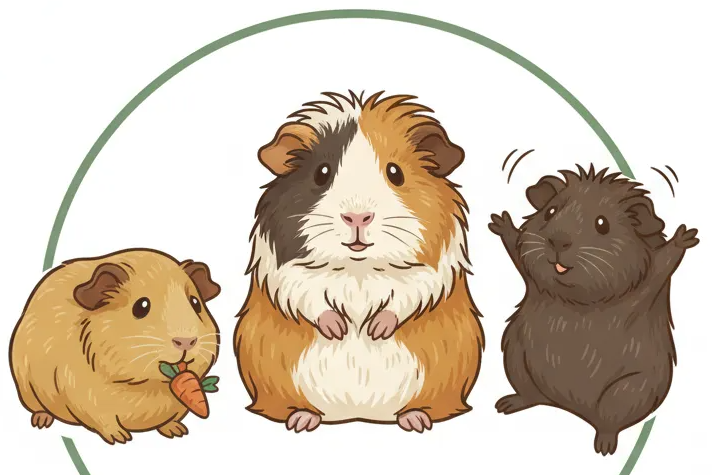
How to Play and Interact with Your Guinea Pig During Floor Time
Hello CavyFam! Are you eager to make floor time a joyful and bonding experience for your guinea pig? You might feel unsure about keeping them safe or engaging their curious nature without causing stress.
I’ll walk you through setting up a secure area, choosing stimulating toys, and building trust through gentle interactions. My years of hands-on experience with guinea pigs like Pepper, Clover, and Biscuit have given me practical insights into their unique needs and behaviors.
What Is Floor Time and Why Guinea Pigs Thrive on It
Floor time is simply supervised exploration where your guinea pig roams freely outside their cage in a safe area.
This dedicated play period transforms their day by fulfilling core needs that a cage alone cannot provide.
- Exercise: They run, popcorning joyfully, which keeps their muscles strong and weight healthy.
- Mental Stimulation: New smells, textures, and spaces engage their curious minds, preventing boredom.
- Bonding: You become part of their adventure, building immense trust as you interact gently.
- Natural Behavior Expression: They forage, explore, and establish tiny territories just as they would in the wild.
I see pure bliss on my guinea pigs’ faces during floor time. My gentle boy, Pepper, does the cutest zoomies, while thoughtful Clover methodically inspects every corner. Watching them express their unique personalities so freely is a profound reminder of their emotional depth. These moments reveal their distinct temperaments in action. Pepper’s bold energy contrasts with Clover’s careful curiosity.
Setting Up a Secure and Stimulating Floor Time Space
Creating the perfect play zone is your first step toward a successful and happy floor time.
- Choose a safe, enclosed area with non-slip surfaces to prevent injuries. I use a penned-off section of my living room with a soft rug; hardwood floors can be too slippery for their little feet.
- Remove hazards like electrical cords, small objects, or toxic plants. Guinea pigs love to nibble, so scan for anything they might chew or get tangled in.
- Add enrichment items: tunnels, hides, chew toys, and cardboard boxes. My trio adores their fleece forest and a simple cardboard castle I made-it encourages natural hiding and play behaviors.
- Ensure easy access to hydration and a quiet environment. I always place a small, heavy water bowl in the corner and keep the room calm, as loud noises can startle them.
A well-prepared space lets you relax, knowing your pets are safe to explore and enjoy themselves to the fullest.
How Guinea Pigs Play Together and With You
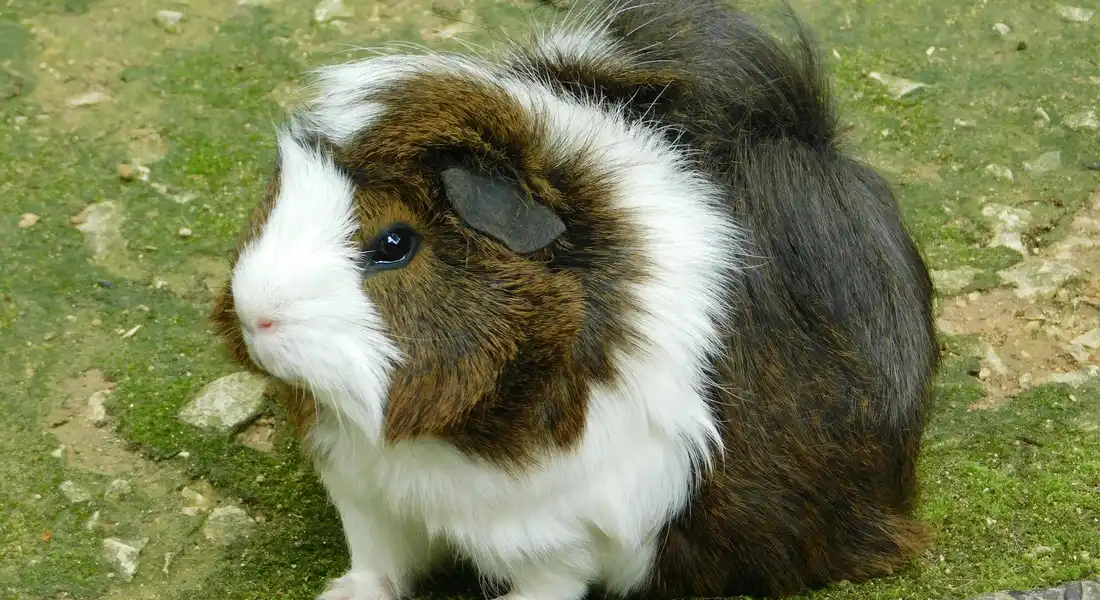
Watching guinea pigs interact reveals a world of subtle communication and pure joy. Their social play includes chasing, energetic ‘popcorning’ leaps, and a symphony of happy wheeks and rumbling purrs. But it’s important to distinguish whether they are fighting or playing.
Understanding Social Behaviors
In my herd, Pepper, Clover, and Biscuit each have distinct play styles. Chasing isn’t always aggression; it’s often a game of tag. Popcorning-those sudden, joyful jumps-is the ultimate sign of a happy pig. Listen for their vocalizations: a low, purring rumble often means contentment, while high-pitched wheeking usually signals excitement, especially around treat time.
Gentle Handling to Build Trust
Building trust takes patience. I never grab my guinea pigs from above, as this mimics a predator. Always scoop from below, supporting their entire body with both hands to make them feel secure. Start with short, five-minute sessions and let them walk onto your lap willingly. Biscuit used to freeze in fear, but now she climbs onto my hand after months of this slow, respectful approach. For more tips, learn how to tame, restrain, and safely handle your guinea pig.
Using Your Voice and Treats
Your voice is a powerful tool for bonding. I use a soft, high-pitched tone when talking to my pigs, repeating their names during positive interactions. Pair your voice with their favorite healthy treats, like a small piece of bell pepper or cilantro, to create powerful positive reinforcement. This teaches them to associate you with good things.
Recognizing Enjoyment Versus Fear
It’s vital to read their body language. A relaxed, stretched-out posture or gentle teeth chattering (different from aggressive chattering) shows they’re comfortable. Fear looks different: hiding, freezing in place, or loud, sharp shrieks. If you see flattened ears or wide, staring eyes, it’s time to give your pig some space and reduce stimulation. Knowing how to interpret common guinea pig behaviors and body language can help you understand when they’re feeling stressed.
Engaging Activities and Toys for Floor Time Fun
Floor time shouldn’t be boring. Providing a mix of activities keeps their intelligent minds active and satisfies their natural curiosity. I rotate toys weekly to prevent boredom.
Simple DIY Toy Ideas
You don’t need a big budget for fun. My pigs adore these homemade creations:
- Paper Bag Forts: A simple brown paper bag with the handles removed becomes an instant tunnel and chew toy.
- Untreated Wood Blocks: Applewood or kiln-dried pine blocks are perfect for gnawing and pushing around.
- Hay-Filled Puzzles: I stuff a toilet paper tube with timothy hay; they love pulling it out strand by strand.
Interactive Play Ideas
Turn floor time into an adventure with these engaging games:
- Mini Obstacle Course: Use cardboard tubes, small boxes, and untreated wood bridges to create a simple course.
- Hide-and-Seek with Treats: Hide small pieces of veggies under paper cups or inside a hay pile for them to forage.
- Tunnel Exploration: Connect a few guinea pig-safe tunnels; they love darting through them.
The Importance of Variety
Guinea pigs are clever and can get bored with the same setup. I change one element of their play area every few days—a new tunnel, a different hideout, or rearranging the obstacles—to keep their environment stimulating. This encourages exploration and prevents lethargy. These small tweaks act as boredom busters. There are 20 safe, engaging enrichment ideas for guinea pigs to try.
Personal Favorites from My Herd
My guinea pigs have their clear preferences. Pepper, my steady American, is obsessed with pushing a small, hollow log around the floor. Clover, the graceful Abyssinian, prefers the challenge of a hay-stuffed ball she has to roll to get the goodies inside. Watching their unique personalities shine during play is one of my greatest joys as a pet owner. These moments also show how foraging toys can enrich daily play. That’s why I’m compiling the ultimate guide to guinea pig foraging toys and activities to help other owners.
Bonding and Supervision Tips for Positive Interactions
-
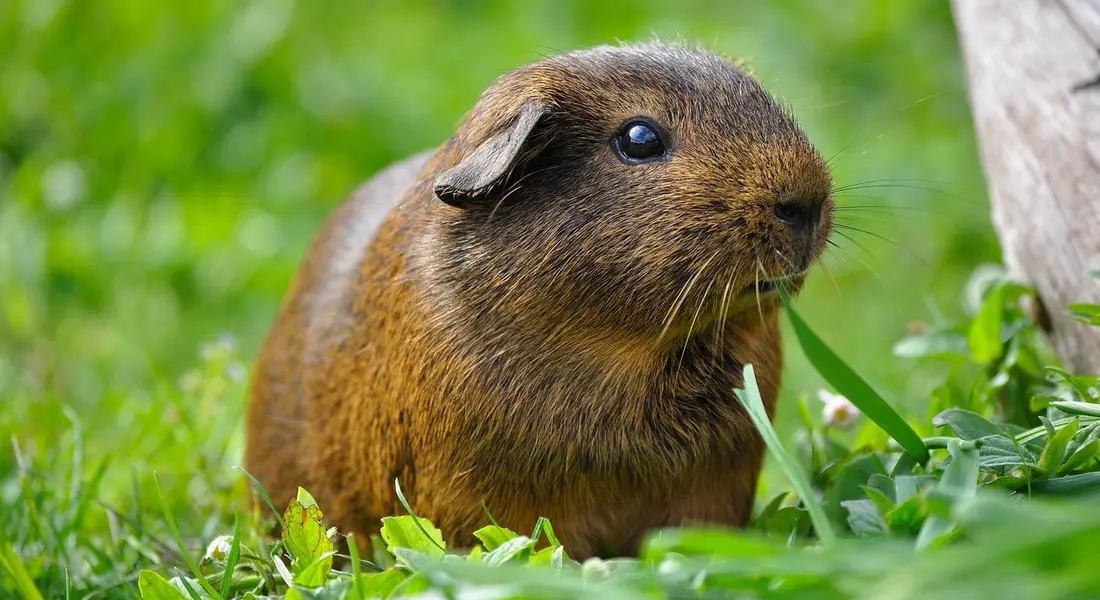
Sit quietly to let guinea pigs approach you, using calm movements. I learned this with my shy guinea pig, Biscuit. I would sit on the floor, remain still, and let her decide when to investigate. Your patience tells them they are safe, building trust far faster than chasing them ever could. Once trust is built, you can start training your guinea pig to do simple tricks with small rewards. Gentle, patient sessions keep training fun and strengthen your bond.
-
Incorporate short, daily sessions to strengthen your relationship. I aim for ten to fifteen minutes each day with Pepper, Clover, and Biscuit. This regularity means they now popcorn with excitement when they see me. Consistent, brief interactions build a stronger bond than infrequent, long ones that can overwhelm them.
-
Watch for health cues during play, like breathing or appetite changes. My guinea pig Clover once started breathing heavily during floor time, which was my cue to end the session and let her rest. Observing their normal behavior is your best tool for spotting when something is wrong.
-
Always supervise to prevent accidents and ensure a balanced diet isn’t disrupted. I never leave my pets alone during floor time, as they might find electrical cords or chew on unsafe furniture. Your watchful eye is their primary safety net, preventing both injury and them filling up on the wrong foods.
Managing Common Floor Time Issues Simply
-
Address accidents: use washable mats and clean promptly to maintain hygiene. I keep old towels and fleece blankets in their play area for easy cleanup. A quick wipe-up prevents lingering odors and keeps their living environment healthy for everyone.
-
Solutions for shy or scared guinea pigs: start with shorter sessions and familiar items. Biscuit felt much braver when I placed her favorite hidey-tunnel from her cage into the play space. Familiar scents and objects are anchors of security in a new, open environment.
-
Tips on rotating toys and environment to prevent boredom. I swap out their cardboard castles and willow balls every few days to keep things fresh. Novelty stimulates their curious minds and prevents floor time from becoming a boring routine.
-
Stress the importance of patience and consistency for animal welfare. It took weeks for Pepper to willingly take a veggie piece from my hand outside his cage. Respecting their individual timelines is the foundation of ethical and compassionate pet care.
FAQs
How often should I schedule floor time for my guinea pig?
Daily sessions of 10-15 minutes are ideal to maintain their health and happiness. Consistent floor time helps prevent boredom and strengthens your bond over time.
What essentials do I need for a safe floor time setup?
Use an enclosed area with soft, non-slip flooring to avoid injuries and escape attempts. Include hides and remove hazards like cords to keep the space secure and engaging.
What types of toys are best for guinea pig floor time?
Choose chew-safe items like cardboard tunnels or untreated wood blocks to satisfy their gnawing instincts. Rotate toys regularly to maintain interest and encourage natural behaviors.
How can I manage peeing accidents during floor time?
Place washable mats or towels in the play area for easy cleanup and hygiene. Promptly clean any messes with pet-safe products to discourage repeat incidents.
What are simple games to play during floor time?
Hide treats in paper cups or hay piles to stimulate foraging and exploration. Set up a mini obstacle course with tunnels to promote physical activity and mental engagement.
Your Guinea Pig’s Happy Floor Time Journey
From my experience with Pepper, Clover, and Biscuit, I’ve learned that successful floor time hinges on creating a safe, stimulating space with plenty of hiding spots and gentle handling. To create a safe, fun floor time environment for your guinea pig, clear clutter, use a soft, non-slip surface, and provide cozy hiding spots. Observe their comfort and pace, and adjust the space as needed. Always monitor your guinea pig closely and rotate toys regularly to keep their curious minds engaged and prevent boredom.
Responsible pet ownership means continuously educating yourself on their needs and making eco-conscious choices in their care. Opt for sustainable materials and proper waste disposal to ensure a healthier life for your guinea pigs and a greener world for all. Emotional commitment to guinea pig ownership means dedicating daily time for bonding, enrichment, and gentle care. It’s about long-term, loving stewardship of their well-being.
Further Reading & Sources
- The Definitive Guide to Floor Time for Guinea Pigs
- Setting Up Floor Time with your Guinea Pigs! – Piggie Floor Time – GuineaDad
- Floor Time | Guinea Pig Habitats | C&C Guinea Pig Cages – Guinea Pig Cage Company
- How to Host Floor Time for Your Guinea Pig | HappyCavy
Kate is a passionate guinea pig owner and advocate for small pet welfare. With over a decade of experience caring for guinea pigs, she has become a trusted voice in the small pet community.
Uncategorized