Guinea Pig Heart Attack Signs: What Every Owner Must Know
Published on: February 5, 2026 | Last Updated: February 5, 2026
Written By: Kate M. Callahan
Hello CavyFam! Watching your guinea pig for signs of illness can feel overwhelming, especially when symptoms are subtle. Your vigilance is their first line of defense, and noticing small changes can make all the difference.
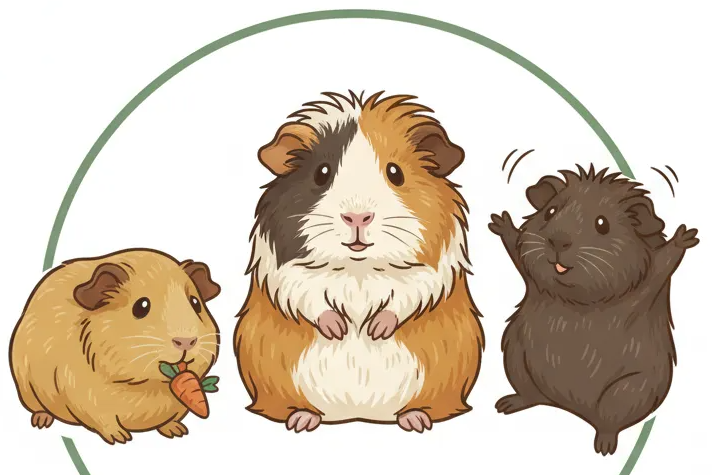
In this guide, I’ll cover recognizing subtle symptoms, immediate actions to take, and daily habits for prevention. I’ve learned these signs through caring for my own guinea pigs, Pepper, Clover, and Biscuit, and I’m here to help you feel prepared.
Understanding Guinea Pig Heart Health
Where Is Your Guinea Pig’s Heart Located?
Your guinea pig’s heart sits snugly in the chest, just behind the front legs and slightly to the left side. Gently resting your hand there lets you feel the soft, rhythmic thumping that signals life. I’ve spent countless quiet moments with Pepper, my gentle American guinea pig, and learned to locate his heart by placing my fingers between his shoulders. This central spot is key for monitoring health without causing stress.
Imagine a tiny, vital engine tucked safely inside-knowing its position helps you act fast if something feels off. Always use a light touch to avoid startling your pet, as sudden movements can spike their heart rate. Over the years, I’ve noticed Clover’s graceful demeanor makes her more sensitive, so I approach her calmly to check.
Normal Guinea Pig Heartbeat Explained
A healthy guinea pig’s heart beats rapidly, typically between 240 and 350 times per minute. This fast pace is normal and reflects their small size and high energy needs. With Biscuit, my reserved Peruvian, I’ve observed that a steady, strong pulse during calm moments indicates good heart function. It’s like a tiny drum keeping perfect time.
Heart rates can vary with activity or stress, so aim for consistency in your checks. Regular monitoring helps you spot deviations early, ensuring your pet stays vibrant and active. I often compare it to a hummingbird’s wings-swift but steady when all is well.
How to Check Your Guinea Pig’s Pulse
Checking your guinea pig’s pulse is simple and non-invasive if done with care. Follow these steps to get an accurate reading while keeping your pet comfortable: Proper guinea pig care includes routine health checks like pulse monitoring to catch issues early. These quick checks help ensure your pet stays healthy and comfortable as part of daily care.
- Place your guinea pig on a soft, flat surface in a quiet room to minimize stress.
- Gently hold them with one hand supporting their body, and use two fingers of your other hand to feel for the heartbeat behind the front legs.
- Count the beats for 15 seconds, then multiply by four to get the beats per minute.
I’ve done this with all my guinea pigs and found that Pepper’s steady nature makes it easiest. If your pet squirms, take a break and try later to avoid causing anxiety. Always wash your hands before and after to prevent spreading germs.
Recognizing Heart Attack Signs in Guinea Pigs
Physical Symptoms of Cardiac Distress
Watch for clear physical clues that your guinea pig’s heart might be struggling. Common signs include labored breathing, bluish gums or tongue, and sudden weakness in the limbs. I recall when Clover showed slight puffiness around her chest, which alerted me to potential fluid buildup—a red flag for heart issues. Knowing these critical signs can be lifesaving.
Other symptoms to note are cold ears or feet, as poor circulation can stem from cardiac problems. Immediate veterinary care is crucial if you spot these changes, as delays can worsen outcomes. In my experience, even subtle shifts like a dull coat or weight loss merit attention.
- Rapid, shallow breaths that don’t ease with rest
- Lethargy or reluctance to move, even for favorite treats
- Swollen abdomen, which may indicate heart failure
Behavioral Changes to Monitor
Behavioral shifts often signal heart trouble before physical symptoms become obvious. Your guinea pig might hide more, eat less, or vocalize in distress without clear cause. Understanding their typical behaviors can help you recognize these changes early. Biscuit, though usually reserved, once stopped exploring his cage for days, prompting me to investigate further.
Pay attention to social interactions; a normally friendly pet becoming withdrawn could point to pain or discomfort. Consistent observation helps you catch these nuances early, potentially saving your guinea pig’s life. I’ve learned that sudden aggression or excessive sleeping are also warnings not to ignore. During a health check, learn how to safely handle your guinea pig: cradle them with one hand supporting the chest and the other supporting the hind end. Use a calm, gentle approach and keep sessions short to reduce stress.
When Rapid Breathing Signals Trouble
Rapid breathing isn’t always alarming, but it can indicate serious heart issues if paired with other symptoms. Normal panting after play should settle quickly, but persistent heavy breaths require a vet visit. With Pepper, I’ve seen his breathing speed up during heat, but it normalizes once he’s cool.
If breathing stays fast even at rest, or you hear wheezing or clicking sounds, it’s time to act. Combine this with checks for lethargy or appetite loss to assess the urgency. In my care, I keep a small journal to track patterns, which has helped catch problems early.
Causes and Risk Factors for Heart Issues
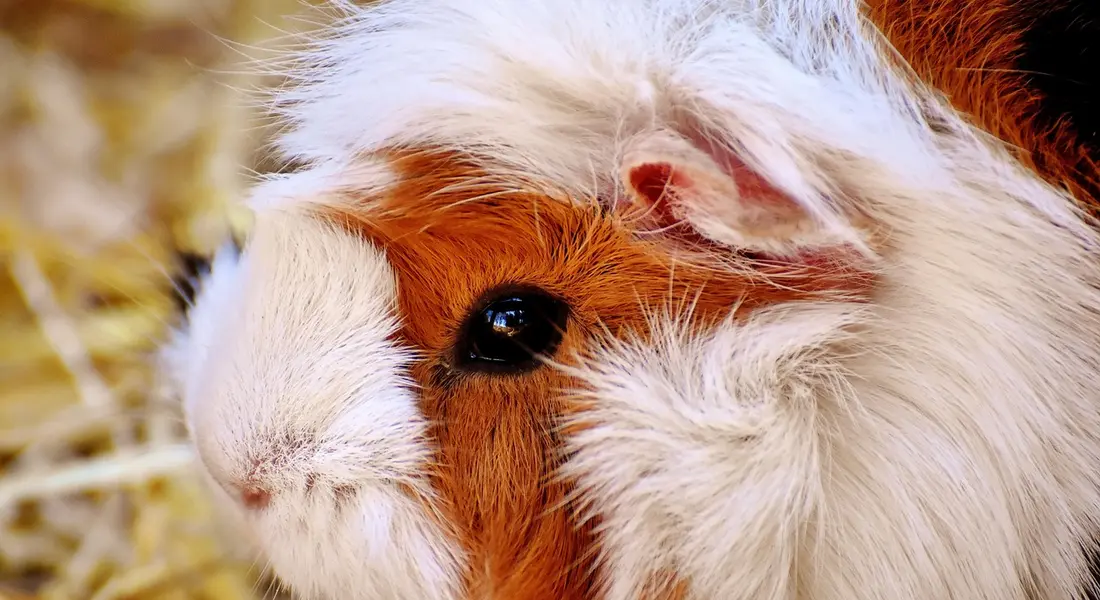
Guinea pig hearts are surprisingly delicate, and several factors can push them toward trouble. I’ve learned through caring for my trio that their environment and daily habits play a huge role in their cardiac well-being. Recognizing these risks is your first line of defense.
How Stress Affects Guinea Pig Hearts
Stress is a silent agitator for a guinea pig’s heart. Their bodies react intensely to perceived threats. A sudden, loud noise or the presence of a predator like a cat can send their heart rate skyrocketing, putting immense strain on the entire cardiovascular system. Are guinea pigs sensitive to loud noises? They often react with a startle response—freezing, rapid breathing, or darting for cover. I noticed my guinea pig, Biscuit, would freeze and breathe rapidly whenever our dog barked unexpectedly.
- Environmental Stressors: Loud televisions, construction noise, or even frequent shouting in the home can create a constant state of low-grade anxiety.
- Temperature Extremes: Guinea pigs cannot regulate their body temperature well. Both excessive heat and cold force their hearts to work much harder.
- Social Stress: Bullying from cage mates or the loneliness of being housed alone are significant emotional burdens that manifest physically.
- Improper Handling: Being held too tightly, dropped, or chased during cage cleaning can trigger a genuine fear response.
Diet and Lifestyle Influences
What your guinea pig eats and how they live directly fuels-or fails-their heart health. A diet high in sugary treats and low in roughage is a direct path to obesity, which severely taxes the heart. My gentle guinea pig, Pepper, had a slight weight issue until I corrected his diet, and his overall energy improved dramatically.
- Unlimited Timothy Hay: This is non-negotiable. Hay keeps their digestive system moving and provides the necessary fiber to maintain a healthy weight.
- Limit High-Sugar Foods: Fruits and certain vegetables like carrots should be rare treats, not daily staples.
- Encourage Daily Movement: A large, enriching cage with hideouts and tunnels encourages natural foraging and exercise.
- Monitor Vitamin C: Guinea pigs cannot produce their own Vitamin C. A deficiency weakens the entire body, including the heart muscle.
Emergency Response and Veterinary Care
If you suspect your guinea pig is having a heart attack, every second counts. Staying calm yourself is the single most important thing you can do to help your pet in a cardiac crisis. Panic will only transfer your fear to them, worsening their condition. For disaster preparedness, keep a guinea pig emergency plan and a small first-aid kit ready so you can act quickly. Have a transport carrier and your vet’s emergency contacts accessible in case you need to evacuate.
Immediate Steps to Stabilize Your Guinea Pig
Your goal is to minimize stress and support breathing while you prepare for the vet. Gently wrap your guinea pig in a soft, lightweight towel to provide security and prevent injury from frantic movements. I keep a specific “emergency towel” in my pet first-aid kit for this exact reason.
- Move them to a quiet, dimly lit, and warm room away from other pets and noise.
- Do not attempt to force-feed food or water, as they could choke.
- Speak to them in a soft, reassuring voice to provide a familiar comfort.
- Place them in a secure, well-ventilated carrier with a soft blanket for the journey to the vet.
What to Expect at the Vet
The veterinary team will act quickly to assess and stabilize your pet. Be prepared to provide a clear history of the event and your guinea pig’s recent behavior, diet, and environment. This information is invaluable for a rapid diagnosis. For a new guinea pig, the first veterinary check-up is especially important to establish a health baseline and plan preventive care. The vet may perform a physical exam and offer guidance on diet, housing, and routine wellness visits.
- Initial Assessment: The vet will check gum color (looking for blueness), listen to heart and lung sounds, and assess responsiveness.
- Oxygen Therapy: Your guinea pig will likely be placed in an oxygen cage to help them breathe more easily.
- Diagnostic Tests: The vet may recommend an X-ray to check for heart enlargement or fluid in the lungs, and an ultrasound to view the heart’s function directly.
- Medication: Diuretics may be administered to remove excess fluid from the body, and heart medications might be prescribed to support cardiac function.
Preventing Heart Problems in Guinea Pigs

Creating a Heart-Healthy Routine
Consistency is your greatest ally in protecting your guinea pig’s heart. I learned this firsthand when my Peruvian, Biscuit, became stressed from irregular feeding schedules. Establishing a predictable daily routine for feeding, playtime, and cage cleaning significantly lowers their stress and supports cardiovascular stability.
Their diet must be rich in vitamin C, as a deficiency directly impacts heart muscle health. I always provide a fresh, high-quality pellet and rotate these daily veggies:
- Bell peppers (all colors, seeds removed)
- Dark leafy greens like romaine lettuce and cilantro
- A small, occasional piece of kiwi or orange
Exercise is non-negotiable. My gentle guinea pig, Pepper, thrives on her daily floor time. Providing at least one hour of supervised exploration outside the cage each day encourages natural movement and maintains a healthy weight.
Managing Stress in Sensitive Guinea Pigs
Guinea pigs are prey animals, and their hearts are exceptionally vulnerable to fear. My Abyssinian, Clover, is particularly graceful and thoughtful, but she startles easily. A quiet, safe environment away from loud noises and sudden movements is the foundation of heart-healthy stress management.
I use several techniques to create a calm habitat. Placing their cage in a low-traffic family area prevents constant disturbances. Providing multiple hideouts, like fleece-covered huts or cardboard boxes, gives them immediate refuge when they feel threatened. Gentle, predictable handling and speaking to them in a soft voice builds trust and dramatically reduces their anxiety levels over time.
Long-Term Heart Care for Your Guinea Pig
Supporting Senior Guinea Pigs
As guinea pigs age, their needs become more specialized. My oldest, Clover, is now three, and I’ve adjusted her care to support her aging heart. Senior guinea pigs benefit from easier access to food and water, so I use shallow, heavy dishes that don’t tip.
Their diet may need softening. I sometimes steam her veggies lightly to make them easier to chew and digest. Regular, gentle weight checks are crucial, as sudden weight loss can be a sign of underlying heart issues in older pets. I weigh all my pigs weekly using a small kitchen scale.
Monitoring and Managing Existing Conditions
If your guinea pig has a known heart condition, vigilant monitoring becomes part of your daily life. I keep a simple health journal to track their appetite, energy levels, and breathing patterns, which helps me spot subtle changes early. I also maintain a guinea pig health log to track vital signs such as heart rate, breathing rate, weight, and temperature. This helps me spot trends and share precise updates with my vet.
Work closely with your exotic veterinarian to establish a clear management plan. This often includes:
- Administering prescribed medications exactly on schedule.
- Monitoring their respiratory rate when they are at rest.
- Adjusting their habitat to minimize the need for strenuous climbing.
Watch for labored breathing, a persistent hunched posture, or a lack of interest in favorite foods. Any change in their normal behavior warrants an immediate call to your veterinarian, as early intervention can make a significant difference.
FAQs

What does it mean if my guinea pig’s heart is beating hard?
A hard-beating heart often signals stress, pain, or potential cardiac issues like heart disease. Monitor for other signs like labored breathing or lethargy and consult a vet if it persists.
Why is my guinea pig’s heart beating fast abnormally?
An abnormally fast heart rate can result from fever, dehydration, or underlying heart conditions. Seek veterinary care to diagnose the cause and prevent complications.
How can I treat my guinea pig if its heart is beating hard?
Immediately move your guinea pig to a quiet, stress-free environment and avoid handling to reduce anxiety. Watch for signs such as hiding, trembling, or rapid breathing to tell if your guinea pig is stressed or anxious. If you notice these, contact an exotic veterinarian for evaluation and possible treatments like medication or diet adjustments.
Is it normal for a guinea pig’s heart to beat hard when sleeping?
No, a hard-beating heart during sleep is unusual and may indicate discomfort, stress, or a health issue. Observe for other symptoms and schedule a vet visit to ensure there’s no serious problem.
Is it normal for a guinea pig’s heart to beat hard while resting?
A hard-beating heart at rest is not normal and could point to cardiac distress or environmental stressors. Check for consistent patterns and consult a vet to rule out conditions like heart failure.
Your Guinea Pig’s Heart Health Journey
From my time with gentle Pepper and graceful Clover, I learned that spotting early signs like labored breathing or sudden lethargy can make all the difference. Always act quickly and consult your vet if you notice any unusual behavior in your furry friend.
Responsible pet ownership means staying curious and committed to learning more about their needs, including eco-friendly choices like using biodegradable bedding. Every small step you take enriches their life and supports a healthier planet for all animals.
Further Reading & Sources
- Guinea Pig’s Death Sparks Questions | Paws Corner | gvpennysaver.com
- Dilated Cardiomyopathy in Guinea Pigs
- Guinea Lynx :: Heart
- DOCA‐salts induce heart failure in the guinea pig
Kate is a passionate guinea pig owner and advocate for small pet welfare. With over a decade of experience caring for guinea pigs, she has become a trusted voice in the small pet community.
Uncategorized