
Emergency Guinea Pig Care: Your Disaster Preparedness Guide
Published on: March 19, 2026 | Last Updated: March 19, 2026
Written By: Kate M. Callahan
Hello CavyFam, have you ever worried about what would happen to your guinea pig during an emergency? That nagging fear is exactly why being prepared matters so much.
In this guide, I’ll walk you through creating a pet-specific evacuation plan, assembling an emergency go-bag for your cavy, and identifying safe sheltering options.
I’ve navigated these steps myself with my own trio-Pepper, Clover, and Biscuit-ensuring our whole herd stays safe.
Immediate Actions to Protect Your Guinea Pig
Stay Calm and Assess the Situation
Your guinea pigs are incredibly sensitive to your emotional state, and they will pick up on your anxiety immediately. I’ve found that taking one deep, slow breath before I act helps me focus and prevents my own panic from transferring to my pets. Quickly scan the room for immediate dangers like falling objects, broken glass, or smoke. To tell if your guinea pig is stressed or anxious, watch for signs such as rapid breathing, trembling, or hiding. Addressing these cues early helps keep them calm and safe.
Check on each of your guinea pigs visually before you approach them. This quick assessment helps you understand their state and plan your next move without startling them further. My guinea pig, Clover, tends to freeze when scared, while Biscuit will try to hide, so knowing their personalities is a huge advantage. Understanding their personalities makes them good pets, because you can tailor handling and enrichment to each pig. With Clover’s caution and Biscuit’s hiding tendency, you can approach them calmly and provide experiences they enjoy.
Secure Your Guinea Pig Safely
Move deliberately and speak in a soft, reassuring voice as you gather your pets. Always use two hands to scoop a guinea pig, supporting their entire body to prevent injury from squirming or jumping. Never grab them from above, as this mimics a predator and will terrify them. Also, be sure to properly care for guinea pigs by providing a comfortable habitat and regular social interaction.
Have their emergency carrier pre-positioned in an accessible location. I keep a carrier with a soft towel inside tucked right under a table near their cage for this exact reason. Gently place them inside and secure the door. If you have multiple pigs, like my trio, place them together if the carrier is large enough, as their familiar presence is comforting.
Evacuation and Transport Strategies
Choosing the Right Carrier
The ideal emergency carrier is sturdy, secure, and well-ventilated. A hard-sided plastic carrier is far superior to a fabric one, as it offers more protection from bumps, falls, and extreme temperatures. Ensure the door latch is very secure; a panicked guinea pig can be surprisingly strong.
Look for a carrier with a top-opening door in addition to a front door. This top access makes it much easier to place a nervous guinea pig inside without having to push them through a small front opening. My carrier for Pepper, Clover, and Biscuit has this feature, and it has been a game-changer during practice drills.
Keeping Your Guinea Pig Comfortable in Transit
Line the bottom of the carrier with a thick, absorbent towel or a small fleece pad. This provides a familiar, soft surface that also soaks up any accidental urine, keeping your pet drier and more comfortable. Avoid loose bedding like wood shavings, as it can create a dusty, messy environment in a confined space.
During transport, your main goal is to minimize stress. Covering part of the carrier with a light cloth can create a darker, den-like environment that helps calm a frightened guinea pig. This tip is part of the ultimate guide to traveling safely with your guinea pig. For more safety-focused tips, see the full guide. Speak to them softly and avoid sudden movements or loud noises. I always pack a handful of their regular hay to offer them a familiar, comforting snack once we are in a safe location.
Building Your Guinea Pig Emergency Kit
Food and Water Supplies
Stock up on essentials like timothy hay, quality pellets, and fresh water to keep your guinea pigs nourished during a crisis. I always store an extra bag of hay for my guinea pigs Pepper and Clover, as it’s their main food source and helps prevent digestive issues. When planning supplies, distinguish must-haves vs nice-to-haves to stay prepared without overstocking. This helps you focus on essentials like hay, pellets, and water first, and consider extras only if they truly add value.
Include a portable water bottle and a small bowl for easy access. Rotate supplies every few months to ensure freshness, just like I do with Biscuit’s favorite pellets.
- At least one week’s supply of hay per guinea pig
- High-fiber pellets in airtight containers
- Fresh water in spill-proof bottles
- Vitamin C supplements to support immune health
Pack small, easy-to-carry portions to avoid waste. Having these items ready lets you focus on safety instead of scrambling for basics.
Medical and Sanitation Items
Assemble a kit with first-aid and hygiene products to handle minor injuries and maintain cleanliness. After Clover once got a small scrape, I learned to always include vet wrap and antiseptic wipes in my kit.
Choose eco-friendly bedding and waste bags to reduce environmental impact. Using reusable or biodegradable options keeps your setup sustainable and safe for your pets.
- Sterile gauze pads and adhesive tape
- Pet-safe antiseptic solution
- Nail clippers and styptic powder for quick stops
- Extra bedding and small litter trays
- Disposable gloves and waste bags
Store everything in a waterproof container to protect it from moisture. This simple step ensures your supplies stay dry and usable when you need them most.
First Aid and Veterinary Preparedness
Essential First Aid Techniques
Learn basic skills to address common emergencies like cuts, stress, or breathing troubles. When Biscuit showed signs of shock during a storm, I used gentle handling and a warm towel to calm him down effectively.
Keep your guinea pig warm and quiet to reduce panic. Applying light pressure with gauze can stop minor bleeding until you get professional help.
- Check for breathing and pulse by gently placing your hand on their chest.
- Clean wounds with a damp cloth and pet-safe antiseptic.
- Wrap injuries snugly with vet wrap to prevent infection.
- Offer water and a quiet space to ease stress.
Practice these steps regularly to build confidence. Being prepared helps you act quickly and calmly in scary situations.
When to Seek Veterinary Help
Recognize signs that mean it’s time to call a vet, such as persistent lethargy or refusal to eat. I rushed Pepper to the clinic when he stopped eating for over a day, and early intervention made all the difference.
Monitor for symptoms like labored breathing or unusual vocalizations. Trust your instincts-if something feels off, it’s better to seek advice than wait.
- No interest in food or water for more than 12 hours
- Heavy breathing, wheezing, or coughing
- Swelling, bleeding, or discharge from eyes or nose
- Limping or inability to move normally
Keep your vet’s contact info handy and know the route to the nearest emergency clinic. Quick action can save your guinea pig’s life and give you peace of mind. If this is your first guinea pig, schedule its first veterinary check-up within the first week to establish a health baseline. Your vet can guide you on proper diet, housing, and what signs to watch for.
Shelter and Long-Term Safety Planning
Identification and Rescue Networks
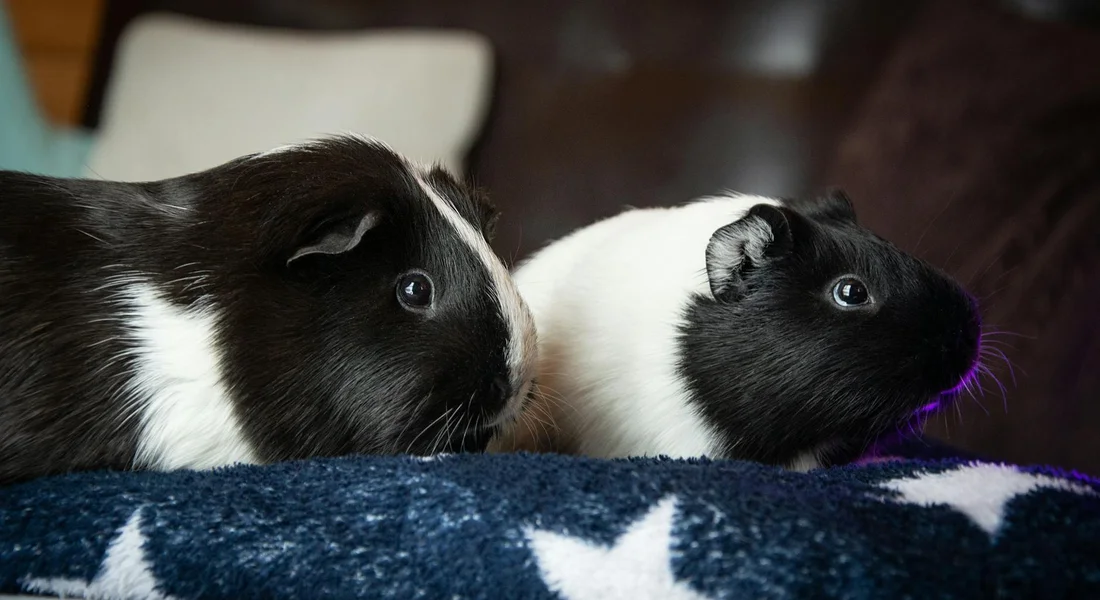
You must ensure your guinea pig can be identified if you get separated during an emergency. Microchipping is a reliable method I use for all my guinea pigs, like gentle Pepper and graceful Clover, so rescuers can scan and contact me quickly. Keep a recent photo on your phone and in your emergency kit to show their unique colors and markings.
Connect with local animal shelters and vet clinics before disasters strike. Many communities have pet-friendly evacuation centers or networks that assist with small animals, which I learned after a close call with Biscuit during a storm. Share your plans with neighbors who can help if you are not home.
- Register your guinea pig with a national microchip database.
- Store vet records and emergency contacts in a waterproof bag.
- Join online guinea pig owner groups for mutual support during crises.
Temporary Housing Solutions
Prepare a portable carrier or small cage for quick moves. I keep a sturdy carrier lined with soft fleece for each of my guinea pigs, making transitions less stressful for reserved Biscuit and steady Pepper. Choose options with good ventilation and secure latches to prevent escapes.
In longer emergencies, set up a safe indoor area away from hazards. Use a bathroom or closet with non-toxic bedding, and include hideouts to mimic their normal environment, which helped Clover stay calm during a recent flood warning. Rotate fresh hay and water daily to maintain routine.
- Pack a travel kit with a week’s worth of pellets, veggies, and bottled water.
- Include a small bag of Timothy hay and a chew toy to reduce anxiety.
- Check that the housing space is free from drafts and loud noises.
Daily Precautions and Risk Mitigation
Managing Temperature and Power Outages
Guinea pigs are sensitive to temperature changes, so act fast during power failures. Guinea pigs handle heat poorly and can overheat quickly, so proactive cooling matters. For heat, I place frozen water bottles wrapped in towels near Pepper’s cage, allowing her to lean against them to cool down safely. Monitor for signs of overheating like heavy panting or lethargy.
In cold snaps, use snuggle safe heat packs or extra bedding to retain warmth. During a winter outage, I cuddled thoughtful Clover under my jacket to share body heat, keeping her comfortable until power returned. Avoid space heaters due to fire risks and poor air quality.
- Keep the room between 65-75°F using thermometers for accuracy.
- Stockpile insulating materials like fleece blankets and cardboard boxes.
- Have a battery-powered fan for ventilation in stuffy conditions.
Sanitation and Hygiene Practices
Maintain cleanliness to prevent illness when routines are disrupted. I spot-clean my guinea pigs’ living areas daily, removing wet bedding to avoid ammonia buildup that could harm intelligent Biscuit’s respiratory system. For more tips on maintaining a clean environment, check out my complete guinea pig hygiene and cleaning routine. Use pet-safe disinfectants and wash your hands before and after handling them.
In emergencies, prioritize waste management to reduce stress. Keep a supply of paper-based litter and disposable gloves in your kit, which made cleanup easier during a prolonged blackout with my trio. Rotate soiled items frequently to uphold a healthy environment.
- Change water bottles and food dishes every day to prevent contamination.
- Store extra vinegar and water for natural cage cleaning solutions.
- Dispose of waste in sealed bags to minimize odors and pests.
FAQs
How much does an emergency vet visit for a guinea pig typically cost?
Emergency vet costs for guinea pigs can range from $100 to over $500, depending on the severity of the issue and required treatments. It’s best to call local exotic vets for estimates and consider pet insurance to manage unexpected expenses.
How can I quickly find an emergency vet near me that handles guinea pigs?
Use online search tools or apps like the ASPCA’s pet hospital locator to find clinics specializing in exotic pets. Always verify by phone that they accept guinea pigs and note their emergency hours for fast access. It’s especially important to find a vet experienced with guinea pigs, as they have unique needs.
What homemade foods can I use for my guinea pig in an emergency?
Offer fresh, guinea pig-safe vegetables like romaine lettuce or bell peppers as a temporary substitute if commercial food is unavailable. Avoid high-sugar or toxic foods and ensure they still have access to hay for proper digestion. For a complete list of safe options, check out guinea pig-friendly vegetables and greens.
Your Guinea Pig’s Safety Net
From my experience with Pepper, Clover, and Biscuit, I always stress keeping a ready emergency kit with food, water, and a secure carrier. Regularly practice quick evacuations to help your guinea pigs stay composed when disasters strike.
Responsible ownership means always learning better ways to protect your pets and the planet together. Try eco-friendly habits, like using sustainable bedding, to nurture a healthier home for your furry friends.
Further Reading & Sources
- How to care for your pet guinea pig » Small Animal Hospital » College of Veterinary Medicine » University of Florida
- Guinea Pig Care Guide | Long Island Avian and Exotic Vet Clinic
- Guinea Lynx :: Emergency Medical Guide
- A Guinea Pig Emergency… How Do I Spot One? | Small Pet Select
Kate is a passionate guinea pig owner and advocate for small pet welfare. With over a decade of experience caring for guinea pigs, she has become a trusted voice in the small pet community.
Uncategorized