Guinea Pig Euthanasia: Making the Heartbreaking Choice
Published on: February 15, 2026 | Last Updated: February 15, 2026
Written By: Kate M. Callahan
Hello CavyFam, facing the possibility of saying goodbye to your guinea pig is one of the most difficult moments in pet ownership. Your heart might be heavy with questions and worry about doing the right thing.
This guide will help you navigate this emotional path by covering when to consider euthanasia, how to recognize signs of suffering, the euthanasia process itself, and caring for yourself afterwards.
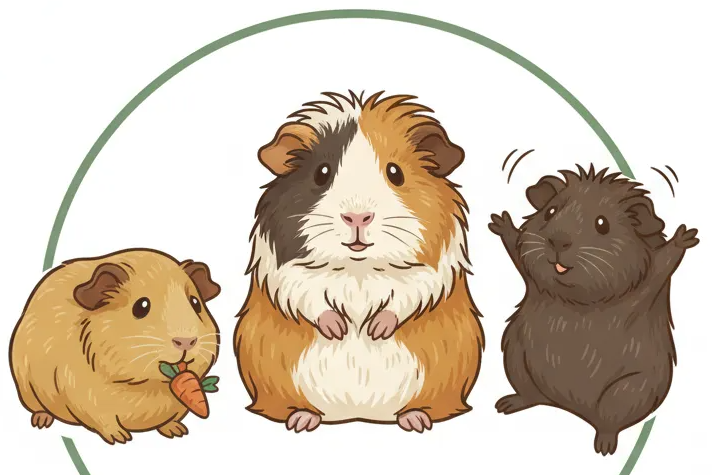
I’ve walked this painful road with my own beloved pigs, Pepper, Clover, and Biscuit, and I’m here to share that hard-won perspective with you.
Recognizing the Signs of a Declining Guinea Pig
Watching for subtle changes in your guinea pig’s daily habits is the first step in recognizing a decline. I’ve learned through caring for my own pigs, like gentle Pepper and thoughtful Clover, that small behavioral shifts often speak louder than obvious symptoms. If your guinea pig seems down, that can signal low mood or depression. Recognizing these signs early helps you take appropriate steps or consult a vet. You might notice your pet sleeping far more than usual or showing no interest in their favorite veggies.
Look for these common physical and behavioral signs that indicate your guinea pig may be struggling:
- Significant, unexplained weight loss that you can feel along their spine and ribs
- Difficulty moving around their cage or climbing ramps they once managed easily
- Labored, noisy breathing or frequent sneezing that doesn’t resolve
- Changes in eating or drinking habits, particularly refusing favorite foods
- Hiding constantly in one corner of the cage and avoiding interaction
- Dull, matted fur or failure to groom themselves properly
- Noticeable lumps, bumps, or swellings that weren’t there before
Trust your instincts as an owner who knows your pet’s normal behavior. When my Peruvian, Biscuit, stopped popcorning and began sitting hunched in a corner, I knew something was seriously wrong despite no obvious symptoms. That hunched posture alone can indicate abdominal pain or discomfort that needs immediate attention.
Assessing Your Guinea Pig’s Quality of Life
Evaluating your guinea pig’s daily experience requires honest observation of their basic functions and behaviors. Creating a simple daily journal tracking these five areas gave me clarity when assessing my guinea pigs’ quality of life during difficult times. Noting when they are most active helps you understand their daily patterns and energy cycles. Tracking those activity peaks can guide you in planning play and rest, so you can respond to their needs. Be realistic about what constitutes a “good day” versus merely existing.
Ask yourself these critical questions each day:
- Is my guinea pig eating and drinking enough to maintain weight and hydration?
- Can they move comfortably to access food, water, and sleeping areas?
- Do they still show interest in social interaction with me or their cage mates?
- Are they experiencing more pain or distress than comfort throughout the day?
- Do they still engage in any activities that brought them joy previously?
Track how many “good hours” your pet experiences versus painful ones. When painful moments consistently outweigh peaceful ones, even with medication, it’s time to have a serious conversation with your veterinarian. This honest assessment prevents prolonging suffering out of our own emotional attachment.
Pain Management and Palliative Care Options
Modern veterinary medicine offers several approaches to keep guinea pigs comfortable during their final stages. I’ve worked with exotic veterinarians to develop customized pain management plans for each of my guinea pigs based on their specific conditions and personalities. What worked for steady Pepper differed from what helped graceful Clover. These experiences also highlight the value of a first veterinary check-up for new guinea pigs. When you bring one home, book their first visit within a week to establish a health baseline and tailor care.
Common pain management strategies your veterinarian might recommend include:
- Prescription anti-inflammatory medications formulated for small animals
- Pain relievers like meloxicam or buprenorphine administered orally or via injection
- Supplemental fluids given subcutaneously to maintain hydration
- Appetite stimulants to encourage eating when interest in food declines
- Critical care formulas syringe-fed to maintain nutrition
Palliative care focuses on comfort measures you can provide at home alongside medical treatment. Creating a comfortable environment with soft bedding, easy access to food and water, and maintaining their social bonds makes a significant difference in their final days. I found that placing food and water dishes directly beside their favorite resting spots reduced stress and conserved their limited energy.
Consider these home comfort measures for your guinea pig:
- Provide extra-soft fleece bedding instead of traditional hay or wood shavings
- Keep their living area warm but well-ventilated, away from drafts
- Offer favorite foods frequently in small, manageable portions
- Gently hand-feed critical care formula if they’re struggling to eat independently
- Maintain their bond with cage mates unless it causes stress or aggression
Work closely with your veterinarian to adjust pain management as needed. When medications no longer provide adequate relief and your guinea pig’s suffering persists despite all interventions, this becomes the most important factor in your decision. I’ve found that keeping a daily log of symptoms and responses to medication helps veterinarians make precise adjustments to keep your pet comfortable.
Making the Decision with Your Veterinarian
This is one of the hardest conversations you will ever have, but your veterinarian is your most crucial partner. They provide the medical expertise, but you hold the intimate knowledge of your guinea pig’s daily spirit and habits. I remember sitting with my vet, discussing my guinea pig Pepper’s chronic respiratory issues; the vet saw the X-rays, but I was the one who’d noticed he’d stopped popcorning for his favorite parsley. That’s why it’s essential to choose the right vet for your guinea pig.
Understanding the Veterinary Euthanasia Protocol
Knowing what will happen can bring a small measure of peace during a heartbreaking time. The process is designed for maximum comfort and minimal distress.
- Sedation First: The vet will typically administer a gentle sedative, often via a small injection. This is not the euthanasia solution itself. It allows your guinea pig to fall into a deep, painless sleep. I’ve held my pigs during this stage, and seeing them relax completely is profoundly comforting.
- The Final Injection: Once your pet is fully unconscious and unaware, the veterinarian will administer the euthanasia solution. This is usually an overdose of an anesthetic, which peacefully stops the heart. The process is quick, painless, and feels like a final, deep sleep.
- Aftercare Options: Your vet will discuss what you wish to do afterward. This can include communal or private cremation, or arranging a home burial if local laws permit.
You are usually encouraged to be present, offering comfort with your familiar scent and voice. Holding my guinea pig Clover and whispering to her as she drifted off was the last, most loving gift I could give her.
Considering At-Home Euthanasia for Your Guinea Pig
The idea of saying goodbye in a familiar, stress-free environment is incredibly appealing to many owners. The comfort of home, surrounded by known smells and sounds, can feel like the most compassionate choice.
Some mobile veterinarians specialize in at-home euthanasia services. This option can spare your sick or elderly guinea pig the stress and fear of a final car ride and clinic visit. You can create a peaceful setting with their favorite fleece hidey, soft music, and dim lighting.
However, I must be very direct here. You should never, under any circumstances, attempt to euthanize your guinea pig yourself using online methods or old advice. Methods like freezing, drowning, or using carbon dioxide without precise medical control are inhumane, terrifying, and cause immense suffering. They are a profound betrayal of your pet’s trust. The only safe, painless, and dignified path is under the guidance of a qualified veterinarian. During a health check, handle your guinea pig calmly and gently to minimize stress. Always support the body with both hands and avoid squeezing.
Practical Aftercare and Memorial Options
Navigating the Costs of Euthanasia and Aftercare
Facing the financial aspect of saying goodbye is a difficult but necessary part of the process. The cost of euthanasia itself can range from $50 to over $150, depending on your veterinarian and location. Aftercare services, like communal or private cremation, add another layer of expense. I found that calling a few local clinics ahead of time gave me a clear picture and helped me budget for this emotional time without added financial shock.
Here are the typical options and their associated costs:
- Communal Cremation: Your guinea pig is cremated with other pets, and the ashes are not returned. This is often the most affordable option, usually between $25 and $75.
- Private Cremation: Your guinea pig is cremated alone, and their ashes are returned to you in a chosen urn. This service typically costs between $100 and $200.
- Home Burial: If local ordinances allow, this can be a cost-free option. You must ensure the burial site is deep enough (at least 2-3 feet) to prevent other animals from disturbing it and is in a meaningful, protected spot.
Creating a memorial can be a beautiful and healing step. Planting a flower or a small bush over a burial site gives you a living tribute to visit and nurture. For my guinea pig Pepper, I chose a private cremation and now keep his small wooden urn on a shelf with his favorite fleece tunnel and a clay imprint of his paw.
- Create a memory box with their favorite hidey, a lock of fur, and photos.
- Commission a small piece of art or a custom ornament in their honor.
- Write a letter to them, sharing your favorite memories and what they meant to you.
Coping with Grief and Loss
The emptiness you feel after your guinea pig passes is real and valid. Allow yourself to feel the sadness, anger, and confusion without judgment; these are all natural parts of mourning a beloved companion. I remember the quiet in the room after my Clover was gone was the hardest part, and it’s okay to not be okay for a while. Many guinea pig owners and their families find a guinea pig grief guide helpful during this time. Such resources offer gentle, practical steps to support each other through loss.
Your other pets will grieve, too. Guinea pigs are social creatures, and a surviving cage mate can become withdrawn or stop eating. Spend extra time with them, offer their favorite treats, and monitor their health closely for any signs of depression. For my herd, I made sure to give Biscuit extra lap time and hand-feed him cilantro to encourage him to eat.
Finding support is crucial. Don’t bottle up your emotions.
- Talk to understanding friends or family members who recognize your guinea pig was a true pet.
- Look for online forums or social media groups dedicated to pet loss; sharing your story with others who “get it” can be incredibly comforting.
- Consider creating a small daily ritual, like lighting a candle or looking at a photo, to honor your pet’s memory and process your feelings.
Grief doesn’t have a timeline. Be patient and gentle with yourself as you navigate this new normal, remembering the joy and love you shared.
FAQs
How can I find a veterinarian for guinea pig euthanasia near me?
Search online for exotic or small animal veterinarians in your area, as they specialize in guinea pig care. You can also ask for recommendations from local pet stores or guinea pig rescue groups to find a trusted professional. If you want to find an exotic veterinarian near you who specifically treats guinea pigs, check clinics that list guinea pig care or exotic animal specialists and call to confirm they see guinea pigs. This helps ensure you’re connecting with a true guinea pig expert.
What is the typical protocol for guinea pig euthanasia?
The process usually involves sedation to ensure your guinea pig is unconscious and pain-free before the final injection. This method is designed to be peaceful and quick, allowing you to be present for comfort if you wish. Recovery after surgery is a key part of the process, with careful monitoring of eating, hydration, and incision sites. Common guinea pig procedures—such as spays, neuters, dental work, and abscess removal—require a structured recovery plan guided by your veterinarian.
How much does guinea pig euthanasia typically cost?
Costs can vary but generally range from $50 to $150 for the procedure itself, depending on your location and veterinarian. Additional fees may apply for aftercare options like cremation or burial services.
Is at-home euthanasia an option for guinea pigs?
Yes, some mobile veterinarians offer at-home euthanasia to reduce stress for your pet in a familiar environment. However, it should always be performed by a qualified professional to ensure it is humane and safe.
Are there any specific considerations for guinea pig euthanasia in the UK?
In the UK, costs and services are similar, but it’s best to consult a vet registered with the RCVS for guidance. Local regulations may affect aftercare options like home burial, so check with your veterinarian.
Your Guinea Pig’s Final Peace
From my years with guinea pigs like gentle Pepper and thoughtful Clover, I know that deciding on euthanasia centers on ending suffering with love. Focus on your pet’s quality of life and lean on a veterinarian’s advice to make a compassionate, informed choice.
Owning guinea pigs invites you to grow through responsible care and eco-friendly habits, like choosing sustainable bedding for pets like reserved Biscuit. Properly caring for guinea pigs means providing a clean cage, fresh water, and a balanced diet. Regular veterinary checkups help keep them healthy. Keep learning about their needs to ensure a happy, healthy life while protecting our planet together.
Further Reading & Sources
- Options for Euthanasia in Guinea Pigs
- Euthanasia in Guinea Pigs | Vetlexicon
- Euthanasia Advice | Bilton Veterinary Centre
- How to Care for a Dying Guinea Pig: 13 Steps (with Pictures)
Kate is a passionate guinea pig owner and advocate for small pet welfare. With over a decade of experience caring for guinea pigs, she has become a trusted voice in the small pet community.
Uncategorized