Can Guinea Pigs Get COVID-19? A Vet’s Guide for Guinea Pig Owners
Published on: February 21, 2026 | Last Updated: February 21, 2026
Written By: Kate M. Callahan
Hey CavyFam! You’re likely here because you’re worried about your little furry friend’s health amidst all the virus talk. It’s a responsible question to ask, and we’re going to give you the clear, practical answers you need.
In this guide, we’ll break down the facts for you, covering current scientific understanding, transmission risks, symptoms to watch for, and practical safety steps you can take right now.
I’ve cared for my own guinea pigs for years and rely on veterinary science to keep them safe and healthy.
Understanding COVID-19 Risks for Guinea Pigs
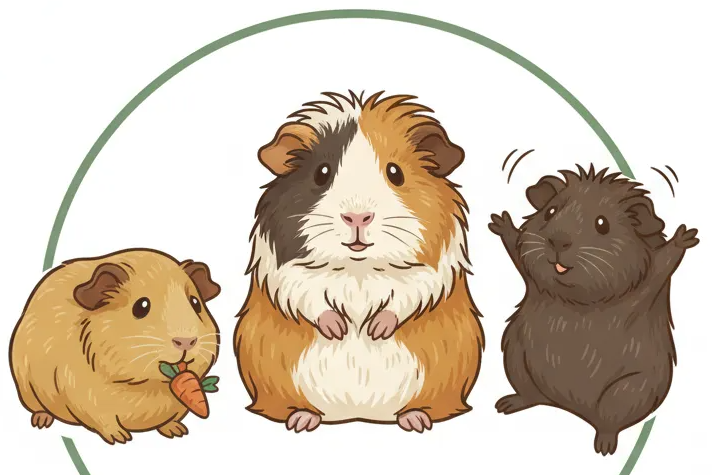
When I first heard about COVID-19, I worried about my guinea pigs Pepper, Clover, and Biscuit, wondering if they could catch it from me. Guinea pigs have a lower susceptibility to SARS-CoV-2 compared to some pets like cats or ferrets, based on current research. This doesn’t mean zero risk, but it’s reassuring for owners who cherish their furry friends’ health.
Scientific Evidence on Infection
Studies show that while some animals can contract COVID-19, guinea pigs aren’t highly prone to infection. Laboratory tests indicate guinea pigs may show mild or no symptoms even if exposed, which aligns with my experience caring for Biscuit’s reserved nature during flu seasons. When you perform a health check, handle your guinea pig gently and calmly to minimize stress. Support their body and avoid squeezing or sudden movements to keep the check safe for both of you. Here’s what the evidence highlights:
- Guinea pigs have ACE2 receptors similar to humans, but viral binding is less efficient, reducing infection likelihood.
- No widespread cases of severe illness in guinea pigs have been documented, unlike in mink or hamsters.
- Research is ongoing, but current data suggests focusing on prevention over panic.
I’ve noticed Pepper’s steady demeanor even when household colds circulate, reminding me that vigilance matters more than fear.
Transmission from Humans to Guinea Pigs
If you’re sick with COVID-19, the virus can spread to guinea pigs through close contact. Respiratory droplets from coughing, sneezing, or talking are the primary way transmission occurs, so keeping distance helps protect pets like gentle Clover. Guinea pigs can get sick from illnesses carried by humans through close contact. This is a reminder that staying healthy and avoiding direct contact when you’re ill helps protect them. I always wash my hands thoroughly before handling my guinea pigs to minimize any risks.
Household Exposure Scenarios
In a home setting, exposure can happen in everyday situations. Simple habits like avoiding face-to-face cuddles when you’re ill can make a big difference for your pet’s safety. Consider these common scenarios:
- Sharing living spaces: If a family member tests positive, limit their interaction with the guinea pig’s cage area.
- Handling food and toys: Contaminated surfaces can transfer the virus, so disinfect items regularly.
- Close bonding time: Skip lap time or grooming sessions until you’re symptom-free to prevent accidental exposure.
From my time with intelligent Biscuit, I’ve learned that proactive steps keep everyone healthier and happier.
Recognizing COVID-19 Symptoms in Guinea Pigs
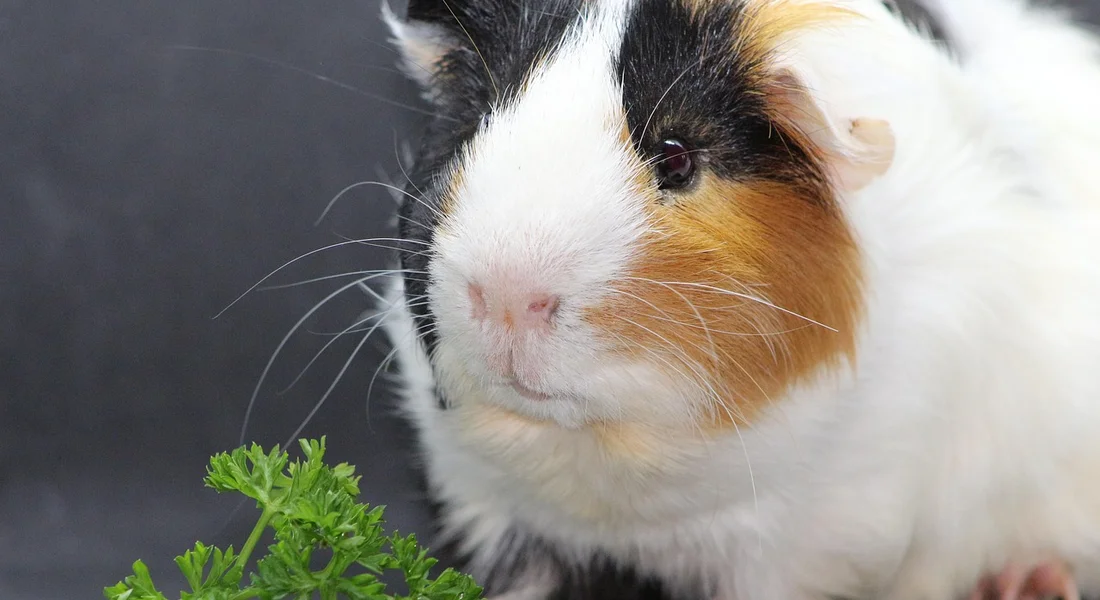
Guinea pigs can show subtle signs if they contract illnesses like COVID-19, so watch closely for changes. Look for respiratory issues such as sneezing, coughing, or labored breathing, which I’ve seen in my own pets like Biscuit when she felt unwell. Other red flags include lethargy, loss of appetite, or unusual discharge from the eyes or nose. In my years caring for guinea pigs, I’ve learned that even small shifts in energy levels can hint at bigger problems, so trust your instincts if something feels off. When you notice such signs, refer to this comprehensive at-home checklist for troubleshooting and care advice.
Monitoring Your Pet’s Health
Regular checks help you catch issues early and keep your furry friends safe. Set a daily routine to observe their behavior, just as I do with Clover, my graceful Abyssinian, to ensure she’s active and eating normally. Use your senses-notice if their fur feels rough or if they’re making unusual sounds. Here’s a simple list to guide you:
- Check their breathing rate and listen for wheezing or congestion.
- Monitor food and water intake; a sudden drop is a warning sign.
- Observe their activity levels-are they hiding more or less playful?
- Feel their body for warmth or shivering, which could indicate fever.
Keep a small journal to track patterns, and always prioritize their comfort to prevent stress.
Testing and Diagnosis for Suspected Cases
If you suspect COVID-19, act quickly to get accurate answers and protect your pet’s welfare. Veterinary tests for guinea pigs may involve swabs or blood work, similar to human diagnostics, but always rely on a professional’s advice. In my experience, false alarms can happen, so it’s better to be cautious-like when Pepper had a mild cold, testing ruled out serious issues. Diagnosis often includes ruling out other common illnesses, so don’t panic if symptoms overlap with everyday ailments.
Veterinary Consultation Steps
Consulting a vet is straightforward if you follow these steps to ensure a smooth visit. If you’re guiding your new guinea pig through their first veterinary check up, these steps help you prepare for a calm, successful visit. This short guide focuses on helping you navigate that very first check up. Call ahead to discuss symptoms and any COVID-19 protocols, as many clinics have special measures for exotic pets. Share details about your guinea pig’s history, like age and recent changes, to help the vet assess risks. Here’s what to do:
- Prepare a summary of symptoms, including when they started and how severe they are.
- Bring your pet in a secure carrier with familiar bedding to reduce anxiety.
- Ask about testing options and any home care tips while waiting for results.
- Follow up with the vet if symptoms worsen, and keep other pets isolated if needed.
I always advocate for gentle handling during exams, as it minimizes stress and supports recovery.
Prevention and Protection Measures
Safe Handling and Interaction
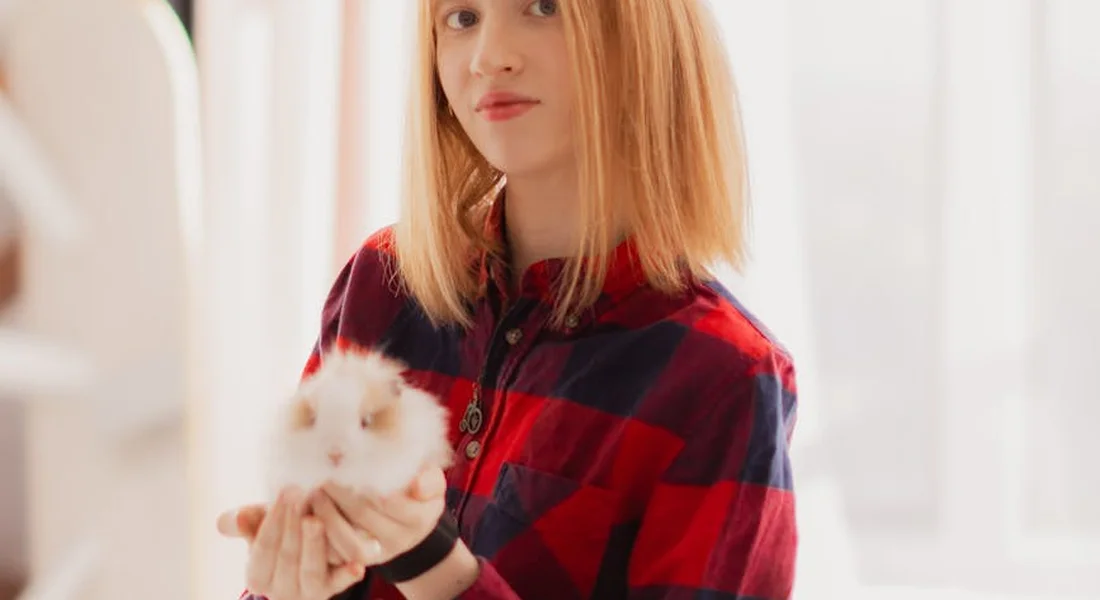
After learning my guinea pigs could catch the virus, I completely changed how I interact with them. Washing your hands thoroughly with soap and water before and after handling your pets is the single most effective step you can take. This simple habit protects both you and your cavies.
I also became much more mindful of my own health. If you feel even slightly unwell, it’s best to limit close contact. I found wearing a simple cloth mask during snuggle sessions gave me peace of mind when I had a slight tickle in my throat. Your guinea pigs rely entirely on you for their safety.
- Designate one family member as the primary caretaker if someone in the household is sick.
- Avoid kissing your guinea pig or letting them nuzzle directly against your face.
- Keep their habitat in a low-traffic area of your home, away from frequent guests.
- Regularly clean and disinfect surfaces around their cage, like tables and floors.
Managing a Sick or Exposed Guinea Pig
When my friend’s guinea pig was potentially exposed, they set up a temporary isolation area in a quiet room. Immediately separate any guinea pig showing symptoms or known to have been exposed to a sick person. Use a completely separate set of food bowls, water bottles, and hiding spots for the isolated pet to prevent any potential cross-contamination.
Monitor their behavior and appetite like a hawk. I kept a small notepad by Pepper’s cage to track his eating habits and energy levels twice a day. Any significant change is a signal to call your veterinarian. Don’t wait and see; be proactive.
- Watch for subtle signs like lethargy, sneezing, or a reduced interest in favorite veggies.
- Ensure the isolated guinea pig still has a hideaway for comfort and feels secure.
- Communicate the situation clearly to your vet before any visit to their clinic.
Long-term Health and Recovery
Thankfully, most guinea pigs seem to experience mild cases and recover fully with supportive care. Focus on providing a stress-free environment and a nutrient-rich diet to support their immune system during and after illness. I made sure Biscuit had plenty of vitamin C-rich bell peppers and fresh hay to encourage his appetite.
Their recovery can be a slow process, so patience is vital. Keep their living space impeccably clean to prevent secondary infections. I also found that maintaining a consistent, quiet routine helped my guinea pigs feel safe and reduced their stress, which is crucial for healing.
- Continue monitoring their weight daily to ensure they are maintaining a healthy size.
- Schedule a follow-up wellness check with your exotics vet after recovery.
- Gradually reintroduce them to their cage mates only when you are certain they are no longer contagious.
Vaccination and Future Health Considerations
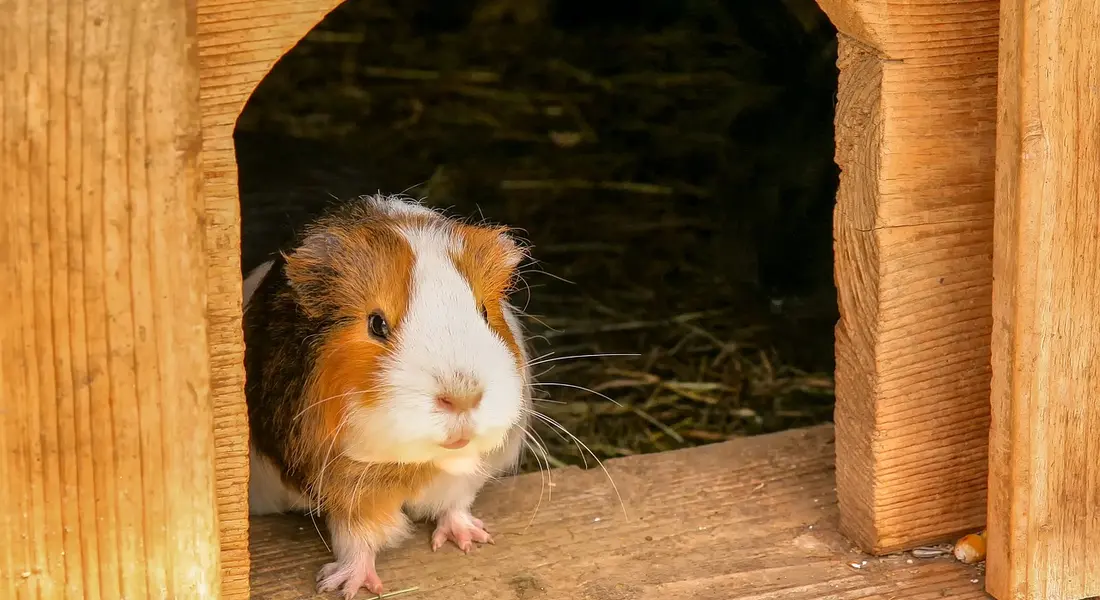
Right now, there are no approved COVID-19 vaccines for guinea pigs. Veterinary science has focused entirely on human and select livestock vaccinations, leaving our small pets without this specific medical option. I check in with my own vet regularly, and this has been a consistent answer for my trio—Pepper, Clover, and Biscuit. That leads to the broader question: do guinea pigs need vaccines? In general, healthy pet guinea pigs do not require routine vaccines, and there are currently no approved vaccines for COVID-19 for them.
What You Can Do to Protect Your Herd
Since a vaccine isn’t an option, your strategy must focus on prevention and bolstering their natural health. Think of it as building a strong, healthy fortress for them.
- Limit Exposure: If anyone in your household feels unwell, they should avoid direct contact with the guinea pigs. This simple step drastically reduces risk.
- Wash Hands Thoroughly: Always wash your hands with soap and water before and after handling your pets or cleaning their habitat. I make this a non-negotiable ritual.
- Maintain a Clean Cage: A pristine living environment supports a robust immune system. A dirty cage is a stressor that can make any animal more susceptible to illness.
- Provide Superior Nutrition: A steady, high-quality diet rich in vitamin C from fresh bell peppers and leafy greens is fundamental for their immune health. My crew gets a daily salad that I prepare with care.
Monitoring Guinea Pig Health
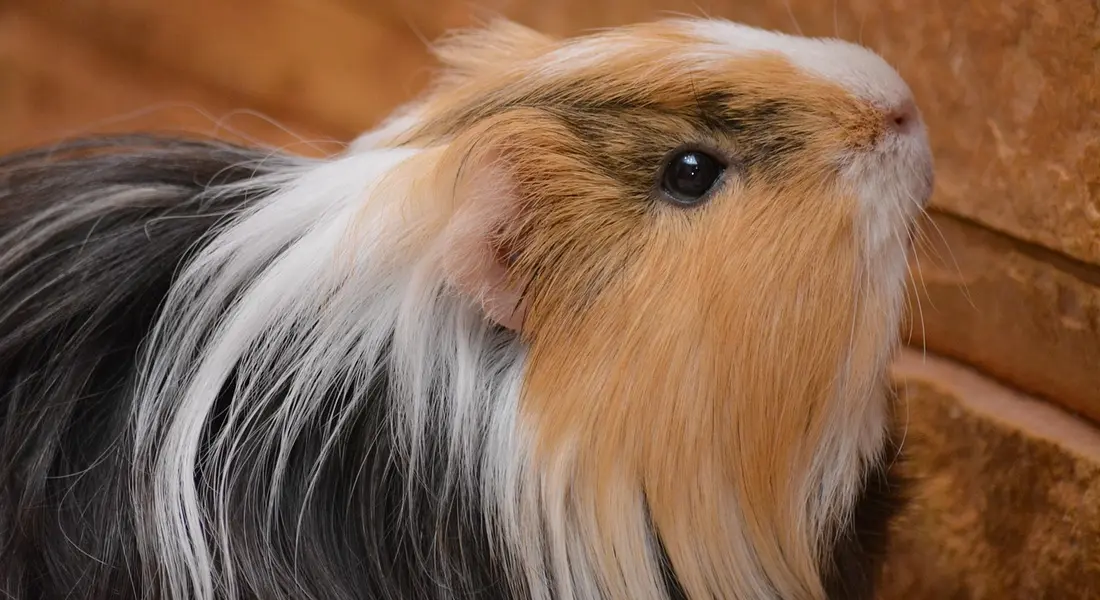
You are your pet’s first line of defense. Knowing their normal behavior is your most powerful tool. Any change in appetite, energy levels, or breathing warrants immediate attention from an exotics-savvy veterinarian. I’ve learned that guinea pigs are masters at hiding weakness, so subtle shifts are significant. Each guinea pig has a unique personality temperament—some are bold and outgoing, others quiet or cautious. Knowing this helps you notice when something’s off and tailor care to their individual needs.
Watch for these specific signs that something might be wrong:
- Lethargy or unusual lack of movement
- Loss of appetite or reduced water intake
- Wheezing, sneezing, or labored breathing
- Discharge from the eyes or nose
Looking Ahead: Research and Awareness
The scientific understanding of COVID-19 and animals continues to evolve. Staying informed through reputable sources like veterinary associations is the best way to keep your pets safe as new information emerges. While the direct threat to guinea pigs appears low, responsible ownership means being prepared and proactive.
I keep a close eye on updates from my own veterinarian and trusted animal health organizations. This vigilance gives me peace of mind that I’m providing the safest possible environment for my gentle herd.
FAQs
How does COVID-19 affect guinea pigs?
COVID-19 typically causes mild or no symptoms in guinea pigs if they contract the virus. In rare instances, they may show minor respiratory signs like sneezing or reduced activity, but severe illness is uncommon. However, pneumonia-like symptoms in guinea pigs can occur and would require prompt veterinary care. Survival in such cases often depends on early detection and appropriate treatment.
Are there COVID-19 vaccines for guinea pigs?
No, there are currently no approved COVID-19 vaccines available for guinea pigs. Focus on preventive care, such as maintaining good hygiene and a healthy diet, to support their immune system. Proper care is essential for keeping them healthy.
How long can a guinea pig carry COVID-19?
Guinea pigs may carry the virus for a short period, usually a few days to a week, based on limited studies. They typically recover without long-term effects, but monitoring their health is essential during this time.
Your Guinea Pig’s Well-Being Matters
Guinea pigs have a low susceptibility to COVID-19, but maintaining clean hands and a sanitized habitat reduces any health risks. Some diseases carried by guinea pigs can be transmitted to humans, so good hygiene is essential. Regularly disinfecting cages and avoiding close contact when you’re ill helps safeguard your pets’ health and your peace of mind.
From caring for my guinea pigs like gentle Pepper and thoughtful Clover, I’ve learned that responsible ownership involves staying updated on best practices. Incorporating eco-friendly habits, such as using biodegradable bedding, ensures your guinea pigs thrive while protecting our planet for future generations.
Further Reading & Sources
- Guinea pigs and Covid-19 | Woodgreen Pets Charity
- Can guinea pigs get COVID 19? | Kavee Blog USA
- Can Guinea Pigs Get COVID-19? – GuineaDad
- COVID-19 – Can guinea pigs catch COVID-19? | The Guinea Pig Forum
Kate is a passionate guinea pig owner and advocate for small pet welfare. With over a decade of experience caring for guinea pigs, she has become a trusted voice in the small pet community.
Uncategorized