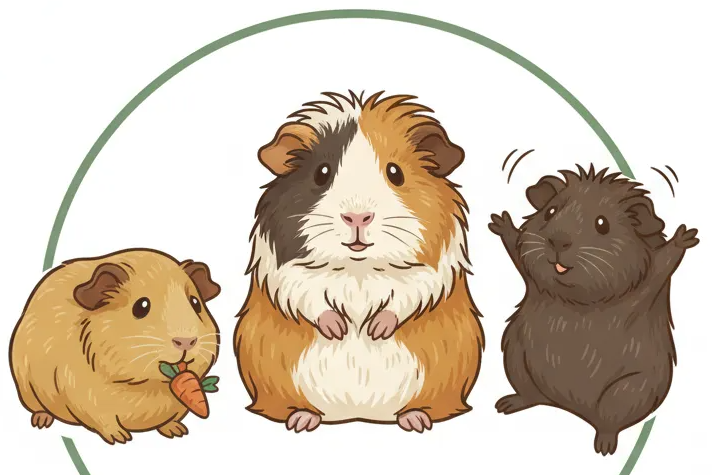
Adopting a Baby vs. an Adult Guinea Pig: Which is Right for You?
Published on: March 10, 2026 | Last Updated: March 10, 2026
Written By: Kate M. Callahan
Hello CavyFam! Choosing between a baby guinea pig and an adult one is a big decision that can feel overwhelming. You might be worried about bonding, care needs, or which will fit best with your family’s lifestyle.
In this guide, I’ll walk you through the key differences, covering bonding and training ease, care difficulty, personality predictability, and lifespan considerations. Having raised guinea pigs like my gentle Pepper and graceful Clover from various life stages, I can share the real-life insights you need.
Understanding Guinea Pig Age Groups
Physical and Behavioral Traits by Age
Baby guinea pigs, often called pups, are tiny, energetic bundles of fur. Their rapid growth means they need more frequent, high-quality feedings packed with alfalfa hay for calcium. I remember my Peruvian, Biscuit, as a pup; he was a whirlwind of short bursts of energy followed by deep naps. Adult guinea pigs, like my steady Pepper, are fully grown. Their energy levels are more consistent and predictable throughout the day.
- Babies (0-6 months): Extremely active, curious, and often more skittish. They are learning about their world and can be nippy as they explore with their mouths.
- Young Adults (6 months – 2 years): Settling into their personalities. They are playful but have better focus for training and handling.
- Mature Adults (2+ years): Calmer and more deliberate in their movements. They often have established, endearing habits, like Clover’s specific wheek for her favorite veggies.
Social Needs from Infancy to Adulthood
Guinea pigs are profoundly social creatures, and their needs evolve. Pups learn critical social skills from older, calmer cage mates, which helps them become well-adjusted adults. Introducing a baby to a gentle adult, as I did with Biscuit and Clover, can be a beautiful way to socialize them. The adult teaches the youngster how to be a proper guinea pig.
Adults usually have settled social preferences. Pairing two adult males requires careful introduction, while a male and female pair is often harmonious if the male is neutered. I’ve found that adult pairs, once bonded, provide deep, comforting companionship for each other, which is wonderful for their long-term welfare.
Assessing Your Family’s Lifestyle and Needs
Involving Children in Guinea Pig Care
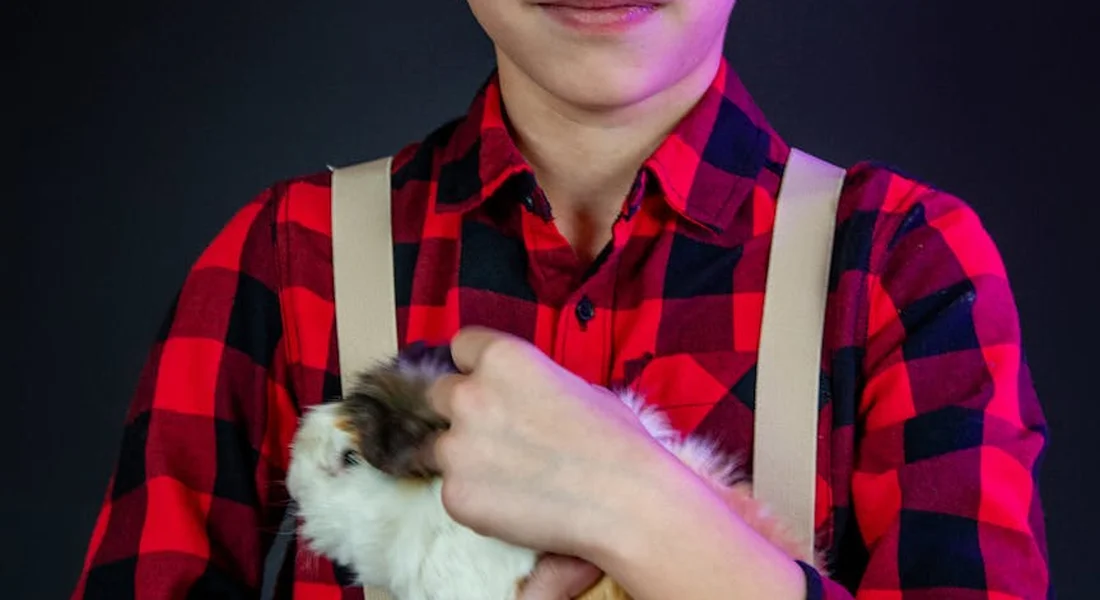
Getting kids involved is fantastic, but their role should match the guinea pig’s age. Supervised, gentle petting sessions with a calm adult guinea pig are perfect for teaching young children respect for animals. My friend’s children love helping me refill Pepper’s hay rack; it’s a simple, safe task that makes them feel involved. If you’re introducing a new baby to your home, this is a good moment to review a guinea pig safety guide for new caretakers. Keeping baby-safe spaces and calm introductions can help both baby and pet adjust safely.
- With Babies: Better for older, patient children who understand slow movements. Pups are fragile and can be easily startled.
- With Adults: Ideal for families with younger kids. An adult guinea pig’s predictable nature is less intimidating and safer for small hands.
Time and Responsibility Expectations
Be honest about the daily time you can dedicate. Baby guinea pigs demand more active supervision during floor time and more frequent health checks as they grow. Their boundless curiosity means you must guinea-pig-proof areas thoroughly. Adult guinea pigs still need daily interaction, but their care is often more routine.
Their lifespan is a major commitment. Guinea pigs live 5-8 years, so adopting one means promising a loving home for their entire life. This is a long-term responsibility that every family member should understand and agree to uphold, ensuring the animal’s lifelong welfare and happiness. Knowing the average lifespan of a guinea pig helps families plan for a long-term commitment. This knowledge guides decisions about nutrition, housing, and veterinary care to support a healthy, happy life.
Health and Veterinary Considerations
Diet and Nutrition Through Life Stages
I learned quickly with my guinea pig, Pepper, that a one-size-fits-all diet doesn’t work. Young guinea pigs under six months need a diet rich in alfalfa hay for the extra protein and calcium necessary for their rapid growth. This was crucial for my Peruvian, Biscuit, when he was a baby.
Once they hit adulthood, you must switch to Timothy hay. Alfalfa is too rich for them and can lead to painful bladder stones. Every single guinea pig, regardless of age, requires a daily source of vitamin C, as their bodies cannot produce it. I provide a high-quality pellet fortified with vitamin C and always supplement with fresh veggies like bell peppers and kale. Taken together, this forms the ideal overall diet for a healthy guinea pig. It supports dental wear, gut health, and steady vitamin C intake.
- Babies (0-6 months): Unlimited alfalfa hay, alfalfa-based pellets, and vitamin C-rich veggies.
- Adults (6+ months): Unlimited Timothy hay, Timothy-based pellets, and a consistent daily source of vitamin C.
- Seniors (5+ years): Softer Timothy hay, monitored pellet intake, and easy-to-eat, mashed vegetables if dental issues arise.
Longevity and Long-Term Care Planning
Guinea pigs are a long-term commitment. My Abyssinian, Clover, is three and still acts like a sprightly youngster. With proper care, a guinea pig can live between 5 to 8 years, so adopting one means planning for nearly a decade of companionship and responsibility. Prepare your home to support their entire lifespan with a spacious, safe habitat and regular veterinary care. Plan for daily needs, enrichment, and ongoing costs to keep Clover thriving for years to come.
This long lifespan makes financial planning essential. I set aside a small amount each month for a “piggy bank” fund to cover unexpected vet visits, which are inevitable over the years. Older pigs, like humans, are more prone to arthritis and may need cage modifications for easier access to food and water.
Think about your own life in five years. Will you be moving? Starting a new job? Having children? A guinea pig will be there through it all, relying on you for stability and care.
The Adoption Process Made Simple
Pre-Adoption Checklist
Before I brought any of my guinea pigs home, I made sure everything was ready. A stressful environment on day one can set back the bonding process for weeks. Having their habitat completely set up before they arrive is the single most important thing you can do to ensure a smooth transition. If this is your first guinea pig, pause to consider whether you’re ready for the long-term commitment. Do you have the time, space, and resources to care for a small, social animal?
Here is the checklist I used and still recommend to all new owners:
- A spacious cage (bigger is always better) with a solid floor.
- Plenty of Timothy or alfalfa hay, depending on the pig’s age.
- Food bowls, a water bottle, and a heavy, tip-proof hay rack.
- Hidey houses so they have a safe place to retreat.
- An initial supply of pellets and safe vegetables.
- Contact information for a veterinarian experienced with guinea pigs.
Post-Adoption Transition Tips
The first few days in a new home are terrifying for a guinea pig. My gentle Pepper hid for two full days before he dared to explore. Patience is your greatest tool during this period; let the guinea pig set the pace for all interactions. Avoid the urge to constantly hold them.
Speak to them in a soft, calm voice whenever you’re near the cage. Sit by their enclosure and read a book aloud so they get used to your presence and voice. Hand-feeding their favorite veggies, like a slice of cucumber, is a powerful way to build trust and positive associations with you.
Adult guinea pigs from rescues often settle in faster than skittish babies, as they are past the hyper-nervous juvenile stage. They seem to understand they are in a safe place. Give them time, space, and love, and you will be rewarded with a wonderful, squeaking friend. If you’re fostering, plan for a proper rehome from the start. Share care basics with adopters and confirm the new home has a suitable cage and quiet space.
Bonding and Socialization Strategies

Building a strong bond with your guinea pig, whether a baby or an adult, requires patience and understanding their unique communication style. I’ve found that respecting their initial shyness and letting them set the pace leads to the most trusting relationships.
Enrichment Ideas for Every Age
Keeping your guinea pig’s mind active is just as important as feeding them. Providing a variety of enrichment prevents boredom and encourages natural, curious behaviors. Looking for practical ideas? Check out our boredom busters for guinea pigs—20 safe, engaging enrichment ideas.
- For babies like Biscuit, I use simple tunnels made from cardboard tubes. They love the crinkle sound and it helps them feel secure while exploring.
- For steady adults like Pepper, I scatter their favorite veggies like cilantro around the cage. This turns mealtime into a fun foraging adventure.
- All my pigs adore paper bags stuffed with hay. It’s a cheap, safe toy that satisfies their need to chew and burrow.
- Try a weekly “playpen” session outside the cage with novel items. My thoughtful Clover loves investigating new textures like a clean, fleece blanket.
Housing and Environment Setup

Your guinea pig’s home is their entire world, so getting it right is non-negotiable for their wellbeing. After years of trial and error, I’m convinced a spacious, single-level enclosure is the gold standard for health and happiness.
Creating a Safe and Stimulating Home
A good cage setup minimizes stress and maximizes comfort. Focus on creating distinct zones for eating, sleeping, and playing to give your pig a sense of security and control. When you build the setup, map out a roomy, safe guinea pig cage. A well-planned build helps keep those zones clean and easy to access.
- Choose a cage with a solid floor, at least 10.5 square feet for one pig, and bigger for pairs. Wire floors can hurt their delicate feet.
- Provide at least two hideouts per pig. My reserved Biscuit needs her own private spot to retreat to when things get too busy.
- Use a soft, absorbent bedding like fleece liners over an absorbent layer. I change mine twice a week to keep things fresh and hygienic.
- Always have a heavy, tip-proof ceramic food bowl and a water bottle secured firmly to the cage bars to prevent mess and dehydration.
Making Your Adoption Decision
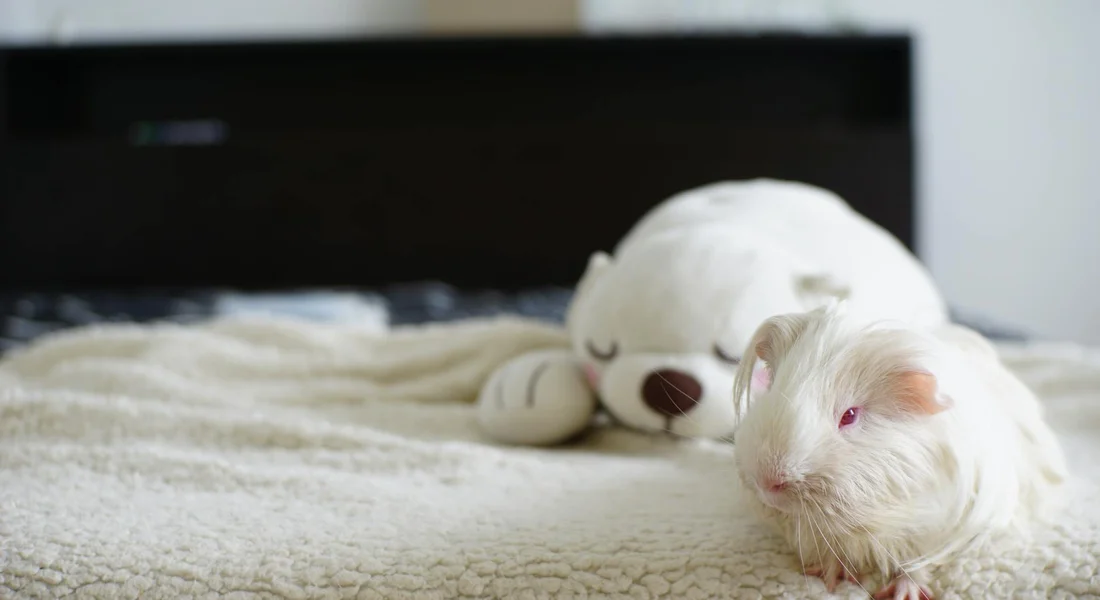
Choosing between a baby and an adult guinea pig feels like picking a new family member-it’s a big deal. Your decision should match your home’s energy and your ability to provide long-term care. I’ve cared for Pepper, an adult, and Biscuit, a baby, and their needs differ a lot.
Key Factors to Weigh
Think about your daily routine and what you can handle. Adult guinea pigs often settle in faster, while babies need more patience and gentle handling. From my time with Clover, an adult Abyssinian, I saw how her calm nature made introductions smooth.
- Time commitment: Babies require frequent socialization to build trust.
- Experience level: Adults are great for first-time owners due to predictable behaviors.
- Family dynamics: High-energy homes might enjoy a baby’s playful antics.
Compare Care Needs
Baby guinea pigs, like Biscuit, need extra monitoring for growth and diet adjustments. Adults, such as Pepper, usually have established eating habits and are less prone to stress-related issues. I remember Biscuit needing more vet visits early on.
- Check your budget for potential health costs-babies can have higher initial expenses.
- Evaluate space: Adults might be less active, needing slightly different cage setups.
- Consider lifespan: Adopting an adult gives a shorter but deeply rewarding commitment.
Step-by-Step Choice Guide
Follow these steps to narrow down your pick. Start by visiting a rescue to meet both ages-seeing them interact helps you feel the right fit. When I chose Clover, her graceful demeanor won me over instantly.
- List your family’s daily schedule and how much time you can devote to pet care.
- Research local shelters; many have adult guinea pigs needing homes, which supports animal welfare.
- Spend time handling both ages to see which personality meshes with yours.
Personal Insights From My Herd
Pepper, my adult American guinea pig, bonded quickly and taught me about steady companionship. Babies like Biscuit brought joy but required months of gentle training to feel secure. Their golden brown and dark brown coats reminded me how each pig’s look ties to their unique spirit.
- Adults: Often calmer, ideal for homes with young children or other pets.
- Babies: Need quiet environments to build confidence without overwhelming sounds.
Reflect on what you can offer long-term. Adopting an adult guinea pig can save a life and bring immediate warmth to your home. Properly caring for a guinea pig means regular cleaning, a balanced diet, and daily social interaction. My experience shows that love grows no matter the age—just give them a safe, cozy space.
FAQs
Where can I adopt a guinea pig?
You can find guinea pigs for adoption at local animal shelters, rescue organizations, and specialized small animal rescues. Always choose reputable sources to ensure the animals are healthy and have received proper care.
How do I locate guinea pig adoption centers near me?
Use online tools like Petfinder or search for local animal shelters and rescues in your area to find available guinea pigs. Many pet stores also host adoption events in partnership with rescue groups. Once you bring a guinea pig home, book their first veterinary check-up within the first week. A quick exam can catch health issues early and your vet can guide you on housing, diet, and daily care.
What is a guinea pig adoption network?
A guinea pig adoption network is an organization that connects adopters with rescued guinea pigs from various locations. They often offer guidance on care, bonding, and support throughout the adoption process.
Are there specific resources for guinea pig adoption in NYC?
Yes, NYC has options like the ASPCA and local small animal rescues that regularly have guinea pigs available for adoption. Checking their websites or visiting in person can help you find a suitable match.
What options are available for guinea pig adoption in Houston?
In Houston, you can adopt guinea pigs from shelters such as the Houston SPCA or through dedicated small animal rescue organizations. Online searches and community forums can provide up-to-date listings.
Your Perfect Guinea Pig Match Awaits
Ultimately, your choice between a baby and an adult guinea pig hinges on your family’s daily rhythm and readiness for commitment. I’ve found that observing their unique personalities, much like how my gentle Pepper and graceful Clover each brought different joys, is far more telling than age alone.
Embrace responsible pet ownership by always adopting and dedicating yourself to lifelong, compassionate care. Continuously seek out eco-friendly practices, such as using biodegradable bedding, to create a healthier home for your pets and our planet.
Further Reading & Sources
- Guinea Pig Size Guide
- Want a Guinea Pig(s) – Baby or Adult? – Guinea Pig Cages
- r/guineapigs on Reddit: Anyone Else Think Adult Guinea Pigs Are Cuter Than Babies?
- baby and adult | The Guinea Pig Forum
Kate is a passionate guinea pig owner and advocate for small pet welfare. With over a decade of experience caring for guinea pigs, she has become a trusted voice in the small pet community.
Uncategorized