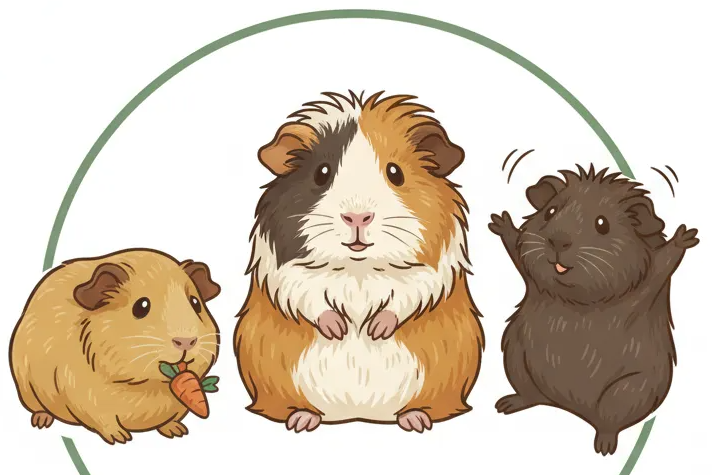
Adopting a Bonded Pair vs. Bonding Two Strangers: Pros & Cons
Hello CavyFam! Are you expanding your guinea pig family and wondering whether to adopt a ready-made pair or introduce two new friends? This decision can feel overwhelming, but you’re in the right place to find clarity.
In this guide, we’ll explore the pros and cons of each option, the step-by-step bonding process, and real-life insights from my own herd. I’ve navigated this exact choice with my own guinea pigs, Pepper, Clover, and Biscuit, learning what truly works for their happiness and safety.
What Is a Bonded Pair in Guinea Pigs?
A bonded pair consists of two guinea pigs who have formed a deep, trusting friendship through shared time and experiences. This natural attachment mirrors their wild herd instincts, where companionship ensures safety and emotional well-being.
Bonded pairs differ greatly from solitary pets or newly introduced strangers. While a single guinea pig often feels lonely and stressed, a bonded duo provides constant mutual comfort and interaction. Strangers may initially display dominance behaviors like rumbling or nipping, but bonded pairs have already established peaceful coexistence.
Littermates frequently form the strongest bonds, having grown up together. My guinea pigs Pepper and Clover, though not littermates, developed a graceful partnership over two years of shared living. Established companions groom each other, eat side-by-side, and sleep huddled close-behaviors rarely seen in new pairings.
Advantages of Adopting a Bonded Pair
- Reduced separation anxiety because the pair offers each other constant reassurance, especially during your absence.
- Easier transition into your home as they comfort one another in unfamiliar surroundings, reducing initial hiding or stress.
- Built-in socialization means they entertain each other with natural behaviors like popcorning or gentle chirping.
- Simpler daily routines since they share space, enrichment toys, and often eat together, cutting your chore time.
- Enhanced enrichment occurs naturally through their interactions, though you should still provide tunnels and hideaways.
- Cost advantages from shared housing like one large cage and communal accessories, saving on duplicate supplies.
- Established health baselines help you notice changes faster, as bonded pairs often exhibit synchronized eating and activity patterns.
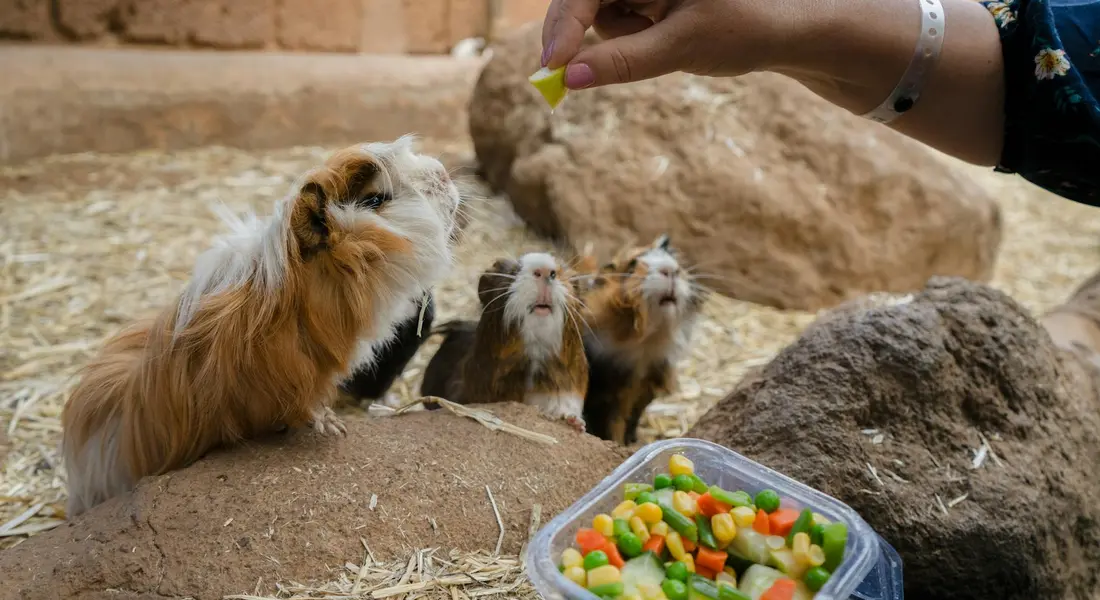
From my experience housing Pepper and Clover together, their established bond meant fewer vet visits for stress-related issues. Watching them share a cilantro sprig or nap nose-to-nose confirms that bonded pairs truly thrive on mutual dependency.
Disadvantages of Adopting a Bonded Pair
-
Finding a bonded pair in your preferred breed or color can feel like searching for a needle in a haystack. Local shelters often have limited options, so you might not easily locate specific types like Abyssinians or certain coat patterns. I remember wanting a pair with Clover’s graceful Abyssinian rosettes, but most available bonded guinea pigs were mixed breeds, which are wonderful but didn’t match my vision.
-
Health issues in one pig can ripple through the pair, complicating long-term care. If one falls ill, the stress and potential for shared environments to spread ailments mean you’re managing two vulnerable pets at once. With my guinea pigs, I’ve seen how a single health scare, like a respiratory infection, demands extra vigilance to keep both safe and comfortable.
-
Strong attachments in bonded pairs sometimes lead to limited independence and quirky behaviors. You might notice one pig becoming anxious or vocal when separated, even briefly, which can make handling or vet visits trickier. Pepper, my steady American guinea pig, once refused to eat when briefly apart from his cage mate, showing how deep these bonds run.
Benefits of Bonding Two Strangers
-
Bonding strangers gives you the freedom to pick guinea pigs based on age, personality, or rescue needs. You can select individuals who complement each other, like pairing a shy pig with a confident one to build confidence. Are those common guinea pig bonding behaviors reliable signals of compatibility? What do they mean for a long-term bond? I opted to rescue Biscuit, my reserved Peruvian, and introduce her to others, allowing me to tailor the match for a harmonious home.
-
Starting from scratch lets you shape their companionship through training and gradual introductions. This process fosters a unique bond that you guide, helping them learn to trust and play together over time. Watching Clover and a new friend slowly share hiding spots was rewarding, as their relationship grew through patient, step-by-step interactions.
-
Adopting individual guinea pigs often costs less than pre-bonded pairs, saving you money for supplies or vet care. Rescues frequently charge lower fees for singles, making it budget-friendly to provide a loving home to underprivileged pets. I’ve found that this approach lets me allocate funds toward high-quality hay and spacious habitats, ensuring their well-being. With a realistic monthly and annual budget for guinea pig care, you can forecast costs like hay, pellets, bedding, and vet visits. This planning helps ensure you can cover occasional cage upgrades or preventive care without surprises.
Challenges of Bonding Two Strangers
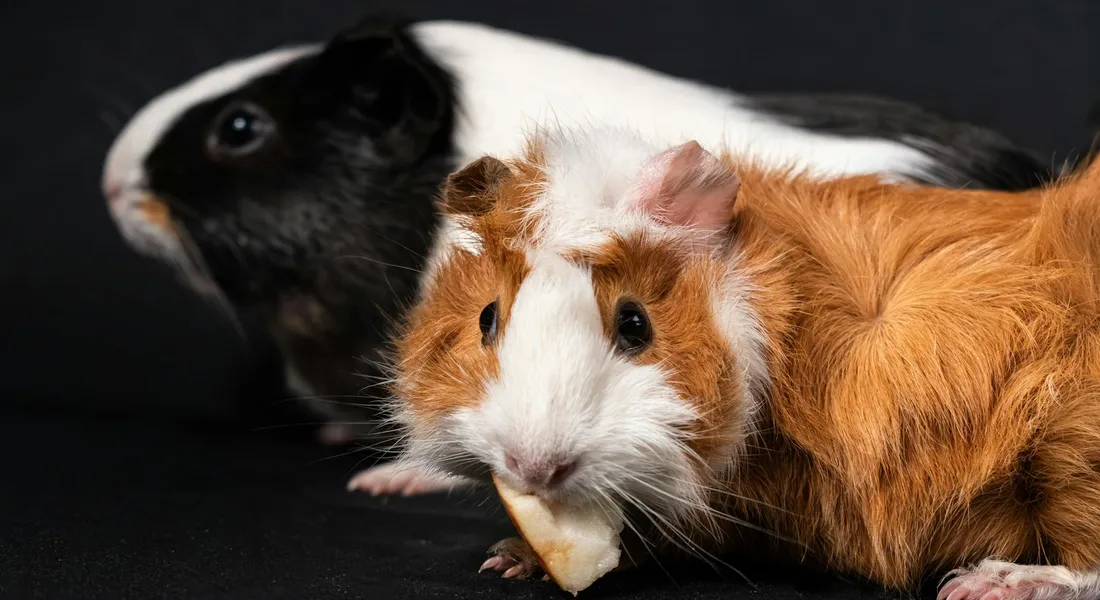
Bringing two unfamiliar guinea pigs together can feel like a high-stakes experiment. Their individual personalities, which you may not fully understand yet, are the biggest variable in whether they become friends or foes. If conflicts pop up, there are practical steps you can take to keep them safe. We’ll cover what to do if your guinea pigs are not getting along.
- The risk of compatibility issues is very real. My guinea pig, Clover, is graceful and thoughtful, while Biscuit is more reserved and intelligent. These differences can either complement each other beautifully or lead to constant friction and even aggression, like persistent chasing or nipping.
- This process can cause prolonged stress for both animals. Guinea pigs are prey animals, and the uncertainty of a new companion can keep them on high alert for weeks, suppressing their appetite and natural playful behaviors.
- If bonding fails completely, you face a tough situation. The separated pigs can develop what looks like separation anxiety, calling for each other despite their conflicts, and you must have a full backup cage ready.
- The initial time investment is significant. You are essentially a full-time mediator, supervising interactions and managing separate living spaces until you’re confident they can coexist peacefully.
- You must also account for higher initial vet care. Before any introductions, both new pigs need thorough health checks to prevent the spread of illness, which is an added cost and logistical step.
Step-by-Step Process for Bonding Two Strangers
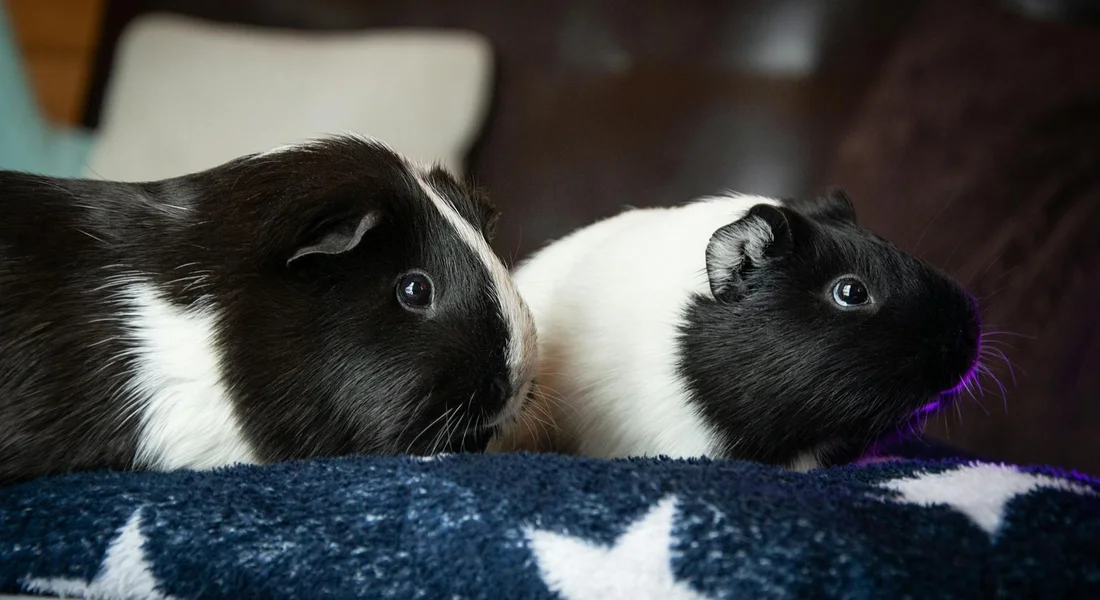
If you decide to proceed, a careful, structured approach is your best chance for success. I’ve used this method myself, and patience is the most important supply you’ll need.
-
Preparation
Start by setting up a completely neutral space that neither pig has ever been in. Scrub everything with a vinegar-water solution to remove any lingering scents that could trigger territorial behavior. This careful prep is part of properly caring for guinea pigs. A calm, well-planned setup helps ensure safe introductions and ongoing comfort. Gather multiple hideys with two exits, piles of fresh hay, and water bottles to prevent resource guarding.
-
Initial Introductions
Place both pigs in the neutral space at the same time. Watch their body language closely; a low rumble or curious nose-touch is normal, but prolonged chasing, lunging, or fur pulling means you should separate them immediately. Keep these first sessions short, around 10-15 minutes. Bonding often takes days to weeks, with multiple short sessions helping them build trust. If progress stalls, pause and try again after a break.
-
Coexisting Phase
Once they tolerate each other’s presence, you can move them into a freshly cleaned, shared cage. Double up on everything-food bowls, water sources, and hideouts-to minimize competition and give them a sense of security. Scatter veggies around the cage to encourage positive associations.
-
Monitoring and Adjustment
Observe them for the next several weeks. A little bickering as they establish a hierarchy is expected, but you must intervene if you see persistent bullying or if one pig is prevented from eating or drinking. Understanding guinea pig dominance behaviors helps you read the signals they use to form a hierarchy. This knowledge guides how you respond during this phase. If serious aggression continues, be prepared to house them separately and consider seeking help from a rescue organization.
Where to Find Guinea Pigs for Adoption
-
Start by checking local animal shelters or guinea pig-specific rescues in your area. Websites like Petfinder or Guinea Pig Finder list many adoptable pets, including bonded pairs and singles. I adopted my gentle Pepper and graceful Clover from a small animal rescue that focused on rehoming pairs. Rescues often provide detailed profiles, so you can match a guinea pig’s personality to your lifestyle right from the start.
-
Evaluate adoption sources by visiting in person if possible. Look for clean, spacious enclosures and staff who share the animals’ health histories and temperaments. Ask about any past bonding experiences to gauge compatibility. A reputable source will let you observe the guinea pigs interacting, which helps ensure you bring home pets that are healthy and well-suited to your family, especially if you’re new to guinea pigs.
-
Consider the long-term support offered by adoption organizations, like follow-up care advice or return policies. Many rescues provide resources on diet, housing, and bonding techniques. When I brought home Biscuit, the rescue’s guidance on his reserved nature made the transition smoother. Choosing an organization that offers ongoing support can ease your journey and promote lifelong well-being for your pets.
FAQs
What is involved in adopting a bonded pair of guinea pigs?
Adopting a bonded pair means bringing home two guinea pigs who are already companions, which simplifies the introduction process. You should ensure they come from a reliable source and have a properly sized cage to accommodate their shared space. This setup helps you successfully introduce the bonded pair in a new home. It also supports a calm, lasting bond between them.
How can I find bonded pair guinea pigs for adoption near my location?
Use online resources like Petfinder or Guinea Pig Finder to search for local shelters and rescues that list bonded pairs. Visiting in person allows you to assess their health and compatibility before making a decision.
Are there specific laws for adopting bonded pairs of guinea pigs?
No specific laws target bonded pair adoption; it generally falls under standard pet adoption regulations focused on animal welfare. Always verify local requirements to ensure proper care and housing for your new pets.
What are the bonded pair adoption laws in Kentucky?
Kentucky’s pet adoption laws emphasize general animal welfare, such as providing adequate shelter and nutrition, without distinctions for bonded pairs. Check with the Kentucky Department of Agriculture or local animal control for any updates or specific guidelines.
What regulations apply to bonded pair adoption in Louisville, KY?
Louisville adheres to Kentucky state laws, with local ordinances that may include licensing or care standards for adopted pets. Contact Louisville Metro Animal Services for detailed information on adoption procedures and compliance.
Your Path to Happy Guinea Pigs
Choosing a bonded pair means less work upfront, but bonding strangers lets you build a unique friendship from day one. Your decision should match your time and energy, as I learned when introducing gentle Pepper to reserved Biscuit-patience paid off beautifully.
Always focus on providing a safe, loving home and stay curious about eco-friendly choices like using washable fleece bedding. In our ultimate guide to safe bedding options for guinea pigs, you’ll find practical comparisons of fleece, paper-based bedding, and other safe choices. We’ll share tips on choosing breathable, low-dust materials and how to keep bedding clean and comfortable for your little ones. Responsible pet ownership means growing with your guinea pigs and making small, sustainable changes that benefit both them and our planet.
Further Reading & Sources
- Cat Adoption: Bonded Pairs | VCA Animal Hospitals
- Lab Rescue | Bonded Pairs Available for Adoption
- Bonded Pairs – English Springer Rescue America
- Bonded Cats – 4Paws Rescue Team
Kate is a passionate guinea pig owner and advocate for small pet welfare. With over a decade of experience caring for guinea pigs, she has become a trusted voice in the small pet community.
Uncategorized