Are Exercise Balls and Wheels Safe for Your Guinea Pig?
Hello CavyFam! You might be wondering if exercise balls and wheels are risky for your guinea pig’s well-being. It’s a common worry that many pet owners face when trying to keep their pets active and entertained.
In this article, I’ll cover key topics to give you a clear picture:
- The hidden dangers of exercise balls that can harm your guinea pig’s spine and breathing
- Why most wheels are unsafe and what specific features to avoid
- Better exercise options I’ve personally used with my guinea pigs like Pepper and Clover
- Simple steps to create a safe play environment that reduces stress and injuries
I’ve cared for guinea pigs for over five years, including my own trio-Pepper, Clover, and Biscuit-so I share advice from real-life experience.
Understanding Guinea Pig Exercise Needs
Guinea pigs are natural foragers and explorers, not marathon runners. Their bodies are built for short bursts of movement, not sustained, forced exercise in a wheel or ball. In the wild, their ancestors spent their days roaming open grasslands, nibbling on vegetation, and darting into cover at the first sign of danger.
You can see these instincts in your own pets every single day. Their typical activities are a joy to watch and perfectly suited to their physique.
- Foraging: They love to roam their enclosure, sniffing out the best bits of hay and fresh veggies.
- Popcorning: Those sudden, joyful leaps into the air are a pure expression of happiness and a great little burst of energy.
- Exploring: They enjoy investigating new tunnels, hideouts, and rearranged cage furniture.
- Social Interaction: Chattering, rumbling, and gently nudging each other are all part of their daily social exercise.
Forcing a guinea pig into a confined, moving device goes against every one of these natural behaviors. They need space to move freely on their own terms, not a prescribed path in a plastic sphere. I’ve watched my own guinea pigs, like the graceful Clover, become visibly stressed when her exploration options are limited; she’ll freeze and refuse to move, which is her way of telling me the setup isn’t right for her.
Risks of Exercise Balls for Guinea Pigs
While the idea of a guinea pig rolling around in a ball might seem cute, the reality is packed with hidden dangers. An exercise ball is one of the most hazardous items you could introduce to your guinea pig’s environment. Their bodies are simply not designed for it.
I learned this lesson early on. I once placed a younger, more timid guinea pig in a large, open-top enclosure for cleaning, and she immediately tried to hide in a corner, her breathing becoming rapid. The feeling of being exposed and confined, even without a lid, was terrifying for her. An exercise ball multiplies that fear and adds physical risk.
- Spinal Injuries: A guinea pig’s spine is rigid and does not curve. Forcing them into the rounded shape of a ball can cause serious, permanent damage to their back.
- Overheating: Plastic balls trap body heat very quickly. Guinea pigs are prone to heatstroke, and a stuffy ball can become a deadly oven in minutes.
- Respiratory Distress: The small air vents provide almost no real ventilation, causing them to breathe in their own waste gases, which is harmful to their sensitive respiratory systems.
- Toe and Leg Entrapment: Their tiny feet can easily get caught in the ventilation slats, leading to broken toes or legs as the ball moves.
- Extreme Stress: Guinea pigs are prey animals. Being trapped in a clear, moving ball where they can’t hide is terrifying. Look for signs like freezing, frantic scrambling, or loud, distressed squeaking.
- Uncontrolled Accidents: The ball can easily roll down a stairway, into furniture, or off a ledge, causing severe injury from the impact.
The risks are simply too great, and the potential for a tragic accident is always present. Your guinea pig’s health and happiness depend on safe, open-floor exercise, not a dangerous plastic prison. For practical, humane safety guidance on preventing cage escapes, see our Guinea Pigs Climb: Escape from Their Cage Safety Guide.
Wheel Safety Concerns and Limitations
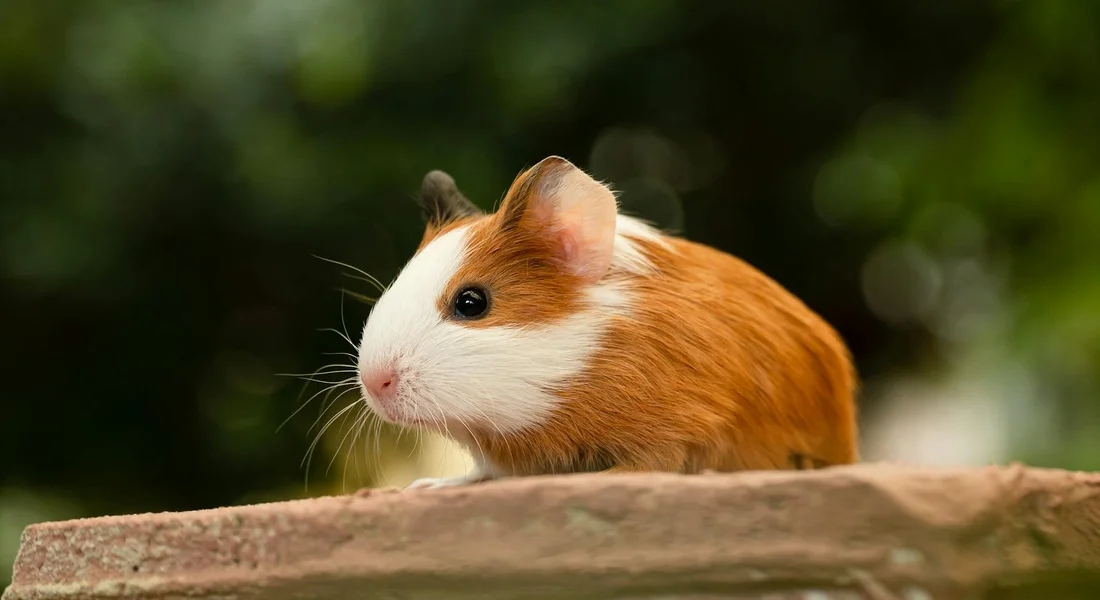
Many pet owners assume any small animal wheel will work for their cavy, but I learned the hard way this isn’t true. Guinea pigs have rigid spines not designed for the arched-back running posture most wheels force them into. This unnatural position puts constant pressure on their vertebrae and leg joints.
After trying a standard hamster wheel with my guinea pig Biscuit, I noticed he’d hop off and sit hunched. Most commercial wheels are dangerously small, causing spinal strain and potential long-term joint damage. Their bodies simply aren’t built for that curved motion.
Choosing a Safe Wheel
If you still want to try a wheel, proper sizing is non-negotiable. Follow these steps to assess safety:
- Measure your guinea pig from nose to tail base while they’re standing normally
- Select a wheel with at least 16-inch diameter – their back must remain completely flat
- Check for solid running surfaces without gaps that could trap tiny feet
- Ensure the base has non-slip padding to prevent dangerous sliding during use
- Verify the wheel turns smoothly without jerky movements that could cause falls
The escape risk factor is real too – I’ve seen clever guinea pigs use wheels as launching pads to scale cage walls. Always supervise wheel time and secure it to stable surfaces. Honestly, after watching my three guinea pigs over the years, I’ve found most are happier with flat running spaces instead of wheels.
Signs of Distress and Injury to Monitor
Our guinea pigs can’t tell us when something hurts, so we must become experts at reading their subtle signals. Learning their normal behavior patterns is your most powerful tool for spotting problems early. My gentle Pepper shows stress by hiding in her hut for hours, while vocal Clover goes strangely silent. By learning to recognize signs of pain or illness in guinea pig behavior, you can act quickly to get them the care they need. Watch for changes in appetite, activity, or grooming.
Watch for these specific distress indicators during and after exercise sessions:
- Excessive hiding or refusal to come out for treats
- Labored breathing that continues long after activity stops
- Unusual vocalizations like high-pitched squeals or teeth grinding
- Reluctance to move or favoring one leg
- Swollen joints or sensitivity when touched
| Normal Behavior | Warning Signs |
|---|---|
| Brief heavy breathing after running | Panting that continues more than 5 minutes |
| Occasional popcorn jumps | Repeated frantic jumping against cage walls |
| Content purring during handling | Loud teeth chattering or aggressive nipping |
| Normal daily napping patterns | Lethargy lasting several hours |
Any limping, visible swelling, or prolonged lethargy means immediate vet attention is needed. I once noticed Biscuit favoring his front paw and caught a minor sprain early because we went straight to our veterinarian. Trust your instincts – you know your guinea pig better than anyone.
Safer Exercise Alternatives for Enrichment
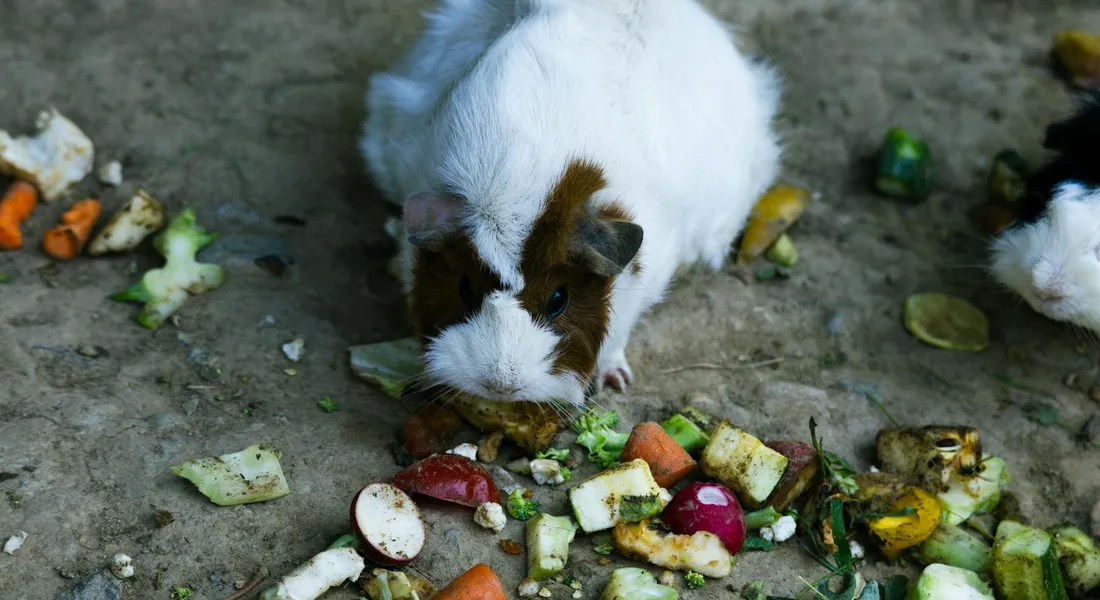
Supervised floor time in a guinea pig-proofed room is the single best way to let your pets exercise safely and explore. I always let my guinea pigs, Pepper and Clover, roam my secure living room while I’m nearby to watch them. A sturdy playpen creates a fantastic, contained area for this adventure. Inside, provide cozy hiding spots like small cardboard boxes or fleece forests so your piggies feel secure enough to come out and play. Playing and interacting during floor time is key to bonding and keeping them active.
Interactive chew toys are brilliant for mental and dental health. My pig, Biscuit, especially loves woven grass balls stuffed with a bit of parsley. They satisfy the natural urge to gnaw and keep teeth from overgrowing. You can easily rotate different toys each week to keep their environment fresh and exciting.
Create Your Own Homemade Obstacle Course
Building a simple obstacle course is fun for you and your guinea pigs. I do this every weekend using items I already have at home. Follow these steps for a safe setup:
- Gather safe materials like empty cardboard tubes, small untreated wood blocks, and fleece scraps.
- Create low ramps by leaning a piece of untreated wood against a sturdy book. Ensure the angle is very gentle.
- Make tunnels by connecting paper bags with the bottoms cut out or using wide PVC pipes.
- Scatter a few of their favorite veggie pieces along the course to encourage exploration.
- Always supervise your guinea pigs as they navigate the course to ensure they don’t get stuck or scared.
Enrichment Ideas That Mimic Natural Behaviors
Focus on activities that allow your guinea pigs to behave as they would in the wild, but without any associated risks. If you’re considering outdoor play, start with short, supervised sessions in a secure, enclosed area. Gradually increase time as your pig becomes comfortable, always monitoring for safety.
- Foraging Fun: Hide their daily pellet ration or small veggie pieces inside a clean, shallow cardboard box filled with hay.
- Social Time: Guinea pigs are herd animals. Simply allowing your bonded pair or group to interact and popcorn together is excellent exercise.
- Digging Box: Fill a shallow plastic storage tub with shredded paper or chemical-free soil for a safe digging experience.
- Novel Scents: Introduce new, safe smells by placing a sprig of fresh cilantro or dill in their play area for them to investigate.
Choosing Safe Products and Practices
When selecting any product for your guinea pig, their unique anatomy and welfare must be the top priority. Their spines are not designed for the curved, repetitive motion of a wheel or ball. I learned this the hard way after noticing my first guinea pig seemed uncomfortable on a small wheel years ago. Always choose large, flat surfaces for running, like a secure playpen floor, over any enclosed or curved exercise device.
Hygiene is a critical part of safety. I spot-clean my guinea pigs’ play area daily with a pet-safe disinfectant to prevent the buildup of bacteria from urine or droppings. A clean space prevents potential infections and keeps the environment pleasant for everyone. A complete guinea pig hygiene cleaning routine goes beyond daily spot-cleaning—it’s a full cage wash, bedding refresh, and toy sanitizing on a regular schedule. I schedule a thorough weekly clean to ensure every surface stays fresh and safe.
Preventing Accidents with Proper Flooring
Non-slip flooring is non-negotiable for guinea pig play areas. Their tiny feet need grip to run and popcorn without injury. This extends to bedding choices. For specifics, see the ultimate guide to safe bedding options for guinea pigs.
- Use fleece blankets with a non-slip backing or rubber shelf liner as a base.
- Avoid smooth surfaces like tile, vinyl, or hardwood, which can cause dangerous slips and splay leg.
- Ensure any rugs used have a very short pile and no loose loops that could catch a toenail.
I cannot overstate the value of consulting with an exotics-savvy veterinarian for a personalized exercise plan. A vet who understands guinea pigs can assess your specific pet’s health, weight, and age to recommend the perfect balance of activity. They can also advise on the safest commercial products if you’re considering any new purchases. This professional guidance is the best way to ensure a long, healthy, and happy life for your furry friends. When seeking a vet, it’s crucial to ask the right questions to ensure they’re a good fit for your pets’ needs.
FAQs

Can guinea pigs use exercise wheels designed for other pets?
No, wheels made for hamsters or similar animals are typically unsafe due to improper size and design. Always select products specifically intended for guinea pigs to avoid spinal strain and injuries.
What are the daily exercise requirements for a guinea pig?
Guinea pigs benefit from at least one hour of supervised floor time each day to encourage natural behaviors. Provide a secure, enriched space for activities like foraging and social play to meet their needs. Create a safe, fun floor-time environment for your guinea pig by setting up a contained, hazard-free play area. This helps them explore and bond while staying protected.
How can I make floor time safer for my guinea pig?
Use non-slip flooring and remove any potential hazards like electrical cords or small objects. Constant supervision helps prevent accidents and ensures your guinea pig stays stress-free during play. Avoid these common mistakes to keep your guinea pig safe.
Are there any commercial exercise products that are safe for guinea pigs?
Large, solid-surface wheels with a minimum 16-inch diameter may be acceptable if they allow a flat-backed posture. However, open playpens and homemade obstacle courses are generally safer and more enriching options.
What should I do if my guinea pig seems bored with their current exercise setup?
Introduce variety by rotating toys and adding new elements like tunnels or hidden treats. Regularly changing the environment can stimulate their curiosity and prevent boredom-related stress.
What’s the Final Verdict on Guinea Pig Exercise Gear?
Ultimately, you should skip the enclosed exercise balls entirely and only use large, solid-surface wheels if your guinea pig shows natural interest. In general, many guinea pigs benefit from several hours of floor time each day, usually in a few short, supervised sessions. Providing a spacious, enriching habitat with ample floor space for running remains the healthiest and safest form of exercise for these small pets.
Being a proactive pet parent means always seeking out reliable, species-specific information to ensure your guinea pigs thrive. Choosing sustainable, safe products and understanding their unique needs is a wonderful way to show your commitment to their lifelong well-being.
Further Reading & Sources
- Amazon.com: Guinea Pig Ball
- r/guineapigs on Reddit: Opinion on Guinea Pig exercise balls?
- Guinea Pig Balls
- Guinea Pig Ball
Kate is a passionate guinea pig owner and advocate for small pet welfare. With over a decade of experience caring for guinea pigs, she has become a trusted voice in the small pet community.
Uncategorized