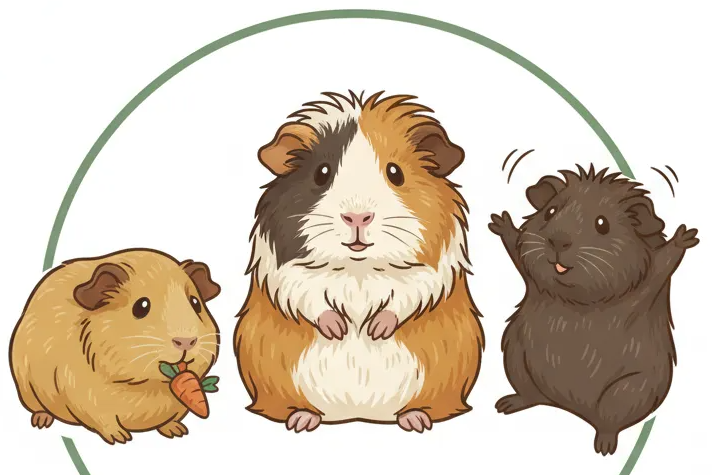
Are Guinea Pigs Actually Pigs or Something Else?
Published on: September 5, 2026 | Last Updated: September 5, 2026
Written By: Kate M. Callahan
Hello CavyFam! If you’ve ever wondered whether your guinea pig is a mini pig in disguise, you’re not alone in your curiosity.
Many pet owners feel confused by the name and worry about providing the wrong care based on this misunderstanding.
I’ll explore their scientific classification, why they’re called pigs, how they differ from swine, and what this means for their daily care. Having raised guinea pigs like gentle Pepper, graceful Clover, and intelligent Biscuit, I share insights from years of hands-on experience to help you understand these wonderful pets better.
Guinea Pig Taxonomy: Unpacking Their Rodent Roots
Scientific Classification Details
Let’s settle this once and for all: guinea pigs are rodents, not pigs. Their official scientific family is Caviidae, which firmly places them in the order Rodentia alongside mice, squirrels, and beavers. Originating in the Andean highlands of South America, wild guinea pigs live in grassy meadows and shrublands. This origin habitat helps explain their social, herbivorous lifestyle. I’ve spent countless hours watching my own trio, and their constantly growing incisors are a classic rodent trait you can’t miss.
They share a closer branch on the family tree with other cavy species like capybaras. Their biological name, Cavia porcellus, literally translates to “little pig,” which is a major source of the ongoing confusion. Their digestive systems and skeletal structures are pure rodent, perfectly adapted for a life of foraging and hiding.
Common Misconceptions in Naming
Many people hear “pig” and assume a direct relation to farm animals. The truth is, they share zero biological lineage with swine; the name is purely a descriptive misnomer from history. Their stout bodies and vocalizations might remind you of a piglet, but that’s where the similarities end.
Another widespread myth is that they are a type of rabbit or a large hamster. While they are all small mammals, guinea pigs belong to a completely different taxonomic family with unique social and dietary needs. Understanding this distinction is vital for providing the proper care they require. People often wonder whether are guinea pigs exotic pets, and the short answer is that, while not true exotics, they still need careful, knowledgeable care.
The Name Game: Origins of “Guinea Pig”
Historical Context and Domestication
The journey of how they got their name is a fascinating puzzle. One leading theory suggests “Guinea” refers to the cost of the animal when they were first brought to Europe, perhaps a “Guinea coin,” and not the country. They were exotic, expensive pets for the wealthy, a status I find amusing given how accessible they are today.
Their domestication began thousands of years ago in the Andes region of South America. Originally bred by indigenous cultures as a food source, their role shifted to companionship as they traveled across the globe on trade ships. This history explains their deep-rooted instinct to live in social groups, just like my little herd of Pepper, Clover, and Biscuit.
The “pig” part of their name likely comes from their stout bodies and the squealing and wheeking sounds they make. Hearing my guinea pigs “wheek” for their morning veggies does have an uncanny resemblance to the excited squeals of a piglet at feeding time. It’s a charming, if inaccurate, comparison that has stuck for centuries.
Biology and Behavior: What Makes Guinea Pigs Unique
Dietary Needs and Health
Their digestive system is a non-stop conveyor belt that needs constant, high-fiber fuel to function properly. I learned this the hard way when Biscuit got a little quiet, and a vet visit confirmed his gut had slowed down from not enough hay. Fresh timothy hay should make up about 80% of their daily intake.
They cannot produce their own Vitamin C, unlike most other mammals. Without a daily source of this vital nutrient, they can become seriously ill with scurvy, showing signs like lethargy and rough fur. A slice of bell pepper or a sprig of parsley is a perfect, tasty supplement.
Their teeth grow continuously throughout their lives. Providing unlimited hay and safe wooden chews is not a luxury; it’s a medical necessity to keep their teeth from overgrowing. An overgrown tooth can prevent a guinea pig from eating, which is a life-threatening emergency.
Social and Behavioral Traits
Guinea pigs are profoundly social creatures who live in complex groups in the wild, called herds. Hearing Pepper’s happy “wheek” when I enter the room is a clear sign of his social nature and anticipation. A solitary guinea pig is often a lonely and stressed guinea pig.
They communicate through a fascinating vocabulary of sounds that you will quickly learn to recognize.
- Wheeking: A loud, long whistle, usually reserved for the sound of the fridge opening or a crinkling veggie bag.
- Purring: This can mean two opposite things! A deep, relaxed purr indicates contentment, while a higher-pitched, shorter one signals annoyance or fear.
- Rumbling: A low, motor-like sound often made by a dominant male strutting his stuff.
- Chutting and Whining: Soft, conversational noises and complaints about minor inconveniences.
You will often see them exhibit a behavior called “popcorning,” where they jump straight up in the air, twisting their bodies. This sudden, joyful burst of energy is the ultimate sign of a happy, healthy pig. My Clover does this during floor time when she’s particularly excited.
Pet Care Implications: Applying Their True Identity
Housing and Environment
Because they are active, social rodents, their housing needs are specific. A standard, small pet store cage is almost always too small for even one guinea pig, let alone the recommended pair. I upgraded to a large, open-top C&C cage, and the difference in their activity and happiness was immediate.
Their enclosure must be a safe, stimulating habitat.
- Spacious Floor Plan: Aim for a minimum of 8 square feet for one pig, but 10-12 square feet for two is much better.
- Solid Flooring: Avoid wire mesh floors, which can cause painful foot infections known as bumblefoot.
- Multiple Hideys: Provide at least two hiding houses so they can have their own space and avoid conflict.
- Strategic Placement: Keep their cage in a busy family room for social interaction, but away from direct drafts, sunlight, and loud noises like televisions.
Handling and Bonding
Guinea pigs are prey animals by nature, so their first instinct is to run and hide. Building trust requires immense patience and letting them approach you on their terms, not by chasing them around the cage. I spent weeks just sitting by the cage, talking softly and offering cilantro before Pepper felt safe enough to take food from my hand. It’s a crucial step in building trust with guinea pigs.
Proper handling is crucial for their sense of security and to prevent injury. Always support their entire body, especially their hindquarters, with two hands when you lift them. Never pick them up from above like a predator would; instead, scoop them from below.
Bonding happens through consistent, gentle interaction.
- Sit with them during daily floor time in a secure, enclosed area.
- Offer their favorite veggies by hand to create positive associations.
- Speak to them in a calm, soft voice so they learn to recognize you.
- Respect their mood; if they run away, try again later instead of forcing it.
My reserved Biscuit now climbs into my lap for naps, a testament to the trust we’ve built over months of patient, respectful interaction.
Debunking Myths: Separating Fact from Fiction
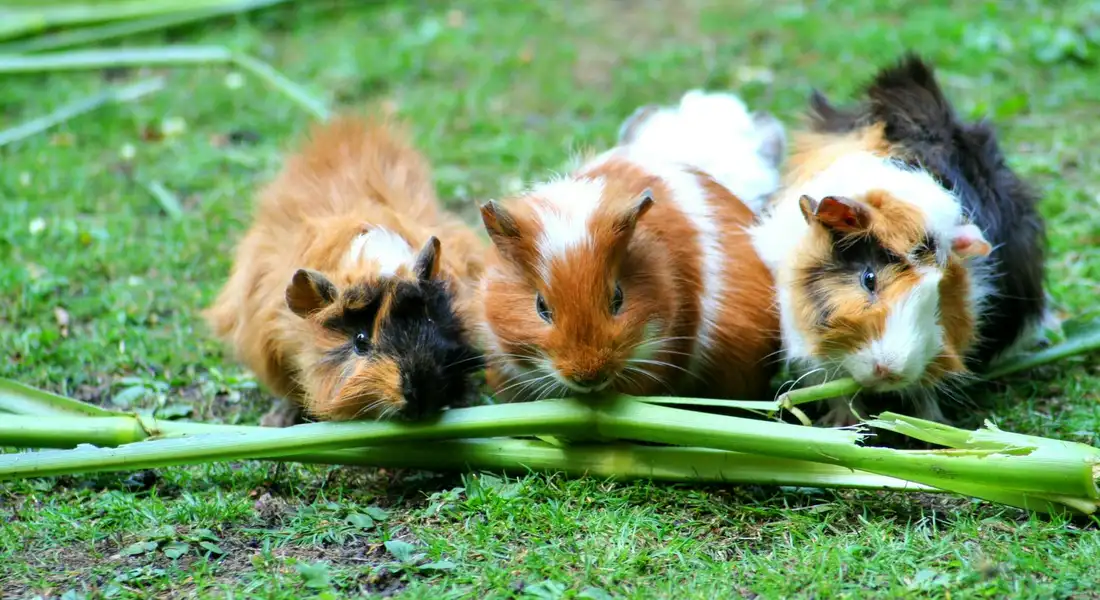
One of the biggest myths I often hear is that guinea pigs are a type of miniature farm pig. Guinea pigs are rodents, completely unrelated to the hoofed, farm-dwelling pigs we know. Their name is a historical misnomer that stuck, likely referring to the price once paid for them or the route they traveled to reach Europe. So, why are guinea pigs called guinea pigs? The name comes from historic trade quirks—Guinea or the guinea coin were associated with how they were bought and shipped into Europe, not from the animals’ origin or nature.
Another common misconception is that they are low-maintenance “starter pets” for children. From my years of caring for Pepper, Clover, and Biscuit, I can tell you this is far from the truth. Guinea pigs are complex, social creatures with specific dietary and social needs that require a serious, long-term commitment. They can live for 5-8 years, which is a significant portion of a child’s life.
Many people also believe guinea pigs can thrive alone in a small cage. Watching my trio interact has shown me how deeply wrong this is. Guinea pigs are highly social herd animals and can suffer from profound loneliness and depression without a companion. If you’re currently keeping a single guinea pig, you may be wondering whether it needs a friend. The simple answer: yes—most guinea pigs thrive with at least one other pig. I always advocate for adopting at least two, as seeing their happy “wheeking” and gentle popcorn jumps when together is proof enough.
Essential Care Summary for Happy Guinea Pigs
Providing a wonderful life for your guinea pigs is straightforward once you know the basics. A proper diet is the absolute cornerstone of their health and happiness. To properly care for guinea pigs, you also need a clean cage, fresh water, and daily enrichment. My three have taught me exactly what they need to thrive.
Daily Diet Essentials
Their digestive systems are delicate and require a constant supply of the right foods.
- Unlimited Grass Hay: Timothy hay should make up about 80% of their diet. It keeps their teeth ground down and their gut moving properly.
- Fresh Vegetables: A daily cup of fresh veggies per pig provides vital Vitamin C, which their bodies cannot produce. Our favorites are bell peppers and romaine lettuce.
- High-Quality Pellets: Offer a small, measured amount of fortified pellets daily to ensure they get all their necessary nutrients.
- Constant Fresh Water: Change their water daily in a clean, tip-proof bottle.
Creating a Proper Habitat
A cramped cage leads to a bored and unhappy pig. Providing ample space for running and exploring is non-negotiable for their well-being. I learned this after upgrading my own herd’s living quarters and seeing their personalities blossom.
- Spacious Enclosure: A minimum of 7.5 square feet for one pig, but 10.5 square feet or more for two is highly recommended. Bigger is always better.
- Safe Bedding: Use absorbent, dust-free bedding like paper or aspen shavings, and spot-clean it daily.
- Hideaways & Toys: Provide at least one hidey-house per pig so they have a safe space to retreat. Simple cardboard boxes and hay-filled paper bags make excellent, cheap enrichment.
Social and Health Needs
Caring for guinea pigs goes beyond just food and shelter. Their emotional and physical health are deeply intertwined, requiring your gentle attention. Knowing where they like to be petted helps you show affection. Many guinea pigs enjoy gentle strokes along their back or under the chin, with a calm, slow approach.
- Companionship: House them in same-sex pairs or small groups to prevent loneliness.
- Gentle Handling: Support their entire body when you hold them, and keep handling sessions short and calm to build trust.
- Veterinary Care: Find an exotics vet experienced with guinea pigs for annual check-ups. They are experts at hiding illness, so regular observation is key.
FAQs
What is the complete scientific classification of guinea pigs?
Guinea pigs are classified under kingdom Animalia, phylum Chordata, class Mammalia, order Rodentia, family Caviidae, genus Cavia, and species porcellus. This detailed hierarchy confirms their identity as rodents, not pigs, and highlights their evolutionary relationships.
Is there a visual chart that illustrates guinea pig taxonomy?
Taxonomy charts for guinea pigs typically display a tree diagram starting from kingdom down to species, showing their placement in Rodentia. These visuals help clarify their close ties to other cavies like capybaras while distinguishing them from unrelated animals.
Where can I find a PDF resource on guinea pig taxonomy?
PDFs on guinea pig taxonomy are available through academic sites or pet care databases, offering downloadable classification details. They often include summaries of scientific names and evolutionary history for easy reference.
How does guinea pig taxonomy impact their daily care as pets?
Their rodent taxonomy means they need high-fiber diets and chew toys to manage continuously growing teeth. Understanding their social roots in Caviidae emphasizes the importance of housing them with companions for mental well-being.
What does a taxonomy chart reveal about guinea pigs compared to other rodents?
A taxonomy chart shows guinea pigs share the Rodentia order but belong to Caviidae, unlike mice or hamsters. This distinction underscores unique traits like their herbivorous diet and complex social behaviors.
Your Happy, Healthy Guinea Pig Journey
Remember, guinea pigs are rodents, not pigs, which means their diet and care needs are completely different from farm animals. Providing a proper habitat with ample hay and vitamin C is the foundation of their health.
Commit to being a lifelong learner about your pet’s needs and always choose eco-friendly bedding and toys when possible. Your dedication to their well-being ensures these wonderful little creatures live their best, most comfortable lives.
Further Reading & Sources
- Guinea pig – Wikipedia
- ADW: Cavia porcellus: CLASSIFICATION
- Taxonomy browser Taxonomy Browser (Cavia porcellus)
- Cavia porcellus – an overview | ScienceDirect Topics
Kate is a passionate guinea pig owner and advocate for small pet welfare. With over a decade of experience caring for guinea pigs, she has become a trusted voice in the small pet community.
Uncategorized