Are Guinea Pigs Easy or Hard to Care For?
Published on: December 17, 2025 | Last Updated: December 17, 2025
Written By: Kate M. Callahan
Hello CavyFam! You’re probably wondering if a guinea pig is the right pet for your home. It’s a fair question, and the answer isn’t as simple as a yes or no.
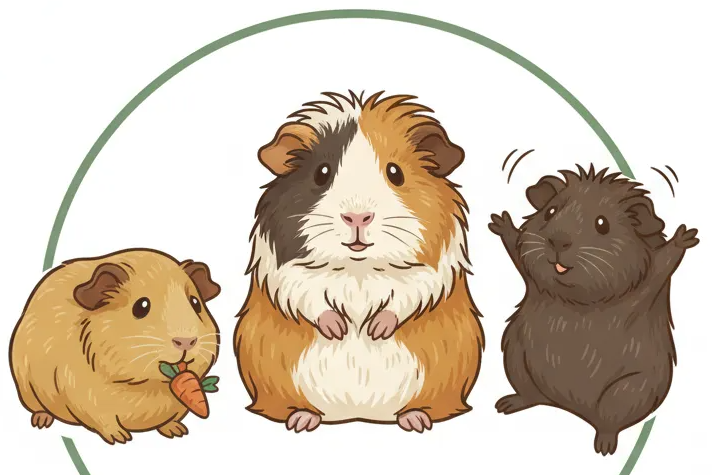
We’ll explore the realities of daily care, covering housing needs, diet, health monitoring, social requirements, and long-term commitment. I’ve learned all this through years of caring for my own trio of guinea pigs: Pepper, Clover, and Biscuit.
Understanding the Daily Work of Guinea Pig Care
Caring for guinea pigs involves a steady routine that keeps them happy and healthy. Daily tasks like feeding fresh hay and veggies are non-negotiable for their well-being. I’ve seen this with my own guinea pigs-Pepper, Clover, and Biscuit-who eagerly await their morning greens.
Start each day by refreshing their water and providing unlimited timothy hay. Hay is essential for digestion and dental health, so never let it run out. Offer a small cup of fresh vegetables like bell peppers or romaine lettuce to boost their vitamin C intake.
- Spot clean soiled bedding daily to control odors and prevent bacteria buildup.
- Spend at least 30 minutes on social interaction through gentle handling or floor time.
- Check for signs of illness, such as lethargy or changes in appetite, during your routine.
Weekly chores include a full cage cleaning and nail trimming if needed. Consistency in this routine prevents stress and health issues over time. With Clover’s graceful nature, she responds well to a predictable schedule, while Biscuit’s reserved personality means he needs extra patience during handling.
Setting Up a Healthy Guinea Pig Habitat
Choosing the Right Cage and Bedding
Selecting a proper cage is your first step toward a safe home. A spacious cage, at least 7.5 square feet per guinea pig, allows for natural behaviors like running and popcorning. I use a large C&C cage for my trio, which gives Pepper and the others room to explore without crowding. To help you plan, check our complete space requirements guide for guinea pig cages, including exact dimensions and how to calculate space for different group sizes. It also covers layout tips to keep every pig comfortable.
Bedding choices impact comfort and cleanliness. Paper-based bedding is highly absorbent and reduces dust, making it ideal for sensitive respiratory systems. Fleece liners are a reusable option that I prefer for Biscuit’s long Peruvian fur, as it stays cleaner between washes.
- Opt for cages with solid floors to protect delicate feet from injury.
- Avoid cedar or pine shavings, as they can cause respiratory issues.
- Layer bedding 1-2 inches deep for adequate absorption and burrowing fun.
Eco-friendly options like hemp or recycled paper support sustainability. Regularly replacing bedding prevents mold and keeps your pets’ environment fresh. From my experience, a well-chosen setup makes daily care much easier and more enjoyable.
Essential Habitat Enrichment and Safety
Enrichment turns a basic cage into a stimulating home. Include hideouts and tunnels to satisfy their instinct to seek shelter and reduce stress. Clover, with her thoughtful demeanor, loves curling up in a cozy fleece pouch after a busy day.
Safety is paramount to avoid accidents. Secure all cage accessories firmly to prevent tipping or chewing hazards. I always check for sharp edges and use non-toxic materials, especially since guinea pigs like Biscuit are curious chewers.
- Add chew toys made of untreated wood to support dental health.
- Rotate toys weekly to maintain interest and prevent boredom.
- Place the cage in a quiet, draft-free area away from direct sunlight or loud noises.
Incorporate foraging opportunities by scattering hay or treats. This mimics their natural behavior and keeps them mentally engaged. My guinea pigs thrive with variety, and it’s rewarding to see their personalities shine in a safe, enriched space. This is part of a complete guide for foraging your guinea pig. It covers setup, safe forage options, and ways to tailor challenges to your pet.
The Core of Guinea Pig Care: Diet and Nutrition
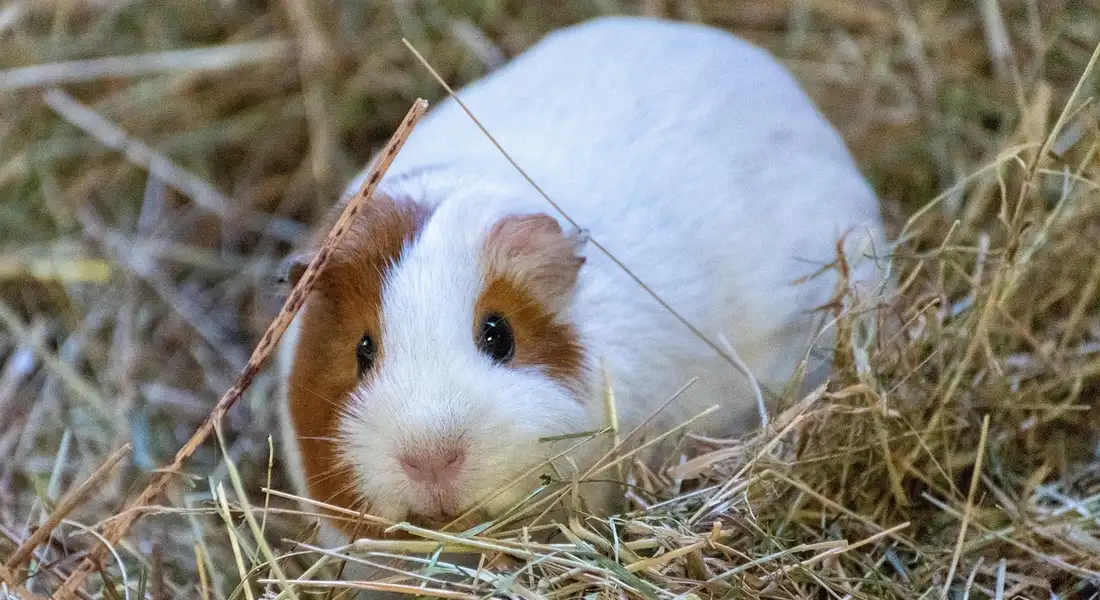
Getting their diet right is the single most important thing you can do for your guinea pig’s health. I’ve learned through years of experience that a balanced diet prevents most common health issues before they even start. It’s not complicated, but it does require consistency and knowing exactly what their little bodies need to thrive. That ideal overall diet for a healthy guinea pig centers on unlimited hay, fresh vegetables, and clean water, with pellets kept as a measured supplement. This simple framework helps ensure long-term well-being.
A Simple Daily Feeding Routine
Think of their daily meals in three simple parts: unlimited hay, a small portion of pellets, and a fresh salad. This routine mimics their natural foraging behavior and keeps their digestive systems running smoothly. My three pigs, Pepper, Clover, and Biscuit, know this schedule by heart and start “wheeking” with excitement every morning.
Here is the exact routine I follow for my herd:
- Morning (8 AM): I refresh their unlimited Timothy hay rack and give them their daily serving of fortified pellets.
- Late Afternoon (4 PM): This is veggie time! I prepare a fresh bowl of leafy greens and other safe vegetables.
- Evening (9 PM): I do a quick spot-clean of their cage and top up their hay one last time for the night.
Let’s break down each component of their diet in detail.
Unlimited Timothy Hay
Hay should make up about 80% of what your guinea pig eats every single day. Timothy hay is non-negotiable because it provides the essential fiber needed for healthy digestion and constantly grinds down their ever-growing teeth. I always make sure their hay rack is full and offer a fresh handful a few times a day to encourage eating.
Measured Pellets & Crucial Vitamin C
Not all pellets are created equal. You must choose a high-quality, plain Timothy hay-based pellet that is fortified with Vitamin C. Guinea pigs cannot produce their own Vitamin C, so they must get it from their diet every day to prevent scurvy. I give each of my pigs about 1/8 cup of pellets daily, ensuring they eat their hay first.
The Fresh Veggie Salad
This is the fun part for both you and your pet! A daily cup of fresh vegetables provides moisture, variety, and that critical boost of Vitamin C. I treat their veggie bowl like a colorful salad bar, focusing on dark, leafy greens as the base.
Here are my pigs’ favorite safe options:
- Daily Staples: Romaine lettuce, green leaf lettuce, cilantro, and a bell pepper slice (a Vitamin C powerhouse!).
- Occasional Treats (2-3 times a week): Carrot tops, zucchini, cucumber, or a small piece of apple.
Always introduce new foods one at a time and in tiny amounts to see how their stomach handles it.
Fresh, Clean Water
Change their water every single day without fail. I use a glass water bottle because it stays cleaner than plastic and doesn’t leach chemicals. Check the sipper tube daily to make sure it isn’t clogged, especially if you use vitamin C drops in the water.
Grooming and Health: The Preventative Care Plan
Keeping your guinea pig healthy isn’t just about reacting to problems; it’s about preventing them from ever starting. A consistent, weekly health check is your single most powerful tool for catching small issues before they become big, expensive emergencies. For owners following a weekly care routine, this ultimate checklist helps you stay on top of grooming, teeth, eating, and overall well-being. Keep it handy as a simple, actionable guide you can reference every week. I learned this the hard way with Clover, whose subtle weight loss was an early sign of a dental issue we caught just in time.
Your Weekly Health Check Guide
Set aside 10-15 minutes each week for this hands-on examination. Performing this check at the same time each week helps you establish a baseline for what’s normal for your specific pig. My pig Biscuit, for instance, has always had slightly drier skin than the others, which I now know is just his normal.
Step 1: The Visual Once-Over
Before you even touch your guinea pig, sit quietly and just watch. Look for these key signs:
- Bright, clear eyes with no crust or discharge.
- A dry nose, free of any bubbly or colored mucus.
- Clean ears without redness, wax buildup, or a bad smell.
- Smooth, un-matted fur. Check for any bald patches or flaky skin.
Step 2: The Gentle Hands-On Exam
Now, gently hold your guinea pig on your lap on a soft towel. Speak softly to keep them calm.
- Feel their body: Run your hands along their back and sides. You should be able to feel their ribs with a gentle press, but they shouldn’t be sharply visible. A sudden weight change is a major red flag.
- Check their feet: Look at the bottom of their feet for any redness, sores, or swelling. This is especially crucial for heavier pigs.
- Inspect their rear end: Ensure this area is clean and free of stuck bedding or droppings. A dirty bottom can attract flies and lead to a serious condition called flystrike.
- Look at their teeth: You don’t need to pry their mouth open. Just check that the front teeth (incisors) aren’t obviously overgrown, broken, or misaligned.
Step 3: Behavior and Appetite Watch
A guinea pig’s behavior tells you everything. Any shift from their normal routine is worth noting.
- Are they eating and drinking as enthusiastically as usual?
- Are they active, popcorning, and exploring, or are they hiding and lethargic?
- Is their breathing quiet and even, or is it labored or noisy?
Trust your gut; you know your pet’s personality better than anyone. If Pepper, who is usually my steady, mellow guy, suddenly becomes skittish and refuses his favorite cilantro, I know something is up.
How Guinea Pig Care Compares to Other Small Pets
Many people ask me how guinea pigs stack up against other popular small pets. From my years of caring for Pepper, Clover, and Biscuit, I can tell you that each animal has a unique set of needs and rewards. It’s less about which is “better” and more about which pet’s lifestyle best fits your own.
Guinea Pigs vs. Hamsters: A Care Comparison
On the surface, they might seem similar, but their care is worlds apart.
- Lifespan: Guinea pigs live 5-8 years, while hamsters typically live 2-3 years. A guinea pig is a much longer commitment.
- Social Needs: This is the biggest difference. Guinea pigs are highly social and can get very lonely. I’ve seen how much happier my trio is together. Hamsters are mostly solitary and prefer to live alone.
- Space Requirements: Guinea pigs need a much larger enclosure. A single hamster can live in a well-equipped cage, but guinea pigs require a spacious habitat to run and “popcorn.”
- Handling & Temperament: Guinea pigs are generally calmer and more predictable. They often enjoy gentle handling once they trust you. Hamsters are nocturnal and can be nippy if woken during the day.
- Diet: Guinea pigs have a strict need for daily vitamin C, which means a consistent supply of fresh veggies. Hamster diets are simpler, primarily consisting of commercial pellets and seed mixes.
My gentle Pepper is a perfect example of a guinea pig’s steady, interactive nature, which is quite different from a hamster’s more independent lifestyle.
Guinea Pigs vs. Rabbits: A Care Comparison
Both are fantastic pets, but their care routines have distinct challenges.
- Housing: Both need significant space. However, many rabbit owners successfully litter-train their bunnies for free-roaming time in a rabbit-proofed room. Guinea pigs are less commonly litter-trained and usually live in a large, contained pen.
- Dietary Complexity: Their diets are surprisingly similar-both need unlimited hay and fresh vegetables. The key difference is that guinea pigs cannot produce their own vitamin C, making it a non-negotiable part of their daily diet.
- Veterinary Care: Both require exotic vets, which can be more expensive than a standard dog or cat vet. Rabbits need regular vaccinations against specific diseases, while guinea pigs do not.
- Social Interaction: Both are social, but they express it differently. My guinea pigs communicate with a symphony of wheeks and purrs. Rabbits can be more reserved but form incredibly deep bonds, often showing affection through gentle nudges and grooming.
- Grooming: This depends heavily on the breed. My Peruvian, Biscuit, requires daily brushing, similar to a long-haired rabbit. Short-haired guinea pigs and rabbits have much lower grooming needs.
Ultimately, a rabbit might integrate more like a free-roaming cat, while a guinea pig family becomes a delightful, chatty centerpiece in your living space.
The Real Cost of Guinea Pig Responsibility

Many people see a small, gentle creature and assume the costs will be minimal. Let me walk you through the real financial commitment, based on my years of sharing my home with Pepper, Clover, and Biscuit. The initial setup is often the most surprising expense for new owners.
Initial Setup and Habitat Costs
You cannot skimp on their living space. A proper cage is your first major purchase.
- Enclosure: A single guinea pig needs at least 7.5 square feet, but pairs or trios need 10.5 square feet or more. A high-quality C&C (Cubes & Coroplast) cage can cost between $80 and $150.
- Bedding: Paper-based or fleece liners are best for their delicate feet. A bag of paper bedding runs about $20, while a reusable fleece set is a $30-$50 upfront investment.
- Hideouts & Accessories: They need at least one hidey-house per pig. Tunnels, hay racks, and heavy ceramic food bowls add another $50 to $100 to your start-up cost.
Recurring Monthly Expenses
This is where the ongoing responsibility truly lies. Their diet is non-negotiable.
- Unlimited Hay: A fresh, high-quality timothy or orchard grass hay must be available 24/7. A large bag costs around $25 and lasts my trio about three weeks.
- Fresh Vegetables: A daily salad of romaine lettuce, bell peppers, and cilantro is essential for Vitamin C. This adds about $30-$40 to your monthly grocery bill.
- Premium Pellets: Look for plain, timothy hay-based pellets without colorful bits. A small bag is roughly $10 a month.
Veterinary and Health Care
This is the cost many hopeful owners forget to budget for. Guinea pigs are prey animals and hide illness brilliantly. A realistic monthly and annual breakdown helps you budget for vet visits, food, bedding, and housing.
- Annual Check-ups: A wellness exam for one pig can cost $50-$80. For my three, it’s a significant line item every year.
- Unexpected Illness: A simple respiratory infection can lead to a $200 vet bill. More complex issues like bladder stones can easily exceed $500.
- Nail Trims: If you’re not comfortable doing it yourself, a groomer or vet will charge $15-$20 per pig every month.
Owning a guinea pig is a long-term financial promise, not a one-time purchase. Their gentle nature brings immense joy, but that joy comes with a very real and recurring price tag that deserves your full consideration. Before getting your first guinea pig, ask if you can commit to years of care. Do you have the time, space, and budget to meet its needs?
My Personal Journey: The Joys and Challenges
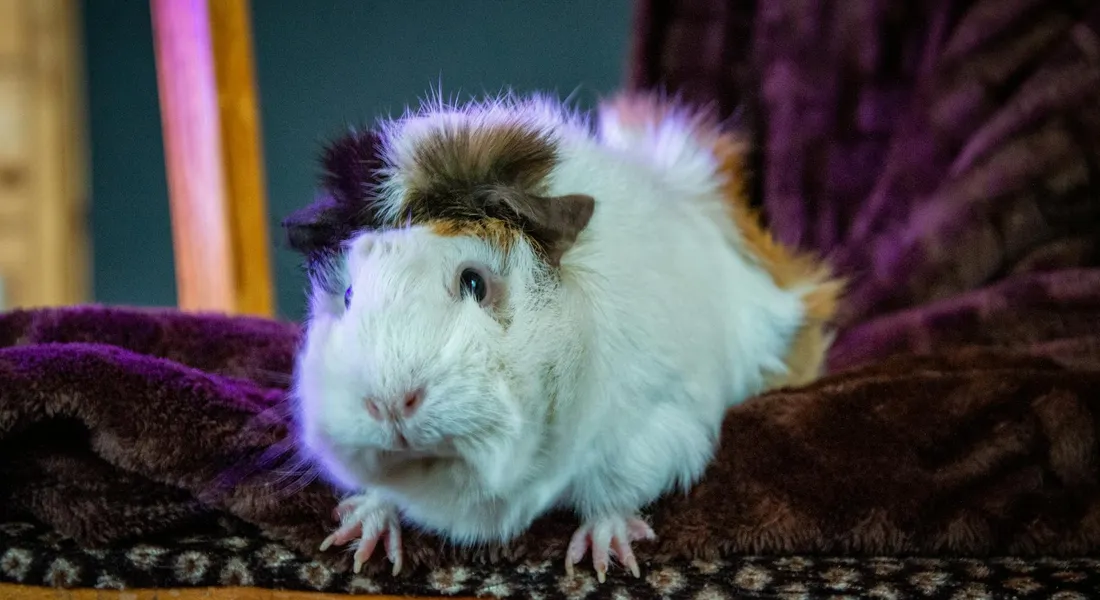
When I first brought Pepper, Clover, and Biscuit home, I quickly learned that guinea pig care blends sweet moments with real responsibilities. Each day with them teaches me something new about their needs and quirks. Their soft fur and cheerful wheeks make the effort worthwhile, but I’ve faced hurdles that required patience and adaptation.
The Joys That Make It All Worthwhile
Watching my guinea pigs explore and interact fills my heart with happiness. Their individual personalities shine through in everyday moments, creating a bond that’s deeply rewarding. For instance, Pepper’s steady nature means he’s always there for a gentle nuzzle when I need comfort.
- Pepper, my American guinea pig, greets me with soft purrs every morning, showing his gentle and steady character.
- Clover, the Abyssinian, moves with such grace that I often find myself mesmerized by her thoughtful pauses during play.
- Biscuit, the Peruvian, might be reserved, but his intelligence surprises me when he solves simple puzzles for treats.
Hearing their excited squeaks when I rustle a bag of fresh veggies is a sensory delight I never tire of. Providing a safe, comfortable home lets me see them thrive, which reinforces my commitment to their well-being. Simple acts, like arranging their hideouts, turn into opportunities for enrichment that keep them active and happy.
Challenges I’ve Overcome with Care
Guinea pigs demand consistent attention to stay healthy and content. Regular cage cleaning is non-negotiable to prevent odors and health risks, something I learned the hard way early on. I use eco-friendly paper bedding to keep their space cozy and reduce environmental impact. A complete guinea pig hygiene cleaning routine includes daily spot-cleaning, weekly cage scrubs, and regular bedding changes to keep them thriving. Consistency is key.
- Monitor their diet daily to ensure enough vitamin C, as deficiencies can lead to serious issues-I supplement with fresh bell peppers and leafy greens.
- Watch for signs of illness, like changes in eating habits; Clover once had a minor respiratory infection that needed prompt vet care.
- Manage their social needs by providing companionship-guinea pigs are herd animals, so isolation can stress them out.
Balancing their care with my schedule taught me to set up routines that prioritize their comfort. Investing time in understanding their behaviors helps me spot problems before they escalate, making the challenges manageable. For example, Biscuit’s reserved nature means I give him extra space to feel secure, which has strengthened our trust over time.
FAQs
How much time does daily guinea pig care require?
Daily care usually takes 30-60 minutes for feeding, spot cleaning, and social interaction. Staying consistent with this routine helps prevent health issues and keeps your guinea pigs content. This is all part of properly caring for guinea pigs. Make sure they have fresh water, a hay-based diet, and a clean, spacious enclosure.
Are guinea pigs good pets for beginners?
Guinea pigs can be suitable for beginners who are prepared for their social needs and daily care commitments. However, their long lifespan and specific diet require a responsible and attentive owner. On average, guinea pigs live about 5 to 7 years. This long lifespan means prospective owners should be prepared for a long-term commitment.
What are the most common health problems in guinea pigs?
Frequent health issues include respiratory infections, dental overgrowth, and scurvy from vitamin C deficiency. Early detection through regular monitoring and a balanced diet can minimize these risks.
How can I save money on guinea pig supplies?
Purchase hay in bulk and opt for reusable fleece bedding to cut down on recurring costs. DIY enrichment items like cardboard tunnels can also reduce expenses while keeping your pets entertained.
Where can I find a comprehensive guinea pig care guide?
Look for detailed guides on reputable pet care websites or guinea pig enthusiast communities like Reddit. Many exotic veterinarians provide free care sheets or digital guides tailored for new owners. These resources can also help you plan your new guinea pig’s first veterinary check-up, including what questions to ask and what records to bring. A good check-up will cover diet, housing, dental and general health basics, helping you start on the right foot.
Your Path to Happy Guinea Pig Parenting
Guinea pigs thrive with daily attention to their living space and diet, making care manageable when you establish a solid routine. Based on my time with Pepper, Clover, and Biscuit, I’ve found that a mix of high-quality hay, fresh veggies, and safe hiding spots keeps them content and healthy.
Always prioritize your pet’s welfare by staying curious and adapting your care methods as you learn more. Opt for reusable or biodegradable supplies to support eco-friendly habits that benefit both your guinea pigs and the planet.
Further Reading & Sources
- How to Care for Your Guinea Pig: A Guide for Pet Parents | PetMD
- Guinea Pigs: Why They’re Not Starter Pets | PETA
- r/guineapigs on Reddit: Please, give me all your Guinea Pig care tips.
- Guinea Pig Care Guide – Penny & Wild
Kate is a passionate guinea pig owner and advocate for small pet welfare. With over a decade of experience caring for guinea pigs, she has become a trusted voice in the small pet community.
Uncategorized