How to Tell if Your Guinea Pig Actually Enjoys Being Petted
Published on: March 14, 2026 | Last Updated: March 14, 2026
Written By: Kate M. Callahan
Hello CavyFam! Ever find yourself gently stroking your guinea pig and wondering if they truly like it, or if they’re just tolerating the attention? It’s a common worry for loving pet owners who want the best for their furry friends.
In this guide, we’ll explore the clear signals your guinea pig gives you, covering their unique vocalizations, relaxed body language, and common behavioral responses.
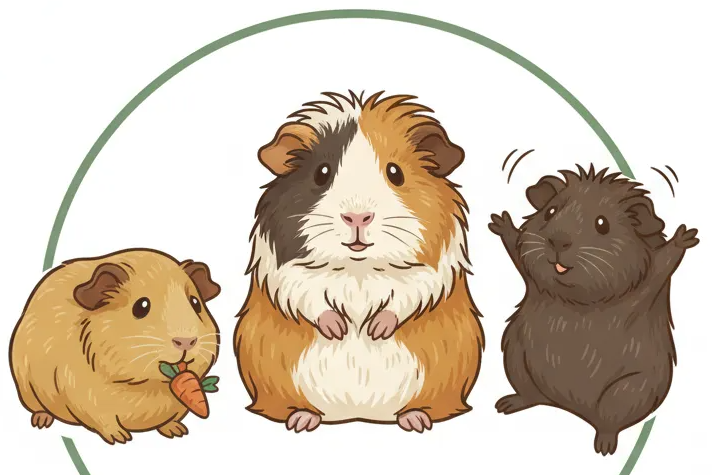
Having shared my home with guinea pigs like gentle Pepper, graceful Clover, and intelligent Biscuit, I’ve learned to understand their individual preferences through daily interaction and careful observation.
Understanding Guinea Pig Body Language Basics
Guinea pigs speak volumes with their bodies, not words. Learning their unique signals is the first step to building a trusting relationship where they genuinely enjoy your touch. It’s like learning a new, quiet language of twitches and postures. Are these common bonding behaviors signs of trust? What do they really mean?
My guinea pig, Biscuit, taught me this. At first, I thought her stillness meant she was content. I soon realized a frozen, tense guinea pig is often a scared one, not a happy one. True enjoyment comes with soft, deliberate movements.
Positive Signs Your Guinea Pig Loves the Attention
When your guinea pig truly enjoys being petted, they will show you in clear, wonderful ways. These are the moments that make all the effort of caring for them so rewarding. You’ll feel a deep sense of connection.
Relaxed Postures and Movements
A comfortable guinea pig looks like a melted puddle of fur. Look for a body that is fully stretched out, with legs splayed comfortably to the side. This is the ultimate sign of trust.
- Soft, floppy body with no muscle tension
- Slow, deliberate blinking or half-closed eyes
- Gently pushing their head up into your hand for more scratches
- Nuzzling or leaning into your petting fingers
My Abyssinian, Clover, does a special “flop” when I scratch behind her ears. This complete relaxation is a surefire sign you’ve found their favorite petting spot. It’s a moment of pure bliss for both of you.
Vocal Clues of Contentment
Guinea pigs have a whole vocabulary of happy sounds. The most common sign of pleasure is a low, rumbling purr, which feels like a tiny motor running. It’s distinctly different from a high-pitched, alarmed squeak. For new owners, this quick guide helps you interpret what these sounds signal. Understanding these cues lets you respond to your pet’s moods and needs more effectively.
- Soft, bubbling “purring” noises during gentle strokes
- Contented “wheeking” when you approach, anticipating affection
- Chirping or cooing sounds, which are rarer but indicate deep happiness
- A complete lack of sharp, startled squeals
Pepper, my American guinea pig, purrs loudly when I pet his golden-brown back. Listening for these happy sounds is just as important as watching their body language. It confirms that your touch is a source of comfort, not stress.
Warning Signs Your Guinea Pig Is Uncomfortable
Body Language That Says “Stop”
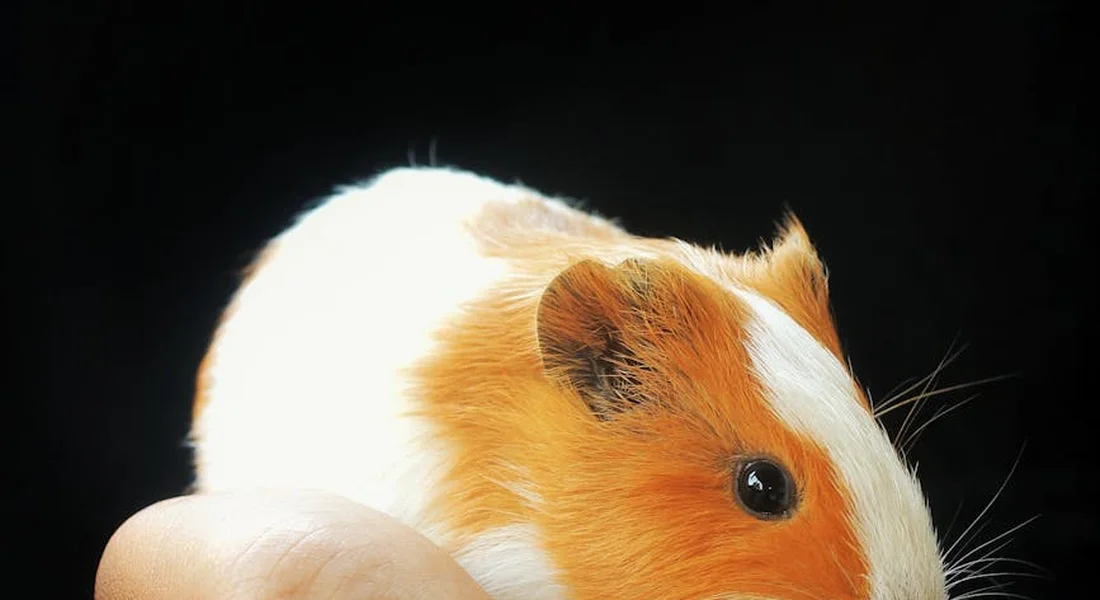
Guinea pigs communicate discomfort through subtle cues that are easy to miss if you’re not looking closely. By learning to interpret their body language—their posture, movements, and facial expressions—you can spot concerns early. Recognizing these signals early helps prevent stress and builds a trusting bond with your pet.
When I first handled Biscuit, my reserved Peruvian, I noticed she’d flatten her body against the floor. This flattening is a classic sign of fear, as if they’re trying to make themselves invisible.
-
Freezing in place: If your guinea pig suddenly stops moving and feels rigid, it’s often a defense mechanism. Pepper, my gentle American, does this when overwhelmed.
-
Loud, high-pitched squeals: Unlike happy chirps, distressed squeals are sharp and persistent, signaling “back off now.”
-
Teeth chattering: A rapid clicking sound means irritation or aggression; I’ve heard this from Clover when she’s had enough.
-
Attempting to hide or flee: Squirming, darting away, or burrowing into bedding shows they feel unsafe and need space.
Watch for a hunched posture or ears pinned back, which indicate tension. Respecting these signs is crucial for their well-being and reinforces positive interactions.
How to Pet Your Guinea Pig for Maximum Enjoyment
Step-by-Step Petting Guide
Building a routine that your guinea pig loves takes patience and observation. Start with slow, predictable movements to help them feel secure and in control. To fit this into your weekly care routine, use it as the foundation for the ultimate weekly checklist owners rely on, covering feeding, grooming, and enrichment. Keep observing cues and adjust as needed throughout the week.
-
Approach calmly and let them initiate: Sit near their enclosure and extend a hand without sudden moves. Allow them to sniff you first-this builds curiosity, not fear.
-
Begin with gentle strokes on safe areas: Use one or two fingers to lightly pet their back or chin, avoiding direct eye contact which can seem threatening.
-
Observe their reactions closely: Look for relaxed behaviors like soft purring or leaning into your touch. If they tense up, pause and try again later.
-
Keep sessions short and sweet: Limit initial petting to a few minutes to prevent overload, gradually extending time as they become more comfortable.
With Pepper, I found that consistency-petting at the same time daily-helped her anticipate and enjoy our interactions. This step-by-step method reduces anxiety and turns petting into a rewarding experience for both of you.
Where and How to Touch
Guinea pigs have specific spots they prefer, and getting it right makes all the difference. Focus on areas where they naturally groom or socialize to mimic comforting behaviors. Understanding guinea pig grooming behaviors and social bonding helps in identifying these areas.
-
Under the chin and behind the ears: These are often favorite zones; use slow, circular motions with your fingertips. Clover, my graceful Abyssinian, melts when I stroke here.
-
Along the back and shoulders: Light, downward strokes in the direction of their fur feel soothing and mimic how they nuzzle each other.
-
Avoid the belly and feet: These areas are sensitive and can trigger defensive bites or squirms-stick to less vulnerable parts.
Always use a soft touch and vary pressure based on their response. Paying attention to their cues ensures every petting session is a joy, not a chore.
Building Trust for Better Petting Sessions
Trust is the foundation of any enjoyable petting session with your guinea pig. Patience and consistency are your greatest allies here, as forcing interaction will only set you back. I learned this firsthand with my shy Peruvian, Biscuit, who needed weeks of quiet sitting near his cage before he’d even approach my hand.
Start With Short, Predictable Interactions
Begin by simply placing your hand calmly inside the cage for a few minutes each day. Let your guinea pig initiate contact by sniffing or nudging you first, which builds their confidence. Speak in a gentle, reassuring voice so they associate your presence with safety. This is part of properly caring for guinea pigs. Also, keep their cage clean and provide fresh water and a steady supply of hay.
- Sit near their enclosure daily without attempting to touch them
- Offer a small piece of veggie from your palm to encourage approach
- Keep initial petting sessions under five minutes to prevent overwhelm
Learn Their Unique Communication Style
Each guinea pig has distinct preferences, much like my trio. Observing their subtle body language helps you tailor interactions to what they genuinely enjoy. Pepper enjoys long strokes, while Clover prefers brief chin scratches.
Common Petting Mistakes to Avoid
Many well-meaning owners accidentally create stress during handling. Recognizing and avoiding these common errors can transform your bonding experience. I’ve made several of these mistakes myself, particularly with my more reserved guinea pigs.
Never Approach From Above
Guinea pigs are prey animals with a natural fear of shadows and sudden movements. Always bring your hand toward them at their eye level, moving slowly from the side rather than looming overhead. This prevents the instinctual panic response that ruins trust. If aggression shows up in the cage, it may look like nipping, circling, or racing away. Knowing these Signs of guinea pig aggression helps you stop it quickly and safely.
- Crouch down to their level before attempting contact
- Let them see and sniff your hand before touching
- Avoid quick, jerky motions that trigger flight responses
Respect Their Personal Space Signals
Watch for clear signs of discomfort during petting. If your guinea pig freezes, tries to move away, or makes tense, high-pitched squeaks, they’re asking for space. Continuing to pet them despite these signals teaches them that their boundaries don’t matter.
- Freezing in place with wide eyes
- Twitching or shaking their head sharply
- Walking or running away from your hand
- Nipping gently (their final warning)
Don’t Pet Against the Fur Direction
While some animals enjoy rough scratching, guinea pigs generally prefer gentle strokes. Always pet in the direction their fur grows, using soft, consistent pressure. Going against the grain can feel uncomfortable or even painful for them.
Focus on their preferred spots like behind the ears or under the chin. My Abyssinian Clove particularly loves gentle cheek rubs, while Biscuit only tolerates brief back strokes. Learning these individual preferences makes all the difference between tolerated handling and genuine enjoyment.
FAQs
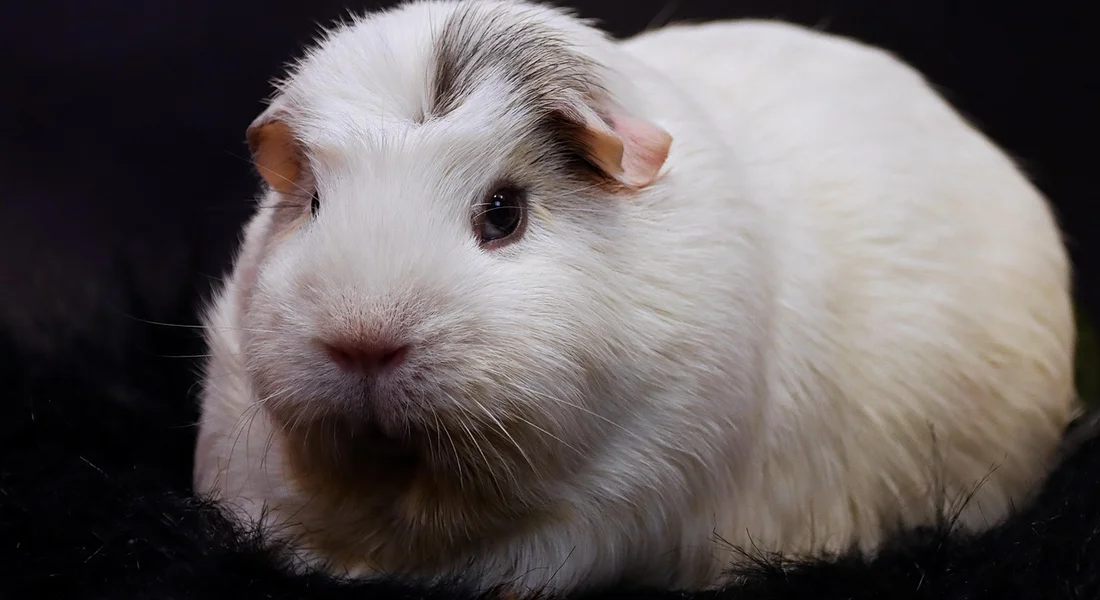
What is a guinea pig petting zoo?
A guinea pig petting zoo is a supervised event or facility where people can interact with and gently pet guinea pigs. It’s often used for educational outreach or as a family-friendly activity to promote animal care awareness.
Where can I pet a guinea pig near me?
You can often find opportunities to pet guinea pigs at local petting zoos, animal shelters, or guinea pig rescue centers that host public events. Check online resources or community boards for scheduled meet-ups or adoption days in your area.
What is a guinea pig petting chart?
A guinea pig petting chart is a visual guide that illustrates safe and preferred areas to pet your guinea pig, such as the chin or back. It helps owners avoid sensitive spots and enhance their pet’s comfort during interactions.
Why is my guinea pig getting fat?
Your guinea pig may be gaining weight due to overfeeding, a diet high in sugary treats, or insufficient exercise. Monitor their food intake and ensure they have ample space and time for daily activity to maintain a healthy size.
How can I tell if my guinea pig is getting old?
Signs of aging in guinea pigs include reduced mobility, graying fur, and a decrease in energy levels or appetite. Regular veterinary care can help manage age-related changes and keep your pet comfortable in their senior years. As guinea pigs age, they may face health issues such as dental problems, arthritis, and digestive changes. A proactive senior care routine and regular vet visits can help address these concerns and support your pet’s comfort and quality of life in later years.
Your Guinea Pig’s Happiness Guide
Pay close attention to your guinea pig’s signals, like relaxed purring or gentle nuzzling, to know they’re enjoying petting. Always respect their boundaries by stopping if they show signs of stress, such as squeaking or trying to escape. Learn to tell if your guinea pig is stressed or anxious by watching for changes in posture and vocalizations. If you notice stress cues, pause and give them space.
As a dedicated owner, keep exploring eco-friendly care options, like using biodegradable bedding or safe, natural toys. Your commitment to learning and sustainable practices ensures a healthier life for your pet and a greener world for all.
Further Reading & Sources
- Where Do Guinea Pigs Like to be Pet? – How to Pet Your Guinea Pig – GuineaDad
- Where Do Guinea Pigs Like To Be Petted? – Lafeber Co. – Small Mammals
- Do Guinea Pigs Like to be Petted? (And How to Pet Them Correctly) | Pocket Pet Central
- General – Does your guinea pig like to be pet? – Guinea Pig Cages
Kate is a passionate guinea pig owner and advocate for small pet welfare. With over a decade of experience caring for guinea pigs, she has become a trusted voice in the small pet community.
Uncategorized