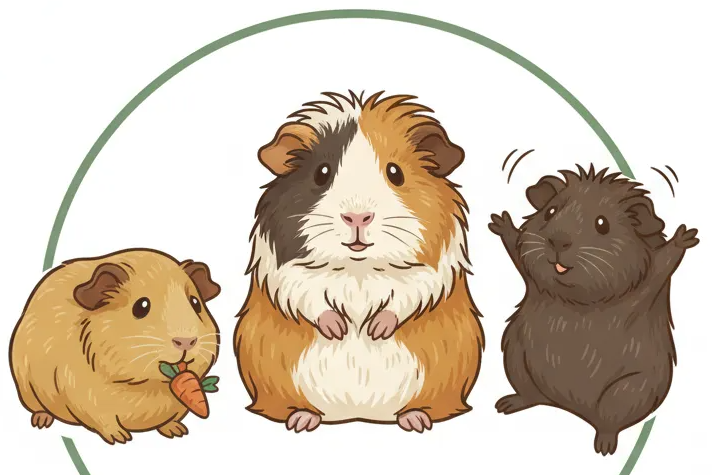
Essential Vitamins and Supplements for Guinea Pigs
Published on: January 25, 2026 | Last Updated: January 25, 2026
Written By: Kate M. Callahan
Hello CavyFam, do you ever worry if your guinea pig’s diet is missing key nutrients? Many owners fear hidden deficiencies that could impact their pet’s vitality and happiness.
I’ll explore vitamin C essentials, calcium-rich foods, supplement types, and common feeding mistakes. With years of firsthand experience raising guinea pigs like Pepper and Clover, I offer trusted guidance to keep your pets thriving.
The Essential Role of Vitamin C for Guinea Pigs
-
Guinea pigs cannot make their own vitamin C, so they rely entirely on their diet to avoid scurvy. This makes daily vitamin C intake non-negotiable for their health.
-
Adult guinea pigs typically need 10-30 mg of vitamin C daily, while young, pregnant, or ill pigs might require up to 50 mg. Always adjust based on your pet’s specific life stage and health needs.
-
Watch for deficiency signs like swollen joints, rough fur, or lethargy. Early detection can prevent serious health issues down the road.
-
Feed vitamin C-rich veggies daily, such as bell peppers, kale, or broccoli. Safe greens and other vegetables are key parts of a guinea pig diet. Rotating these keeps meals exciting and nutritious for your guinea pig.
-
Supplements come as tablets, powders, or drops-tablets can be crushed into food, powders mixed with water, and drops added directly. Choose based on what your guinea pig tolerates best to ensure consistent intake.
-
Overdose symptoms include diarrhea or stomach upset; stick to recommended doses to stay safe. Exceeding 100 mg daily can be harmful, so measure carefully.
Why Guinea Pigs Depend on Vitamin C
-
Ascorbic acid boosts immune function and collagen production, vital for healthy skin and joints. Without it, guinea pigs become vulnerable to infections and poor wound healing.
-
I’ve seen how a vitamin C-focused diet kept my guinea pigs, like gentle Pepper, free from scurvy. Regularly including fresh greens made their coats shiny and energy levels high. I also ensure any flowers or plants offered are guinea-pig-safe flowers and plants. Safe, non-toxic options keep their diet varied.
Meeting Daily Vitamin C Needs
- Start each day with a small serving of chopped bell peppers or kale mixed into their pellets.
- Use a vitamin C supplement if fresh veggies aren’t available, following package instructions for dosage.
- Monitor their eating habits to ensure they’re consuming the vitamin C-rich foods you provide.
Rotate between options like red peppers, parsley, and spinach to prevent boredom. This variety not only maintains interest but also covers a broader range of nutrients.
Other Key Vitamins: A, D, and B Complex
-
Vitamin A, from beta-carotene in carrots and leafy greens, supports sharp vision and skin health. It’s easily sourced from colorful vegetables in their diet.
-
Vitamin D regulates calcium balance; controlled sun exposure or UVB lighting helps synthesis. Avoid direct midday sun to prevent overheating.
-
B vitamins aid energy production and are plentiful in a hay-based diet. Timothy hay should be the staple to meet these needs naturally.
-
Deficiencies can lead to issues like poor growth or dull coats-I noticed this with Biscuit until I improved her hay intake. Consistent, quality hay prevents most B vitamin shortages.
Vitamin A and Eye Health
- Safe, high-vitamin A foods include carrots, sweet potatoes, and dark leafy greens like spinach.
- Feed these in moderation to avoid toxicity, which can cause liver damage.
Stick to small, varied portions to harness benefits without risks.
Vitamin D and Calcium Absorption
- Provide brief, supervised outdoor time or use a UVB lamp indoors for vitamin D synthesis.
- Balance vitamin D with calcium-rich foods like kale to prevent urinary stones.
Too much calcium without enough vitamin D can lead to health problems, so aim for harmony in their diet.
Minerals in Focus: Calcium and Phosphorus
Getting the right balance of calcium and phosphorus is key to preventing painful bladder stones in guinea pigs. I aim for a calcium-to-phosphorus ratio of about 1.5:1 to 2:1 in their diet to keep their urinary system healthy. Too much calcium can lead to sludge or stones, so monitoring this balance has saved my guinea pigs from vet visits.
- Explain the ideal calcium to phosphorus ratio to avoid bladder stones: A ratio where calcium slightly exceeds phosphorus helps absorb minerals properly and reduces stone risks.
- List calcium-rich foods and when to limit them in the diet: High-calcium veggies like kale, spinach, and parsley are great in small amounts, but I limit them if my guinea pigs show signs of excess calcium, like cloudy urine.
- Provide steps for monitoring mineral levels through regular feeding:
- Check food labels and use online resources to track calcium and phosphorus content.
- Rotate high and low-calcium vegetables weekly to avoid buildup.
- Observe your guinea pig’s urine for any changes in color or consistency.
- Consult a vet if you notice discomfort or frequent straining.
- Share anecdotes on adjusting diet for guinea pigs with stone risks: When my gentle guinea pig Pepper had mild urinary issues, I cut back on kale and added more bell peppers, which helped clear things up without supplements.
Balancing Calcium for Healthy Bones
Maintaining proper mineral ratios isn’t hard with a little planning. I calculate ratios by mixing high and low-calcium foods, like pairing parsley with cucumber, to hit that sweet spot for bone health. Over time, this approach kept Clover’s graceful movements smooth and strong.
- Detail how to calculate and maintain proper mineral ratios: Use simple online charts or apps to estimate daily intake, and aim for variety-for example, if one food is high in calcium, balance it with a low-calcium option like lettuce.
- Include a table of common foods with their calcium and phosphorus content:
Food Calcium (mg per 100g) Phosphorus (mg per 100g) Kale 150 92 Bell Pepper 10 20 Parsley 138 58 Cucumber 16 24 Spinach 99 49
Natural Vitamin Sources in a Guinea Pig Diet
Fresh, natural foods are the best way to supply vitamins without over-relying on supplements. Unlimited timothy hay should form the base of their diet, supporting digestion and providing essential fiber. I’ve seen my guinea pigs thrive on this foundation, with veggies adding color and nutrients to their day.
- Stress the foundation of unlimited hay and fresh vegetables: Hay keeps their teeth worn down and gut moving, while veggies like romaine lettuce and carrots deliver vitamins in a form they love.
- Create a list of vitamin-packed veggies like parsley and bell peppers:
- Parsley: Rich in vitamin C and K, great for immune support.
- Bell peppers: High in vitamin C and low in sugar, perfect for daily snacks.
- Broccoli: Packed with vitamins A and C, but feed in moderation to avoid gas.
- Carrot tops: Full of fiber and vitamins, a tasty treat my guinea pigs adore.
- Suggest meal rotation to ensure variety and prevent boredom: I switch up veggies every few days-one week, it’s parsley and cucumber; the next, bell peppers and dandelion greens-to keep meals exciting and nutrient-dense.
- Offer personal tips on selecting and preparing fresh greens: Always wash greens thoroughly to remove pesticides, chop them into bite-sized pieces to prevent choking, and serve at room temperature for better digestion, as I do for Biscuit’s reserved but intelligent palate.
Building a Vitamin-Rich Daily Menu
A well-planned daily menu ensures your guinea pig gets all the vitamins they need, especially vitamin C, which they can’t produce on their own. I focus on including at least two high-vitamin C foods each day, like bell peppers and kale, to boost their immunity and energy. In addition to vitamins, it’s important to meet their daily calorie needs with a balanced mix of hay, fresh greens, and a small amount of fortified pellets to keep their energy steady. Since each guinea pig’s calorie needs vary by size and activity, adjust portions accordingly. This routine has kept my trio healthy and happy for years.
- Provide a sample daily diet plan with emphasis on vitamin C sources:
- Morning: Unlimited timothy hay and a small handful of bell pepper slices.
- Afternoon: A mix of parsley and cucumber for hydration and vitamins.
- Evening: A few broccoli florets or carrot tops as a treat, rotated to avoid monotony.
- Discuss how to incorporate probiotics through natural foods: Foods like dandelion greens and a bit of plain, unsweetened yogurt (in tiny amounts) can support gut health, but I prefer veggies over supplements to mimic their natural diet.
When to Consider Vitamin Supplements
Your guinea pig might need extra vitamins during stressful life changes or health challenges. I’ve found supplements are essential when one of my pigs shows poor appetite after a vet visit or during recovery from illness. This is especially important as part of proper guinea pig care.
- Illness or infection increases nutrient demands
- Poor appetite lasting more than 24 hours
- Pregnancy and nursing periods
- Senior guinea pigs with declining food intake
- After antibiotic treatment that disrupts gut health
Different supplement types serve distinct purposes in your pet’s care routine.
- Vitamin C-specific supplements prevent scurvy in guinea pigs
- Multivitamins provide broad nutritional support during stress
- Probiotics restore healthy gut bacteria after medication
- Calcium supplements only under veterinary guidance
Administering supplements safely requires patience and the right technique.
- Consult your veterinarian for proper dosage based on weight
- Mix powdered supplements with a favorite wet vegetable
- Use syringe feeding for liquid supplements if needed
- Offer supplements at the same time daily for consistency
- Monitor your guinea pig’s response over several days
Unnecessary multivitamins can actually harm guinea pigs who already eat balanced diets. My pig Biscuit developed urinary issues from excess calcium when I supplemented without veterinary advice.
Choosing the Right Supplement
The form and ingredients of supplements significantly impact their effectiveness.
- Liquid drops allow precise dosing but may oxidize quickly
- Powdered forms mix well with moist foods like cucumber
- Tablets can be crushed and sprinkled on favorite treats
- Check for expiration dates since vitamin C degrades rapidly
- Avoid supplements with artificial colors or sweeteners
Through trial with my three guinea pigs, I’ve learned which brands deliver consistent results.
- Oxbow Natural Science Vitamin C tablets are readily accepted
- Sherwood Pet Health products have specific formulations
- Small Pet Select vitamins maintain potency when stored properly
- Veterinary-prescribed supplements often provide optimal dosing
Recognizing and Addressing Vitamin Deficiencies
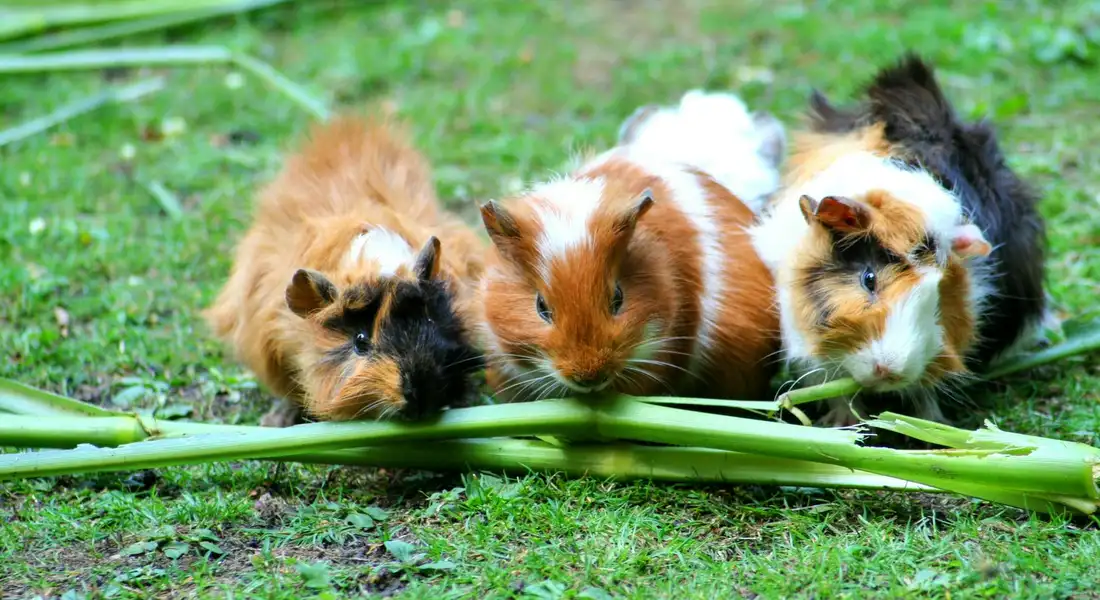
Vitamin deficiencies manifest through specific physical and behavioral changes in guinea pigs.
- Vitamin C deficiency: rough coat, swollen joints, lethargy
- Vitamin A deficiency: eye problems, respiratory issues
- Vitamin D deficiency: bone deformities, dental problems
- B vitamin complex: poor growth, neurological symptoms
Early detection dramatically improves recovery outcomes for nutrient-deficient guinea pigs.
- Check gums for redness or bleeding weekly
- Monitor weight changes every few days
- Observe mobility and willingness to move
- Note changes in eating or drinking patterns
- Watch for hair loss or skin abnormalities
Prevention through proper diet remains your first line of defense against deficiencies.
- Provide fresh vitamin C-rich vegetables daily
- Ensure consistent access to quality timothy hay
- Use fortified pellets as supplemental nutrition only
- Schedule veterinary check-ups every six months
- Seek immediate care for sudden behavioral changes
My guinea pig Clover completely recovered from early vitamin C deficiency within two weeks of proper supplementation. Her renewed energy and smooth coat return reminded me how quickly proper nutrition can transform a guinea pig’s health.
Spotting Early Warning Signs
Subtle behavioral shifts often precede obvious physical symptoms of deficiency.
- Reluctance to climb ramps or use all cage levels
- Decreased vocalization at feeding times
- Changes in water consumption patterns
- Unusual tooth grinding or chewing motions
- Sleeping more than usual during active hours
Regular health checks help you establish baselines to quickly identify deviations. I examine each of my guinea pigs during weekly grooming sessions, noting any changes in weight, coat condition, and alertness. This fits right into the weekly guinea pig care routine ultimate checklist owners use to keep all pets on track. Keeping these notes as part of the checklist helps spot trends and catch issues early.
Safe Supplement Practices to Avoid Risks
-
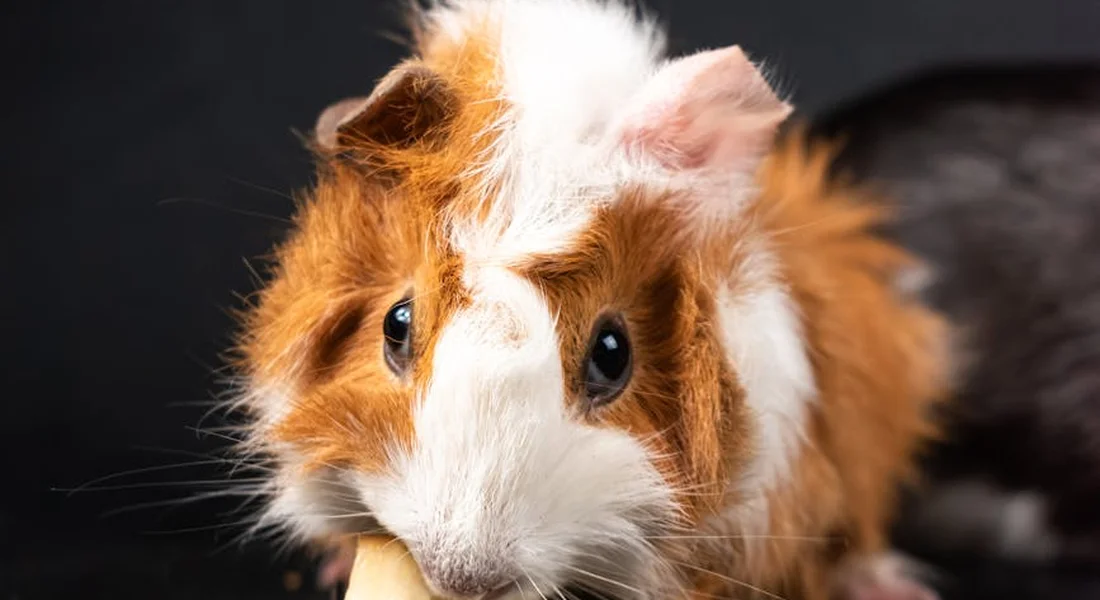
Overdosing on fat-soluble vitamins like A, D, E, and K can cause toxicity because they accumulate in your guinea pig’s body over time. I saw this with Pepper when her energy dropped after too much vitamin A; her usual gentle demeanor faded into lethargy. Fat-soluble vitamins don’t flush out easily, so even small excesses add up and risk organ damage.
-
Watch for symptoms like diarrhea, weakness, or refusal to eat, and if you spot them, stop supplements immediately and contact your vet. With Clover, I noticed her graceful movements slow down, and quick action saved her from worse issues. Keep fresh water available and note any changes in behavior to share with your veterinarian for fast help.
-
Consulting a vet before adding any supplement ensures it fits your guinea pig’s specific needs and avoids unnecessary risks. I always schedule a check-up for Biscuit before trying new things, as vets spot hidden problems I might miss. This step protects your pet from interactions with existing health conditions or diets. If you’re guiding your new guinea pigs through their first veterinary check-up, make it part of your care plan. This initial visit helps establish a baseline health status and tailor advice for diet and care.
-
Careful dosing with proper tools and secure storage away from curious paws prevents accidents and keeps supplements effective. Store bottles in a cool, dry place out of reach, and use syringes or scales for accuracy. I learned to double-check amounts after a close call with Pepper, reinforcing how simple habits safeguard their well-being.
Preventing Overdose and Side Effects
-
Calculate doses based on your guinea pig’s weight, starting with manufacturer guidelines and adjusting for age or health changes. For example, a young pig like Biscuit might need different amounts than older ones; weigh them regularly and tweak doses if they gain or lose. Use a kitchen scale for precision and keep a log to track adjustments over time. A guinea pig weight guide helps you stay within healthy weight ranges and monitor changes, so you can respond quickly if a weight shift occurs. Regular weight checks are a practical part of ongoing health care.
-
I once over-supplemented Clover with extra vitamin C, and her light brown coat lost its shine while she seemed reserved and uncomfortable. That mishap taught me to stick to recommended levels and observe closely for subtle signs like changes in fur texture or activity. Now, I err on the side of caution, remembering that even well-intentioned extras can harm.
FAQs
What are the key vitamins and minerals guinea pigs need daily?
Guinea pigs require vitamin C from their diet since they cannot produce it, along with vitamins A, D, and B complex for overall health. Minerals like calcium and phosphorus must be balanced to prevent issues like urinary stones. An ideal overall diet for a healthy guinea pig centers on constant access to hay, with small amounts of fortified pellets and daily fresh vegetables to cover vitamin and mineral needs.
How can I identify symptoms of vitamin C deficiency in my guinea pig?
Look for signs such as swollen joints and a rough, unkempt coat. Lethargy and reduced appetite may also indicate a deficiency that needs prompt attention.
What vegetables are safe and rich in vitamin C for guinea pigs?
Bell peppers, kale, and broccoli are excellent vitamin C sources that can be fed daily. Always wash and chop them into small pieces to ensure easy digestion and safety.
What are the risks of vitamin C overdose in guinea pigs?
Overdosing can lead to diarrhea and stomach upset, causing discomfort. Stick to recommended doses, typically under 100 mg daily, to avoid these health issues.
How do I use vitamin C drops or supplements effectively?
Add liquid drops to water or mix powdered supplements with moist foods for consistent intake. If your guinea pig gets wet, dry them thoroughly with a towel and keep them warm to prevent chills. This aligns with the guinea pigs get wet water safety guide. Monitor your guinea pig’s response and consult a vet for proper dosing to prevent deficiencies.
Your Guinea Pig’s Path to Vibrant Health
From caring for Pepper, Clover, and Biscuit, I make sure they receive daily vitamin C through fresh greens and vet-approved supplements. Balancing their diet prevents common issues like scurvy and supports their lively personalities.
Responsible ownership involves always learning new ways to care for them sustainably, such as choosing eco-friendly bedding options. Your dedication to their comfort and the planet ensures they thrive in a loving home.
Further Reading & Sources
- What kinds of supplements do guinea pigs need? – GuineaDad
- Guinea Pig Vitamins & Supplements | Chewy
- Nutrient Requirements of the Guinea Pig – Nutrient Requirements of Laboratory Animals – NCBI Bookshelf
- VITAMIN C Recommendations for Guinea Pigs | Arizona Exotics | -Guinea Pigs Resources
Kate is a passionate guinea pig owner and advocate for small pet welfare. With over a decade of experience caring for guinea pigs, she has become a trusted voice in the small pet community.
Uncategorized