How to Calm Down and Reduce Stress in Anxious Guinea Pigs
Hello CavyFam! Is your guinea pig acting more jumpy or hiding in corners lately? Watching them feel uneasy can tug at your heartstrings, but simple changes can bring back their peaceful vibes.
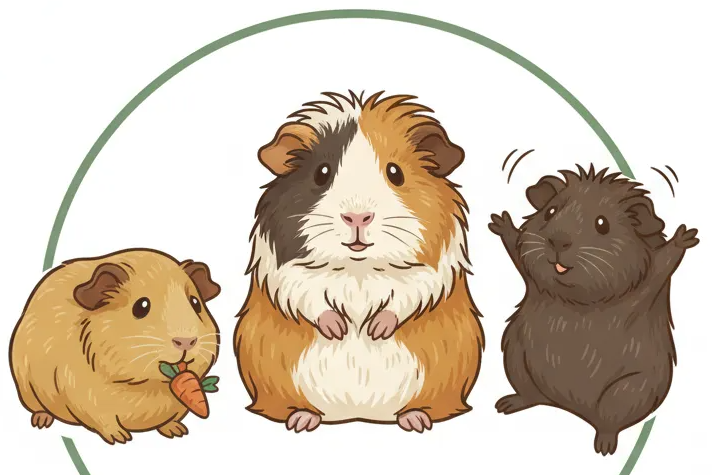
I will guide you through spotting stress signs, creating a cozy habitat, using gentle handling methods, and adding calming enrichment activities. Having cared for my own guinea pigs like gentle Pepper, graceful Clover, and intelligent Biscuit for years, I share what truly works from firsthand experience.
Recognizing Signs of Stress in Guinea Pigs
Spotting stress early makes all the difference for your guinea pig’s well-being. I learned to watch for subtle shifts in behavior and appearance through years with my own herd. Pepper, my steady American guinea pig, once started hiding constantly, which was totally unlike his usual curious self.
- Hiding more than usual or refusing to come out for food
- Teeth chattering loudly, especially when approached
- Decreased appetite or sudden disinterest in favorite veggies
- Aggressive behavior like nipping, which Clover displayed during a move
- Excessive grooming or fur pulling in specific spots
Physical Symptoms of Guinea Pig Anxiety
Your guinea pig’s body often tells you what their voice cannot. Regular health checks helped me catch Biscuit’s early stress when I noticed his sides moving too quickly. By learning to recognize signs of pain, illness, or changes in guinea pig behavior, you can act quickly. Keep an eye out for shifts in posture, appetite, energy, or grooming habits. Follow these steps weekly to monitor their physical state.
- Check breathing rate – rapid, shallow breaths signal fear
- Observe fur condition – puffed-up fur means they feel threatened
- Monitor weight – sudden loss often links to stress
- Watch their eyes – wide, bulging eyes show alarm
- Notice posture – hunched position indicates discomfort
Behavioral Clues of Stress in Guinea Pigs
Behavior changes reveal emotional distress clearly. After a dropped pan scared my herd, I documented how their normal behaviors shifted dramatically. This comparison helps identify stress patterns quickly.
| Normal Behavior | Stressed Behavior |
|---|---|
| Active exploration during playtime | Lethargy or sitting in one spot for hours |
| Soft wheeking at feeding times | Loud, persistent squealing or complete silence |
| Gentle chewing on appropriate toys | Excessive bar biting or destructive chewing |
| Social grooming with cage mates | Isolation from the herd |
Quick Calming Techniques for Anxious Guinea Pigs
When anxiety strikes, immediate action prevents escalation. Speaking in a soft, high-pitched voice works wonders for calming startled guinea pigs. Through trial and error with my three pigs, I developed these reliable methods.
- DO speak softly while approaching their cage
- DO offer their favorite treat as a distraction
- DON’T make sudden movements or loud noises
- DO gently pet their head if they enjoy contact
- DON’T force interaction if they retreat
Handling Your Guinea Pig to Minimize Stress
Proper handling builds trust and reduces fear. Biscuit taught me that consistent, calm interactions transform even reserved guinea pigs. Follow these steps for stress-free handling. Taming also means learning to restrain safely and handle your guinea pig with care. With calm, gentle technique, you can build trust while keeping both of you comfortable.
- Approach slowly while talking softly
- Place one hand under their chest behind front legs
- Support their hindquarters with your other hand
- Lift gently against your chest for security
- Keep handling sessions brief at first
Using Ambient Noise and Quiet Spaces
Creating a peaceful environment helps anxious guinea pigs feel secure. I found that soft classical music noticeably relaxed Pepper during thunderstorms. These household solutions mimic comforting natural sounds.
- Play soft instrumental music at low volume
- Use a quiet ticking clock to simulate heartbeat sounds
- Run a humidifier for gentle white noise
- Place their cage away from television and loud appliances
- Provide multiple hiding places like cardboard boxes
Creating a Stress-Free Habitat for Your Guinea Pig
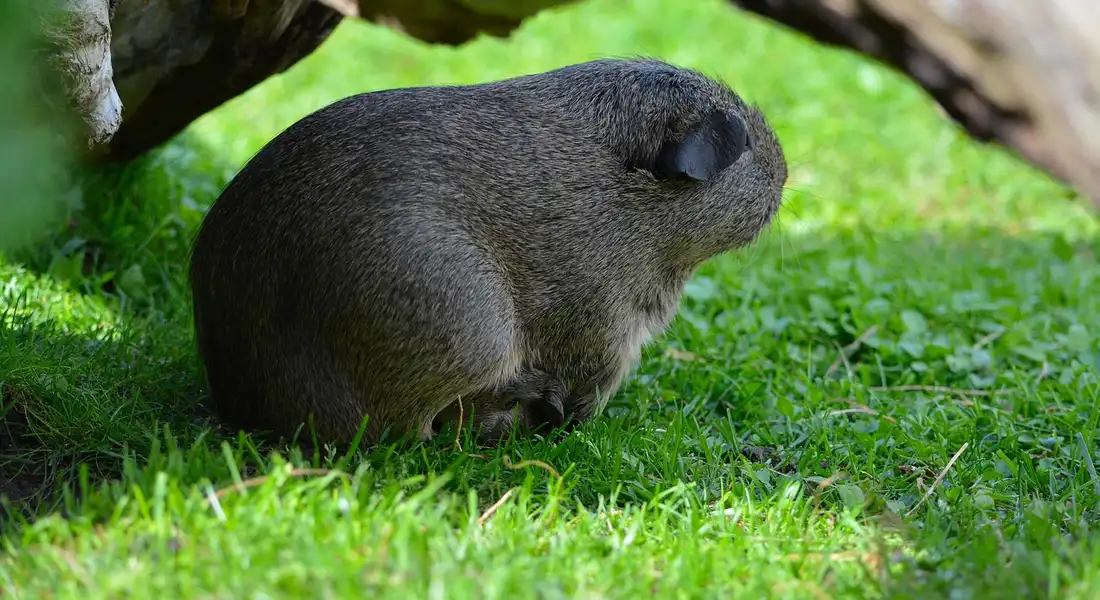
When I first set up cages for Pepper, Clover, and Biscuit, I noticed how their anxiety levels dropped with thoughtful environmental tweaks. Placing their enclosure in a quiet, low-traffic area away from loud appliances made a huge difference in their daily calmness. I optimized their space by adding enrichment toys like chew blocks and hanging veggie holders to keep them engaged.
- Choose a cage with ample floor space for free movement.
- Use fleece liners or paper-based bedding for softness and easy cleaning.
- Incorporate tunnels and hideouts to mimic natural burrowing instincts.
- Rotate toys weekly to prevent boredom and stimulate curiosity.
Setting Up Safe Hiding Places and Bedding
Guinea pigs feel safest when they have cozy spots to retreat to, and I saw this firsthand with Pepper. After adding a few extra fleece-lined tunnels, his golden-brown fur stopped bristling at every small sound, and he spent more time exploring instead of hiding. That makes me curious about which bedding is best for Pepper—paper, wood, or fleece. Each option has its own trade-offs in dust, absorbency, warmth, and washability. Soft bedding like aspen shavings or recycled paper products provides comfort and absorbs odors well.
- Select a hideout made of non-toxic materials, like untreated wood or sturdy plastic.
- Layer bedding at least two inches deep for digging and nesting.
- Position hideouts in opposite corners to give multiple escape routes.
- Check daily for damp spots and replace soiled bedding to maintain hygiene.
Maintaining a Predictable Routine
Consistency is key for anxious guinea pigs, as it helps them anticipate what’s next. Sticking to a regular schedule for feeding and cage cleaning made all three of my pigs-Pepper, Clover, and Biscuit-more relaxed and approachable over time. A stable routine reduces their stress by eliminating surprises.
| Time | Activity |
|---|---|
| 7:00 AM | Fresh hay and water refill |
| 12:00 PM | Vegetable treats and light playtime |
| 6:00 PM | Evening pellet feeding and cage spot-cleaning |
| 9:00 PM | Quiet time with soft music or dim lighting |
Gentle Interaction and Bonding to Ease Anxiety
Building trust with a shy guinea pig takes patience, and Clover taught me this through her gradual transformation. Starting with short, supervised sessions where I simply sat near her cage helped her light-brown, spotted self become more curious and less skittish. Use gentle petting and soft talking to reinforce positive associations.
- Sit calmly beside the cage for 10-15 minutes daily to let them get used to your presence.
- Offer small treats from your hand, like cilantro or carrot slices, to encourage approach.
- Progress to light stroking on their back once they seem comfortable.
- Keep interactions brief and end on a positive note to avoid overwhelming them.
Incorporating Play and Exercise for Relaxation
Fun activities can distract anxious guinea pigs and channel their energy positively. I found that Biscuit, with his reserved nature, opened up during floor time sessions where he could sniff around and explore safely. Puzzle feeders or simple DIY toys engage their minds and reduce stress-induced behaviors. This approach fits with the ultimate guide to guinea pig foraging toys activities, which emphasizes turning play into rewarding foraging experiences. By incorporating puzzle feeders and DIY toys, you can design stimulating foraging adventures that keep your pig mentally engaged.
- Set up a secure playpen with hiding spots for daily floor time exercise.
- Create DIY toys using cardboard tubes stuffed with hay or untreated wood blocks.
- Introduce gentle games like follow-the-treat to build confidence and bond.
- Monitor their body language to ensure activities stay low-stress and enjoyable.
Nutrition and Health Strategies for Stress Reduction
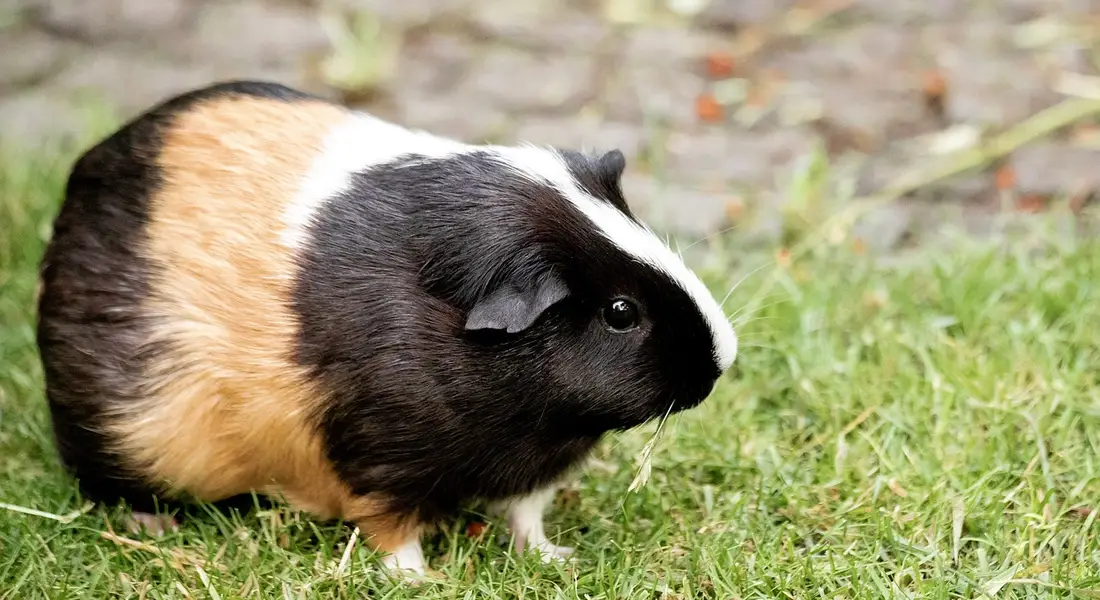
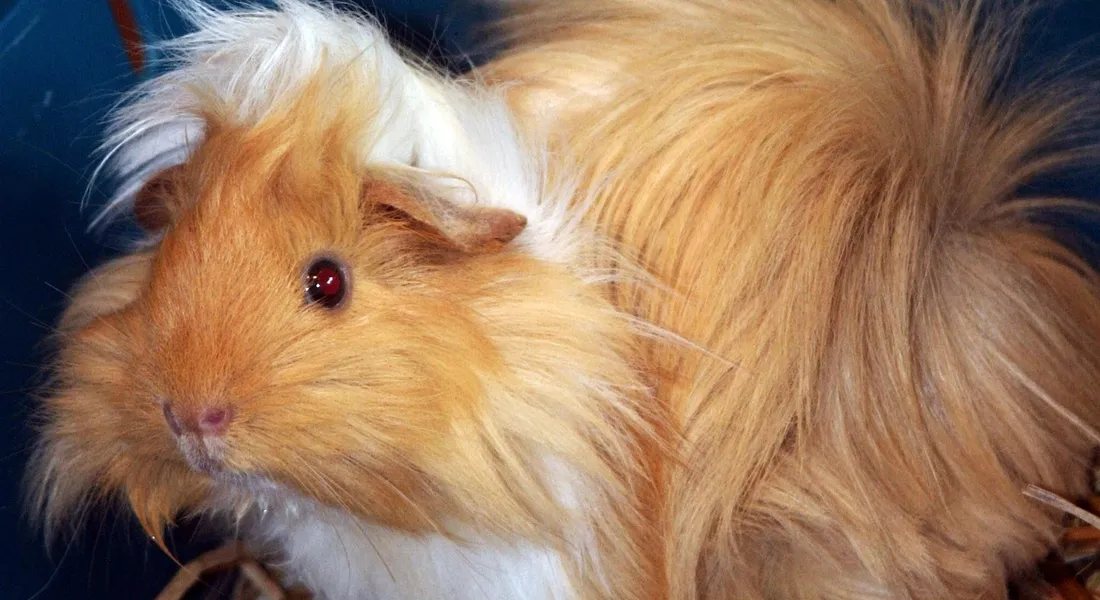
What your guinea pig eats directly affects their mood and stress levels. A poor diet can make anxiety worse, while the right nutrients can bring noticeable calm. I saw this firsthand with Biscuit, my Peruvian guinea pig. He was often reserved and jumpy, but after adjusting his meals to include more fresh, vitamin C-rich foods, his whole demeanor softened. He became more curious and less startled by everyday sounds. If you’re wondering how to tell if your guinea pig is stressed or anxious, watch for changes in activity, hiding, or appetite. These signs can improve as you optimize diet and routine.
Role of Vitamin C and Balanced Nutrition
Guinea pigs cannot produce their own vitamin C, making it a non-negotiable part of their daily diet. A deficiency can lead to scurvy, which often shows up as lethargy, poor coat condition, and increased nervousness—all of which look a lot like stress. By ensuring they get enough of this vital nutrient, you support their immune system and help stabilize their nerves. I make it a habit to offer fresh vegetables during our quiet morning and evening routines, which has become a predictable, comforting ritual for all my pigs. So, how much vitamin C do guinea pigs need daily? A common guideline is roughly 10-25 mg per day for an average-sized adult, adjusted as needed for age, health, and activity.
Here is a simple list of safe, stress-busting foods and supplements I rely on:
- Bell peppers (all colors)-a fantastic daily source of vitamin C
- Fresh cilantro and parsley-herbs they adore that also provide nutrients
- Small pieces of kiwi or orange-occasional sweet treats packed with vitamin C
- High-quality timothy hay-based pellets fortified with stabilized vitamin C
- Oxbow Natural Science Vitamin C supplements-a reliable backup on busy days
Always introduce new foods slowly and in small amounts to avoid digestive upset. Remove uneaten fresh foods within a few hours to keep their habitat clean and stress-free.
When to Seek Veterinary Care for Stressed Guinea Pigs
Sometimes, anxiety is a sign of something more serious happening beneath the surface. Fear and stress can influence a guinea pig’s health behavior, often showing up as changes in appetite, hiding, or activity. That’s why noticing stress-related changes matters and may prompt a vet visit. If your guinea pig’s stress behaviors don’t improve with home care, it’s time to call your vet. I learned this lesson with Pepper, my American guinea pig. She started hiding constantly and lost interest in her favorite veggies. I initially thought it was just a shy phase, but a vet visit revealed a mild urinary tract issue that was causing her discomfort and anxiety. Treating the infection brought back her gentle, steady personality.
Watch for these warning signs that indicate your pig needs professional help:
- Hiding for more than a day and refusing to come out even for food
- Noticeable weight loss or a sudden lack of appetite
- Teeth grinding, which can signal pain
- Heavy, rapid breathing or hunched posture when resting
- Changes in droppings-either too few, too small, or diarrhea
- Excessive scratching or hair loss, which could point to mites or skin infection
Your veterinarian can rule out underlying illnesses and may recommend specific treatments or dietary adjustments. When you’re choosing a guinea pig, look for a bright, alert pet with clear eyes, a clean coat, and steady breathing. A quick health check can help you pick a healthy pig and guide future care. Never hesitate to seek expert advice—catching health issues early makes all the difference for your pig’s comfort and happiness.
FAQs
How can I tell if my guinea pig is starting to feel less stressed over time?
Look for signs like increased exploration and more frequent, relaxed wheeking. They may also approach you willingly and show steady weight gain and a glossy coat.
Is it beneficial to have multiple guinea pigs to reduce stress, and how do I introduce them?
Yes, guinea pigs are social and often feel calmer with a companion. Introduce them gradually in a neutral area and monitor for positive interactions like gentle sniffing. This can help you know if your guinea pigs are happy. They tend to show happiness with relaxed bodies and gentle grooming.
What are some common mistakes owners make that can increase their guinea pig’s anxiety?
Avoid placing their cage in high-traffic areas or near loud appliances, as constant noise can startle them. Also, skipping daily routines or forcing interactions can undermine their sense of security.
Your Journey to a Peaceful Guinea Pig
To help your anxious guinea pig feel secure, focus on providing a consistent routine and a quiet, enriching habitat. Your patience and gentle, predictable interactions are the most powerful tools for building their trust and confidence. This is part of a step-by-step guide to taming a scared new guinea pig. We’ll walk you through gentle, gradual steps to help them feel safe.
Remember that being a great pet owner means committing to lifelong learning about your pets’ needs and well-being. Choosing sustainable, safe materials for their habitat and toys is a simple way to care for your pets and our planet simultaneously.
Further Reading & Sources
- AC Aids • GUINEA PIGS – Stress
- Stressed Guinea Pig? How to Spot the Signs | 9 Ways to Calm Your Cavy – Home & Roost
- AC Aids • GUINEA PIGS – Stress – USDA APHIS
- Guinea Pig Stress Signs | Chewy
Kate is a passionate guinea pig owner and advocate for small pet welfare. With over a decade of experience caring for guinea pigs, she has become a trusted voice in the small pet community.
Uncategorized