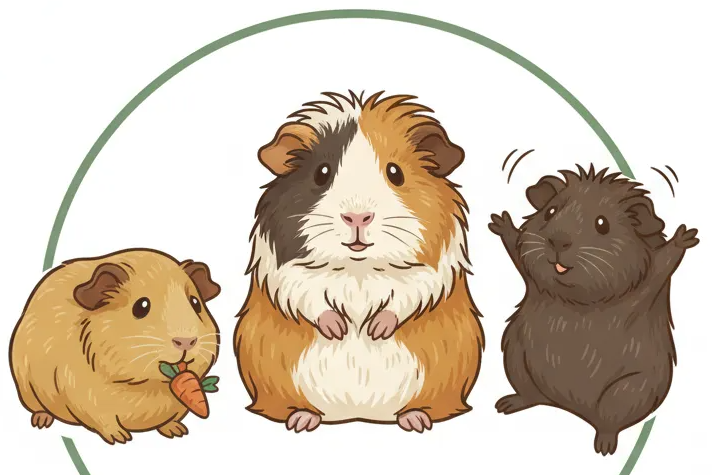
How to Determine Your Guinea Pig’s Gender: A Step-by-Step Guide
Hello CavyFam! Are you puzzling over whether your guinea pig is male or female? Many owners find this tricky and worry about accidental litters or misidentifying their pet’s needs.
I will walk you through physical anatomy checks, behavioral indicators, and safe handling methods. With years of experience caring for my guinea pigs Pepper, Clover, and Biscuit, I have firsthand knowledge to guide you accurately.
Why Knowing Your Guinea Pig’s Sex Is Essential
Getting your guinea pig’s gender right is one of the most responsible actions you can take as a pet owner. An incorrect identification can lead to an unexpected litter of pups in just a few weeks. Guinea pigs breed rapidly, and an unplanned pregnancy puts immense strain on the mother.
Proper social pairing hinges on accurate sexing. Keeping two males or two females together generally works well, but mixing genders without intention leads to constant stress and breeding. I learned this early on with my trio; knowing their sexes allowed me to create a harmonious, stress-free environment for Pepper, Clover, and Biscuit.
Beyond companionship, correct gender identification is vital for health management. Certain health issues, like ovarian cysts in females, are sex-specific. Knowing your pet’s sex helps you and your vet spot potential problems faster and tailor their care more effectively.
Gathering Your Supplies for a Safe Gender Check
-
First, find a well-lit area. Good lighting is non-negotiable for seeing the subtle physical differences clearly. A bright room or a small lamp directed away from your pet’s eyes works perfectly.
-
Have a soft towel and a pair of comfortable gloves ready. The towel provides a secure, non-slip surface for your guinea pig to sit on, while gloves can help you feel more confident if you’re nervous. These items are among the essential accessories for a guinea pig cage. Choosing the right gear helps with safe handling and makes your pig more comfortable. I always use a fleece liner that my pigs are already familiar with from their cage.
-
Choose a quiet, calm space free from loud noises and other pets. A calm environment helps keep your guinea pig relaxed, making the entire process quicker and less stressful for both of you. I always do my quick checks in a small, enclosed bathroom where my pigs feel secure.
-
Prepare a small, high-value treat like a slice of bell pepper or cilantro. Offering a favorite snack before and after the inspection creates a positive association and helps your guinea pig stay distracted. This is a trick I use with Biscuit, who is naturally more reserved. It’s a handy example of the best treats for rewards-based training your guinea pig. Consistent, tasty rewards help keep training sessions engaging and calm.
Step-by-Step Guide to Examining Your Guinea Pig
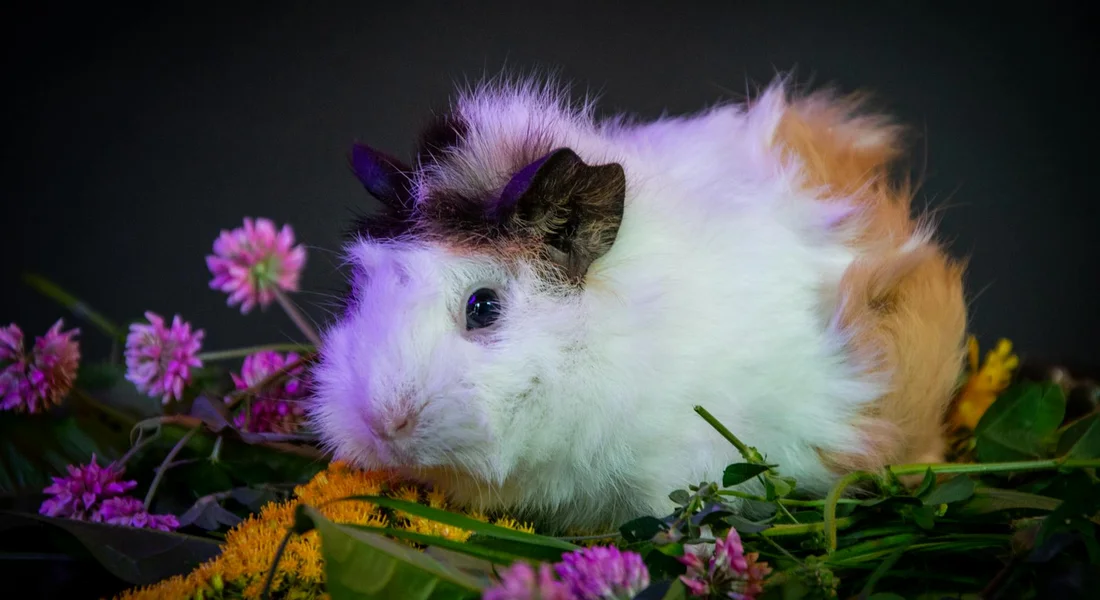
Preparing Your Guinea Pig for Inspection
Settle your guinea pig in a calm spot with soft lighting to keep them relaxed during the check. I always use a quiet room with natural light to prevent startling my pets like Pepper or Clover. Handling your guinea pig correctly during a health check is just as important as the environment.
- Sit on the floor and cradle your guinea pig with both hands, supporting their chest and hindquarters to avoid any sudden movements.
- Clear the area of loud noises or other pets to reduce stress, making the experience gentle and safe for your furry friend.
Identifying Key Anatomical Features
Gently lift your guinea pig to expose their underside, focusing on the area near the tail. Take your time to observe carefully, as rushing can lead to mistakes and discomfort. To handle baby guinea pigs safely, support their chest with one hand and cradle their hindquarters with the other, keeping them close to you to prevent escapes. Hold them securely but gently, avoiding pressure on the stomach and back.
- Locate the anogenital distance by finding the space between the anus and genital opening-males typically have a greater gap than females.
- Note the shape: males often show a rounded, raised bump, while females have a Y-shaped slit, which I’ve seen clearly in Biscuit versus Pepper.
- Compare these traits using your own observations over time, as I did with my herd to build confidence in telling them apart.
Checking for Secondary Sex Characteristics
Look for additional signs that become more obvious as guinea pigs age. Secondary features can confirm your initial findings and prevent misidentification. As part of the guinea pig’s age guide, these cues help you estimate age more accurately. Keep notes on size, coat changes, and other observable features to track progression.
- In males, check for small, bean-shaped testicles near the genital area, which are usually visible in adults but not in young pups.
- For females, gently part the fur to spot nipples, which are more prominent than in males and can vary with maturity.
- Remember that juveniles might not show these traits clearly, so recheck as they grow, just like I did with Clover when she was younger.
Visual Clues: Male vs Female Guinea Pig Differences
Beyond basic anatomy, subtle physical hints can help you distinguish genders over time. Observing your guinea pigs regularly builds a keen eye for these details.
- Males often have a more pronounced genital bulge and coarser fur around the area, while females appear smoother and less prominent.
- In my herd, I’ve noticed that males like Pepper tend to have a stockier build, whereas females like Biscuit are slightly more slender with finer features.
- Use clear photos or diagrams for side-by-side comparisons to reinforce your learning and avoid confusion during home checks.
Behavioral Indicators of Guinea Pig Gender
Observing your guinea pig’s daily actions can offer subtle hints about their gender, though these are not definitive proof.
Males often display more dominant behaviors like rumbling, mounting cage mates, or marking territory with chin rubbing.
My male guinea pig, Pepper, frequently rumbles softly when rearranging his hidey house, a classic territorial display.
Females might show more nesting behavior, gathering hay and fur to create cozy spots, especially if they are pregnant or in heat.
Clover, my graceful female, meticulously gathers hay into perfect little nests every evening before she settles down.
Personality differences can be misleading; my reserved female Biscuit was initially mistaken for a male due to her assertive nature with veggies.
Behavior alone is an unreliable method for sexing guinea pigs, as individual personality plays a huge role in their actions. Their guinea pig personality temperament varies from bold and curious to shy and reserved, shaping how they respond to handling. This variation can make sexing by behavior even less reliable.
Avoiding Common Mistakes in Gender Identification
-
A frequent error is misjudging the anogenital distance in young guinea pigs, as the gap is less pronounced.
Baby guinea pigs have minimal spacing, making visual confirmation incredibly difficult without careful comparison.
-
Always double-check your findings by gently pressing above the genital area to see if a penis emerges, which confirms a male.
Applying very light pressure just above the genital opening can reveal a small penis protrusion in males.
-
Use a bright light and magnifying glass if needed to clearly see the shape of the genital opening, looking for a Y-shape in females or a circular one in males.
Proper lighting and a small magnifier can make the difference between a guess and a confident identification.
I learned this lesson early on with Biscuit; her dark fur made visual sexing a challenge, and I initially misidentified her.
My initial misjudgment of Biscuit taught me to never rely on a single method and to always verify with multiple checks.
When in doubt, consult a veterinarian or an experienced breeder to prevent accidental pregnancies or housing conflicts.
Seeking professional help is a responsible step that ensures the wellbeing and proper social grouping of your guinea pigs.
When to Consult a Veterinarian for Confirmation
-
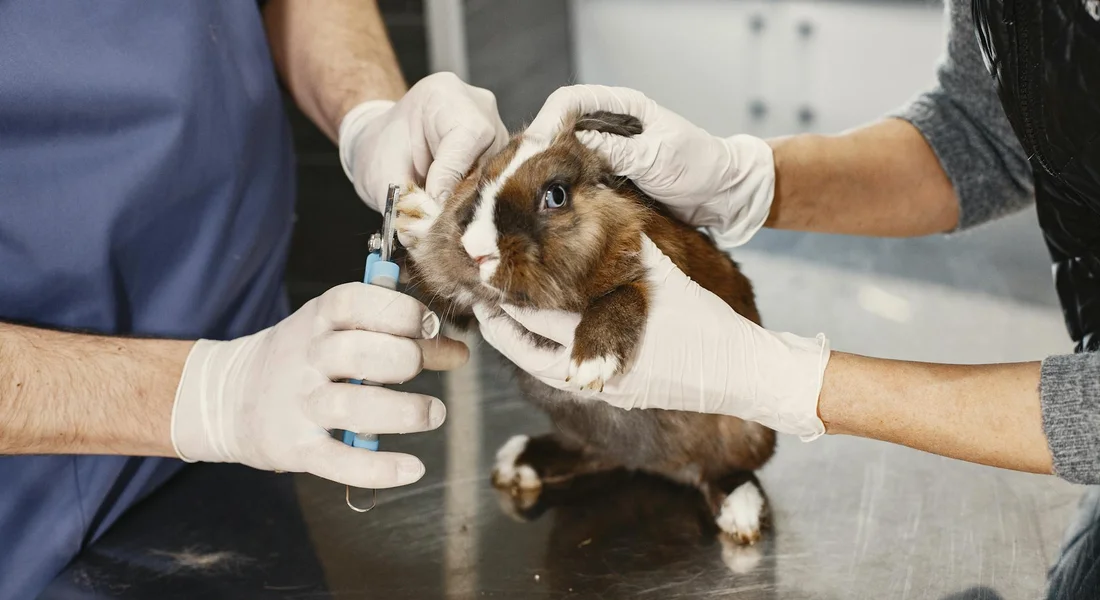
If you notice ambiguous features like a genital area that doesn’t clearly show a Y-shaped opening for females or a prominent penis for males, it’s time to seek professional help. I’ve handled many guinea pigs over the years, and with my Peruvian, Biscuit, his long fur made initial checks tricky, leading me to rely on a vet’s expertise. Other red flags include if your guinea pig is very young and sexual characteristics aren’t fully developed, or if you feel unsure after multiple attempts-this avoids stress on your pet and prevents accidental misgendering.
-
Veterinarians play a crucial role not just in accurate sexing but in overall health assessments, using specialized tools and experience to spot issues like infections or genetic conditions. From my experience with Clover, my Abyssinian, a vet visit confirmed her gender and caught a minor skin irritation early, highlighting how this step protects your guinea pig’s well-being. They follow reliable sexing guides that account for breed variations, ensuring you get trustworthy results for decisions like housing or breeding.
-
Before your vet appointment, document your observations by taking clear notes on behaviors, physical traits, and any uncertainties-for instance, jot down if the genital area seems swollen or if there’s discharge. I always snap a few photos or a short video in good light, as this gives the vet a head start and reduces handling stress for animals like my gentle Pepper. Bring details like age and breed, and keep a log of what you’ve tried at home to make the consultation efficient and thorough.
FAQs
What is the most reliable method for sexing a guinea pig?
Physical examination of the anogenital area is the most dependable approach for gender identification. Always use proper lighting and handle your guinea pig gently to avoid stress or errors.
Are there any non-invasive ways to tell guinea pig gender?
Observing behaviors like rumbling or nesting can offer clues, but they are not definitive for gender determination. Relying solely on behavior may lead to misidentification, so combine it with physical checks.
How old should a guinea pig be for accurate gender checking?
Guinea pigs can be sexed from a young age, but features like testicles or nipple prominence become more obvious as they mature. An anatomy guide will note that guinea pig nipples and testicles are present in both sexes, with testicles becoming more visible in males as they develop. It’s wise to recheck periodically during growth to confirm initial findings.
Can I rely on online images to sex my guinea pig?
Online pictures serve as helpful visual aids for comparing male and female traits, but they should not substitute for hands-on inspection. For certainty, verify with a physical exam or consult a veterinarian.
Do male guinea pigs always display dominant behaviors?
Males often show dominance through actions like mounting or rumbling, but females can exhibit similar behaviors in certain situations. Gender should not be assumed based solely on behavior due to individual personality variations.
Wrapping Up Your Guinea Pig Gender Journey
From handling my own guinea pigs like gentle Pepper and graceful Clover, I’ve learned that a patient, gentle approach is key to accurate gender identification. Focus on clear physical cues and always prioritize your pet’s comfort during the process to avoid mistakes and stress. When choosing between a male or a female, remember that temperament varies by individual, not by sex. A well-socialized piggy of either gender can make a wonderful pet.
Keep exploring guinea pig care to provide a safe, enriching environment for your pets. Choosing eco-friendly supplies, such as recycled paper bedding, supports both animal welfare and a healthier planet for all. In our ultimate guide on safe bedding options for guinea pigs, you’ll find vetted bedding choices and practical tips for clean, cozy nests. Discover how to select bedding that minimizes dust and odors while keeping your furry friends comfortable.
Further Reading & Sources
- The Differences Between Male and Female Guinea Pigs
- Male vs. Female Guinea Pigs | GuineaDad
- How to tell whether a guinea pig is male or female
- Guinea Lynx :: Sexing Pups
Kate is a passionate guinea pig owner and advocate for small pet welfare. With over a decade of experience caring for guinea pigs, she has become a trusted voice in the small pet community.
Uncategorized