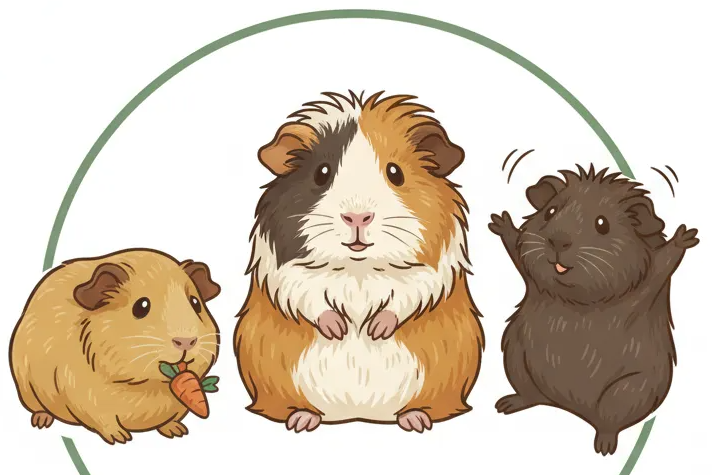
How to Grow Your Own Timothy Hay for Guinea Pigs
Hello CavyFam! Are you tired of spending too much on store-bought timothy hay that might not be fresh? Worried about whether you can successfully grow it at home without a lot of hassle?
I’ll walk you through the entire process step-by-step, covering key areas like:
- Selecting high-quality seeds suited to your space
- Preparing soil that promotes healthy growth
- Planting and maintaining your timothy hay with ease
- Knowing the right time to harvest for maximum nutrition
- Storing your hay to keep it fresh and appealing to your pets
Having grown timothy hay for my own guinea pigs-Pepper, Clover, and Biscuit-for years, I’ve tailored these tips from hands-on experience to help you provide the best for your furry friends.
Why Homegrown Timothy Hay Benefits Your Guinea Pigs
When you grow your own timothy hay, you know exactly what your pets are eating. My guinea pigs, Pepper, Clover, and Biscuit, show more energy and have shinier coats when they eat hay I’ve grown myself. You avoid any mystery additives or pesticides that can sometimes be found in commercial batches.
Homegrown hay is significantly fresher than store-bought options. Freshly cut hay retains more nutrients and has a more potent, grassy aroma that guinea pigs find irresistible. I often see my trio actively forage through the fresh hay, which provides them with essential mental stimulation. When choosing the best hay for your guinea pig, look for bright green color, a sweet grassy scent, and sturdy, long stems. Avoid dusty, moldy, or discolored hay to keep your pets healthy.
Growing your own supply can lead to substantial savings over time. A single packet of seeds can produce multiple harvests, drastically cutting down your recurring pet care costs. This financial benefit allowed me to redirect funds towards other enriching items for their habitat.
What You Need to Start Growing Timothy Grass
Starting your own timothy hay patch is simpler than you might imagine. You only need a few key items to create a sustainable and rewarding food source for your small herd. The initial setup is a small investment for long-term rewards.
Selecting the Best Timothy Hay Seeds
Choosing the right seeds is your first critical step. Look for seeds specifically labeled as Timothy Grass (Phleum pratense) to ensure you’re growing the correct variety. I made the mistake of buying a general ‘pasture mix’ once, and the resulting hay was not as favored by my guinea pigs. When you’re deciding what to feed, consider timothy hay over alfalfa pellets for most adult guinea pigs. Alfalfa is richer and generally better for growing youngsters or occasional supplements.
- Source from Reputable Suppliers: Purchase from farm supply stores or trusted online seed merchants to guarantee purity and germination rates.
- Check the Date: Always look for the packed-for-year date on the seed packet to ensure freshness and viability.
- Avoid Coated Seeds: Opt for raw, uncoated seeds to prevent any unnecessary chemicals from entering your pets’ food chain.
Preparing Your Soil and Planting Area
Timothy grass thrives in well-draining soil with a specific pH balance. I test my soil’s pH before every planting season, aiming for a slightly acidic to neutral range of 6.0 to 7.0 for optimal growth. You can use a simple home testing kit available at most garden centers.
Your planting area needs good sunlight and space. Select a spot that receives at least six hours of direct sunlight daily, as timothy grass is a sun-loving plant. I use a raised garden bed for better control over soil conditions and drainage.
- Clear the Area: Remove all weeds, rocks, and debris from your chosen plot.
- Loosen the Soil: Till the soil to a depth of about 4-6 inches to allow roots to establish easily.
- Amend if Necessary: Mix in compost or well-rotted manure to enrich the soil, but avoid high-nitrogen fertilizers.
- Level the Ground: Rake the area smooth to create an even surface for sowing your seeds.
Step-by-Step Guide to Planting and Growing Timothy Hay

Optimal Conditions for Timothy Grass Growth
Timothy grass thrives in cool-season climates, much like my own guinea pigs enjoy a comfortable room temperature. You’ll want well-draining soil with a pH between 6.0 and 7.0 for the best start. I always test my soil with a simple kit from the garden store before planting anything. Plant your seeds in early spring or late summer to avoid the intense summer heat, which can stress the young plants. A sunny spot is ideal, as Timothy grass loves full sun but can tolerate very light shade. Just like it’s important to provide the right environment for plants, it’s equally crucial to maintain the ideal temperature range for guinea pigs to keep them healthy and happy.
Prepare your planting area by loosening the top few inches of soil and raking it smooth. Scatter the seeds evenly, aiming for about 10 to 15 pounds per acre, or a light, even coverage for a smaller patch. Lightly rake the seeds into the soil, no more than a quarter-inch deep. Water the area gently but thoroughly to moisten the soil without washing the seeds away. Keep the soil consistently moist until you see those first green sprouts, which usually takes 7 to 14 days. I found using a gentle spray nozzle on my hose prevented disturbing the seeds.
Monitoring Growth Stages and Health
Watching your Timothy grass grow is a rewarding process. The first stage is germination and seedling establishment, where the grass is most vulnerable. Once established, it enters the vegetative stage, producing the long, slender leaves your guinea pigs will love. Regularly check for signs of distress like yellowing leaves or stunted growth, which can indicate nutrient deficiencies or watering issues. I make a habit of walking my small hay patch every few days, just like I check on Pepper, Clover, and Biscuit — my guinea pigs who enjoy a variety of grasses, including wheatgrass and Timothy hay.
Be on the lookout for common problems. Weeds can compete with your Timothy grass for nutrients, so pull them by hand to avoid chemicals. Pests like aphids can sometimes appear; a strong spray of water often dislodges them. Proper air circulation is vital to prevent fungal diseases like rust or powdery mildew, so avoid overcrowding your plants. If you notice any issues, address them quickly to ensure a healthy, bountiful harvest for your pets.
Harvesting and Curing Your Homegrown Timothy Hay
Ensuring Proper Hay Curing for Guinea Pigs
The timing of your harvest is critical for nutrient quality. I wait until the grass is in the early flowering stage, just as the seed heads begin to emerge but before they fully open. Cut the grass a few inches above the ground using garden shears or a scythe for larger areas. Harvesting in the late morning, after the dew has dried but before the afternoon heat, helps preserve the hay’s natural sugars and nutrients. This timing has consistently given me the greenest, most fragrant hay for my herd.
Curing is the most important step to prevent mold, which can be dangerous for guinea pigs. Lay the cut grass in a thin, loose layer in a warm, dry, and well-ventilated area out of direct sunlight. Turn the hay every day to ensure even drying. Your hay is properly cured and safe for guinea pigs when the stems snap easily instead of bending, and the leaves are crispy. This process usually takes three days to a week, depending on your local humidity. I always do a final check by smelling the hay; it should have a sweet, fresh scent, not a musty or damp odor. Good curing helps avoid health problems associated with poorly cured hay.
Storing Your Timothy Hay to Maintain Freshness

Proper storage is critical for keeping your homegrown Timothy hay nutritious and appealing to your guinea pigs. I learned this the hard way when a poorly stored batch turned musty, and my guinea pig, Biscuit, refused to eat it. All that hard work was wasted, which taught me to be more diligent. That experience taught me to store hay properly to maintain freshness. Keep it dry, in a sealed container or bag, and away from moisture and sunlight.
Choosing the Right Storage Container
You need a container that protects the hay from moisture and pests while still allowing it to breathe.
- Cardboard Boxes: These are a fantastic, inexpensive, and breathable option. I often reuse large shipping boxes for my smaller hay harvests.
- Fabric or Burlap Sacks: These provide excellent air circulation, preventing mold. I use these for the hay I plan to use within a few weeks.
- Plastic Totes with Vents: If you must use plastic, ensure the container has ventilation holes. A completely sealed plastic bin traps moisture and ruins the hay quickly.
The Ideal Storage Environment
Where you put your hay is just as important as what you store it in.
- Keep it Cool and Dry: A basement, garage, or a dark closet works perfectly. Avoid damp areas like laundry rooms.
- Away from Direct Sunlight: Sunlight degrades the hay’s nutrients and bleaches its vibrant green color.
- Elevate the Container: Place your storage box on a shelf or pallet to protect it from any potential floor moisture.
Checking your stored hay every couple of weeks for any signs of dampness or odd smells can save an entire harvest. A fresh, sweet smell means you are doing everything right.
Troubleshooting Common Timothy Hay Growing Issues
Even with the best care, you might face a few challenges in your Timothy hay patch. Don’t get discouraged. My first growing season was full of surprises, from an unexpected snail invasion to a patch of weak, yellowing grass. Each problem has a straightforward solution.
Managing Weeds and Pests Naturally
Using chemicals is never an option when you are growing food for your sensitive pets. I rely entirely on gentle, physical methods to protect my guinea pigs’ food source. Air quality matters, as household scents and cleaning chemicals can affect my guinea pigs’ health. I keep fragrances to a minimum and ensure good ventilation around their living area.
Controlling Weeds Without Harsh Chemicals
Weeds compete with your Timothy grass for water, sunlight, and nutrients.
- Hand-Pulling: This is the most effective method for small patches. Get your gloves on and pull weeds out by the roots after a rain when the soil is soft.
- Thick Mulching: A layer of straw or grass clippings around your Timothy grass blocks sunlight from reaching weed seeds, preventing them from sprouting.
- Plant Companions: Consider planting a border of dense, low-growing clover around your hay patch. It can help suppress weeds and fix nitrogen in the soil.
Dealing with Common Pests Safely
Insects and small animals can be attracted to your lush grass.
- Aphids and Grasshoppers: A strong spray of water from the hose can knock aphids off the plants. For grasshoppers, I sometimes place a shallow dish of soapy water nearby; they are attracted to it and drown.
- Slugs and Snails: These were the bane of my first crop. I now place crushed eggshells or diatomaceous earth in a ring around my hay patch. The sharp edges deter them without using poisons.
- Larger Pests (Rabbits & Birds): A simple physical barrier is best. A low fence made of chicken wire can protect your crop. For birds, I use a lightweight bird netting draped over the area.
Healthy, vigorously growing Timothy grass is your best defense, as it can often outcompete weeds and withstand minor pest damage. Focus on providing great soil and consistent water, and your plants will be resilient.
FAQs
Can timothy hay be grown hydroponically?
Yes, timothy hay can be grown hydroponically using nutrient-rich water solutions instead of soil. This method allows for controlled indoor cultivation and can produce fresh hay efficiently in limited spaces.
Is timothy hay suitable for rabbits as well as guinea pigs?
Yes, timothy hay is an excellent forage for rabbits and follows the same growing process as for guinea pigs. Ensure it is harvested at the early flowering stage to provide high fiber and essential nutrients for both pets. For guinea pigs, hay is the cornerstone of their diet, supplying the bulk fiber they need for digestion and dental wear. Keeping an ample, fresh supply helps keep teeth flat and digestive systems running smoothly.
Where are the main growing regions for timothy hay?
Timothy hay is primarily cultivated in cool, temperate regions like the northern United States and Canada. These areas offer the ideal climate with cold winters and moderate summers that support robust growth.
Who are the typical commercial growers of timothy hay?
Commercial timothy hay growers are often farmers in states like Washington, Oregon, and other northern cool-climate areas. They focus on producing bulk hay for animal feed markets, including pets and livestock.
What type of environment does timothy hay grow best in?
Timothy hay thrives in cool, moist environments with well-draining soil and full sun exposure. It prefers areas with consistent moisture and temperatures that avoid extreme heat, typically found in temperate zones.
Your Journey to Homegrown Hay
Start with quality Timothy seeds and provide consistent sunlight and well-drained soil for a successful harvest. Harvest when the hay reaches about 18 inches tall to lock in the best nutrition for your guinea pigs, just like I do for Pepper and Clover to keep them healthy and happy. When choosing between timothy hay and orchard grass for your guinea pig, timothy hay is typically the better staple for most adults due to its higher fiber and favorable calcium-to-phosphorus ratio. Orchard grass can be a tasty supplement, but shouldn’t replace Timothy as the main hay.
Always prioritize your pets’ well-being by offering fresh, chemical-free hay to support their digestive health. Keep learning about eco-friendly pet care methods to reduce waste and create a safer environment for animals like my gentle Biscuit. For a guinea pig, a daily hay requirement is essential for digestion and dental wear. Be sure to provide fresh hay at all times to meet this need.
Further Reading & Sources
- Timothy Hay for Guinea Pigs: Your Comprehensive Guide
- Second Cut Timothy Hay
- What’s The Best Timothy Hay For Guinea Pigs? A Nutritional Perspective | Small Pet Select Blogs | Small Pet Select
- Hay, Timothy Grass Hay for your Guinea Pigs Diet
Kate is a passionate guinea pig owner and advocate for small pet welfare. With over a decade of experience caring for guinea pigs, she has become a trusted voice in the small pet community.
Uncategorized