
Long-Term Costs of Guinea Pig Ownership: A Realistic Budget Guide
Hello CavyFam! Thinking about bringing home a guinea pig? You might be wondering about the real, long-term financial commitment beyond that initial adorable purchase. It’s smart to plan ahead for these charming little friends.
In this guide, I’ll walk you through the essential costs you need to budget for, including housing, daily diet, veterinary care, and recurring supplies. I’ve cared for my own trio-Pepper, Clover, and Biscuit-for years, so this advice comes from firsthand experience.
Understanding the Full Scope of Guinea Pig Expenses
Looking only at the initial purchase price is like buying a car and forgetting about gas and insurance. The real financial commitment begins the moment you bring your new friend home, and it lasts for their entire lifespan.
I learned this the hard way with my trio. When I first got Biscuit, I budgeted for his cute little cage and a starter bag of food. A few months in, a surprise vet visit for a minor respiratory issue opened my eyes. The ongoing costs of proper care quickly eclipsed that initial setup fee, teaching me a vital lesson in responsible planning.
Compared to a hamster or gerbil, guinea pigs are a bigger financial responsibility. They live longer—often 5-7 years—and their constant need for high-quality hay and fresh vegetables creates a steady stream of expenses. Think of them more like a miniature, hay-munching lawnmower that requires regular refueling, rather than a low-maintenance pocket pet. In a guinea pig vs hamster comparison, hamsters are generally smaller and cheaper to keep. Guinea pigs, on the other hand, need more space and steady access to hay and fresh vegetables.
Monthly and Annual Recurring Costs
Your shopping list will reliably include a few key items every single month. Consistency is the name of the game for keeping your piggies healthy and your budget predictable.
- Unlimited Timothy Hay
- Fortified Guinea Pig Pellets
- Fresh Vegetables (like bell peppers and romaine)
- Bedding (paper or aspen)
- Filtered Water
For one guinea pig, expect to spend around $40-$60 monthly, which adds up to $500-$700 annually. Framing those costs as a monthly and annual budget helps you plan ahead. With my three boys, my annual recurring cost sits firmly in the $1,200-$1,500 range, not counting surprises. A realistic budgeting breakdown highlights where to save and when to expect spikes. You can reduce waste by buying hay in bulk from local farms and storing vegetables properly to extend their freshness.
Food and Nutrition Expenses
- Hay is the cornerstone of their diet and your biggest ongoing food cost. A high-quality Timothy hay bale can cost $25-$40 but lasts my herd for months, making it far cheaper than small bags.
- Fresh vegetables fluctuate with the seasons. In summer, I might spend $15 a week on a variety of produce, but that can jump to $25 in winter when greens are pricier. I focus on staples like cilantro and bell peppers which are consistently affordable.
- To source affordable produce, I shop the farmer’s market at the end of the day for deals and have even started growing my own parsley and lettuce in a small patio planter. Always wash store-bought veggies thoroughly to remove any pesticides before serving.
Housing and Bedding Maintenance
A proper enclosure is a one-time major cost, but maintaining it is not. Your initial cage or C&C setup is just the beginning of the housing story.
- A good-sized cage or modular cube system can range from $80 to over $200. I upgraded to a larger C&C cage after a year, which was an unplanned but necessary $120 expense.
- For bedding, paper-based is highly absorbent but needs changing more often, while aspen wood shavings last longer between cleanings. I found that using a layer of washable fleece liners over absorbent pads has saved me a significant amount long-term, despite the higher upfront cost.
- Don’t forget the upkeep. You’ll need to replace water bottles when they leak, buy new hideys as they get chewed, and routinely purchase pet-safe cage cleaners. These small, recurring purchases quietly add up over the course of a year.
Veterinary and Medical Care Over Time
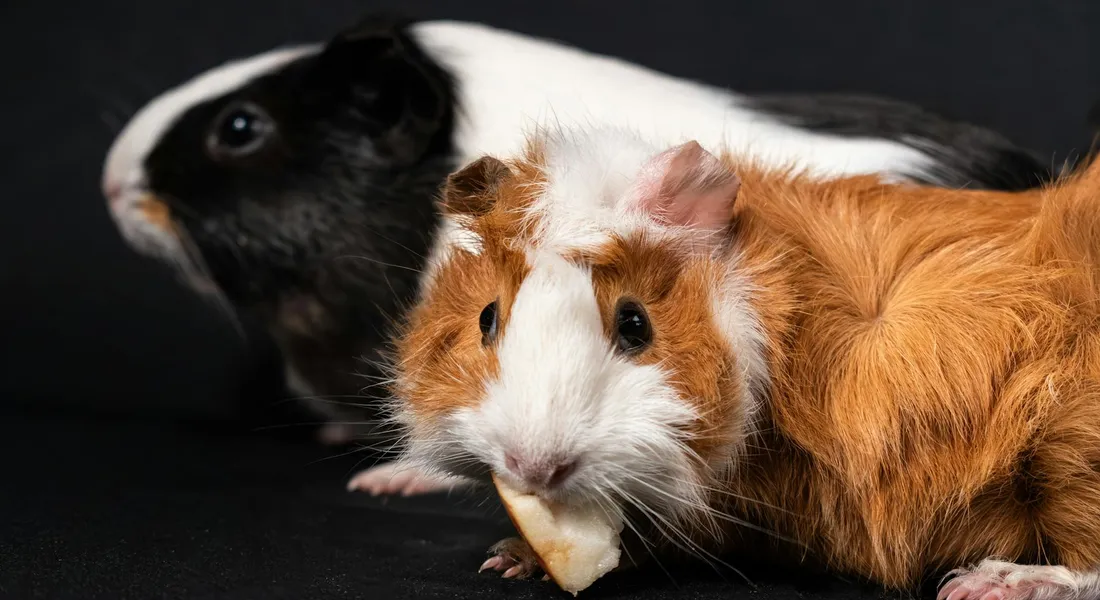
Regular vet care keeps your guinea pigs healthy and catches issues early. If you’re wondering how much guinea pig vet care costs, this complete guide covers typical expenses. This information helps you plan for routine care and emergencies. Annual checkups typically cost $50 to $100 per pig and include weight checks and physical exams. Common diagnostics like fecal tests for parasites run $20 to $40, while blood work might add $50 to $100 if needed.
- Routine vet visits involve looking at teeth, skin, and overall behavior to spot changes.
- Spay or neuter procedures are less common but can range from $200 to $400 if recommended for health reasons.
- Dental care, such as trimming overgrown teeth, often costs $50 to $150 per visit since guinea pigs’ teeth grow continuously.
- Parasite prevention includes monthly topical treatments at $10 to $20 to ward off mites or fleas.
Budgeting for unexpected health problems is essential because guinea pigs hide illness well. I always set aside funds for surprises like respiratory infections, which can hit $200 to $500. Pet insurance for guinea pigs can be worth the cost by helping cover these unpredictable bills. I compare plans to see what premiums and caps fit my budget. With my pig Clover, a gentle Abyssinian, I learned that consistent care prevents bigger bills down the road.
Emergency Vet Bills and Medications
Unexpected health scares can strain your wallet, but preparation eases the stress. Start by estimating emergency costs based on common issues like digestive blockages or injuries, which often total $300 to $600. Save a little each month in a dedicated account to cover these scenarios.
- To prepare, research local exotic vets and ask about their emergency fees-many charge $75 to $150 just for after-hours visits.
- Common medications include antibiotics like Baytril ($20 to $40), pain relievers such as Metacam ($15 to $30), and supplements for vitamin C deficiency ($10 to $20).
- When my Peruvian guinea pig Biscuit suddenly refused food, I rushed him in for a dental emergency. The visit cost $120 for a trim and meds, teaching me to always have cash on hand for swift action.
Budgeting for Emergencies and Insurance
Creating a safety net for your guinea pigs ensures they get care without financial worry. Set up an emergency fund by saving $20 to $50 monthly per pig in a separate account. This builds over time and covers surprises like sudden infections or injuries.
- Start with small, automatic transfers from your paycheck to make saving effortless and consistent.
- Exotic pet insurance, through providers like Nationwide, averages $10 to $30 monthly but may cover up to 90% of vet bills after deductibles.
- Insurance is worth it for older pigs or those with ongoing issues, but younger, healthy ones might do fine with just a savings fund.
Compare policies based on coverage limits and exclusions to find the best fit. In my years with guinea pigs like Pepper, I’ve found that a mix of insurance and savings provides peace of mind for their lifelong care.
Lifetime Cost Overview and Aging Considerations

Guinea pigs like my own Pepper, Clover, and Biscuit typically live 5 to 7 years, and over that time, costs can add up to hundreds or even thousands of dollars. From my experience, budgeting around $500 to $1,000 annually covers essentials like food, bedding, and routine vet care, but this can vary based on your location and pet’s needs, especially considering their average lifespan.
As guinea pigs age, expenses often rise due to age-related issues like arthritis or dental problems. This highlights the importance of senior care and regular health monitoring for aging guinea pigs. I’ve noticed that older pigs like Clover may require special diets or more frequent vet check-ups, which can increase yearly costs by 20-50%.
Don’t forget to factor in travel expenses for vet visits or pet-sitting fees if you’re away. Planning for these extras ensures your furry friends stay healthy without last-minute financial stress.
Smart Saving Strategies for Guinea Pig Owners
Start by creating a monthly budget to track spending on hay, pellets, and veggies. This simple step helps you spot areas to cut back without skimping on quality care for pets like Biscuit.
- Buy hay and bedding in bulk from farm supply stores-it’s cheaper and reduces waste.
- Shop around online or at local pet stores for sales on essential supplies.
- Make your own toys using safe household items like toilet paper rolls or untreated wood blocks.
DIY enrichment not only saves money but also keeps guinea pigs mentally stimulated. I often craft simple puzzles for Pepper using cardboard boxes, which he loves exploring safely.
Cost-Effective Grooming and Maintenance
- Trim nails at home with pet-safe clippers, holding your guinea pig gently and cutting just the tip to avoid the quick. Regular practice builds confidence and prevents costly vet visits for minor issues.
- Compare professional grooming, which can run $30-$60 per session, to DIY methods that cost nothing after an initial tool purchase. Learning basic skills like brushing long-haired pigs like Biscuit saves money and strengthens your bond.
- Choose durable chew toys made from hardwoods or safe plastics to avoid frequent replacements. Investing in quality items reduces long-term expenses and supports dental health naturally.
FAQs

What are the typical costs for guinea pig costumes?
Guinea pig costumes generally range from $10 to $25 each, depending on the design and materials. This is an optional expense that does not affect long-term care budgets significantly. To understand the full cost, see our complete price breakdown for owning a guinea pig. This covers initial setup, ongoing care, and optional extras like toys and accessories.
Are there specific guinea pig costumes for adults?
Most guinea pig costumes are one-size-fits-all, but some may be labeled for adult pigs based on size. Always choose costumes that are safe, non-restrictive, and made from pet-friendly fabrics. Make sure to select the appropriate size based on how big your guinea pig is.
Can children use guinea pig costumes safely?
Yes, with adult supervision, children can enjoy dressing guinea pigs in costumes for short periods. Teach them to handle the pet gently and watch for signs of stress to ensure safety.
Does Petsmart sell guinea pig costumes?
Petsmart often carries a selection of guinea pig costumes, especially during holidays like Halloween. Check their website or visit a store for availability and current pricing.
Are guinea pig costumes available on Amazon?
Amazon offers a variety of guinea pig costumes from different sellers, with prices starting as low as $8. Reading customer reviews can help you select a durable and well-fitting option. To save money on guinea pig supplies without compromising quality, compare prices across sellers and look for durable, long-lasting items.
Building a Lifetime of Joy with Your Guinea Pig
From my years with Pepper, Clover, and Biscuit, I’ve learned that planning for regular expenses like fresh veggies and hay keeps your budget stress-free. Setting aside a small fund for unexpected vet visits ensures your guinea pig gets prompt care without financial strain.
Responsible ownership means committing to lifelong learning about your pet’s evolving needs and well-being. Exploring eco-friendly options, like biodegradable bedding or homemade toys, supports both your guinea pig’s health and our planet’s future.
Further Reading & Sources
- The Cost Of Owning A Guinea Pig – We’re All About Pets
- How Much Do Guinea Pigs Cost? – HubPages
- From Adoption Fees to Annual Care: The True Cost of Keeping a Guinea Pig – A-Z Animals
- How Much Do Guinea Pigs Cost? | The Cost of Guinea Pigs
Kate is a passionate guinea pig owner and advocate for small pet welfare. With over a decade of experience caring for guinea pigs, she has become a trusted voice in the small pet community.
Uncategorized