Myth vs. Reality: 12 Guinea Pig Behavior Misconceptions Debunked
Published on: April 20, 2026 | Last Updated: April 20, 2026
Written By: Kate M. Callahan
Hello CavyFam! Have you ever wondered if your guinea pig’s quirky actions mean something is wrong? You’re not alone, and many common beliefs about their behavior are simply not true.
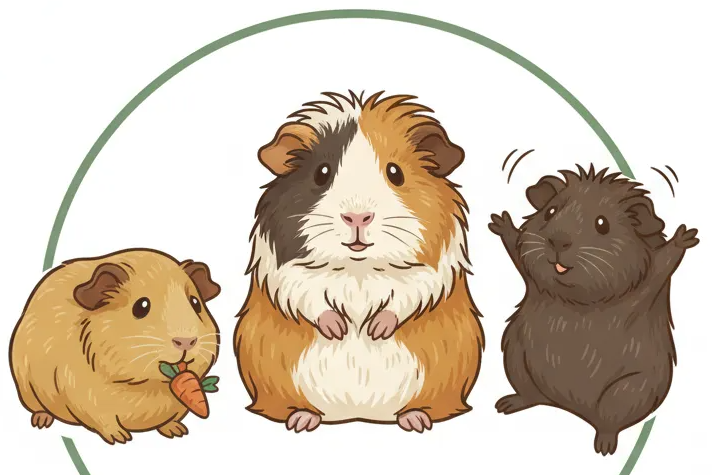
In this article, I’ll clear up the confusion by tackling these twelve widespread myths: guinea pigs are low-maintenance starters, they enjoy living alone, they don’t make noise, they are just like hamsters, they can eat any vegetable, they don’t need vet care, they are always happy to be held, they can live in small cages, they don’t bond with owners, they are boring pets, they can be potty trained easily, and they don’t live very long. Having raised my own trio-Pepper, Clover, and Biscuit-for years, I’ve learned the real stories behind their charming personalities.
Social Behavior and Companionship Myths
Many guinea pig owners misunderstand how these small pets interact with each other and humans. Guinea pigs are highly social creatures that thrive on companionship and clear group dynamics. Recognizing signs of stress, like teeth chattering or hiding, versus contentment, such as gentle purring or relaxed postures, helps you support their well-being. Proper introductions are key to preventing conflicts and building harmonious groups.
- Signs of stress: Teeth chattering, freezing in place, aggressive nudging.
- Signs of contentment: Soft purring, popcorning (joyful jumps), relaxed grooming.
- Steps for introductions: Use neutral space, supervise closely, provide multiple hideouts.
Myth: Guinea pigs do not need social interaction
Some people think guinea pigs are fine living alone, but that’s far from the truth. In reality, guinea pigs are herd animals that can suffer from loneliness, leading to behaviors like lethargy or over-grooming. Guinea pigs need a friend! From my years with Pepper, Clover, and Biscuit, I’ve seen how they chatter and play together, reducing stress and boosting happiness. Companionship is essential for their mental health, much like it is for us.
- Bonding tips: Introduce slowly with treats, house in pairs or small groups, ensure ample space.
- Signs of a happy group: Shared eating, synchronized resting, gentle vocalizations.
Myth: All guinea pigs enjoy handling and cuddling
It’s easy to assume every guinea pig loves being held, but temperaments vary widely. Building trust takes time, and forcing cuddles can cause fear or stress, especially in shy individuals like Biscuit. I learned this with my Peruvian guinea pig, who initially hid when I reached in but now accepts gentle pets after months of patience. Watch for cues to know when they need space. To tell if they actually enjoy being petted, look for signs like leaning into your touch or softly purring. If they tense, pull away, or freeze, give them a moment and try again later.
- Steps for gentle handling: Approach slowly from the side, support their entire body, keep sessions short.
- Signs of discomfort: Struggling to escape, loud squeaks, flattened ears.
Myth: Hiding behavior means they are unfriendly
Hiding doesn’t signal unfriendliness; it’s a natural instinct for safety. Guinea pigs hide to feel secure, whether they’re stressed or simply cozy, as I’ve seen with Pepper retreating to her hut after a noisy day. This behavior can indicate a need for enrichment or a safer environment, not rejection. Providing hiding spots helps them feel in control and reduces anxiety.
- Ways to create secure environments: Add multiple hideouts, use soft bedding, minimize loud noises.
- When hiding is normal: During sleep, in new situations, or for quiet time.
Communication and Vocalization Misconceptions
Guinea pigs use a rich vocabulary of sounds to express themselves, but it’s often misinterpreted. In this complete guide to guinea pig vocalizations, we break down what each sound means. Decoding their vocalizations helps you respond to their needs, from excitement to distress, strengthening your bond. By paying attention to context and body language, you can better understand what they’re trying to say and provide appropriate care.
- Common vocalizations: Wheeks for attention, purrs for varied emotions, chutters for curiosity.
- Steps for responding: Match your tone to theirs, offer comfort or space, observe accompanying actions.
Myth: Squeaks and wheeks are only for food
While food often triggers excited squeaks, guinea pigs vocalize for many reasons. From my experience, Clover wheeks when she hears my voice or wants playtime, showing it’s about connection, not just snacks. These sounds can signal everything from joy to alarm, so listening closely reveals their full range of emotions and needs.
- Meanings of common sounds: Wheeks for excitement or greeting, squeaks for distress or hunger, rumbles for dominance.
- How to interpret: Note the situation-loud wheeks during play mean fun, while sharp squeaks may signal pain.
Myth: Purring means your pig is always content
Purring can be misleading because it has a dual nature. Guinea pigs purr both when content, like during gentle pets, or annoyed, such as when Biscuit does it if Pepper gets too close. I’ve learned to check their body language—relaxed posture means happiness, while stiffening suggests irritation. Context clues prevent misunderstandings and keep interactions positive. Interpreting common guinea pig body language goes beyond purring. Look for signals like ear position and overall posture to gauge mood.
- Context clues for purring: Soft purrs with relaxed body indicate pleasure; louder purrs with tense muscles signal annoyance.
- Body language to watch: Ears forward for calm, ears back for stress, and whether they lean into or away from touch.
Myth: Vocalizations are breed-specific and unchangeable
Breed doesn’t lock in how guinea pigs communicate; their environment and care shape their sounds. With consistent, gentle interaction, even reserved pigs like Biscuit can become more vocal and expressive over time. I’ve noticed Pepper’s gentle nature influences her softer wheeks, while Clover’s thoughtful personality leads to varied chatters. Encouraging positive communication builds trust and reduces stress.
- Steps to encourage communication: Talk softly daily, respond to their sounds, provide a stimulating habitat.
- How care influences sounds: A safe home reduces fear-based noises, while social interaction increases joyful vocalizations.
Activity and Play Behavior Myths
Many owners misinterpret their guinea pigs’ actions, leading to confusion about their well-being. Observing their movements closely helps you distinguish between playful antics and signs of distress. By learning these cues, you’ll also know when your guinea pigs are happy. Happy guinea pigs often show relaxed bodies, contented vocalizations, and active but calm exploration.
Myth: Popcorning indicates fear or stress
Popcorning-those joyful leaps and twists-is often misunderstood as a stress response. In reality, it’s a clear sign of happiness and excitement in guinea pigs. I’ve watched Pepper burst into popcorn jumps when I bring fresh kale, showing pure delight.
Here are typical happy behaviors to look for:
- Popcorning with high, bouncy jumps
- Soft wheeking or purring sounds
- Running in circles or exploring eagerly
Contrast this with actual stress signs:
- Freezing in place for long periods
- Hiding constantly or refusing to come out
- Teeth chattering or aggressive posturing
Recognizing these differences ensures you respond appropriately to your pet’s emotional state.
Myth: Chasing is harmless play
Chasing might seem like fun, but it can signal dominance disputes or tension in a group. Not all chasing is playful; it often reflects social hierarchy or conflict. With my trio, I’ve seen Clover gently chase Biscuit, but I always monitor for any escalation.
Follow these steps to ensure safe interactions:
- Watch for consistent chasing patterns over days.
- Check if one guinea pig is always the aggressor.
- Intervene if you notice signs of fear or injury.
Warning signs that chasing is problematic include:
- Loud, distressed squeaking during the chase
- Biting or fur pulling
- One pig constantly hiding from the other
Providing enough space and hiding spots reduces competition and keeps play healthy.
Myth: Chewing on enclosure bars is normal
Bar chewing is not a natural habit; it usually stems from boredom or insufficient enrichment. This behavior often indicates your guinea pig needs more mental and physical stimulation. When Pepper started chewing bars, I realized his habitat lacked variety.
Try these chew-safe toys to redirect the behavior:
- Untreated wooden blocks or sticks
- Cardboard tubes or boxes
- Hay-filled toys or foraging mats
Steps to prevent bar chewing include:
- Rotate toys weekly to keep things interesting.
- Ensure the enclosure is large enough for exercise.
- Offer daily out-of-cage time in a safe area.
Addressing boredom early prevents habits that could harm their teeth or stress them out.
Diet, Health, and Daily Care Myths
What your guinea pig eats and how you care for them directly shapes their behavior and health. Ignoring these links can lead to preventable issues and misunderstandings. In this complete guide, we explore what guinea pigs like and dislike, helping you tailor their diet and care. This knowledge makes it easier to keep your pet happy and healthy.
Myth: Diet doesn’t influence behavior
Nutrition plays a huge role in your guinea pig’s energy levels and mood. A poor diet can cause lethargy, irritability, or even illness due to deficiencies like low vitamin C. I saw Biscuit become more active after I added vitamin C-rich veggies to his meals.
Behavior changes tied to diet include:
- Reduced activity or reluctance to move
- Increased aggression or skittishness
- Changes in vocalization, like less wheeking
Steps for balanced feeding to support good behavior:
- Provide unlimited Timothy hay for digestion and chewing.
- Offer fresh vegetables daily, like bell peppers for vitamin C.
- Use high-quality pellets without artificial additives.
Feeding a varied, nutrient-rich diet keeps your guinea pig vibrant and engaged.
Myth: They are purely diurnal and sleep at night
Guinea pigs are crepuscular, meaning they’re most active at dawn and dusk. They nap intermittently throughout the day and night, not in long stretches like humans. My pigs, especially Clover, often stir at twilight for their liveliest moments.
Normal sleep patterns involve:
- Short naps of 10-30 minutes at a time
- Quiet periods during midday and deep night
- Increased movement and feeding at sunrise and sunset
Enrichment ideas for daytime engagement include:
- Puzzle feeders with hidden treats
- Tunnels and hideouts for exploration
- Gentle handling or quiet interaction sessions
Respecting their natural rhythms helps you provide care that matches their energy peaks.
Myth: Guinea pigs are low-maintenance pets
These animals require consistent daily attention to thrive. Caring for guinea pigs involves regular cleaning, feeding, and social time to prevent neglect. Properly caring for guinea pigs also means providing a clean, spacious cage with fresh bedding and constant access to hay. Regular veterinary checkups and a vitamin C–rich diet help prevent common illnesses. With three pigs, I spend time each day on tasks that keep them healthy and happy.
Steps for routine daily checks:
- Inspect their enclosure for cleanliness and hazards.
- Monitor food and water levels, refreshing as needed.
- Observe each pig for signs of illness or stress.
Key commitments for proper care include:
- Daily spot-cleaning of soiled bedding
- Weekly deep cleans of the entire habitat
- Regular grooming, especially for long-haired breeds like Biscuit
Dedicated daily care builds trust and ensures your guinea pigs live full, comfortable lives.
FAQs
Are there cultural myths about guinea pigs beyond behavior?
Some cultures historically believed guinea pigs had mystical powers, like warding off evil spirits. These tales are part of folklore and not supported by modern pet care knowledge. That’s one myth among many about guinea pigs. There are nine other harmful myths about their care that new owners should debunk.
How can math problems relate to guinea pig care?
Math helps calculate ideal cage dimensions or daily food ratios for guinea pigs. For instance, you might use basic geometry to ensure adequate floor space per animal.
Is Python programming useful for guinea pig owners?
Python can automate tasks like tracking feeding times or analyzing activity patterns. This tool aids in maintaining consistent care routines through simple scripts.
Understanding Your Guinea Pig Better
By debunking common myths, you can tailor care to your guinea pig’s actual needs and behaviors. From my time with Pepper, Clover, and Biscuit, I’ve seen how paying attention to their individual quirks leads to a stronger bond and happier pets. Understanding their personality helps determine if guinea pigs are good pets for you. When you tune into their likes and moods, they become easier to care for and more enjoyable companions.
Commit to ongoing education about guinea pig care to ensure their well-being and reduce environmental impact. Choosing eco-friendly options, like recycled paper bedding, supports a healthier home for your pet and the planet. When you’re deciding on bedding, compare paper, wood, and fleece to see which is safest and most comfortable for your guinea pig and fits your cleaning routine.
Further Reading & Sources
- The guide to guinea pig behaviour | Guinea Pig Awareness Week
- Busting Common Guinea Pig Myths – Oxbow Animal Health
- 10 Common Guinea Pig Behaviors Explained | Chewy
- A – Z of Guinea Pig Behaviours | The Guinea Pig Forum
Kate is a passionate guinea pig owner and advocate for small pet welfare. With over a decade of experience caring for guinea pigs, she has become a trusted voice in the small pet community.
Uncategorized