Guinea Pigs are Easy Starter Pets: And 9 Other Harmful Myths
Published on: April 19, 2026 | Last Updated: April 19, 2026
Written By: Kate M. Callahan
Hey CavyFam, thinking about getting a guinea pig because they seem like a simple first pet? Many people do, but that common belief can lead to unprepared homes and stressed animals.
I’ll clear up the confusion by tackling these specific myths: easy starter pets, low maintenance, cheap to keep, solitary animals, short-lived, only eat pellets, don’t need vet care, thrive in small cages, and are boring pets. I’ve learned the hard way through years of caring for my own trio of guinea pigs.
Why Guinea Pigs Aren’t Simple Beginner Pets
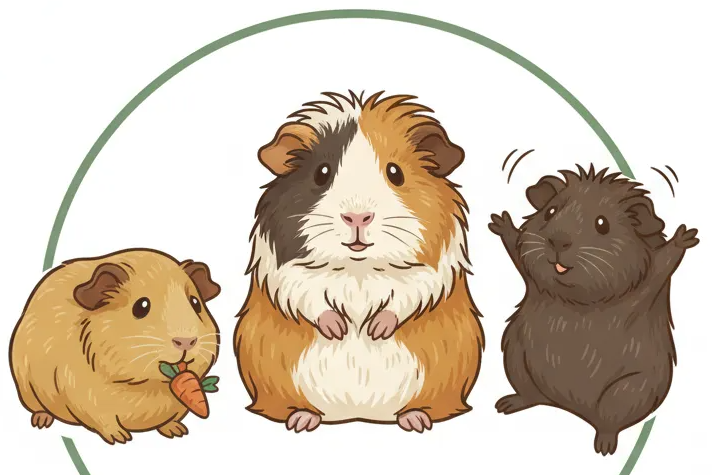
Many people think guinea pigs are perfect for first-time pet owners, but that idea can lead to unhappy pets and frustrated families. Guinea pigs need consistent daily care that goes far beyond just feeding and occasional play. I learned this quickly with my trio-Pepper, Clover, and Biscuit-each with their own distinct needs and quirks.
Their diet alone requires fresh vegetables, high-quality hay, and vitamin C supplements to prevent illness. Neglecting their nutritional balance can cause serious health issues like scurvy or dental problems. You must check their food and water multiple times a day, something I do without fail for my pets.
- Daily cage cleaning to prevent ammonia buildup from urine
- Regular grooming, especially for long-haired breeds like Biscuit
- Social interaction to prevent loneliness and depression
- Veterinary visits for routine checks and emergencies
Handling them wrong can stress them out or cause injuries. Proper guinea pig care demands time, patience, and a willingness to learn about their unique behaviors. From my experience, treating them as “easy” pets often results in neglect, which goes against animal welfare principles.
The Truth About Guinea Pig Maintenance and Handling
Myth: They Are Low-Maintenance Pets
This myth is one of the most harmful because it underestimates the daily effort involved. Guinea pigs produce a lot of waste, so their cages need frequent cleaning to keep them healthy and odor-free. I clean Pepper, Clover, and Biscuit’s enclosure every other day to avoid respiratory issues from ammonia.
Their grooming varies by breed-Biscuit’s long Peruvian fur requires gentle brushing to prevent mats. Regular health checks are essential to spot early signs of illness, like weight loss or lethargy. I spend at least an hour daily on feeding, spot-cleaning, and social time.
- Spot-clean the cage daily to remove soiled bedding
- Provide unlimited timothy hay for digestion and dental health
- Offer fresh veggies rich in vitamin C, like bell peppers or kale
- Schedule weekly deep cleans of the entire habitat
Ignoring these tasks can lead to infections or behavioral issues. Committing to guinea pig care means embracing a routine that supports their well-being every single day. My pets thrive because I prioritize their maintenance, not treat it as optional.
Myth: They Love Constant Cuddling
While guinea pigs can be affectionate, they don’t always enjoy non-stop cuddles. Each pig has a personality—Clover, for example, prefers short, gentle pats over long holds. Forcing constant contact can make them anxious or even lead to biting. Watch for cues if the pig leans into your hand, closes its eyes, or purrs softly, it likely enjoys being petted. If it stiffens or tries to move away, stop.
I’ve noticed Biscuit gets restless if handled too much, so I limit our snuggle sessions to a few minutes. Respecting their boundaries builds trust and reduces stress for both you and your pet. Instead of assuming they want cuddles, watch for cues like purring or nuzzling.
- Start with brief handling sessions to gauge their comfort
- Use treats to create positive associations with touch
- Observe body language-if they squirm or hide, give them space
- Provide hideaways in their cage for alone time
Over time, Pepper has become more relaxed with handling, but it took months of patience. Understanding their individual preferences ensures a happier, healthier relationship. Pushing for constant affection can harm their mental health, which is why animal welfare means listening to what they need.
Myth: They Scare Easy and Shouldn’t Be Held
It’s true guinea pigs can be skittish, but avoiding handling altogether does more harm than good. With gentle, consistent practice, most guinea pigs learn to feel safe in your hands. I’ve helped Clover overcome her initial fears by moving slowly and speaking softly.
Start by letting them sniff your hand before picking them up. Supporting their entire body prevents injuries and makes them feel secure. Biscuit used to dart away, but now she stays calm for short lifts because I built trust gradually.
- Sit near their cage daily to let them get used to your presence
- Use a cupped hand to lift them, avoiding sudden movements
- Hold them close to your chest for warmth and comfort
- Keep sessions short initially, increasing time as they adjust
Regular, positive handling reduces fear and strengthens your bond. Abandoning this aspect of care can lead to social isolation and behavioral problems. From my experience, the key is patience-rushing the process only reinforces their skittishness, so take it one step at a time.
Essential Guinea Pig Social and Housing Needs
Myth: They Can Live Happily Alone
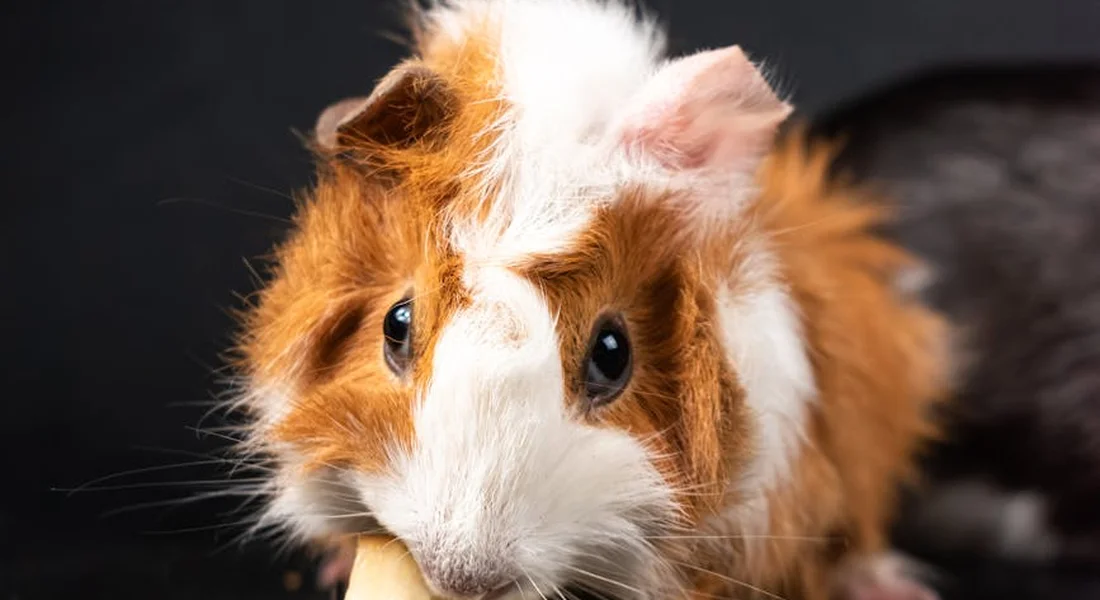
I learned this the hard way with my first guinea pig, Pepper. He seemed fine alone, but his personality truly blossomed when I introduced Clover. Guinea pigs are herd animals hardwired for constant social contact. Keeping a single guinea pig is a form of unintentional neglect, as they can become withdrawn, lethargic, and even depressed without a companion. A bonded pair provides mutual grooming, playful chasing, and comforting chatter that you simply cannot replicate. I’ve watched Biscuit and Clover snuggle together for naps, and it’s clear this companionship is a core part of their well-being.
Myth: Small Cages or Glass Tanks Are Sufficient
Many commercial cages sold for guinea pigs are tragically undersized. A glass aquarium is even worse due to poor ventilation, which can lead to serious respiratory infections. Your guinea pigs need a large, open-floor space to run, popcorn (those joyful leaps in the air), and establish separate areas for sleeping, eating, and bathroom habits. For a complete space requirements guide that covers exact cage sizes and layout tips, see our Guinea Pig Size Cage guide. It explains minimums and ideal sizes to help you plan a home your pigs can thrive in. I upgraded to a large C&C cage, and the difference in my pigs’ activity levels was immediate and incredible. The absolute minimum for two guinea pigs is about 8 square feet, but more is always better. Proper housing is their entire world—make it a good one.
Myth: They Can Thrive With Rabbits
This is a dangerous myth that puts both species at risk. Rabbits can carry Bordetella bacteria without showing symptoms, but it can be fatal to guinea pigs. Their communication styles are also completely different; a rabbit’s nudge can be a guinea pig’s shove. Rabbits are much larger and stronger, and their powerful hind legs can cause severe, even fatal, injuries to a guinea pig with one accidental kick. I would never risk my gentle Pepper’s safety by housing him with a rabbit, no matter how docile the bunny seems. Always house guinea pigs with their own kind.
Critical Guinea Pig Nutrition Facts
Myth: They Only Need Hay to Survive
While unlimited, high-quality grass hay like Timothy hay should make up about 80% of their diet, it’s not a complete meal. A daily serving of fresh, guinea pig-safe vegetables is non-negotiable for providing essential vitamins and minerals that hay alone cannot supply. My trio gets a morning salad of romaine lettuce, bell peppers, and cilantro. Watching them nibble with such focused delight is a daily joy. This variety also provides crucial mental stimulation and hydration.
Myth: They Don’t Need Additional Vitamin C
This is one of the most critical facts for new owners to understand. Like humans, guinea pigs cannot synthesize their own vitamin C. A deficiency leads to scurvy, causing joint pain, dental problems, and a weakened immune system. You must provide a consistent, daily source of vitamin C through fresh vegetables high in the nutrient, like bell peppers, or a stabilized liquid supplement added to their water. I slice a fresh piece of green bell pepper for my pigs every single day without fail-it’s their favorite vitamin C treat.
Myth: Alfalfa Hay Is Always the Best Choice
Alfalfa hay is like candy for guinea pigs – it’s rich, high in calcium and protein, and they love it. However, it’s not a suitable staple for most adult guinea pigs. Feeding alfalfa hay long-term to adult guinea pigs can lead to painful bladder stones and obesity due to its high calcium and calorie content. I only use alfalfa hay for young, growing pups under six months, pregnant sows, or nursing mothers who need the extra nutrients. For my healthy adults like Pepper and Clover, Timothy or Orchard grass hay is the safe, everyday choice. Alfalfa hay isn’t for guinea pig core feeding.
Common Health and Safety Misconceptions
Myth: They Don’t Need Regular Vet Care
Many people assume that because guinea pigs are small, they don’t need a vet. I learned this was dangerously wrong when my guinea pig, Clover, stopped eating. Guinea pigs require annual check-ups with an exotic animal vet, just like a cat or dog would. Their teeth grow continuously and can develop painful spurs, and only a trained professional can spot early signs of issues like heart disease or ovarian cysts.
From my own experience, that vet visit for Clover uncovered a minor dental issue we could correct before it became an emergency. Preventative care is far cheaper and less stressful than emergency treatment for a critically ill pet.
Myth: They Can’t Get Sick Easily
This myth is one of the most harmful. Guinea pigs have very sensitive respiratory and digestive systems. A simple draft can lead to pneumonia, and a sudden change in diet can cause deadly gut stasis. My gentle guinea pig, Pepper, once got a respiratory infection just from the cage being near a frequently opened door in winter.
Watch for these subtle signs of illness:
- Hiding more than usual or a lack of interest in food.
- Wheezing, sneezing, or crusty eyes.
- Diarrhea or a lack of droppings in the cage.
- Rough, puffed-up fur instead of a smooth coat.
Guinea pigs are prey animals and instinctively hide weakness, so by the time they look sick, they are often very sick. Immediate vet care is crucial.
Myth: Exercise Balls and Small Animal Toys Are Safe
I made this mistake early on with my first guinea pig. Exercise balls and wheels are not safe for guinea pigs due to their long spines and specific anatomy. They can easily injure their backs or get their feet caught. The ventilation is also poor, causing them to overheat and panic. Are exercise balls or wheels safe for guinea pigs? Generally not—there are safer enrichment options available.
Instead, provide safe enrichment:
- Create a large, secure playpen for floor time exploration.
- Offer cardboard tunnels, paper bags, and hideouts they can run through.
- Use chew toys made of untreated wood or seagrass to maintain dental health.
- Scatter their daily vegetables around the enclosure to encourage natural foraging.
My reserved pig, Biscuit, became much more active and confident once I swapped the dangerous ball for a simple cardboard castle.
Understanding Guinea Pig Development and Lifespan
The idea of a “starter pet” often implies a short commitment, but that’s not the case with guinea pigs. With proper care, a guinea pig’s lifespan is typically 5 to 8 years, with some living even longer. Understanding the average lifespan of a guinea pig can help you plan for the years ahead. Bringing one home is a commitment similar to getting a cat.
Their development is fascinating to watch. They are born fully furred with their eyes open, ready to explore. In just a few weeks, a baby guinea pig can triple its birth weight, requiring constant access to high-quality alfalfa hay and young guinea pig pellets.
Their life stages are distinct:
- Baby (0-6 months): Rapid growth, high energy, and crucial socialization time.
- Young Adult (6 months – 2 years): Settled into personality; this is when many of their lifelong habits form.
- Adult (2-5 years): Prime of life, but this is when weight gain and dental issues can emerge without a proper diet.
- Senior (5+ years): May develop arthritis or require softer foods; they need extra-gentle handling and comfort.
My graceful Clover is now three, and I’m mindful of her diet and activity to ensure she stays healthy into her senior years. This long lifespan is a gift, not a burden, for a prepared owner.
Responsible Guinea Pig Ownership Practices
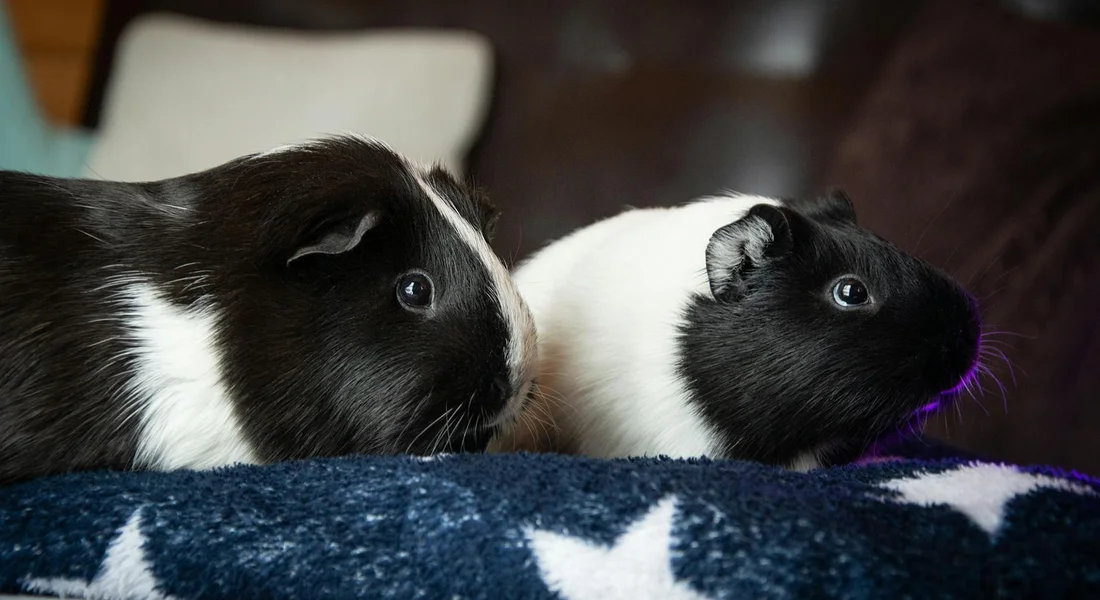
Many people believe that guinea pigs are simple to care for, but this myth often leads to unintentional neglect. Proper guinea pig care requires a dedicated daily commitment to their complex physical and emotional needs. I learned this firsthand after adopting my first pig, Pepper, and realizing my initial setup was completely inadequate for her wellbeing.
Providing Adequate Space and Enrichment
The tiny pet store cages sold as “guinea pig homes” are a primary source of misunderstanding. Guinea pigs need significant horizontal space to run, popcorning (those joyful jumps), and maintain healthy joints. My three pigs, Pepper, Clover, and Biscuit, live in a custom-built C&C cage that measures over 16 square feet. To translate this into a build for the perfect guinea pig cage, plan for wide horizontal space, sturdy materials, and easy cleaning. A well-designed setup keeps them active and comfortable.
- Minimum space for two guinea pigs is 10.5 square feet, but more is always better.
- Use safe, absorbent bedding like paper-based or fleece liners, changed regularly.
- Provide multiple hideys so each pig can have personal space and feel secure.
- Include safe chew toys, tunnels, and platforms to encourage natural behaviors.
Mastering Their Unique Dietary Needs
A diet of just commercial pellets is a fast track to health problems. Their digestive systems require a constant supply of high-quality hay, fresh vegetables, and a precise amount of vitamin C-rich foods. I make a fresh “salad” for my herd every single morning without fail.
- Unlimited Timothy Orchard Grass Hay should make up about 80% of their daily intake.
- Offer one cup of fresh vegetables per pig per day, focusing on leafy greens like romaine and cilantro.
- Supplement with a small, measured amount of fortified pellets to ensure balanced nutrition.
- Provide a consistent source of Vitamin C through foods like bell peppers, as they cannot produce it themselves.
Understanding Social and Veterinary Requirements
Guinea pigs are highly social creatures that suffer profoundly from loneliness. Housing a single guinea pig is considered inhumane in many countries due to their profound need for companionship. I watched my reserved pig, Biscuit, completely blossom once she was introduced to my established pair. If you’re wondering about keeping a single guinea pig, most experts say they do best with a companion. A buddy can prevent loneliness and encourage healthy behaviors.
- Always adopt at least two guinea pigs, ensuring they are properly sexed and introduced.
- Find a veterinarian who specializes in “exotic” pets before an emergency arises.
- Schedule annual check-ups to monitor dental health and overall condition.
- Handle your pigs gently and daily to build trust and check for any subtle signs of illness.
Responsible ownership means seeing past the “easy pet” label and committing to their full lifespan of 5-8 years. Building a bond with these intelligent, vocal animals is incredibly rewarding, but it demands an informed and attentive caregiver. The joyful wheeks when I bring their veggies are a daily reminder that the effort is worth every second.
FAQs
Are guinea pigs nocturnal animals?
Guinea pigs are not nocturnal; they are crepuscular, meaning they are most active during dawn and dusk. Understanding their activity patterns helps in scheduling play and feeding times for their well-being.
What is the historical mythology surrounding guinea pigs?
In some Andean cultures, guinea pigs were historically used in rituals and believed to have healing or spiritual significance. Over generations, they were domesticated by Andean communities, selected for calmer temperaments and usefulness as a food source and companions. This long history of domestication underpins their close relationship with people today. These mythological beliefs are separate from modern pet care practices and do not influence their daily needs.
Can I find math problem worksheets about guinea pigs for students?
Yes, educational PDFs with math problems often use guinea pig-themed scenarios to teach concepts like ratios or geometry. These resources are designed to make learning fun and relatable for students in various grades.
Are there specific guinea pig math problems for grade 6 and 7?
Grade 6 math problems might involve calculating food portions or cage areas using basic arithmetic. Grade 7 problems could include data analysis on guinea pig growth rates or probability in breeding scenarios.
What does “guinea pig” refer to in Python programming?
In Python, “guinea pig” is not a built-in feature but may refer to a testing library or example code used for experimentation. This programming context is unrelated to the actual care and myths about pet guinea pigs.
Your Guinea Pig Truths and Next Steps
Always research beyond common myths to understand their true needs for space, diet, and social interaction. Proper care transforms them from simple pets into cherished family members with unique personalities.
Commit to lifelong learning and eco-friendly choices like recycled bedding or safe, homemade toys. Your dedication ensures a happy, healthy life for your guinea pigs and a greener home for all.
Further Reading & Sources
- Common guinea pig myths debunked | Bristol Animal Rescue Centre
- Which guinea pig senses are the strongest? GUINEA PIG MYTHS – GuineaDad
- Busting Common Guinea Pig Myths – Oxbow Animal Health
- News: Guinea Pigs – 5 myths busted • SPCA New Zealand
Kate is a passionate guinea pig owner and advocate for small pet welfare. With over a decade of experience caring for guinea pigs, she has become a trusted voice in the small pet community.
Uncategorized