The Truth About Hay: 9 Common Guinea Pig Hay Myths Busted
Published on: April 20, 2026 | Last Updated: April 20, 2026
Written By: Kate M. Callahan
Hello CavyFam! Do you ever wonder if you’re making mistakes with your guinea pig’s hay? I’ve seen many owners stress over hay choices, fearing they might unintentionally harm their pets.
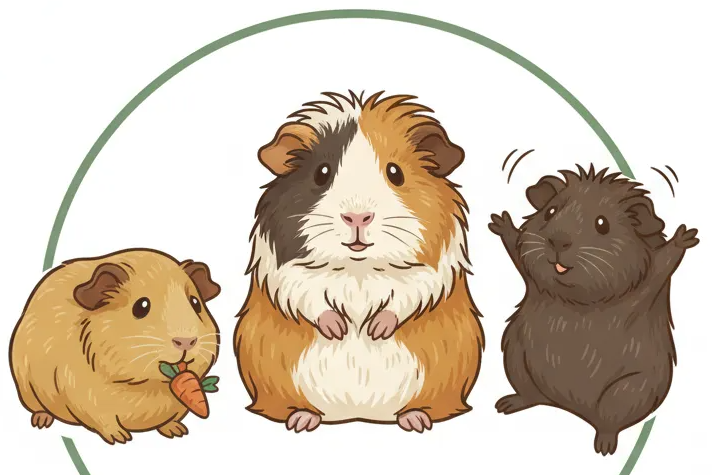
We’ll tackle myths like all hay is identical, hay leads to obesity, and substitutes are fine occasionally. With years of hands-on experience caring for my guinea pigs Pepper, Clover, and Biscuit, I’ve tested what works to keep them thriving.
Myth: Any Type of Hay is Fine for Guinea Pigs
Many new owners think a bag of hay is just a bag of hay, but that assumption can impact your pet’s health. Not all hay is created equal, and feeding the wrong type can lead to serious issues like obesity or bladder stones.
Timothy hay is the gold standard for adult guinea pigs, providing the perfect balance of fiber and protein. Alfalfa hay is much richer, packed with calcium and protein, making it ideal for growing babies and pregnant sows. Other varieties, like Orchard grass or Meadow hay, offer wonderful alternatives for picky eaters or those with mild Timothy allergies. So, which is better for your guinea pig—Timothy hay vs Orchard grass? Generally, Timothy is the default for adult guinea pigs, with Orchard grass as a good alternative for picky eaters.
- Young, growing guinea pigs (under 6 months) & pregnant/nursing sows: Alfalfa Hay
- Healthy adult guinea pigs (over 6 months): Timothy Hay, Orchard Grass, or Meadow Hay
- Guinea pigs with weight or urinary issues: Timothy Hay or Orchard Grass (lower in calcium)
I learned this the hard way with my own herd. When my piggy Biscuit was young, I fed him unlimited alfalfa, but as he matured, I had to carefully transition him to Timothy to avoid excess weight gain. Watching his energy levels stay high on the proper hay was all the proof I needed.
Offering a mix of grass hays does more than just prevent dietary boredom. Providing variety encourages natural foraging behavior and supports a diverse, healthy gut microbiome, which is crucial for their delicate digestive systems.
Myth: Hay Harms Teeth and Offers Little Nutrition
This myth is particularly dangerous because it misunderstands a guinea pig’s fundamental biology. Hay doesn’t harm their teeth; it’s the single most important item for maintaining their dental health. Their teeth grow continuously, and the rigorous chewing action required to break down long strands of hay is what naturally and evenly wears them down. Understanding the basics of guinea pig dental health is crucial for any pet owner.
Beyond being a dental necessity, hay is a nutritional powerhouse. The high fiber content is essential for proper gut motility, preventing deadly conditions like GI stasis. It also provides a suite of vitamins and supports a healthy weight by being low in calories yet high in bulk.
| Nutrient | High-Quality Hay | Commercial Pellets |
|---|---|---|
| Fiber | High (30-35%) | Moderate (15-25%) |
| Protein | Moderate (7-14%) | Higher (18-20%) |
| Calcium | Varies by type | Fortified |
I saw this firsthand with my gentle pig, Pepper. After ensuring he had a constant supply of fresh, fragrant Timothy hay, his activity levels noticeably increased, and he became more engaged and playful during floor time. His coat looked shinier, and his overall vitality improved simply from this one, consistent dietary staple.
Think of hay as the bedrock of their diet. Pellets are a useful supplement, but they should never replace the endless mound of hay that should always be available to your cavy.
Myth: Cheap Hay is a Cost-Effective Choice
I learned the hard way that saving a few dollars on hay often costs more in the long run. Low-quality hay frequently results in massive waste because your guinea pigs simply won’t eat the stale, brown, or dusty portions. That bargain bag you bought ends up mostly in the trash bin. To keep hay fresh and reduce waste, store it in a cool, dry place in a sealed container. Rotate stock and check for moisture or mold before feeding.
More dangerously, discounted hay carries higher risks of mold and fungal contamination. Moldy hay can cause serious respiratory infections and digestive issues, leading to expensive emergency vet visits. My guinea pig Biscuit once developed sneezing fits from a “great deal” hay batch I regret buying. This raises the question of hay cubes vs loose long strand hay as a potentially safer alternative. Some owners find that hay cubes can reduce dust and mold exposure, though quality and storage still matter.
How to Spot Premium Hay
Follow these steps to ensure you’re getting nutritious hay:
- Look for vibrant green color throughout the package
- Sniff for a fresh, sweet grassy aroma (avoid musty smells)
- Check for minimal dust when handling the hay
- Ensure stems are flexible, not brittle or woody
Smart Bulk Buying Strategies
You can save money without sacrificing quality with these approaches:
- Purchase from reputable farms that vacuum-seal large quantities
- Split bulk orders with other guinea pig owners in your area
- Store extra hay in breathable containers in cool, dry areas
- Check local feed stores for fresh bales at wholesale prices
Proper storage maintains freshness for months, making bulk purchases genuinely economical. My current hay storage system keeps six months’ supply perfectly fresh for my three girls.
Myth: Guinea Pigs Naturally Dislike Certain Hays
Many owners mistake temporary pickiness for permanent preference. Guinea pigs are creatures of habit who need gentle encouragement to accept new foods. My Abyssinian Clover turned up her nose at orchard grass for weeks before it became her favorite. If you’re wondering what guinea pigs like or dislike certain foods, this complete guide can help. It explains how to introduce new foods safely and how to read their reactions.
Successful Hay Introduction Method
Follow this gradual transition process:
- Mix 25% new hay with 75% familiar hay for 3-4 days
- Increase to 50/50 mixture for another 3-4 days
- Shift to 75% new hay with 25% familiar hay
- Offer the new hay exclusively after about two weeks
This slow transition prevents digestive upset while allowing taste buds to adjust. Pepper now happily munches on four different hay varieties thanks to this method.
Making Hay Irresistible
Try these creative approaches to increase hay consumption:
- Hide small pieces of favorite vegetables throughout hay piles
- Use puzzle feeders that require burrowing through hay to reach treats
- Stuff hay into cardboard tubes or paper bags for enrichment
- Place hay racks at different heights to encourage exploration
Transforming hay from simple food into an activity mimics their natural foraging instincts. Watching Biscuit methodically work through her hay puzzle each morning brings me joy.
Fresh hay satisfies their biological need to graze constantly. In the wild, guinea pigs spend 70% of their waking hours foraging, which high-quality hay perfectly replicates. Hay is the cornerstone of a guinea pig’s diet because it provides the essential fiber for digestion and helps wear teeth down naturally. Providing variety keeps their minds engaged and digestive systems functioning optimally.
Myth: Timothy Hay is the Only Safe Option

Many owners believe Timothy hay is the sole choice for a healthy diet, but that simply isn’t true. While Timothy hay is an excellent foundation, offering other grass hays provides essential variety and enrichment. My own guinea pigs, Pepper, Clover, and Biscuit, get genuinely excited when I bring out a new type of hay-it’s like a new toy and snack all in one, complementing their overall healthy diet.
Comparing Common Grass Hays
Different hays offer slightly different nutritional profiles and textures, which is great for your pet’s dental and digestive health.
- Timothy Hay: The classic choice. High in fiber, perfect for daily wear on constantly growing teeth.
- Orchard Grass: Softer and often dust-free. A fantastic alternative for owners or piggies with allergies. My thoughtful Clover adores its gentle texture.
- Meadow Hay: A diverse mix of grasses and herbs. Provides a wonderful sensory experience and encourages natural foraging behavior.
- Oat Hay: Includes the tasty seed heads, which are a special treat. I sprinkle this in for my intelligent Biscuit to keep him engaged.
How to Rotate Hays for Balanced Nutrition
You don’t need to switch hays every single day. A simple rotation prevents dietary boredom and ensures a broad intake of nutrients.
- Use one type of hay as your primary base for a week or two, like Timothy.
- Mix in a handful of a different hay, such as Orchard Grass, with the main hay.
- After a couple of weeks, make the “mix-in” hay your new primary base for a while.
Rotating their hay has kept my trio’s appetites strong and their digestion running smoothly for years. Watching them explore a new hay blend is a clear sign of their contentment.
Essential Tips for Proper Hay Storage and Feeding
Great hay can go bad quickly if stored improperly. Protecting your hay investment is just as important as choosing the right type. I learned this the hard way after a humid summer ruined a whole bale.
Step-by-Step Hay Storage to Avoid Mold
Mold is a serious health hazard for guinea pigs, so proper storage is non-negotiable.
- Immediately transfer hay from its plastic packaging into a breathable container. A cloth bag or a well-ventilated plastic bin works perfectly.
- Store the container in a cool, dry place away from direct sunlight. A pantry or closet is ideal.
- Never let the hay sit directly on a concrete floor, as it can draw moisture.
Signs Your Hay Has Gone Bad
Always inspect hay before you feed it. Your senses are your best tools.
- Sight: Look for dark, gray, or white patches. Good hay should be mostly green and golden.
- Smell: Fresh hay has a sweet, grassy aroma. Bad hay smells musty, damp, or like mildew.
- Touch: Hay should feel dry and crisp. If it feels warm, clumpy, or damp, throw it away immediately.
If you wouldn’t want to put your face in it, don’t feed it to your guinea pig. This simple rule has never steered me wrong.
A Simple Daily Hay Feeding Schedule
Guinea pigs need unlimited access to hay 24/7. Their digestive systems rely on a constant flow of fiber.
- Morning: Refresh their main hay rack, filling it to the top.
- Evening: Do a quick spot-clean of soiled hay and add a fresh, generous handful to encourage nighttime munching.
- All Day: Ensure their hay supply never runs empty. I often tuck extra handfuls in paper bags or cardboard tubes for enrichment.
My Personal Hay Freshness Routine
Every morning when I feed my gentle Pepper and the others their breakfast veggies, I do a quick hay check. I stick my hand deep into their hay rack to feel for warmth and take a good sniff. This five-second habit ensures I’m always providing the safest, freshest food possible and gives me peace of mind.
FAQs
Can guinea pigs eat hay that is slightly damp?
No, damp hay can quickly develop mold, which is toxic and harmful to guinea pigs. Always ensure hay is completely dry before feeding to prevent health issues like respiratory infections. Haylage, which is fermented and wetter, is not safe for guinea pigs. It should be avoided in favor of dry hay.
Is it safe to feed hay from a backyard or field?
It is not recommended due to risks of pesticides, pollutants, or toxic plants that could harm your guinea pig. Stick to commercially sourced hay from trusted suppliers for guaranteed safety and quality.
How can I tell if my guinea pig is allergic to a certain hay?
Watch for symptoms like sneezing, itching, or watery eyes when introducing a new hay. If allergies are suspected, switch to a hypoallergenic option like Orchard grass and consult a veterinarian for guidance.
Your Guinea Pig’s Hay Health: Final Insights
Always offer unlimited, high-quality hay like timothy or orchard grass to support your guinea pig’s digestion and well-being. Dispelling myths, such as thinking hay is just filler or that alfalfa is always harmful, ensures your pets get the balanced diet they need. When choosing the best hay for your guinea pig, look for fresh, green, fragrant hay with minimal dust and no mold. Rotating between timothy and orchard grass can help balance nutrients.
From my time with guinea pigs like gentle Pepper and graceful Clover, I’ve seen how ongoing education makes pet ownership more rewarding. Choose eco-friendly hay options and stay curious about best practices to provide a safe, sustainable home for your furry friends.
Further Reading & Sources
- r/guineapigs on Reddit: Is hay actually bad, or good for guinea pigs?
- Can Guinea Pigs Live Without Eating Hay? – PetHelpful
- 3 Key Questions About Guinea Pigs and Hay
- Why do guinea pigs need hay? | Supreme Petfoods
Kate is a passionate guinea pig owner and advocate for small pet welfare. With over a decade of experience caring for guinea pigs, she has become a trusted voice in the small pet community.
Uncategorized