Spotting Guinea Pig Dehydration Before It’s Too Late
Published on: August 10, 2026 | Last Updated: August 10, 2026
Written By: Kate M. Callahan
Hello CavyFam! Is your guinea pig acting a little off, and you’re worried they might not be drinking enough? Catching the early signs of dehydration can stop a small issue from turning into a scary vet emergency.
In this guide, we’ll walk through subtle behavioral changes, quick physical checks you can do at home, simple ways to encourage more water intake, and the critical signs that mean you need a vet now.
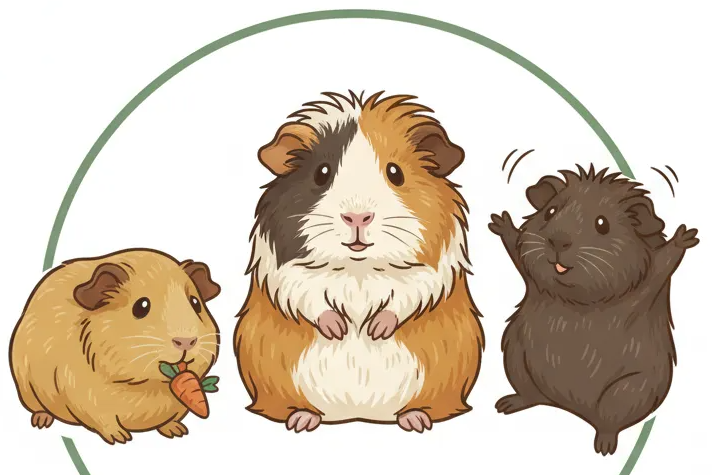
I’ve learned to spot these signals through years of caring for my own herd-Pepper, Clover, and Biscuit-and I’m here to help you keep your piggies happy and hydrated.
What Dehydration Looks Like in Guinea Pigs
Key Physical Symptoms to Watch For
Spotting dehydration early can save your guinea pig from serious health issues. One telltale sign I noticed with Biscuit, my Peruvian, was his skin tenting slowly when gently pinched—it didn’t spring back like usual. This skin elasticity test is a quick way to gauge hydration. When you’re choosing a guinea pig, use a quick health-check mindset—look for bright eyes, a clean coat, and responsive behavior. Observing hydration cues like skin elasticity can help you pick a pig that’s in good shape from the start.
- Sunken or dull eyes: Healthy guinea pigs have bright, alert eyes; dehydration makes them look recessed.
- Dry nose and mouth: A moist nose is normal, but dryness here often points to fluid loss.
- Reduced urination: Check their cage for fewer wet spots, as less pee can mean they’re not drinking enough.
- Weight loss: Sudden drops in weight, even small ones, can signal dehydration affecting their appetite.
From my experience, these symptoms can appear gradually, so regular checks are vital. I always feel Pepper’s skin during cuddle time to ensure it’s supple and responsive.
Behavioral Clues That Signal Trouble
Behavior changes often shout louder than physical signs. When Clover, my usually graceful Abyssinian, started hiding and stopped her playful wheeks, I knew something was wrong. Dehydration can make them withdraw or act out of character.
- Lethargy or lack of movement: If they’re not exploring or responding to sounds, it’s a red flag.
- Decreased appetite: Skipping favorite veggies or hay is a common early warning.
- Less vocalization: Guinea pigs are naturally chatty; silence might mean they’re feeling unwell.
- Unusual posture: Hunched or stiff positions can indicate discomfort from dehydration.
Observing these behaviors daily helps catch issues before they escalate. I make it a habit to note any shifts in my pigs’ routines, like Clover’s quiet days, and act fast.
Early Warning Signs You Can’t Afford to Ignore
Subtle Shifts in Daily Habits
Small habit changes are your first clue something’s off. If your guinea pig drinks less from their water bottle or nibbles food slowly, don’t brush it aside. These tiny shifts can snowball into bigger problems.
- Reduced water intake: Track how often they visit the bottle; a sudden drop is concerning.
- Altered eating patterns: Leaving behind crunchy veggies or hay they usually love.
- Less social interaction: Avoiding playtime or cage mates when they’re normally friendly.
- Changes in grooming: Over-grooming or neglecting fur care can stem from stress or illness.
I’ve learned to watch for these with my herd, especially Biscuit, who’s reserved but smart-his habits are a reliable health barometer. Keeping a simple log of their daily actions helps spot trends early.
When to Perform a Quick Health Check
Don’t wait for obvious distress to check on your pig. If you see any odd behavior or physical changes, do a fast health assessment right away. When you handle your guinea pig for a health check, do so gently and securely. Support its chest and hindquarters and keep movements slow. This proactive step can prevent emergencies.
- Gently pinch the skin on their back and release-it should snap back in under two seconds.
- Look at their eyes and nose; they should be moist, not dry or crusty.
- Feel their body for warmth and check if they’re responsive to touch or sound.
- Monitor their breathing-rapid or labored breaths need immediate attention.
I do this with Pepper weekly, and it’s caught minor issues before they worsened. Trust your instincts; if something feels off, it’s better to be safe and consult a vet.
Why Some Guinea Pigs Are More Vulnerable to Dehydration
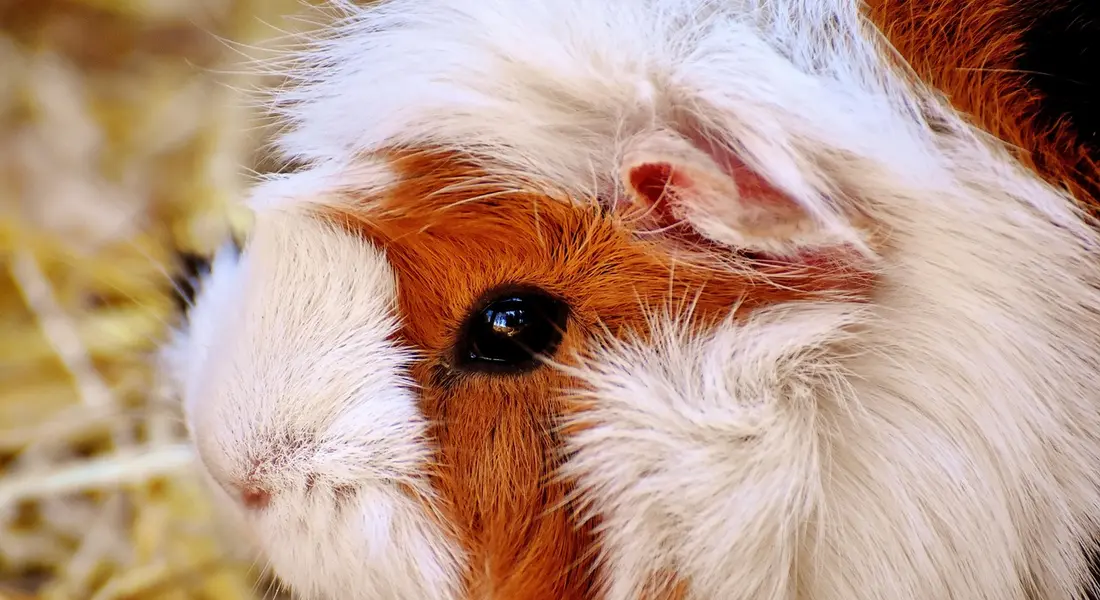
Just like people, guinea pigs have unique needs that can make some more prone to dehydration than others. Spotting these vulnerabilities early helps you tailor your care to keep every pig healthy and hydrated. I’ve learned this firsthand with my trio-Pepper, Clover, and Biscuit-each showing different responses to heat and diet changes over the years.
Age-Related Risks: Young and Senior Pigs
Young guinea pigs, like my one-year-old Biscuit, are still developing and may not drink enough if they’re distracted or stressed. Their small bodies lose water faster during play or growth spurts, making them easy targets for dehydration. As you care for a guinea pig, expect each stage of its life to bring different hydration needs. Senior pigs, such as three-year-old Clover, often have slower metabolisms and may forget to hydrate if they feel unwell. I’ve noticed Clover needs extra reminders on warm days, while Biscuit perks up with frequent water breaks.
- Babies under six months need constant access to water due to high energy levels.
- Older pigs over four years might drink less if they have dental issues or arthritis.
- Monitor weight and behavior shifts-like lethargy-to catch problems early.
Environmental and Dietary Triggers
Hot or dry environments can sneak up on your guinea pigs, especially if their cage is near a window or heater. Even a slight rise in room temperature can spike their risk, so I always check for panting or hiding in cool spots with my herd. Dietary factors matter too; low-moisture foods like dry pellets alone won’t cut it. Adding fresh veggies daily, as I do for Pepper’s golden-brown coat, boosts their water intake naturally.
- Avoid placing cages in direct sunlight or drafty areas to prevent overheating.
- Incorporate watery vegetables like cucumber or lettuce into meals for extra hydration.
- Change water bottles daily to ensure freshness and encourage drinking.
Quick Actions to Take at the First Sign of Dehydration
If you notice subtle clues like dry noses or less urine, don’t wait-act fast to prevent a crisis. Immediate steps can turn things around, as I’ve seen with Clover’s quick recovery after a hot afternoon. Stay calm and focus on gentle methods to rehydrate without stressing your pig.
Step-by-Step Guide to Syringe Rehydration
Syringe feeding is a lifesaver when your guinea pig won’t drink on their own. Use a small, clean syringe without a needle and offer water or an electrolyte mix slowly to avoid choking. I’ve done this with Biscuit, who was hesitant at first but soon learned to trust the process. If your guinea pig suddenly stops drinking, this can signal an issue that needs troubleshooting—keep reading for common causes and quick checks. Follow these steps for safety and comfort. In our troubleshooting guide, you’ll learn how to identify dehydration, dental problems, or illness and how to respond safely.
- Hold your pig securely but gently in your lap or on a soft towel.
- Fill a 1-3 mL syringe with room-temperature water or vet-approved solution.
- Place the tip at the side of their mouth, not directly down the throat.
- Squeeze slowly, allowing them to swallow between small doses.
- Repeat every 10-15 minutes until they show interest in drinking alone.
Using Electrolyte Solutions Safely
Electrolyte solutions can replenish lost minerals, but they must be used correctly to avoid upsetting your pig’s stomach. Always dilute store-bought options or make a homemade mix with guidance to keep it mild and effective. For Pepper’s steady nature, I use a pinch of salt and sugar in water only in emergencies, then switch back to plain water once hydrated.
- Choose pet-safe electrolyte products or consult a vet for recipes.
- Never use human sports drinks-they’re too concentrated and sugary.
- Offer electrolytes in small amounts and monitor for diarrhea or refusal.
Preventing Dehydration with Simple Daily Habits
Optimizing Diet and Water Access
I learned the hard way with Pepper that a water bottle isn’t a ‘set it and forget it’ item. You must check and refresh their water supply at least twice daily, using a clean ceramic bowl to prevent tipping. A clogged bottle nozzle can silently create a crisis.
Their diet is a secret weapon for hydration. I make sure my trio gets fresh, water-rich vegetables like cucumber, bell pepper, and romaine lettuce every single day. This provides a moisture boost alongside their critical hay and pellets.
- Offer a daily serving of high-water-content veggies (e.g., a slice of cucumber per pig).
- Provide unlimited, fresh timothy hay, which aids in fluid balance.
- Rinse vegetables with water before serving to add extra surface moisture.
- Never rely on fruits for hydration; their high sugar content can cause other health issues.
Creating a Hydration-Friendly Environment
Guinea pigs are sensitive to temperature, and a hot room is a fast track to dehydration. I keep their habitat in a cool, stable area away from direct sunlight and drafts, maintaining a steady 65-75°F (18-24°C). That is the ideal temperature range for guinea pigs. Sticking to it helps prevent stress and keeps them healthy. A stressed pig drinks less.
Clover, my Abyssinian, taught me that environmental enrichment matters. A calm, predictable routine with hiding spots reduces stress, encouraging them to eat and drink normally throughout the day. A scared pig is a dehydrated pig.
- Place the cage in a quiet, climate-controlled part of your home.
- Provide multiple hideouts so they feel secure enough to venture out for water.
- Monitor room humidity; very dry air can increase their water needs.
- During warmer months, you can place a ceramic tile in the cage for them to cool down on.
When Dehydration Demands a Vet Visit Immediately
Signs That Indicate an Emergency
Some symptoms are subtle, but others scream for immediate professional help. If your guinea pig is lethargic, refusing all food and water, and has sunken eyes, this is a clear red flag for severe dehydration. Recognizing signs of pain and illness in guinea pigs is essential, and noting changes in their behavior can help you act quickly. Watch for shifts in activity, appetite, and grooming. Do not wait to see if they improve.
I once noticed Biscuit’s skin stayed in a tent when I gently pinched it. A loss of skin elasticity, where the skin doesn’t snap back immediately, is a classic and serious sign of advanced dehydration. This is a vet-now situation.
- Lethargy or weakness to the point they cannot walk properly.
- Complete refusal to eat or drink for more than a few hours.
- Sunken, dull-looking eyes.
- Cold extremities (ears and feet) indicating poor circulation.
How to Stay Calm and Act Fast
Your panic will frighten them, making everything worse. Take one deep breath and focus on the next single, most helpful action: calling your veterinarian or the nearest emergency animal clinic. Explain the symptoms clearly and follow their instructions.
While preparing to go, keep your guinea pig warm and undisturbed. Wrap them gently in a soft, clean towel to preserve body heat and provide a sense of security during transport to the vet. Do not attempt to force-feed water, as they can aspirate. For more tips on maintaining warmth, especially in colder seasons, keep your guinea pig warm in winter.
- Call your vet immediately. Describe the exact symptoms you are observing.
- Gently place your guinea pig in a secure, lined carrier for transport.
- Keep the carrier in a warm, quiet, and dark area of your car to minimize stress.
- Do not administer any medications or fluids unless specifically directed by your vet.
FAQs
How do early dehydration signs present in juvenile guinea pigs?
Juvenile guinea pigs may show increased lethargy and reduced playfulness as initial clues. Their rapid growth can make weight loss more noticeable compared to adult pigs.
What subtle behavioral changes indicate the onset of dehydration?
Watch for decreased social interactions or less excitement over favorite treats. These minor shifts can appear before physical signs like dry nose or skin tenting.
Are there any dehydration symptoms that guinea pigs have in common with dogs?
Both species often exhibit lethargy and reduced appetite in early stages. However, guinea pigs may uniquely display hiding behavior or less vocalization, unlike dogs. Understanding these subtle differences can be crucial for proper care, especially when interpreting guinea pig behavior.
What key early signs of dehydration are highlighted in educational resources for pet owners?
Common guides stress checking for skin tenting and monitoring daily water intake. They also recommend observing changes in urination frequency and eye brightness.
How can environmental factors trigger early dehydration in guinea pigs?
Sudden heat waves or low humidity can lead to reduced drinking and panting. Ensuring a cool, stable habitat with fresh veggies helps mitigate these risks.
Your Guinea Pig’s Health Is in Your Hands
Stay ahead of dehydration by checking your guinea pig’s skin elasticity and water intake daily. Knowing how much water a guinea pig should drink daily helps you gauge dehydration risk. Ensure they have constant access to fresh water and monitor their daily intake so it stays within a normal range. Spotting subtle changes in their energy and eating habits early can prevent a minor issue from turning into a crisis.
Being a proactive pet parent means committing to lifelong learning about your guinea pigs’ unique needs. Responsible care, including choosing sustainable bedding and toys, helps ensure your small friends live long, happy, and healthy lives.
Further Reading & Sources
- Is my guinea pig dehydrated? – GuineaDad
- Is your guinea pig drinking enough water? 🐹💦 Dehydration …
- Piggie Water Intake – Guinea Pigs Australia
- Why does my guinea pig have sunken eyes all of a sudden, and should I be concerned? | Dial A Vet
Kate is a passionate guinea pig owner and advocate for small pet welfare. With over a decade of experience caring for guinea pigs, she has become a trusted voice in the small pet community.
Uncategorized