Safe and Unsafe Herbs for Guinea Pigs
Published on: April 26, 2026 | Last Updated: April 26, 2026
Written By: Kate M. Callahan
Hello CavyFam! Are you curious about adding herbs to your guinea pig’s diet but concerned about potential dangers? It’s a common worry I’ve faced myself with my own pets.
In this guide, I’ll walk you through essential topics to ensure your furry friends stay happy and healthy:
- Safe herbs that provide nutritional benefits
- Unsafe herbs to completely avoid
- Step-by-step tips for introducing new herbs safely
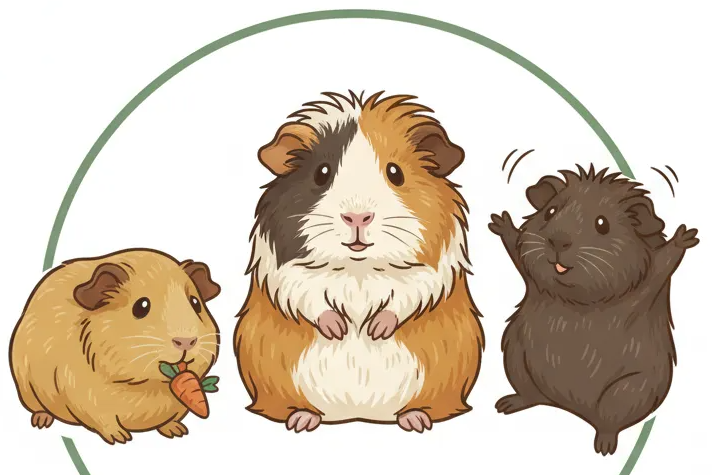
With years of hands-on experience caring for guinea pigs like Pepper, Clover, and Biscuit, I share advice rooted in real-life practice.
Understanding Guinea Pigs as Herbivores
Guinea pigs thrive on a plant-based diet rich in grasses and leafy greens, just like their wild ancestors. Herbs fit perfectly into this menu because they offer natural flavors and essential nutrients that support overall health. Adding herbs to their diet mimics the variety they would find in nature, making meals more exciting and nutritious.
Their digestive systems need constant fiber from hay to keep everything moving smoothly and prevent issues like bloating. Fresh herbs provide extra vitamins and minerals while adding moisture and taste to their daily intake.
In my own home, Pepper, Clover, and Biscuit show clear favorites-Pepper adores the bold taste of basil, while Clover prefers the mildness of cilantro. Watching them nibble happily reminds me how small changes in diet can boost their well-being and joy.
Safe Herbs for Guinea Pigs to Enjoy
Offering a mix of safe herbs keeps your guinea pigs engaged and healthy. Each herb brings unique flavors and benefits, from digestive aid to immune support. Safe flowers and garden plants can also be offered in moderation, as long as they’re pesticide-free and non-toxic to guinea pigs. This variety helps broaden their foraging options beyond herbs. Here are common ones they can enjoy:
- Parsley: Crisp and slightly peppery, it’s a hit for its vitamin C boost.
- Cilantro: Fresh and zesty, many guinea pigs love its mild aroma.
- Basil: Sweet and aromatic, it adds variety and antioxidants.
- Dill: Tangy and feathery, it can soothe digestion.
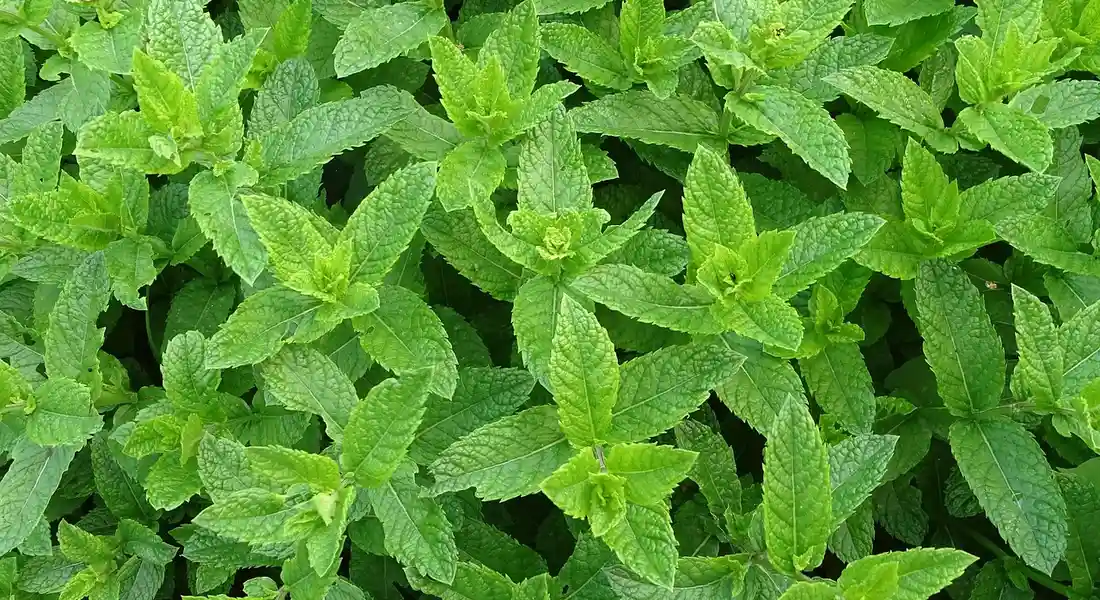
- Mint: Cool and refreshing, but use sparingly due to strong oils.
- Oregano: Earthy and robust, it has antimicrobial properties.
- Thyme: Subtly minty, it supports respiratory health.
- Chamomile: Gentle and floral, perfect for calming nerves.
- Marjoram: Mild and sweet, it’s a gentle digestive aid.
- Chervil: Delicate and anise-like, it’s a rare but safe treat.
Rotating these herbs prevents boredom and ensures a balanced nutrient intake. Use the table below to guide serving sizes and precautions.
| Herb Name | Serving Frequency | Notes |
|---|---|---|
| Parsley | 2-3 times per week | High in calcium; limit for pigs prone to stones. |
| Cilantro | Daily in small amounts | Low in oxalates; great for regular use. |
| Basil | 2-4 times per week | Rich in antioxidants; my guinea pigs go wild for it. |
| Dill | Once or twice weekly | Can help with gas; offer fresh sprigs only. |
| Mint | Once a week | Strong flavor; too much may cause stomach upset. |
| Oregano | 1-2 times per week | Antibacterial; use dried or fresh in tiny portions. |
| Thyme | 2-3 times per week | Supports immunity; easy to grow at home. |
| Chamomile | Once weekly | Calming effect; serve dried flowers sparingly. |
| Marjoram | 1-2 times per week | Mild and safe; pairs well with other herbs. |
| Chervil | Occasionally as a treat | Rare; ensure it’s pesticide-free and fresh. |
Always introduce new herbs slowly to watch for any allergic reactions or digestive changes. I’ve found that offering a herb mix once a week keeps my trio, especially Biscuit, curious and content.
Herbs to Avoid for Guinea Pig Safety
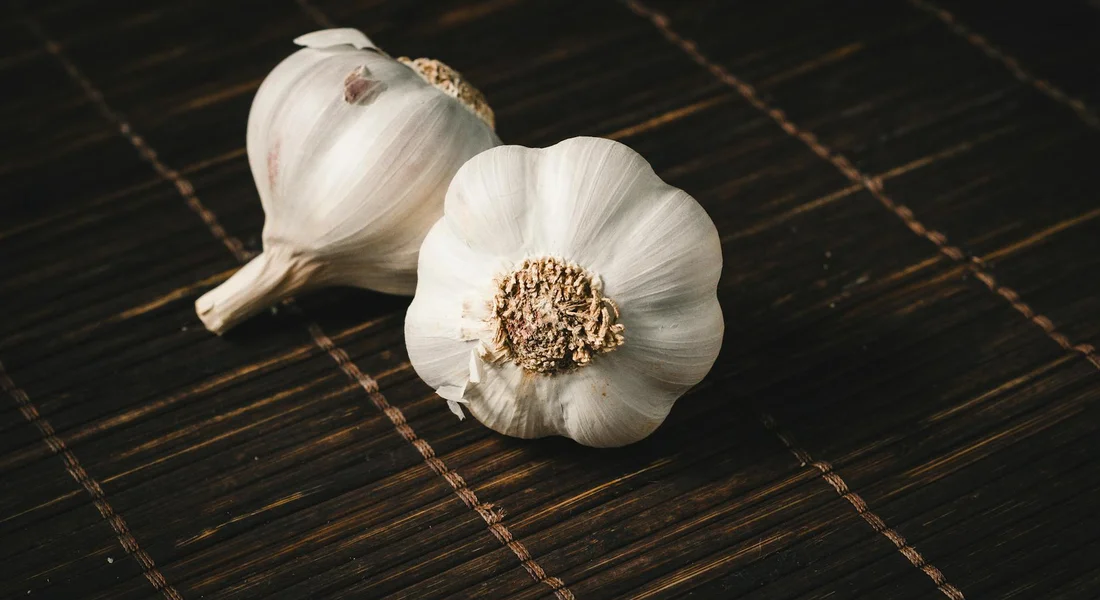
- Garlic
- Onion
- Chives
- Leeks
- Shallots
- Scallions
- Rosemary
- Sage
- Tarragon
These herbs can seriously harm your guinea pigs by causing digestive upset or even toxic reactions. Alliums like garlic and onion contain compounds that damage red blood cells, leading to anemia and weakness in small pets. I’ve seen how even a tiny piece can make a guinea pig lethargic and off their food. Some vegetables and fruits can also be toxic to guinea pigs, so it’s important to know which produce to avoid. This helps prevent unnecessary illness and vet visits.
Rosemary and sage have strong essential oils that irritate their sensitive stomachs. Over time, these can lead to liver or kidney stress, so it’s best to keep them out of reach entirely. My guinea pig Biscuit once nibbled on a stray rosemary sprig, and I noticed she avoided her usual veggies for a day-a clear sign of discomfort.
From my own routine, I always inspect any herbs or greens for hidden bits of unsafe plants. Double-checking labels and washing produce thoroughly helps prevent accidental exposure to harmful items. It’s a simple habit that keeps pets like my gentle Pepper safe and healthy.
How to Introduce and Serve Herbs Properly
- Start with small amounts of one herb.
- Monitor for any adverse reactions.
- Adjust portion sizes based on weight and age.
- Mix with regular veggies for variety.
Begin by offering just a pinch of a single herb, like parsley or cilantro. This slow approach lets you see how your guinea pig’s system handles new foods without overwhelming them. This approach also applies to all the foods guinea pigs have in their diet. By starting with tiny amounts, you can gauge which ones work best for them. I did this with Clover, and it helped me learn her preferences without any digestive issues.
Watch closely for signs like changes in appetite or stool consistency over 24 hours. Immediate reactions, like sneezing or lethargy, mean you should stop and consult a vet right away. My thoughtful Clover once had a mild reaction to dill, so I removed it and she bounced back quickly.
Tailor servings to your pet’s size—younger or smaller guinea pigs need less. For example, my petite Biscuit gets half the portion I give to larger Pepper to avoid overfeeding and weight gain. Knowing their daily calorie requirements helps translate portions into a balanced daily intake. Tracking calories helps prevent under- or over-feeding and weight gain. This personalized care supports their long-term health and vitality.
Combine herbs with familiar vegetables like bell peppers or romaine lettuce. Mixing foods not only adds excitement to their diet but also ensures balanced nutrition and reduces picky eating. I often blend basil with cucumber for my herd, and they eagerly munch away, keeping meals interesting and safe.
Nutritional Benefits of Popular Safe Herbs
Parsley packs a powerful punch of vitamin C, which is vital since guinea pigs cannot produce it themselves. Regularly offering parsley helps prevent scurvy and boosts their immune system naturally. I always keep a small bunch handy for my herd. Guinea pigs also rely on a steady water intake to meet their vitamin C needs. I make sure their water is refreshed daily to support this along with parsley.
Basil is loaded with antioxidants that fight cell damage and contains vitamins A and K for healthy vision and blood clotting. Its fresh leaves provide a tasty way to support overall wellness without any additives. My guinea pig Clover adores the mild, sweet flavor.
Mint acts as a gentle digestive aid, soothing upset stomachs with its natural menthol properties. This herb can ease bloating and encourage healthy eating habits after a stressful day. I’ve seen Biscuit perk up after a nibble of mint.
- Parsley: High in vitamin C for immunity and skin health
- Basil: Rich in antioxidants and vitamins A and K
- Mint: Soothes digestion and reduces inflammation
After introducing these herbs, I noticed Pepper’s golden-brown coat became glossier and she showed more playful energy. Watching her thrive on simple, wholesome foods reinforced my commitment to natural care. It’s a small change with big rewards.
Growing and Sourcing Herbs for Your Herd
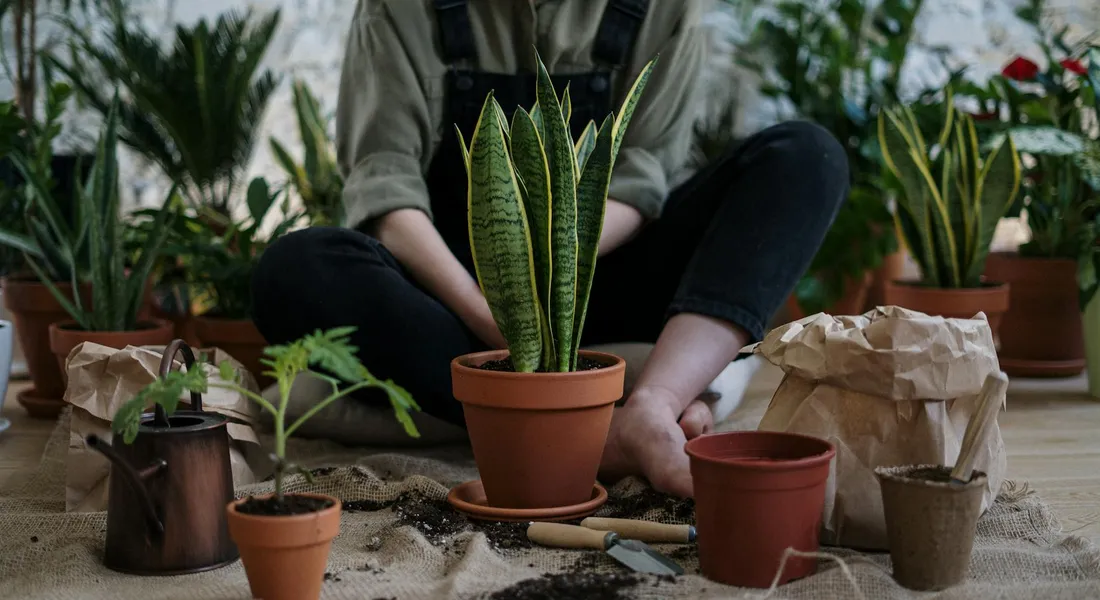
Start by planting herbs in pots with organic soil to avoid harmful pesticides. Growing your own ensures you control what goes into your guinea pigs’ food, keeping it pure and safe. I even have some tips on how to grow your own hay for rabbits and guinea pigs. I use sunny windowsills for basil and mint, which thrive with minimal effort.
- Choose easy-to-grow herbs like parsley and mint in well-draining containers
- Water consistently but avoid overwatering to prevent mold
- Harvest leaves regularly to encourage new growth and share fresh picks with your pets
If you buy herbs, opt for fresh bunches from organic sections in grocery stores or local farmers’ markets. Always rinse herbs thoroughly under cool water to remove any residues before serving. I find that stores with clear labeling make it simpler to pick toxin-free options.
Supporting sustainable farming reduces environmental harm and promotes animal welfare. By choosing locally grown or home-raised herbs, you cut down on plastic waste and ensure a healthier planet for all creatures. My herd’s herb garden is a step toward eco-friendly pet care I’m proud of.
Storing and Preparing Herbs for Freshness
-
Step 1: Wash herbs thoroughly to remove contaminants.
Rinse herbs under cool running water to eliminate pesticides or dirt that could upset your guinea pig’s stomach. I gently rub each leaf for my guinea pigs, Pepper and Clover, ensuring no harmful residues remain. Use a soft brush for stubborn spots, and always pat them dry with a clean towel to prevent sogginess. Keeping greens clean is part of a clean guinea pig care routine. In a proper step-by-step cage care guide, the next step is to clean the cage and refresh bedding.
-
Step 2: Use proper storage methods to maintain nutrients.
Store cleaned herbs in airtight containers lined with a damp paper towel inside the fridge. This method keeps herbs like basil crisp and full of vitamins, which I’ve found keeps Biscuit eager for her meals. Avoid plastic bags that trap moisture and cause mold, opting for reusable glass containers to reduce waste.
-
Step 3: Avoid drying herbs that lose nutritional value.
Skip drying delicate herbs like cilantro or parsley, as they lose essential vitamins and flavor. Fresh herbs provide more hydration and nutrients, something I prioritize for my guinea pigs’ overall health and happiness. When I prep vegetables for my guinea pigs, I wash and chop them into bite-sized pieces. I also avoid seasoning and store only plain, fresh produce. If you must store extras, freeze them in ice cube trays with water for a quick, safe treat later.
FAQs
How does herd size affect herb serving for guinea pigs?
Larger herds may need increased herb portions to ensure each guinea pig receives a fair share, but always tailor servings to individual size and appetite. Monitor feeding to prevent dominance or overconsumption, adjusting based on the group’s dynamics. Remember that even hay has limits on how much a guinea pig should eat. Understanding these limits helps prevent overfeeding and digestive issues.
What is the difference between herbs and vegetables in a guinea pig’s diet?
Herbs offer concentrated flavors and specific nutrients like antioxidants, while vegetables provide broader vitamins and hydration as dietary staples. They should be combined to enhance variety without replacing essential foods such as hay and leafy greens.
Can guinea pigs eat herb stems and flowers in addition to leaves?
Many herb stems and flowers are safe and nutritious, but always verify each type to avoid potential toxins or pesticides. Introduce these parts gradually in small amounts to check for any digestive issues or allergies.
What are the signs that a guinea pig has eaten an unsafe herb?
Immediate symptoms may include lethargy, reduced appetite, or gastrointestinal distress like bloating and diarrhea. Seek veterinary care promptly if these signs appear to address potential toxicity and prevent complications.
Why is a varied herbivore diet crucial for guinea pigs’ health?
A diverse plant-based diet prevents boredom and ensures a balanced intake of essential nutrients, supporting digestion and immune function. Including herbs adds natural enrichment and helps mimic their wild foraging habits for overall well-being.
Your Guinea Pig’s Herb Safety Journey
From my time with Pepper, Clover, and Biscuit, I always double-check herb safety before sharing any greens and introduce new ones slowly to prevent tummy troubles. Sticking to vet-approved herbs like basil or cilantro keeps your furry friends healthy and happy.
Keep learning about guinea pig care and opt for homegrown or organic herbs to cut down on plastic waste and support a greener lifestyle. Proper guinea pig care means a balanced diet, fresh water, and a clean, safe living space. Your commitment to eco-friendly choices makes a real difference for your pets and the planet.
Further Reading & Sources
- All You Need To Know About Herbs & Herbal Blends For Your Guinea Pig – Small Pet Select U.S.
- Herbs – Fresh herbs – what are the safe ones? – Guinea Pig Cages
- Your guinea pig’s diet – PDSA
- Flowers That Your Guinea Pig Can Eat – GuineaDad
Kate is a passionate guinea pig owner and advocate for small pet welfare. With over a decade of experience caring for guinea pigs, she has become a trusted voice in the small pet community.
Uncategorized