Transition Your Guinea Pig to a New Pellet Brand Safely
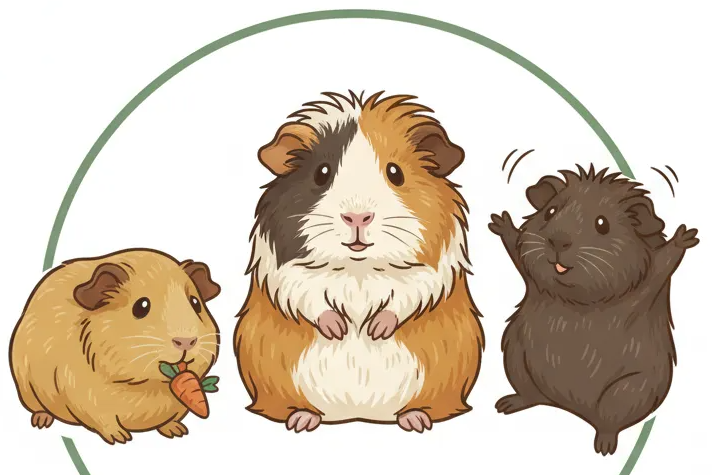
Hello CavyFam, are you thinking about changing your guinea pig’s pellet food but worried it might upset their sensitive stomach? I’ve faced this exact concern with my own cavies, like gentle Pepper and thoughtful Clover, and know how stressful it can feel.
In this guide, I’ll cover why to switch pellets, how to pick the right brand, a step-by-step transition process, signs to watch for, and common mistakes to avoid. Having cared for guinea pigs for years, including my reserved Biscuit, I’ve successfully managed this switch multiple times with happy, healthy results.
Why Switch Your Guinea Pig’s Pellet Brand?
Many owners consider changing pellets when they notice their cavy’s health could improve. Some pellets lack sufficient fiber or use low-quality ingredients that cause weight gain or dull coats. Others might be discontinued by the store, forcing a switch. I switched my guinea pig Biscuit’s pellets after noticing his fur lost its shine and he seemed less energetic.
My trio-Pepper, Clover, and Biscuit-each reacted differently to various brands over the years. Clover, my graceful Abyssinian, once developed soft poops on a popular commercial brand. That was my signal to find something gentler on her digestion. Observing your guinea pig’s daily habits gives you the best clues about whether their current food is working.
Never swap pellets overnight. A sudden change shocks their sensitive digestive systems. Guinea pigs rely on steady gut bacteria to process food. An abrupt switch can cause diarrhea, bloating, or a refusal to eat, which is dangerous for these small animals. I learned this the hard way with Pepper, who once went off his food for a day after I got impatient during a transition. Gas buildup can be a giveaway that their gut is upset—farts or belches aren’t common in healthy guinea pigs, so unusual signs warrant care. Vomiting is rare, but any GI distress—like persistent gas, bloating, or appetite changes—should be checked by a vet.
Selecting the Best New Pellet for Your Cavy
Look for pellets where Timothy hay or another grass hay is the first ingredient. This ensures high fiber, which is crucial for dental and digestive health. Compare guaranteed analysis labels for fiber (aim for 18-25%) and vitamin C, since guinea pigs can’t produce it themselves. Stabilized vitamin C listed on the bag means the nutrient will still be active when your pet eats it.
- Fiber Content: Essential for gut motility and wearing down constantly growing teeth.
- Vitamin C Levels: Prevents scurvy; look for pellets fortified with at least 50 mg per kg.
- Hay-Based: Avoid grain-heavy formulas or those with colorful bits, seeds, or nuts.
Reading the ingredient list tells you everything. Skip pellets that list corn, sugar, or by-products early on. These are fillers that offer little nutrition. Fillers can lead to obesity and picky eating, as I discovered with a brand that made my guinea pigs selectively eat only the sweet pieces.
Through trial and error, I found plain Timothy hay-based pellets worked best for all three of my guinea pigs. Brands like Oxbow Essentials and Small Pet Select provided consistent quality. My cavies maintained healthy weights and had fewer digestive issues on these simple, hay-forward formulas. If you’re curious about the best guinea pig pellet brands, I’ve reviewed and compared top options to help you choose. The quick comparison highlights brands that consistently meet hay-forward nutrition. Your guinea pig’s age and health should guide your final choice, but simplicity and quality ingredients always win.
Preparing for a Smooth Pellet Transition
Gathering the right supplies makes this change easier for both you and your guinea pig. You will need the new pellet brand, a small measuring cup or kitchen scale for precise portions, and an ample supply of fresh hay to support their digestive health. For daily feeding, aim for about 1/8 cup (2 tablespoons) of pellets per guinea pig each day, with hay providing most of their calories. You can find more details about the exact amounts here. Adjust portions based on age, weight, and the specific pellet brand. I always keep extra timothy hay on hand for my trio—Pepper, Clover, and Biscuit—to ensure they stay happy and regular.
Fresh water and a stress-free space are non-negotiable during this process. Replace water daily and place the cage in a quiet area to help your guinea pig feel secure and focused on eating. This calm setup can help anxious guinea pigs calm down and reduce stress. From my experience, a calm environment reduces picky behavior and encourages a smoother adjustment.
Start by evaluating your guinea pig’s current diet and overall health to catch any red flags early. Follow these simple steps to assess their condition before introducing new pellets: Consider consulting a guinea pig pellets ingredient guide to learn which ingredients to look for. It makes comparing labels easier as you assess new pellets.
- Weigh your guinea pig using a small scale to track any changes.
- Monitor their appetite and note how much they eat daily.
- Check their droppings for consistency and frequency.
- Observe energy levels and behavior for signs of discomfort.
The Step-by-Step Pellet Transition Process
Week 1: Introduce New Pellets Slowly
Begin by blending a small amount of new pellets with their familiar brand. Mix 10% new pellets with 90% old pellets to let your guinea pig get used to the taste and texture without shock. This gradual transition is a practical way to compare homemade versus commercial pellets, weighing pros like customization and fresh ingredients against downsides like extra prep time. It can also help you decide which option fits your pig’s needs. I did this with Biscuit, who is naturally reserved, and it prevented any refusal to eat.
Increase the new pellet ratio gradually over the first week. Raise the mix by about 10% each day, so by day seven, they are eating 30% new pellets. This slow pace helps avoid digestive upsets and lets you spot any issues early.
Week 2: Gradually Increase New Pellet Proportion
Step up the new pellet amount to reach a balanced mix. Over days 8 to 14, shift the blend to 50% new pellets, adjusting the ratio every couple of days based on how your guinea pig responds. With Clover, I watched her closely and slowed down when she seemed hesitant.
Keep a close eye on their appetite and droppings for any warning signs. Note if they eat less or produce softer stools, which might mean you need to pause or adjust the transition. Healthy eating and firm droppings show the change is going well.
Week 3: Complete the Switch if No Issues
If all looks good, move to full use of the new pellet brand. Once your guinea pig eats the 50% mix without problems, switch entirely to the new pellets by day 15 or later. I waited until Pepper showed no signs of stress before making the full change.
Remember that pellets are just part of their diet-hay should always be the main focus. Limit treats and ensure unlimited hay is available to support digestion and dental health. This approach keeps their nutrition balanced and prevents obesity.
Monitoring Your Guinea Pig’s Health During Transition
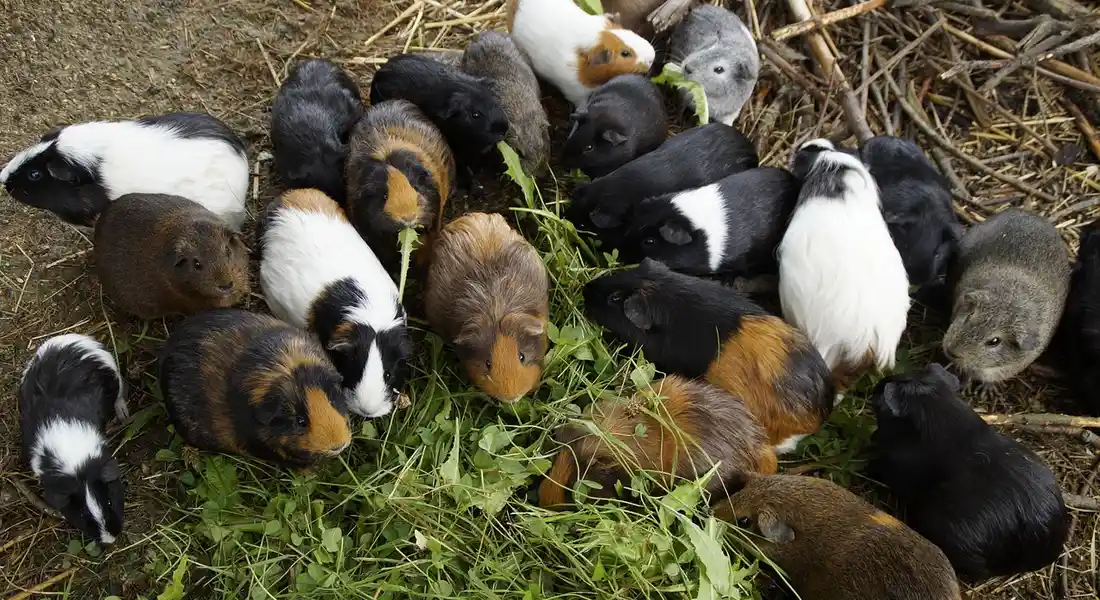
Keep a close eye on your guinea pig’s daily habits to catch any issues early. Small changes in behavior can signal bigger health problems, so consistent observation is your best tool. Guinea pigs are crepuscular, typically most active at dawn and dusk. Tracking these daily activity peaks helps you understand their patterns and spot deviations quickly.
Watch for these key signs during the switch:
- Appetite shifts, like eating less or ignoring the new pellets entirely.
- Digestion troubles, such as loose stools or bloating.
- Altered cecotropes-those soft, nutrient-rich droppings they normally eat-which might look different or go uneaten.
Set up a simple daily check to stay on top of their well-being. I weigh my guinea pigs every other day and jot down notes in a dedicated journal.
- Observe their eating and drinking first thing each morning.
- Feel their belly gently for any unusual firmness or tenderness.
- Note the consistency and frequency of their droppings in a log.
With my trio-Pepper, Clover, and Biscuit-I use a color-coded chart to track reactions. Biscuit’s reserved nature meant he needed extra attention, so I logged his pellet intake alongside his favorite veggies to spot patterns.
Handling Common Transition Challenges
If your guinea pig turns up their nose at the new pellets, don’t panic. Slowing the mix ratio and adding familiar foods can ease their hesitation without stress. This approach also helps your new guinea pig feel safe and acclimated as they settle into their new home.
For refusal or diarrhea, take these steps immediately:
- Reduce the new pellet amount and extend the transition by a few more days.
- Consult your vet if symptoms persist beyond 24 hours, as sudden diarrhea can lead to dehydration.
- Use high-quality hay, like timothy, to sprinkle over the pellets-this often entices them to nibble.
When Clover had mild loose stools, I paused the new brand and stuck with her old pellets for a bit. Mixing a handful of hay into the food bowl encouraged her to explore the new taste safely.
Try offering small portions of wet veggies, like cucumber, to boost hydration if they’re wary. Always prioritize their comfort and never force a change if they show clear distress.
FAQs
How can I tell if the new pellets are causing an allergic reaction?
Watch for signs like excessive scratching, skin redness, or swelling around the face. If these occur, stop the new pellets immediately and contact your veterinarian for guidance.
What if my guinea pig is losing weight during the transition?
Weight loss may mean they are not consuming enough food, so slow the transition pace and offer more hay and favorite veggies. Consult a vet if the issue persists to rule out underlying health problems.
Can I transition multiple guinea pigs at the same time?
Yes, you can transition them together, but observe each one’s eating habits and droppings individually. Adjust the mix based on the most sensitive guinea pig’s response to ensure a smooth change for all.
My Final Advice for a Happy Pellet Switch
Gradually mix old and new pellets over 7-10 days to ease your guinea pig into the change, just as I did with Pepper, Clover, and Biscuit. Watching their behavior and appetite daily helps catch any issues early, ensuring a stress-free transition for your furry friends during those crucial first days outlined in your new guinea pig’s first 30 days acclimation guide.
Keep educating yourself on guinea pig care to make informed, eco-friendly choices that support animal welfare. By opting for sustainable products and reducing waste, you contribute to a healthier planet while giving your pets the best life possible. Learn how to properly care for guinea pigs to ensure their well-being.
Further Reading & Sources
- Is it OK to switch your guinea pigs’ food? | Blog | Burgess Pet Care
- Pellets – Want to switch out pellet food – Guinea Pig Cages
- How To Switch Guinea Pigs Onto Sherwood Pellets – YouTube
- Changing Food Over | The Guinea Pig Forum
Kate is a passionate guinea pig owner and advocate for small pet welfare. With over a decade of experience caring for guinea pigs, she has become a trusted voice in the small pet community.
Uncategorized