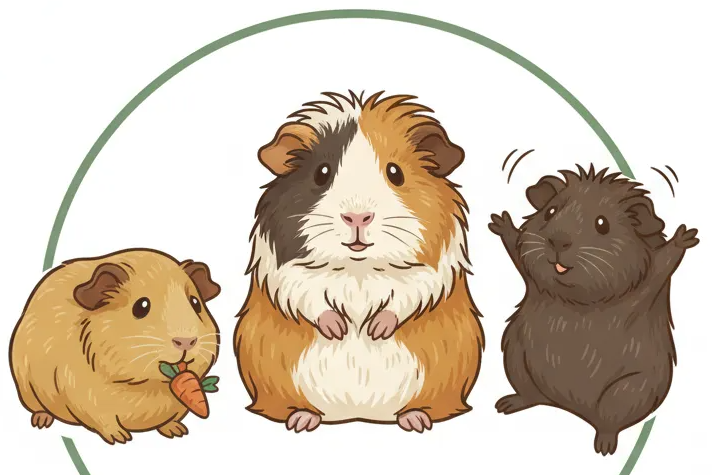
The Perfect Pellet Portion: Your Guinea Pig’s Daily Guide
Hello CavyFam! You’re likely wondering exactly how many pellets your furry friend needs each day. It’s a common worry, and getting it right is key to their health and happiness.
In this guide, we’ll cover ideal pellet amounts, selecting the best pellet type, healthy alternatives, and proper storage tips. I’ve fine-tuned this routine through years of caring for my own guinea pigs, Pepper, Clover, and Biscuit.
The Essential Role of Pellets in Guinea Pig Nutrition
Pellets serve as a powerhouse in your guinea pig’s diet by delivering balanced fiber and vitamin C, which their bodies cannot produce on their own. Without enough fiber, their digestive systems can slow down, leading to serious health issues like bloating or stasis. Vitamin C is just as critical because it prevents scurvy, a condition that causes joint pain and lethargy in these small pets.
- Support digestive health by keeping their gut moving smoothly and preventing blockages
- Prevent dental issues by encouraging natural chewing that wears down constantly growing teeth
- Boost immune function through consistent vitamin C intake, reducing illness risks
- Provide essential nutrients in a concentrated form, ensuring they get what hay and veggies might miss
In my own herd, I noticed a big change after sticking to high-quality pellets. Pepper, my steady American guinea pig, went from occasional sluggishness to bright-eyed curiosity, and Clover’s once-dull coat now gleams with health. Even Biscuit, who’s more reserved, shows more spunk during playtime, proving that the right pellets can transform their daily vitality.
Recommended Daily Pellet Intake for Guinea Pigs
Measuring pellets accurately prevents overfeeding and keeps your guinea pig at a healthy weight. For most adults, aim for about 2 tablespoons or 30 grams per day, but adjust based on their size and activity level. Use a standard measuring spoon or a small kitchen scale to make this habit easy and consistent. It’s also important to weigh your guinea pig regularly to ensure they’re maintaining a healthy weight.
| Weight Range (grams) | Daily Pellet Amount |
|---|---|
| 500-700 | 1.5 tablespoons or 20-25 grams |
| 700-1000 | 2 tablespoons or 30 grams |
| 1000-1200 | 2.5 tablespoons or 35-40 grams |
I always use the same tablespoon for my trio to avoid guesswork. This simple step has helped me maintain their ideal weights, especially for Biscuit, who tends to gain easily if portions vary. Sticking to a routine not only supports their health but also makes mealtime predictable and stress-free for everyone.
Adjusting Pellet Portions by Age, Weight, and Activity Level
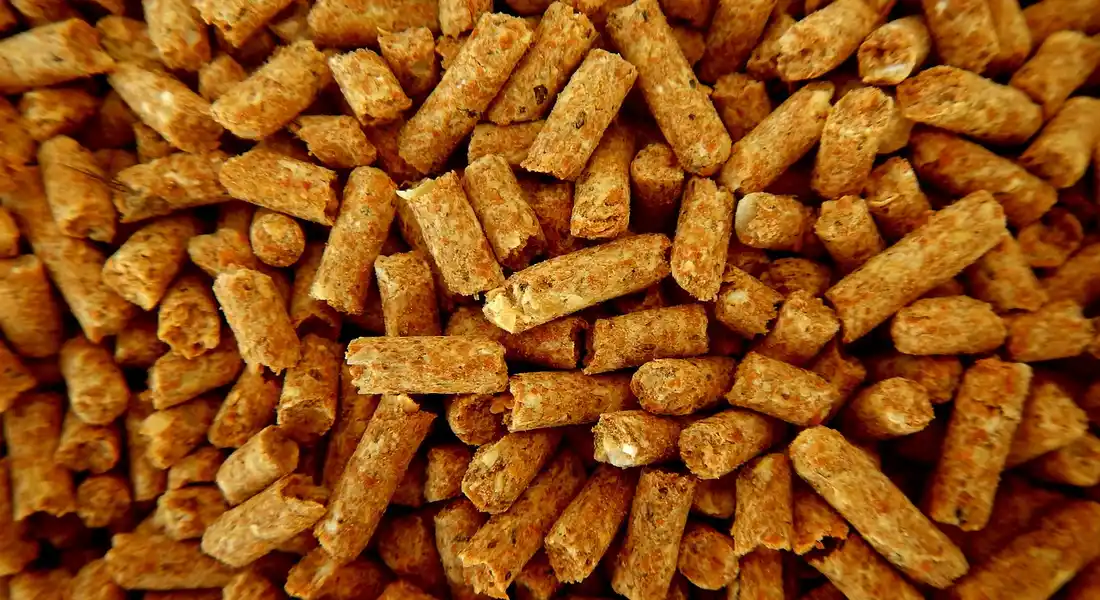
Young Guinea Pigs Under 6 Months
Growing pups need constant fuel for their rapidly developing bodies. I always provide my young guinea pigs with an unlimited supply of high-quality alfalfa-based pellets. This supports their intense growth spurts without me having to constantly measure.
- Fill a small, heavy ceramic bowl each morning and top it off whenever it gets low.
- Observe their eating habits daily to ensure the pile is shrinking steadily, a clear sign of healthy appetite.
- Weigh them weekly using a kitchen scale; consistent weight gain confirms they are eating enough.
Their little bodies are building bone and muscle at an incredible rate. Alfalfa pellets are perfect here because they are naturally higher in calcium and protein than Timothy-based ones, but it’s essential to make sure they don’t contain any harmful additives. I also crush a vitamin C tablet and sprinkle it over their fresh veggies to guarantee they get this crucial nutrient for preventing scurvy.
Adult Guinea Pigs 6 Months to 5 Years
Once my guinea pigs hit the six-month mark, I make a big switch. Their growth plates have closed, and their metabolism slows down. Unlimited pellets now lead directly to an overweight, unhealthy pet, so I strictly limit their daily portion. That’s why I’m weighing the pros and cons of homemade versus commercial pellets. Nutrition, cost, and freshness all play a role in their daily diet.
- Transition from alfalfa to a Timothy hay-based pellet formula, which is lower in calcium and calories.
- Measure out just 1/8 cup of pellets per pig each day. I use a dedicated scoop to keep it consistent.
- Split this portion into two smaller meals, one in the morning and one in the evening, to mimic natural foraging behavior.
You must become a keen observer of your pig’s physique. For a less active or slightly chunky pig like my gentle Pepper, I sometimes reduce the portion to a heaping tablespoon. I feel for their ribs; you should be able to feel them with a gentle press without seeing them. If you can’t, it’s time to cut back on pellets and encourage more exercise.
Senior Guinea Pigs Over 5 Years
My graceful Clover is entering her senior years, and her dietary needs are shifting again. Senior pigs often have slower digestion and are prone to weight gain, so I monitor her pellet intake even more closely.
- Continue with the 1/8 cup daily portion of Timothy-based pellets, but weigh her every two weeks.
- If I notice any weight gain, I immediately reduce her pellets to a single level tablespoon per day.
- Focus on the quality of her hay and vegetables, ensuring she gets her nutrition from these healthier sources.
Watch for signs of dental issues or difficulty chewing. If your older pig struggles with hard pellets, you can soften them in a little water or ask your vet about a specialized senior mash. If you’re planning to switch to a new pellet brand, follow a gradual, step-by-step transition to minimize digestive upset. Track your pig’s chewing and tolerance during the change. Any sudden weight loss, however, is a red flag that requires an immediate veterinary visit to rule out underlying illness.
Pregnant and Nursing Guinea Pigs
A pregnant or nursing mom is eating for a small herd, and her nutritional demands skyrocket. I slightly increase a pregnant pig’s pellet ration, offering up to 1/4 cup of alfalfa-based pellets daily to support her and her growing babies.
- Choose a pellet brand fortified with stabilized vitamin C and high-quality proteins.
- Ensure she always has access to her pellets and the highest quality alfalfa hay you can find.
- Continue this increased feeding while she is nursing her pups, as milk production is incredibly taxing.
You’ll know you’re feeding her correctly if she maintains a good body condition. Signs of proper nutrition include a steady, healthy weight, a glossy coat, and plenty of energy to care for her newborns. If she seems lethargic or is losing weight, consult your veterinarian about further supplementing her diet.
Balancing Pellets with Timothy Hay and Fresh Greens
Pellets are just one piece of the dietary puzzle. The foundation of every healthy guinea pig’s diet must be unlimited, high-quality Timothy hay, which should make up about 80% of what they consume. Hay is essential for wearing down their constantly growing teeth and keeping their digestive system moving.
- Always keep a large hay rack full and refresh it daily with sweet-smelling, green hay.
- Offer a measured portion of pellets once a day, after you’ve confirmed they are munching on their hay.
- Provide a daily “salad” of fresh vegetables to round out their nutrition and provide a vital vitamin C boost.
Not all veggies are created equal. My pigs go wild for bell peppers (any color), which are packed with vitamin C, and the dark leafy greens like romaine lettuce and cilantro. I avoid iceberg lettuce as it’s mostly water and offers little nutritional value. Knowing the right kind of lettuce to feed them is essential.
Here’s my personal evening routine for my trio: I give them their 1/8 cup of pellets first thing in the morning. In the evening, I prepare a big bowl of chopped bell pepper, a few sprigs of cilantro, and a romaine leaf. I scatter this veggie mix over a fresh pile of Timothy hay in their enclosure, which encourages natural foraging and makes dinnertime an enriching adventure. This method ensures they eat their hay while enjoying the tasty greens and their daily pellet allotment.
Health Implications of Overfeeding or Underfeeding Pellets
Getting the pellet portion wrong can directly impact your guinea pig’s vitality and long-term health.
Overfeeding pellets often leads to obesity, which I’ve seen put extra strain on little hearts and joints. It can also cause urinary issues; excess calcium in many pellet formulas contributes to painful bladder stones.
Underfeeding is just as risky, potentially causing weight loss, lethargy, and nutritional deficiencies that weaken their immune system.
Watch for these symptoms that signal a feeding imbalance:
- A sudden loss of interest in their usual pellets or hay
- Weight gain or loss you can feel along their spine and ribs
- Changes in their droppings, like very small, dry pellets or a complete lack of them
- Straining or crying when urinating, which can indicate a stone
- Lethargy or a hunched posture, suggesting discomfort
You should schedule a vet visit promptly if you notice any drastic weight change, no droppings for 12 hours, or signs of pain. Digestive systems in these small animals are delicate, and swift action is often needed.
Practical Tips for Daily Pellet Feeding and Portion Control
Managing portions is simpler than it seems and becomes second nature with a little practice.
I follow a straightforward routine to keep my guinea pigs’ diets balanced and prevent overeating.
- Measure the Pellets. Use a dedicated measuring spoon or a small kitchen scale. For a single adult guinea pig, I typically measure one-eighth of a cup daily.
- Choose a Feeding Time. I offer pellets in the morning. This aligns with their natural foraging rhythm and lets me check on everyone first thing.
- Use the Right Bowl. A small, heavy ceramic bowl prevents tipping and makes the portion look more substantial, which satisfies them psychologically.
- Store Leftovers Properly. Always seal the pellet bag tightly inside an airtight container. I keep mine in a cool, dark cupboard to preserve nutrients and prevent staleness.
Using a small bowl was a game-changer for me, especially with my trio who have different eating paces. It stops the faster eaters from hogging all the food and helps me monitor each one’s intake.
My guinea pig Pepper is a steady, methodical eater, so his bowl is usually empty by evening. Clover and Biscuit are more particular. Watching their habits helps me adjust if someone isn’t finishing their portion, which can be an early health signal. This system minimizes waste and keeps everyone healthy.
Selecting High-Quality Pellets for Optimal Health
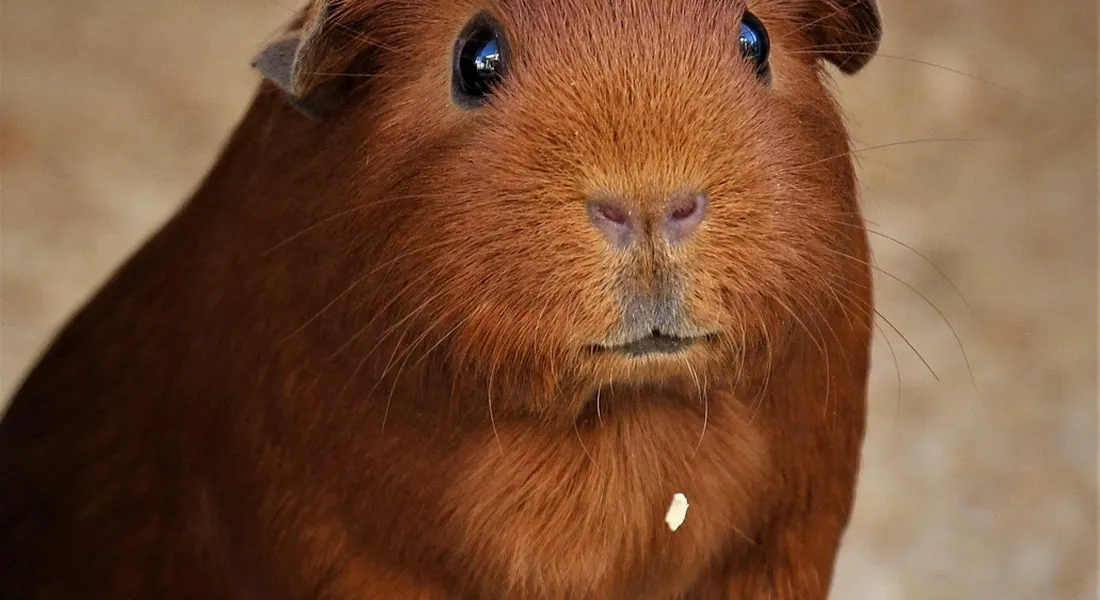
Choosing the right pellet is just as vital as measuring the correct daily amount. I’ve learned from my own guinea pigs, Pepper, Clover, and Biscuit, that a high-quality pellet can visibly improve their energy and coat health. In my upcoming guide, I compare and review the best guinea pig pellet brands side by side. This way, you can pick a trusted option with confidence.
- High Fiber Content: Look for pellets where Timothy hay or another grass hay is the first ingredient. This high fiber is non-negotiable for their delicate digestive systems and helps prevent obesity.
- No Added Seeds, Nuts, or Colorful Bits: These extras are like junk food for guinea pigs. They are high in fat and can lead to selective eating, where your pet picks out the tasty, unhealthy pieces and leaves the nutritious pellets behind.
- Fortified with Vitamin C: Guinea pigs cannot produce their own vitamin C, so their pellets must be fortified with it to prevent scurvy, a serious and painful illness. I always check the guaranteed analysis for this.
When comparing bags at the store, turn them over and read the ingredient list. The most trustworthy brands use simple, recognizable ingredients and clearly state the vitamin C content and its expiration. Avoid any mix that looks more like a party mix than a uniform, plain pellet.
Finally, always check the manufacturing or “best by” date on the bag. Vitamin C is not stable and degrades over time, so a fresh bag ensures your pet gets the full nutritional benefit they need to thrive. I make a habit of buying from stores with high product turnover to guarantee freshness for my herd.
FAQs
Can guinea pigs eat pellets that are past the expiration date?
No, expired pellets lose nutritional value, especially vitamin C, which degrades over time. Feeding stale or outdated pellets can lead to deficiencies and health issues like scurvy.
Is it safe to add supplements to my guinea pig’s pellet diet?
Generally, avoid adding supplements unless advised by a vet, as high-quality pellets are already balanced. Over-supplementing can cause imbalances or toxicity, so focus on a varied diet with hay and veggies. If you want to learn more about which supplements are safe to use, check out our guide to essential vitamins and supplements for guinea pigs.
How do I handle pellet feeding for multiple guinea pigs in one cage?
Provide separate small bowls to monitor each guinea pig’s intake and prevent bullying or overeating. This ensures all get their fair share and helps you spot any changes in appetite early. This approach also reduces food aggression, helping mealtimes stay peaceful for both guinea pigs. By feeding separately, you promote calm, cooperative eating and prevent tense interactions during meals.
Your Guinea Pig’s Healthy Diet
To keep your guinea pig thriving, measure their daily pellet portion carefully, tailoring the amount to their age and pairing it with unlimited hay. Always choose a high-quality, timothy hay-based pellet fortified with Vitamin C to support their unique dietary needs. Learn more about selecting the right pellets here.
Your dedication to learning about their nutrition is the foundation of a long, happy life for your small friend. Consider eco-friendly choices like paper-based bedding and bulk pellet purchases to reduce waste while caring for your precious pet.
Further Reading & Sources
- Pellets / Nuggets for Guinea Pigs – HAYPIGS
- Guinea pig feeding schedule and dietary needs | Humane World for Animals
- Guinea Pig Diet
- Guinea Pig Pellet Food 101: The Basics of a Balanced Diet | Small Pet Select Blogs | Small Pet Select
Kate is a passionate guinea pig owner and advocate for small pet welfare. With over a decade of experience caring for guinea pigs, she has become a trusted voice in the small pet community.
Uncategorized