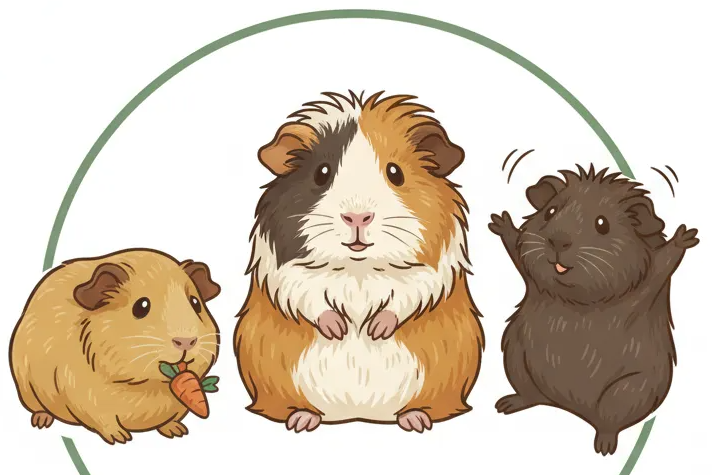
The Best Guinea Pig Pellet Brands Reviewed and Compared
Hello CavyFam! Are you feeling lost in the sea of guinea pig pellet options and worried about making a poor choice for your pet’s health? Picking the right pellets can prevent issues like obesity or vitamin deficiencies, ensuring your cavy stays active and content.
In this guide, I’ll walk you through key areas to make your decision easier:
- Essential nutrients and ingredients to prioritize
- Detailed reviews of top pellet brands
- How to compare costs and quality effectively
- Practical tips for safe food transitions
With years of hands-on experience and my own guinea pigs-Pepper, Clover, and Biscuit-I’ve tested numerous brands to offer trustworthy insights.
Why Guinea Pigs Thrive on Quality Pellets
Quality pellets act as a nutritional safety net for your guinea pigs. They deliver a consistent dose of hard-to-get nutrients that might be missing from their daily hay and veggies. Think of them as a daily multivitamin specifically formulated for their unique bodies. It’s important to know what nutrients to look for and which ones to supplement: Essential vitamins and supplements for guinea pigs can make a big difference in their health.
These little compressed nuggets are packed with benefits that keep your pets hopping with health.
- Vitamin C Powerhouse: Guinea pigs cannot produce their own vitamin C, and a deficiency can be serious. Good pellets are fortified with stabilized vitamin C to support their immune system and prevent scurvy.
- Digestive Harmony: A high fiber content, often from Timothy hay, keeps their complex digestive systems moving smoothly and prevents dangerous conditions like GI stasis.
- Dental Health: The act of chewing the firm pellets helps wear down their constantly growing teeth, which is vital to prevent overgrowth and pain.
- Balanced Nutrition: They provide a perfect balance of proteins, fats, and minerals that might fluctuate in a fresh-food-only diet.
I saw this firsthand with my own herd. My golden-brown boy, Pepper, used to be a bit picky with his bell peppers, his main vitamin C source. Once I found a high-quality pellet he loved, his energy levels soared and his coat became incredibly soft. My graceful Clover, who is a bit older, has maintained her sleek figure and bright eyes, which I credit to the steady, balanced nutrition from her daily pellets.
Essential Nutrients in Top Guinea Pig Pellets
When you’re scanning that ingredient list at the pet store, you need to know what to hunt for. The best pellets are simple, hay-based, and free from colorful bits, seeds, or sugary treats that can upset their stomachs. To transition safely to a new pellet brand step-by-step guide, follow a simple step-by-step guide: start by mixing a small amount of the new brand with the old, then gradually increase the new while decreasing the old over 7–14 days. Monitor your guinea pig’s appetite and stool as you go.
Focus on finding these must-have ingredients in your pellet of choice.
- High Fiber (18-20%): This is non-negotiable for healthy digestion. Look for Timothy hay as the first ingredient for most adult pigs.
- Stabilized Vitamin C: This specific form of the vitamin doesn’t break down quickly. Your pellets should list a guaranteed analysis for vitamin C.
- Low Calcium and Phosphorus: Too much calcium can lead to painful bladder stones. A good balance is key for urinary tract health.
- No Animal By-Products: Guinea pigs are strict herbivores. Their food should reflect that.
Timothy Hay vs. Alfalfa Pellets
This choice often depends on your guinea pig’s life stage.
Timothy hay-based pellets are the gold standard for most adult guinea pigs. They are lower in calcium and protein, which aligns perfectly with the needs of a mature pig to prevent obesity and urinary issues compared to alfalfa-based pellets.
Alfalfa-based pellets are like a power-up for growing youngsters, pregnant mothers, or underweight pigs. They are richer in protein, calories, and calcium, which supports rapid bone growth and milk production. I made the switch for all my adults to Timothy-based pellets once they reached about one year old, and it was the right move for their long-term health.
Nutrient Comparison at a Glance
| Pellet Type | Best For | Fiber (Crude) | Protein (Crude) | Calcium |
|---|---|---|---|---|
| Timothy-Based (Adult) | Adult guinea pigs over 1 year | High (18-22%) | Moderate (14-16%) | Low (0.4-0.6%) |
| Alfalfa-Based (Growth) | Pups, pregnant/nursing sows | Moderate (16-18%) | Higher (18-20%) | Higher (0.8-1.0%) |
How to Choose Safe and Nutritious Guinea Pig Pellets
-
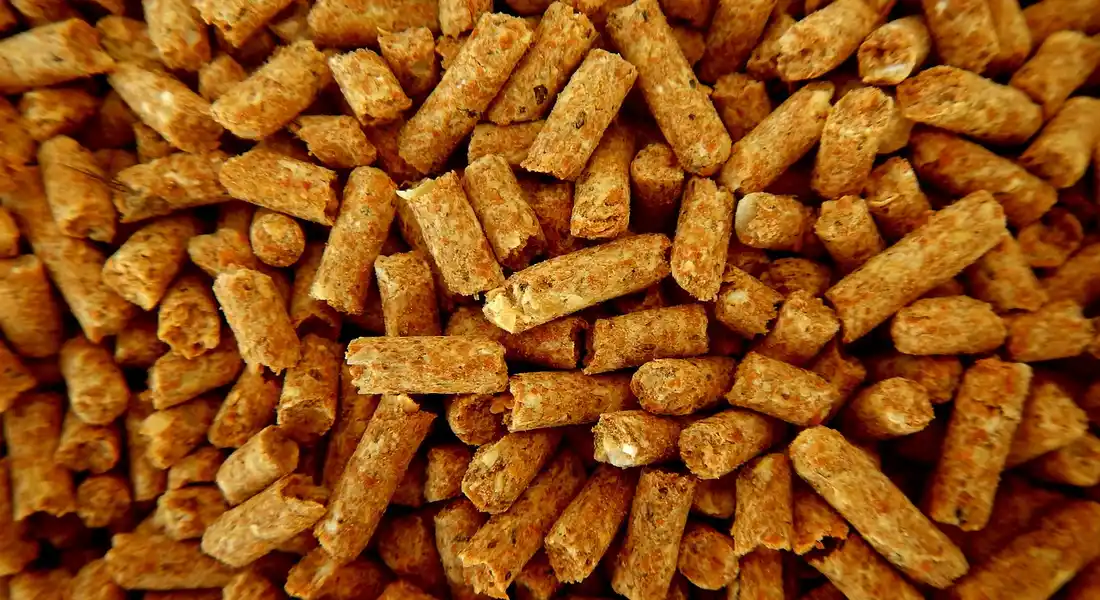
Check for natural ingredients and avoid artificial preservatives. I always turn the bag over to read the ingredient list first. Look for timothy hay or orchard grass as the main ingredient. Steer clear of pellets with corn, nuts, seeds, or colorful bits. These are just fillers and can upset their stomachs. My guinea pig Biscuit once had digestive issues from a brand with artificial colors, so I learned this the hard way.
-
Look for fortified pellets with stable vitamin C to prevent deficiency. Guinea pigs, like humans, cannot make their own vitamin C. Unstable forms, like ascorbic acid, degrade quickly when exposed to air and light. You want pellets with stabilized vitamin C, such as L-ascorbyl-2-polyphosphate, which lasts much longer in the bag. My vet told me this is one of the best ways to prevent scurvy, a serious health risk.
-
Assess pellet texture and size for easy eating and dental health. Your guinea pig’s teeth are always growing. A pellet that’s too soft won’t provide the necessary abrasion to grind them down. Conversely, a pellet that’s too hard or large can be difficult to eat. The ideal pellet has a firm, uniform texture that encourages natural chewing motion. I find my older pig, Clover, prefers a slightly smaller, more crumbly pellet now, especially considering normal guinea pig eating habits.
-
Consider grain-free or low-calcium options if your guinea pig has specific needs. Not all pigs have the same dietary requirements. Grain-free formulas can be better for sensitive digestive systems. Low-calcium pellets are vital for pigs prone to bladder stones. Always consult your vet before switching to a specialized diet to ensure it’s the right move for your pet’s health. My gentle Pepper needed a low-calcium diet, and it made a world of difference.
Comparing Popular Guinea Pig Pellet Types
-
Review general categories like high-fiber pellets and vitamin C-enriched blends. High-fiber pellets are the gold standard, supporting a healthy gut and preventing obesity. Vitamin C-enriched blends are non-negotiable, but the quality of that enrichment varies greatly. I always prioritize fiber content first, as hay should be their primary food source anyway.
-
Discuss pros and cons of different pellet formulations without naming brands. Some pellets are alfalfa-based, which are great for young, pregnant, or nursing pigs due to higher protein and calcium. For most adult guinea pigs, timothy hay-based pellets are superior to prevent weight gain and urinary issues. Extruded pellets, where ingredients are mixed and cooked together, can prevent selective eating but sometimes have a less natural texture. In a look at high-quality guinea pig pellets ingredient guide, you’ll learn to read ingredient lists and choose options with clean, recognizable ingredients. This helps you select pellets that support long-term health.
-
Include insights on pellet alternatives and when they might be suitable. While high-quality hay should always be available, some owners explore pellet-free diets. This requires meticulously providing a wide variety of fresh vegetables to meet all nutritional needs, especially vitamin C. This approach is complex and risky without expert guidance, and I don’t recommend it for the average owner. It’s a full-time job to get the balance right.
Feeding Guidelines: How Much and How Often
Getting the portion size right is one of the most common questions I get from new owners. Pellets are a crucial supplement, but they should never be the main course in your guinea pig’s diet. I learned this the hard way when my first guinea pig, Pepper, started getting a little too round from unlimited pellets. That raises the question: how much should a guinea pig eat daily in pellets? The goal is a small, measured daily portion, with hay and fresh greens doing the heavy lifting.
Daily Pellet Portions
Portion control is key. Here’s the simple guideline I follow for my trio:
- Adult Guinea Pigs (over 6 months): About 1/8 cup of pellets per pig, per day. This is the perfect amount for my adults, Pepper and Clover.
- Young & Pregnant/Nursing Pigs (under 6 months): They need unlimited access to alfalfa-based pellets to support their rapid growth and development. My youngest, Biscuit, gets this.
I use a small measuring cup every morning to ensure I’m not overfeeding. An overweight guinea pig is at higher risk for serious health issues like heart disease and arthritis.
Balancing the Diet
Think of your guinea pig’s diet like a healthy plate. Pellets are just one section.
- Unlimited Timothy Hay (80-85% of diet): This is non-negotiable. Hay provides the essential fiber for healthy digestion and constantly grinds down their ever-growing teeth.
- Fresh Vegetables (about 1 cup daily): This is their source of vital Vitamin C, which their bodies cannot produce. I give mine bell peppers, romaine lettuce, and cilantro daily.
- Fortified Pellets (the remaining 5%): These round out their nutrition with stabilized Vitamin C and other minerals.
A bowl full of pellets with no hay is like a person eating a multivitamin for dinner-it misses the point of real, fibrous nutrition.
Monitoring Health and Adjusting Food
Your guinea pig’s body will tell you if the diet is working. I do a quick weekly check-in with each of my pigs.
- Weigh them weekly. A sudden weight loss or gain is the first sign of a problem. I use a small kitchen scale.
- Check their droppings. Healthy poops are firm, oval, and consistent. Soft or misshapen droppings can signal a diet issue.
- Observe their energy and coat. A dull coat or lethargy can indicate nutritional deficiencies.
If Biscuit leaves pellets uneaten, I know I might be offering a bit too much and can scale back slightly the next day. It’s all about observing and adapting.
Storing and Sourcing Guinea Pig Pellets
You’ve found a great pellet, but how you store it is just as important for preserving those precious nutrients. Exposure to air, light, and heat quickly degrades the synthetic Vitamin C in pellets, rendering them less effective.
Keeping Pellets Fresh
I treat my guinea pig pellets like I do my own high-quality coffee beans-they need to be kept fresh.
- Use an Airtight Container: As soon as I open a new bag, I transfer the pellets into a sealed plastic or glass bin. The original bag alone isn’t enough.
- Store in a Cool, Dark Place: I keep the container in a pantry, never next to the stove or in direct sunlight. Heat is the enemy of Vitamin C.
- Buy in Manageable Quantities: Only purchase a bag that your herd will finish within 2-3 months. Don’t be tempted by a giant bag if you only have two pigs.
A properly stored pellet should still have a faint, fresh, grassy smell, not a stale or oily odor.
Where to Find Quality Pellets
You have a few good options for sourcing food, each with its own benefits.
- Local Pet Stores: This is my go-to for convenience. I can check the manufacturing date on the bag to ensure I’m getting the freshest batch possible.
- Online Retailers: Great for finding specific, high-end brands that local stores might not carry. Buying in bulk online can also be cost-effective for larger herds.
- Farm Supply Stores: Often carry reputable brands at very competitive prices, especially if you need a larger bag.
I always read reviews and check the “best by” date, whether I’m shopping online or in person. The welfare of my pets depends on the quality of their food.
Switching to a New Pellet Brand
A sudden change in diet can upset your guinea pig’s sensitive digestive system. When I decided to switch my group to a new, higher-quality pellet, I did it slowly over ten days.
- Days 1-3: Mix 25% of the new pellets with 75% of the old pellets.
- Days 4-6: Use a 50/50 blend of old and new pellets.
- Days 7-9: Mix 75% new pellets with 25% old pellets.
- Day 10: Offer 100% of the new pellet brand.
This gradual transition gives their gut bacteria time to adjust and helps you spot any potential intolerance early on. Watch their poop and appetite closely during this time-it’s your best indicator of how they’re handling the change.
Safety and Health Considerations with Guinea Pig Pellets
-
Poor pellet choices can lead to serious health problems in guinea pigs. Obesity often stems from pellets packed with unnecessary fillers and high sugar content, which I noticed when my guinea pig Pepper started gaining too much weight on a popular brand. Dental issues are another risk, as low-fiber pellets don’t wear down their constantly growing teeth properly. Clover, my Abyssinian, once had minor dental discomfort that improved after switching to a high-fiber option. Urinary stones and digestive upsets can also arise from imbalanced calcium or poor ingredients.
-
To keep your pet safe, follow these steps to spot and avoid risky pellets:
- Always check the expiration date and look for signs of mold or pests in the bag.
- Review the ingredient list for artificial colors or preservatives, which I avoid for all my pigs like Biscuit.
- Search online for recent recalls on sites like the FDA’s animal feed section-this saved me from a contaminated batch once.
- Stick to brands that use simple, natural ingredients without added seeds or sugary treats.
Regularly monitoring pellet quality helps prevent emergencies and keeps your guinea pig thriving.
-
Pellet safety is crucial for your guinea pig’s overall welfare. By choosing wisely, you support their long-term health and reduce vet visits, something I’ve prioritized with my trio over the years. Proper nutrition prevents suffering and lets them enjoy active, playful lives, which aligns with advocating for animal welfare. Remember, a safe diet means a happier, more energetic companion who can bond with you for years to come. When selecting pellets, consider homemade vs commercial guinea pig pellets to ensure quality and safety.
FAQs
Can I find quality guinea pig pellets at Walmart?
Yes, Walmart often stocks well-known brands like Oxbow and Kaytee. Always verify the ingredient list and expiration date to ensure the pellets meet your guinea pig’s nutritional needs.
Is buying guinea pig pellets in bulk a good idea?
Buying in bulk can be cost-effective for owners with multiple guinea pigs. Store the pellets in airtight containers in a cool, dark place to preserve freshness and prevent vitamin C degradation. Proper storage helps keep pellets fresh longer. Regularly inspect containers for moisture and reseal after each use to maintain quality.
How can I ensure the vitamin C in pellets doesn’t degrade?
Choose pellets with stabilized vitamin C, like L-ascorbyl-2-polyphosphate, which lasts longer. Always seal the bag tightly and avoid exposure to light and heat to maintain potency.
What are some alternatives to guinea pig pellets?
Alternatives include a diet rich in fresh vegetables, high-quality hay, and vitamin C supplements. Consult a veterinarian to ensure this approach meets all nutritional requirements without risks.
Are guinea pig pellets safe for human consumption?
Guinea pig pellets are not formulated for human diets and may contain ingredients unsafe for people. They lack the necessary nutrients and balance required for human health. Common harmful ingredients found in some guinea pig pellets include excess calcium and added sugars, which are not suitable for humans. For human nutrition, choose foods specifically formulated for people rather than animal feed.
My Final Tips for Choosing Guinea Pig Pellets
From my years with Pepper, Clover, and Biscuit, I always pick pellets rich in fiber and low in calcium to prevent health issues. Pairing quality pellets with unlimited hay and fresh veggies keeps your guinea pig thriving and full of energy.
Stay curious about guinea pig care by reading up on eco-friendly options and proper feeding habits. Making informed, sustainable choices shows love for your pets and helps protect our shared environment. For a complete guide on foraging your guinea pig, discover safe, tasty greens and practical enrichment ideas.
Further Reading & Sources
- r/guineapigs on Reddit: What Guinea pig pellets do you recommend?
- The 11 Best Guinea Pig Foods of 2025
- Premium, Healthy Hay-Based Guinea Pig Food | Small Pet Select – Small Pet Select U.S.
- Supreme Guinea Pig Food: Guinea Pig Pellets | Kaytee
Kate is a passionate guinea pig owner and advocate for small pet welfare. With over a decade of experience caring for guinea pigs, she has become a trusted voice in the small pet community.
Uncategorized