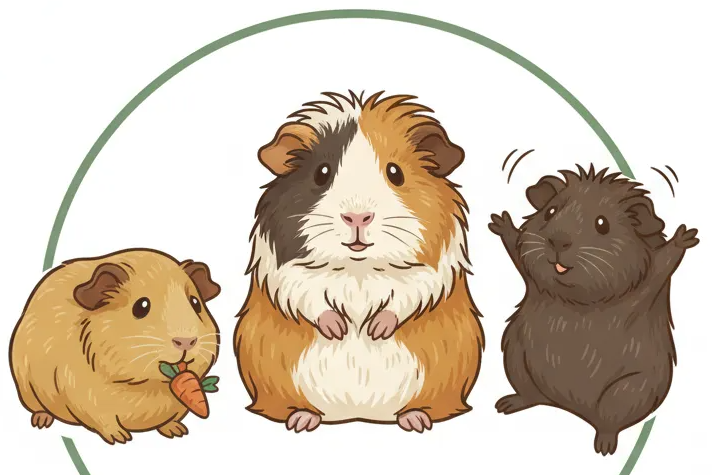
Understanding Guinea Pig Self-Harm Behaviors and Causes
Published on: February 11, 2026 | Last Updated: February 11, 2026
Written By: Kate M. Callahan
Hello CavyFam! Spotting self-harm in your guinea pig can be deeply unsettling and leave you scrambling for answers. Your concern shows how much you care, and getting to the root of these behaviors is vital for your pet’s well-being.
I’ll explore identifying self-harm signs, health and environmental triggers, practical prevention steps, and when to seek veterinary help. With years of hands-on experience raising guinea pigs like gentle Pepper, graceful Clover, and intelligent Biscuit, I offer trusted guidance to support your furry friends.
Understanding Guinea Pig Self-Harm Behaviors
Self-harm in guinea pigs refers to actions where they intentionally cause injury to their own bodies.
- This includes self-biting, self-chewing, and overgrooming to the point of damage.
- Normal grooming is brief and leaves the coat clean and intact.
- Harmful grooming is frantic, focused, and results in bald patches or wounds.
It is vital to remember that guinea pigs do not self-harm due to human-like suicidal thoughts; their actions are a response to physical distress. Recognizing the risks of shock and other distress can help prevent death by prompt care. Being aware of warning signs and seeking veterinary help quickly is essential to protect guinea pigs’ health.
Watch for these observable signs:
- Patchy hair loss, especially on the sides, back, or legs
- Red, raw skin lesions or scabs
- Repetitive biting at a specific area, often accompanied by squeaks of pain
My guinea pig, Biscuit, once started overgrooming his flank relentlessly, which was our first clue something was wrong. This prompted us to start using a complete home troubleshooting checklist for a sick guinea pig. We hoped to rule out common issues at home before seeking veterinary care.
Common Medical Causes Behind Self-Mutilation
- Pain from dental disease or internal issues can make a guinea pig bite at their skin, misdirecting the discomfort. Overgrown teeth are a frequent culprit I’ve seen.
- Skin parasites like mites or lice cause intense, unbearable itching. An infestation feels like pins and needles constantly pricking their skin.
- Vitamin C deficiency weakens their skin and immune system, leading to sores and irritation that they chew. A proper diet is non-negotiable.
- Dermatitis or fungal infections create inflamed, itchy skin. Ringworm, for instance, is highly irritating and contagious.
- Any underlying illness causing general discomfort, such as a bladder stone or arthritis, can trigger self-mutilation as a coping mechanism.
In my experience, a sudden onset of biting usually points to a medical emergency that needs immediate veterinary diagnosis.
Environmental and Social Stress Factors
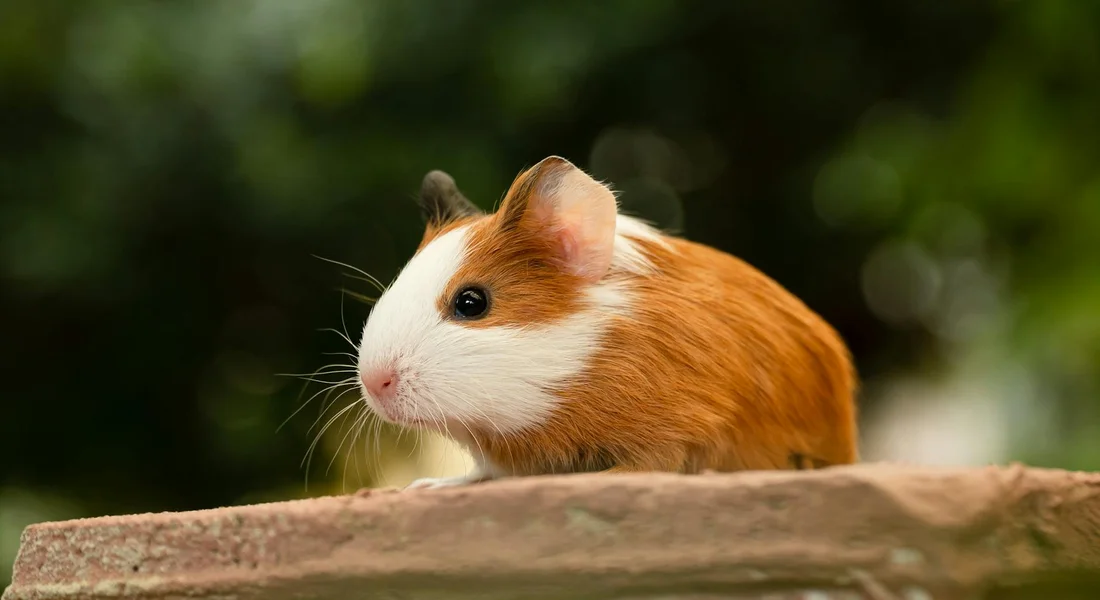
Your guinea pig’s environment is their entire world, and when it’s not right, they can feel trapped and stressed. I’ve seen my own guinea pigs, like gentle Pepper, become visibly anxious when their surroundings don’t meet their needs. It’s a silent plea for help that we must learn to recognize, especially if you want to tell if your guinea pig is stressed or anxious.
- Boredom from lack of enrichment: Guinea pigs are intelligent and curious. Without toys, tunnels, or simple things like paper bags to explore, their minds get restless. This boredom can quickly turn into chewing on themselves or their cage mates out of sheer frustration.
- Social isolation without guinea pig companions: These are herd animals by nature. Keeping a single guinea pig is like forcing a person to live in complete solitude. My graceful Clover became a different, more confident pig after she was introduced to her companions. They need that social chatter and physical presence to feel secure.
- Inadequate cage environment: small space, poor bedding: A cramped cage is a prison. It prevents natural behaviors like “popcorning” (happy jumps) and running. Poor bedding, like cedar shavings, can cause painful skin irritation and respiratory issues, leading them to scratch and bite at their own skin.
- Stress from loud noises or frequent disruptions: Guinea pigs have sensitive hearing. A constantly barking dog, loud music, or even frequent handling by young children can keep them in a perpetual state of fear. This chronic stress is a major trigger for self-harm.
- Insufficient hiding spots causing anxiety: In the wild, they are prey animals. Without a safe, dark place to retreat to, they feel exposed and vulnerable. Providing multiple hideouts, like small igloos or fleece forests, gives them a sense of control over their environment.
Recognizing Behavioral Signs of Distress
Catching these signs early is your best defense against serious self-harm. Learning the subtle language of your guinea pig’s behavior can feel like learning to read a secret code. It takes patience, but it’s the key to their well-being. To tell if your guinea pig actually enjoys being petted, watch for a relaxed posture and a gentle nudge toward your hand. A soft purr or closing eyes can indicate they’re enjoying it, while a tense body or pulling away shows it’s time to stop.
- Excessive barbering or hair chewing: This goes beyond normal grooming. You’ll see patches of shortened fur, often on their own flanks or on a submissive cage mate. My reserved Biscuit started this once during a stressful move, and it was our first clue she was struggling.
- Constant scratching at specific body areas: Occasional scratching is normal, but a repetitive, frantic scratching at one spot, especially until the skin is raw, points to intense irritation, mites, or psychological distress.
- Changes in eating or drinking patterns: A stressed guinea pig often loses its appetite. If you notice they’re not rushing to their veggies like usual or their water bottle level isn’t dropping, it’s a huge red flag that something is wrong.
- Increased hiding or decreased social interaction: While they need hideouts, a guinea pig that never comes out, even for food, or that stops interacting with their companions, is showing clear signs of depression or severe anxiety.
- Aggressive behavior toward cage mates: A normally peaceful pig that suddenly starts chasing, nipping, or rumbling at their friends is communicating immense internal stress. This aggression can be a displaced behavior, where they can’t fix the real problem so they take it out on what’s nearby.
Immediate Steps When You Notice Self-Harm
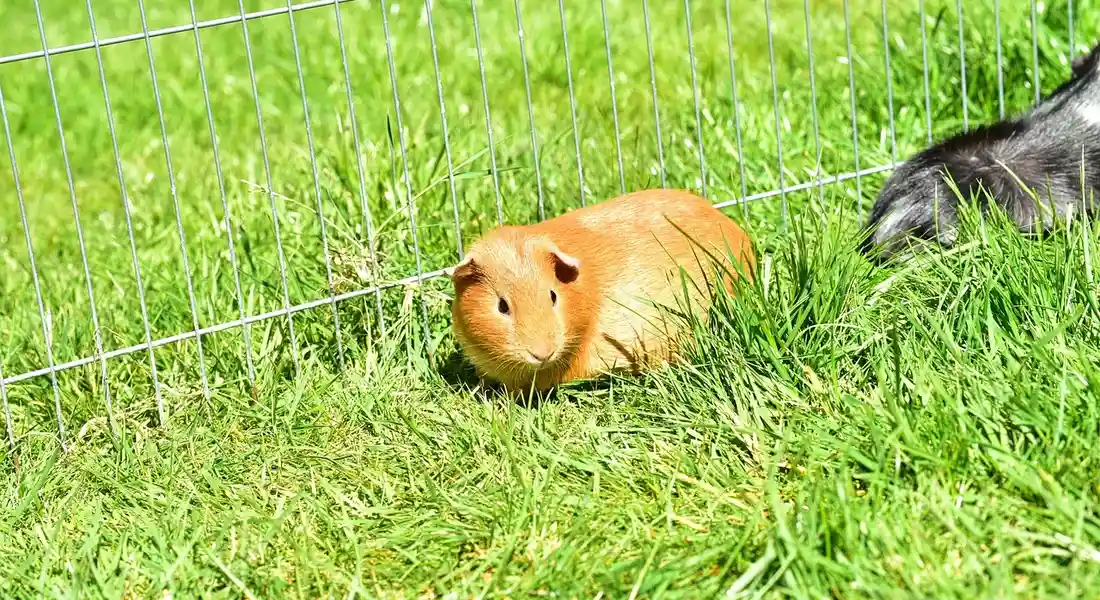
If your guinea pig starts showing self-harm behaviors, acting fast can make a huge difference in their well-being. From my own time caring for Pepper, Clover, and Biscuit, I’ve seen how quick intervention can soothe their stress and prevent injuries. This is especially true during floor time, where hazards can arise quickly. That’s why I’ll cover the 5 critical safety mistakes to avoid during guinea pig floor time. Follow these steps to help your pet feel safe again.
- Schedule immediate veterinary evaluation to rule out pain or illness.
- Remove any obvious environmental stressors like loud noises or bright lights.
- Provide safe, soft bedding to prevent further injury from rough surfaces.
- Offer distraction with favorite foods and toys to shift their focus.
- Separate from cage mates if aggression occurs to reduce tension.
Preventing Self-Harm Through Proper Care
Long-term prevention starts with consistent, loving care that meets all their needs. Creating a stable environment has kept my guinea pigs happy and reduced anxious habits over the years. As you prepare your home for your guinea pigs, plan for their entire lifespan—from infancy to senior years—so their needs are met at every stage. This lifelong planning helps ensure stable nutrition, enrichment, and veterinary care. Focus on these key areas to support their mental and physical health.
- Ensure balanced nutrition with vitamin C-rich foods like bell peppers and kale.
- Provide adequate space and social companionship to avoid loneliness.
- Offer daily enrichment: tunnels, chew toys, foraging games for mental stimulation.
- Maintain clean, comfortable cage environment to lower stress and infection risks.
- Establish routine health checks and observations to catch issues early.
When to Seek Professional Veterinary Help
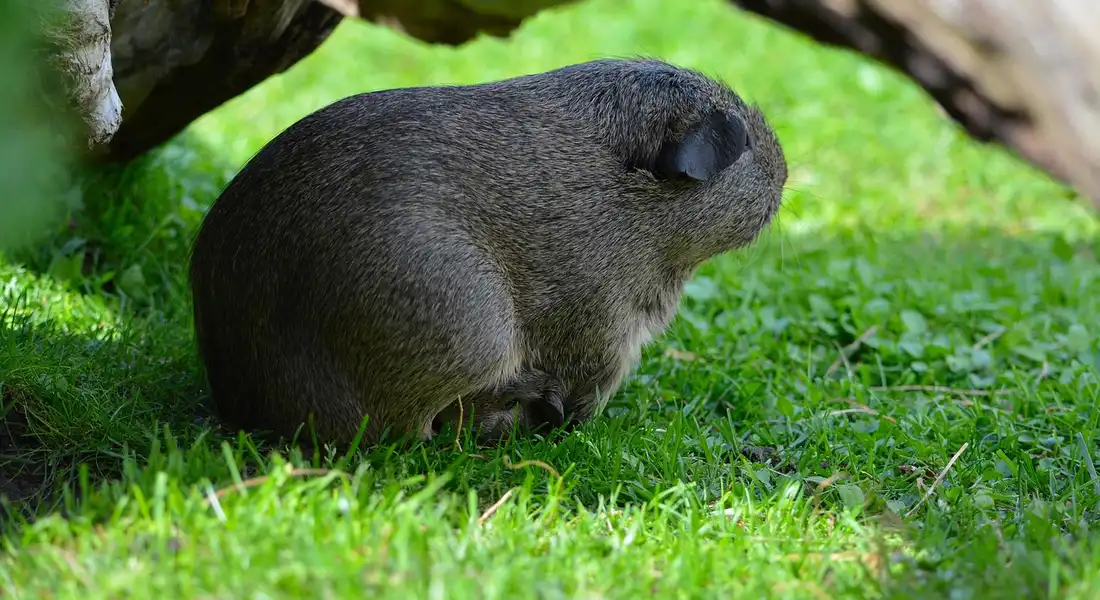
As a longtime guinea pig caretaker, I’ve seen how quickly small issues can escalate. Trust your instincts – if something feels off with your furry friend, it’s better to err on the side of caution and call your vet. Knowing the 9 vet visit mistakes that compromise your guinea pig’s diagnosis can help you avoid missteps during visits.
- Visible skin lesions or bleeding
- Significant hair loss in multiple areas
- Behavior changes lasting more than 24 hours
- Refusal to eat or drink normally
- Any signs of pain or discomfort
I recall when Clover, my Abyssinian, started hiding more than usual and lost patches of fur. That persistent change in her graceful demeanor signaled an underlying health problem that needed professional attention right away.
Watch for subtle cues like reduced activity or unusual vocalizations. Guinea pigs are masters at hiding pain, so any deviation from their normal habits warrants a closer look and possibly a vet visit. To know if your guinea pigs are happy, look for lively exploration, a healthy appetite, and relaxed body language when you approach. Happy pigs often groom themselves and respond positively to familiar sounds and people.
For example, if Pepper avoids her usual golden-brown hideout or Biscuit turns away from fresh greens, take note. Prompt action can prevent minor issues from becoming serious, ensuring your pets stay happy and healthy.
FAQs
Is self-harm in guinea pigs always a sign of a serious health issue?
Not always, but it frequently points to underlying physical or emotional distress that requires investigation. In guinea pigs, a noticeable drop in mood—such as reduced activity or withdrawal—can signal depression or illness and should be watched closely. Consulting a veterinarian can help identify and address the root cause promptly.
Can introducing a new guinea pig companion reduce self-harm behaviors?
Yes, companionship often alleviates loneliness and stress, which are common triggers for self-harm. Always introduce new mates gradually to minimize conflict and ensure a smooth bonding process.
What role does diet play in preventing self-harm in guinea pigs?
A proper diet with sufficient vitamin C strengthens skin integrity and reduces irritation that may lead to chewing. Consistently offering nutrient-rich foods supports overall health and minimizes behavioral issues.
Your Guinea Pig’s Well-Being is in Your Hands
To support your guinea pig’s mental health, always focus on identifying and removing stressors from their environment while enriching their habitat with space, companionship, and engaging activities. Properly caring for guinea pigs also means providing balanced nutrition and clean living conditions. Regular health checks and safe handling complete their care. Providing a secure, stimulating, and loving home is the most powerful way to prevent self-harm behaviors from developing.
Commit to being an attentive and proactive pet parent by continuously learning about their unique needs and observing their daily habits closely. Choose eco-friendly bedding and toys whenever possible, because a healthy pet and a healthy planet go hand-in-hand.
Further Reading & Sources
- Self-Harm Due To Stress. – Guinea Lynx Forums
- 10 Common Guinea Pig Behaviors Explained | Chewy
- Hair Loss – Causes of Self- Barbering – Guinea Pig Cages
- A – Z of Guinea Pig Behaviours | The Guinea Pig Forum
Kate is a passionate guinea pig owner and advocate for small pet welfare. With over a decade of experience caring for guinea pigs, she has become a trusted voice in the small pet community.
Uncategorized