Can Guinea Pigs Die from Shock? Understanding the Risks
Published on: February 12, 2026 | Last Updated: February 12, 2026
Written By: Kate M. Callahan
Hello CavyFam! If you’ve ever wondered whether a sudden scare or stress could seriously harm your guinea pig, your concern is completely valid. Shock is a real and dangerous threat that can turn a happy moment into an emergency in seconds.
In this guide, I’ll break down everything you need to know to keep your cavy safe. We’ll explore:
- What shock really means for guinea pigs and why it’s so risky
- The most common causes, from loud noises to injuries
- Clear signs and symptoms you should never ignore
- Practical steps to prevent shock in your home
- Immediate actions to take if you suspect shock
Having cared for my own guinea pigs like gentle Pepper and graceful Clover for years, I’ve learned how to spot and handle these scary situations with confidence.
What Is Shock in Guinea Pigs?
Think of shock as your guinea pig’s body suddenly struggling to function properly, like a car engine sputtering and failing to get enough fuel.
Their tiny bodies can’t pump blood effectively, leading to a dangerous drop in blood pressure and oxygen starvation to vital organs.
I picture it as their internal plumbing system breaking down; the pipes (blood vessels) can’t deliver the necessary supplies to keep everything running.
One afternoon, my guinea pig Biscuit became unusually still and unresponsive after a loud noise scared him.
His breathing was shallow, his ears felt cold, and he seemed disconnected from his surroundings-classic early warnings I wish I’d recognized sooner.
Common Causes of Shock in Guinea Pigs
Shock often stems from everyday incidents we might overlook.
- Trauma from a fall, even a short one from a couch, or an accidental squeeze can be devastating for their fragile frames.
- Severe infections, like a respiratory illness that turns into sepsis, overwhelm their system rapidly.
- Extreme stress from a sudden move, a new pet in the house, or constant loud noises can push them into shock.
Other critical triggers include dehydration from not drinking enough, especially in warm weather.
Anesthesia during necessary vet procedures, while often safe, carries a risk that requires careful monitoring.
Underlying heart or kidney disease can also make a guinea pig more susceptible.
I’ve seen a case where a simple car backfiring outside caused such intense fear in a neighbor’s pet that it triggered a shock-like state.
It’s a stark reminder that their world is much more sensitive than ours.
Recognizing Signs and Symptoms of Shock
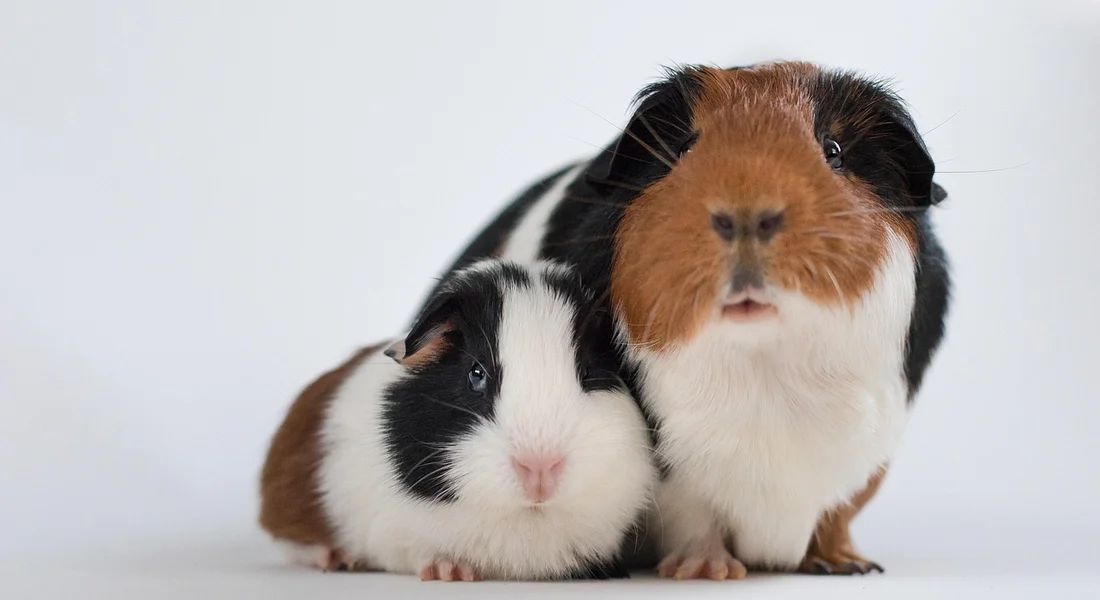
Spotting shock early can save your guinea pig’s life. I’ve learned that swift recognition is your first and most powerful tool in an emergency.
- Pale or White Gums: Healthy gums are a nice pink; pale gums signal poor blood circulation.
- Rapid, Shallow Breathing: Their little sides will be moving much too fast.
- Extreme Lethargy or Weakness: They won’t move, even when you offer their favorite treat.
- Collapse or Inability to Stand: Their body simply gives out.
- Cool Ears and Paws: They feel cold to the touch, a clear sign the body is shutting down.
- Unresponsiveness: They don’t react to your voice or a gentle nudge.
From my time with Biscuit, my Peruvian, I know a sudden change in normal behavior is a massive red flag. You are the expert on what is normal for your pet, so trust your gut if something seems off. I make it a habit to do a quick daily check-a glance at their energy levels during floor time and noticing how eagerly they greet me for veggies.
Can Shock Be Fatal for Guinea Pigs?
Yes, shock can absolutely be fatal for a guinea pig. When their body goes into shock, vital organs like the heart and kidneys are starved of blood and oxygen, which can lead to rapid and irreversible failure. If you notice your guinea pig displaying critical signs — such as sudden weakness, collapse, cold or pale extremities, labored breathing, or not waking when touched — please seek veterinary care immediately. Early action can be the difference between life and death in these situations.
Their small size means their bodies have very little reserve to fight such a catastrophic state. Without immediate veterinary intervention, the outcome is often a heartbreaking, sudden death.
However, several factors influence their chances. A younger, otherwise healthy guinea pig, like my one-year-old Biscuit, often has a better fighting chance than an older pig with pre-existing health issues. The underlying cause of the shock-be it a severe injury, extreme temperature, or a massive fright-also critically shapes the prognosis.
I’ve seen guinea pigs make remarkable recoveries. My gentle Pepper once had a scary brush with shock after a traumatic incident. Because we acted immediately, rushing her to the vet for supportive care like fluids and warmth, she pulled through. It was a powerful reminder that a quick, calm response can truly mean the difference between life and death for these fragile creatures.
Emergency Veterinary Care for Shock
-
Veterinarians act fast to stabilize a shocked guinea pig. They often start with subcutaneous or intravenous fluids to combat dehydration and support plummeting blood pressure. Oxygen therapy is common to ease breathing struggles, and medications may be given to strengthen heart function and circulation. If surgery is needed, the focus shifts to recovery: pain control, slow activity, and wound care. Owners should keep a calm, warm space and follow post-operative instructions to support healing.
-
Diagnosing the root cause is critical for effective treatment. The vet will perform a thorough physical exam, checking for injuries, listening to the heart and lungs, and assessing gum color. They might recommend blood tests to check for infection or x-rays to look for internal trauma from a fall.
-
Recovery doesn’t end when you leave the clinic. Your vet will create a long-term care plan that includes a quiet recovery space, specific feeding instructions, and sometimes ongoing medication. I’ve learned that skipping follow-up visits can risk a relapse, so I always schedule them right away to ensure my guinea pigs heal completely. Regular vet visits are also a key part of a guinea pig’s complete care schedule. They help monitor dental health, weight, and overall well-being to catch issues early and keep recovery on track.
First Aid and Home Care Guidelines
-
Your immediate actions at home can be lifesaving. Gently wrap your guinea pig in a soft towel and place them on a heating pad set to low or a warm (not hot) water bottle wrapped in a cloth. Keep them in a dim, silent room and offer a shallow dish of water, but your very first step is calling the emergency vet.
-
Avoid well-intentioned mistakes that can cause more harm. Never force-feed food or water to a guinea pig in shock, as they can easily aspirate and develop pneumonia. Do not attempt to give them a bath, jostle them excessively, or place them near loud noises or other pets. Understanding the 15 deadly mistakes first-time guinea pig owners commonly make can help you avoid common pitfalls. Taking time to learn proper care now pays off in a healthier, calmer guinea pig later.
-
From my experience fostering rescues, small comforts make a big difference. I softly talk to the guinea pig to provide a familiar sound and sometimes place a piece of my worn t-shirt in their carrier for a comforting scent. To tell if your guinea pig is stressed or anxious, watch for signs like hiding, a hunched posture, or teeth grinding, often referred to as guinea pig stress signs. Simply sitting quietly nearby can help lower their stress until you can get professional help.
Preventing Shock in Your Guinea Pig
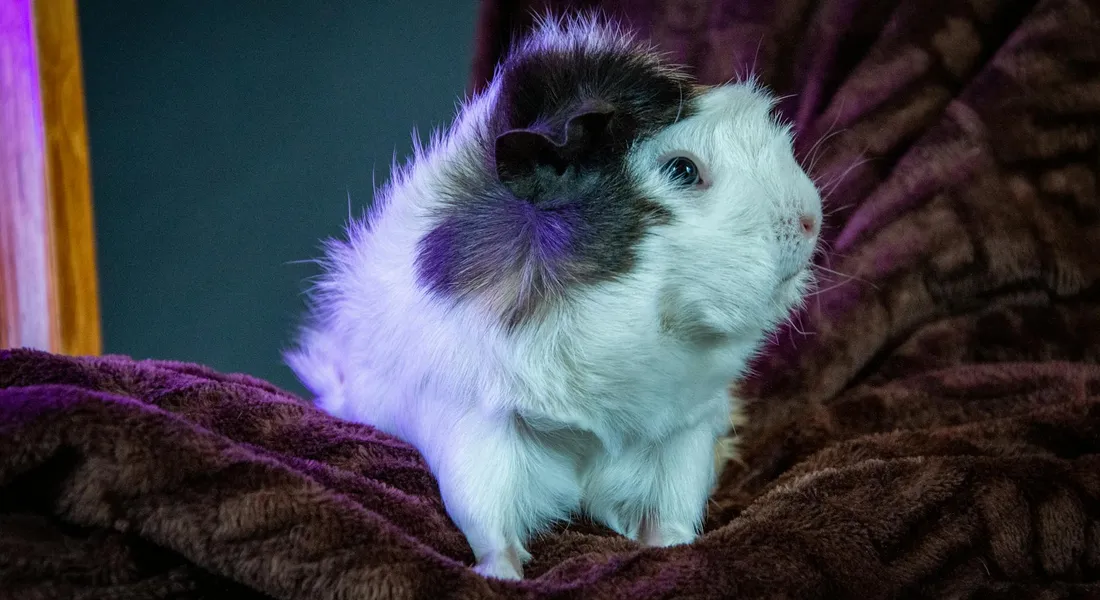
Creating a peaceful home is your first line of defense. I keep my guinea pigs, Pepper, Clover, and Biscuit, in a quiet room away from the television and loud appliances. A calm environment significantly lowers their baseline stress, making them less vulnerable to sudden fright. Even a consistently gentle tone of voice when you’re near their cage makes a world of difference.
Nourish Their Bodies and Spirits
Proper nutrition and hydration are non-negotiable for a resilient system. I always ensure they have constant access to fresh timothy hay, which is crucial for their digestive health. A well-hydrated and properly fed guinea pig is better equipped to handle physical and emotional stressors. I supplement their diet with fresh, guinea-pig-safe veggies like bell peppers and romaine lettuce daily. An ideal overall diet for a healthy guinea pig emphasizes unlimited hay, daily fresh greens, and a small amount of fortified pellets. This balanced approach supports steady digestion, energy, and longevity.
Master the Art of Gentle Handling
How you interact with your pet matters immensely. Always support their entire body when you lift them, and never make sudden, jerky movements. Proper handling builds trust and prevents the panic that can lead to a shock response. I’ve found that letting a more reserved pig like Biscuit approach me first has made her much more confident during our interactions.
Commit to Regular Health Surveillance
Don’t wait for a problem to become obvious. I perform a quick weekly check on each of my pigs, looking for clear eyes, clean ears, and healthy teeth. Regular, gentle health checks help you spot subtle changes in behavior or appearance that signal an underlying issue. Any sign of lethargy or a change in eating habits warrants immediate attention.
Educate Everyone in the Home
If you have children or new family members, take the time to teach them guinea pig etiquette. Explain that these are prey animals who startle easily. Ensuring everyone understands how to behave around your guinea pig is a community effort that protects their well-being. A calm household is a safe household for a sensitive creature. If you’re introducing a new baby to your home, this safety guide for guinea pig owners offers tips to keep both baby and pet safe. It also helps you establish gentle handling routines that minimize startles.
Advocate Through Early Intervention
At the first hint of something wrong-a slight wheeze, a skipped meal, unusual stillness-don’t hesitate. Acting quickly at the earliest sign of distress is the most humane and effective way to prevent a minor issue from escalating into a life-threatening crisis. I’ve learned that trusting my instincts about my pets has always served them best.
FAQs
What is guinea pig shock?
Guinea pig shock is a life-threatening state where their body’s circulation fails, depriving organs of oxygen and nutrients. It can result from trauma, extreme fear, or underlying health issues. In disaster preparedness, recognizing signs early and having a plan can save your guinea pig’s life. Prepare a guinea pig emergency kit and know how to reach a vet quickly.
What are the symptoms of guinea pig shock?
Symptoms include pale gums, rapid shallow breathing, and cold ears or paws. You might also notice extreme weakness or unresponsiveness to stimuli.
What is the treatment for guinea pig shock?
Veterinary treatment often involves fluids, oxygen therapy, and medications to support heart function. Diagnosing the underlying cause is crucial for effective recovery.
Can guinea pig shock cause death?
Yes, shock can be fatal if untreated, as it may lead to rapid organ failure. Immediate veterinary care greatly improves survival odds.
How do you treat guinea pig shock at home?
Guinea pigs are sensitive to temperature changes and can deteriorate quickly if they become cold. Provide warmth with a heated pad and keep the guinea pig in a quiet, dim area while urgently contacting a vet. Temperature stabilization with a gentle heat source is important to support their heating needs. Do not attempt to feed or give water to avoid aspiration risks.
Your Guinea Pig’s Well-Being Matters
Remember, your quick response is their best defense; always remove the source of stress and provide a warm, quiet space immediately. Recognizing the subtle signs of shock, from stillness to changes in breathing, can make the critical difference in an emergency.
Being a responsible pet owner means committing to lifelong learning about their unique needs and behaviors. Extend that care to our planet by choosing sustainable bedding and toys, creating a safer, greener home for your small companions.
Further Reading & Sources
- The guinea pig as a model in shock research – PubMed
- Loss – Did my guinea pig die of shock from being squirted with water?
- Conditions – Signs of Shock? – Guinea Pig Cages
- Is Your Guinea Pig Dead or In Shock? (How To Tell) – Squeaks Scales & Tails
Kate is a passionate guinea pig owner and advocate for small pet welfare. With over a decade of experience caring for guinea pigs, she has become a trusted voice in the small pet community.
Uncategorized