Why Do Guinea Pigs Bite and Nibble?
Published on: April 17, 2026 | Last Updated: April 17, 2026
Written By: Kate M. Callahan
Hello, CavyFam! Has your sweet guinea pig ever given you a sudden, surprising nibble? It can be startling, but it’s rarely a sign of aggression.
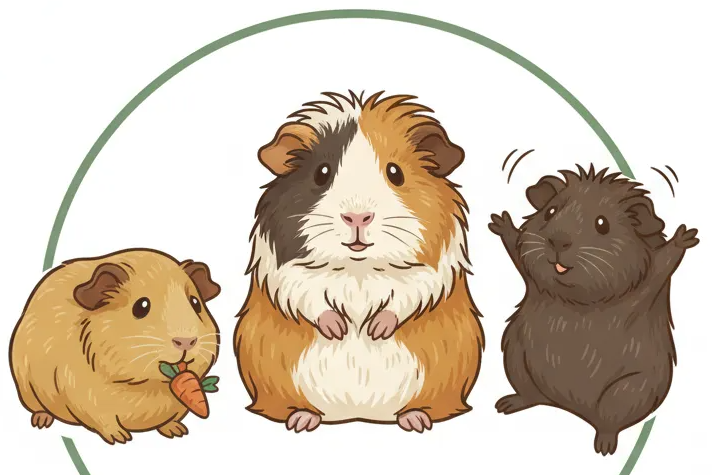
In this guide, we’ll explore the common reasons for biting, how to prevent it, and ways to strengthen your bond. I’ve learned all this firsthand from my three guinea pigs-Pepper, Clover, and Biscuit-each with their own unique way of communicating.
Decoding Guinea Pig Behavior: Nibbling vs. Biting
Gentle Nibbles: Affection and Exploration
When your guinea pig gives you soft, light nibbles, it’s often a sign of trust and curiosity. Gentle nibbling is their way of exploring your scent and showing they feel safe with you. I’ve noticed my guinea pig, Pepper, does this when she’s checking if my fingers smell like veggies or just wants a little attention. It’s like a tiny, furry handshake that says, “I’m comfortable here.”
This behavior is common during bonding moments, such as when you’re petting them or offering treats. Pay attention to their body language-relaxed posture and soft sounds mean they’re content. Unlike a bite, these nibbles don’t hurt and are over quickly.
Aggressive Biting: Warning Signs and Causes
Aggressive bites are sharp, sudden, and can break the skin, signaling distress or pain. Watch for signs like flattened ears, hissing, or a tense body-these are clear warnings to back off. In my experience, Biscuit once bit me when I startled her during a loud noise, and it taught me to approach slowly. Causes can include illness, fear, or feeling threatened, so always check for underlying issues.
If biting happens, don’t scold your guinea pig; instead, give them space and observe. Sudden changes in behavior might mean a vet visit is needed to rule out health problems. Advocating for their welfare means understanding that biting is a cry for help, not misbehavior.
Common Reasons Guinea Pigs Bite and Nibble
Fear and Stress-Induced Biting
Guinea pigs are prey animals, so fear can trigger biting as a defense mechanism. Loud noises, sudden movements, or unfamiliar environments can make them feel trapped and lash out. Fear and stress can also impact their health, not just their behavior. When stressed, guinea pigs may eat less, be less active, or show digestive issues. I’ve seen Clover hide and nibble anxiously when guests are over, reminding me to keep her cage in a quiet spot. To reduce stress, handle them gently and provide hiding places like tunnels or cozy huts.
- Introduce new people or pets slowly to avoid overwhelming them.
- Keep their living area calm and predictable with routine feeding times.
- If they bite out of fear, speak softly and avoid quick gestures to rebuild trust.
Creating a safe space helps prevent fear-based incidents and strengthens your bond.
Dental Health and Chewing Needs
Guinea pigs’ teeth grow continuously, so they need to chew to keep them trimmed. If their teeth are overgrown or painful, they might bite to relieve discomfort. I always provide unlimited hay and chew toys for Pepper, who loves gnawing on apple wood sticks. Regular dental health care for guinea pigs includes routine checks to catch overgrowth early. Regular dental care—checking tooth length, wear, and alignment—helps prevent pain and aggressive chewing. Dental issues can cause aggressive biting, so regular vet checks are essential.
- Offer a variety of chewables: hay, untreated wood, and safe vegetable chunks.
- Monitor for signs like drooling or weight loss, which could indicate dental problems.
- If biting persists, consult a vet to check for malocclusion or other issues.
Proper dental care not only stops biting but also keeps your guinea pig healthy and happy.
Socialization and Play Behaviors
Nibbling can be part of social interactions, like play or establishing hierarchy in a group. During play, guinea pigs might give soft nibbles to communicate or invite interaction. With my trio, Biscuit often nibbles Clover’s fur during grooming sessions, which is a normal part of their social dynamic. It’s different from aggression because it’s gentle and accompanied by happy sounds like purring.
- Encourage positive play by providing toys and supervised out-of-cage time.
- Learn to distinguish play nibbles from stress signals-play is usually brief and non-painful.
- If nibbling turns rough, redirect with a toy to teach appropriate behavior.
Understanding their social cues helps you respond appropriately and foster a loving relationship.
Specific Scenarios: Why Your Guinea Pig Targets You
Biting When Picked Up or Handled
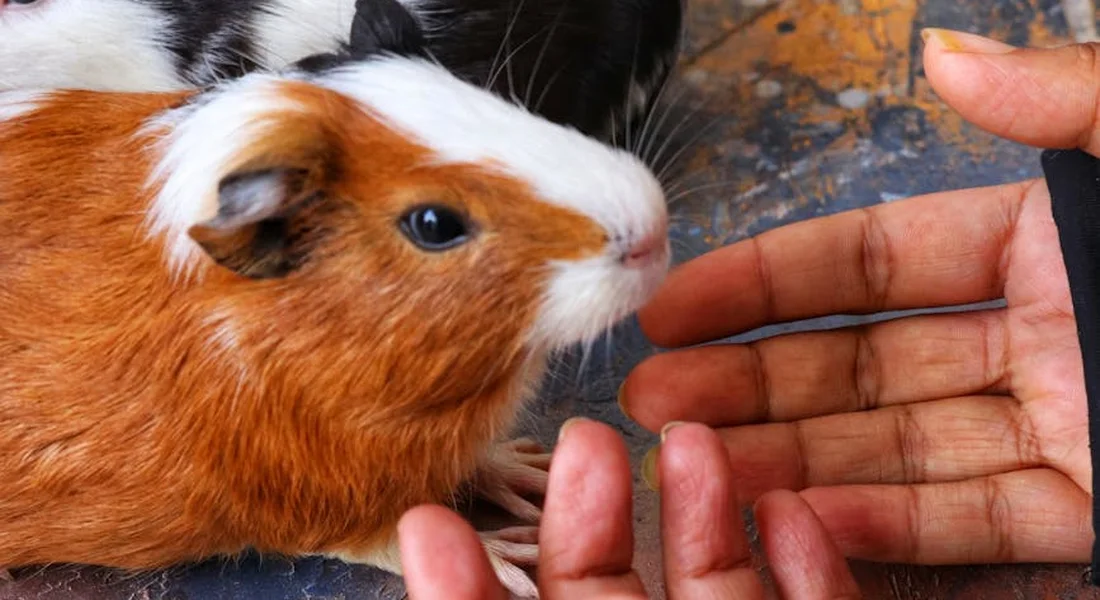
My guinea pig Biscuit once gave me a sharp nip when I tried to lift her from a cozy hideout. Sudden bites during handling usually mean your guinea pig feels startled or unsafe. They have delicate spines and dislike being grabbed from above like a predator would.
I learned to approach slowly and scoop from below, supporting their entire body. Always let your guinea pig see and sniff your hands before you attempt to pick them up. This builds trust and reduces those fearful nips.
- Move your hands slowly and predictably to avoid startling them.
- Support their entire body, keeping their feet feeling secure.
- Never grab from above; let them walk onto your hands or use a cozy tunnel for transport.
Nibbling on Fingers and Clothes
My curious guinea pig Clover often gently mouths my fingers or tugs on my shirt sleeve. This exploratory nibbling is how they investigate the world, much like human babies putting things in their mouths. It’s rarely aggressive.
Your fingers might smell like their favorite veggies, or your clothes feel interesting to tug. Gentle nibbles are a form of communication and curiosity, not an attempt to hurt you. I always wash my hands before handling to remove any tempting food smells.
- They are testing textures and smells to understand their environment.
- Your skin might have residual salt or food scents that intrigue them.
- Fabric can be fun to pull and chew, similar to hay or bedding.
Health Issues Linked to Biting and Nibbling
Identifying Pain and Discomfort
I noticed my usually gentle guinea pig, Pepper, became irritable and nippy. A sudden change in behavior, like new biting, can be the first sign your pet is in pain. It was a dental issue making her uncomfortable.
Watch for other clues like changes in eating habits, hunched posture, or reluctance to move. Guinea pigs are prey animals and instinctively hide weakness, so biting might be their only way to say “something hurts.” A vet visit is crucial to rule out problems like arthritis, bladder stones, or tooth pain. Recognizing signs of pain or illness in guinea pig behavior helps you seek care earlier. Paying attention to subtle changes in activity, vocalization, or grooming can be crucial early indicators.
- Look for flinching or vocalizing when you touch a specific area.
- Monitor if they are eating less, drooling, or having difficulty chewing.
- Notice any lethargy or hiding more than usual, paired with nipping.
Parasites and Skin Conditions
Constant scratching and nibbling at their own skin can sometimes be redirected toward your hands. Parasites like mites or lice cause intense itching, making your guinea pig miserable and more likely to bite.
Check for patchy fur loss, red skin, or visible scabs, especially along the back. Skin infections or fungal issues like ringworm also cause significant discomfort that can lead to defensive biting. I always do a quick visual health check during lap time to catch these issues early.
- Mites burrow under the skin, causing severe pain, not just itching.
- Lice and their eggs (nits) can sometimes be seen along the hair shafts.
- Fungal infections may present as circular, crusty patches of lost fur.
Training and Bonding to Reduce Biting

Building Trust with Your Guinea Pig
When my guinea pig Pepper first nibbled my finger, I realized it was her way of saying she felt unsure. Building trust starts with consistent, gentle interactions that show you mean no harm. I spend a few minutes each day sitting near their cage, letting them sniff my hand without sudden moves.
Offer small treats like a piece of bell pepper or cilantro from your palm to encourage positive associations. Patience pays off as your guinea pig learns to see your hand as a source of good things, not threats. With Clover, who’s more thoughtful, I noticed she stopped nibbling once she associated my voice with calm handling.
- Handle your guinea pig daily for short periods, supporting their entire body to prevent fear.
- Speak in a soft, reassuring tone to help them recognize you as a friend.
- Use treat rewards to reinforce calm behavior, avoiding forceful grabs.
Over weeks, Biscuit went from reserved to eagerly approaching my hand for snacks. Trust-building transforms biting into gentle nudges as your bond deepens.
Environmental Enrichment for Better Behavior
A bored guinea pig is more likely to nip out of frustration or curiosity. Enriching their living space with toys and hideouts keeps their minds active and reduces stress-related biting. I rotate tunnels and chew toys in their cage to mimic natural foraging. Explore more in the ultimate guide to guinea pig foraging toys and activities, where you’ll find a wide range of ideas to stimulate their foraging instincts. Here you’ll find practical setups, DIY toy ideas, and tips for lasting enrichment.
Include items like cardboard tubes or safe wooden blocks to satisfy their chewing instincts. Varied textures and sounds in their environment help channel energy into play, not nibbling. For Clover, adding a cozy fleece bed made her feel secure, cutting down on anxious bites.
- Provide hiding spots like small huts or fleece pouches for a sense of safety.
- Introduce new smells and sounds occasionally, such as rustling paper or herb sprigs.
- Ensure ample space for exercise to prevent pent-up energy that leads to biting.
Watching Pepper explore her enriched cage, I saw her nibble habits fade as she focused on fun. A stimulating home encourages healthy behaviors and strengthens your connection.
Safety and First Aid for Guinea Pig Bites
If a bite happens, stay calm to avoid startling your pet further. Immediately wash the wound with soap and warm water to prevent infection, as guinea pig mouths can carry bacteria. I keep a first aid kit handy with antiseptic and bandages for quick care.
Apply gentle pressure if bleeding occurs and cover with a clean bandage. Monitor for redness or swelling and consult a doctor if signs of infection appear, especially for deep bites. When Biscuit nipped me once, I cleaned it right away and it healed without issues.
- Clean the bite area thoroughly and avoid harsh chemicals that could irritate skin.
- Use an antibiotic ointment if needed, and change dressings daily until healed.
- Never punish your guinea pig, as this can damage trust and increase fear-based biting.
Remember, bites are often a communication mishap, not aggression. Proper first aid ensures both you and your guinea pig stay safe and healthy through minor incidents. By taming your guinea pig and practicing safe, gentle restraint, you can handle them more confidently and reduce bite risk. This helps during routine care, grooming, and vet visits.
FAQs
What are the symptoms of an infected guinea pig bite?
Watch for redness, swelling, or pus around the bite area, which could indicate an infection. If you develop a fever or the pain worsens, seek medical advice to prevent complications.
How is guinea pig mites treated?
Mites are usually treated with veterinarian-prescribed medications like ivermectin, applied topically or orally. Follow the full treatment plan and clean the cage thoroughly to eliminate mites and prevent reinfestation.
What should I do if a guinea pig bite draws blood?
Clean the wound immediately with soap and warm water to reduce bacteria and infection risk. Apply an antiseptic and cover it with a sterile bandage, monitoring for any signs of redness or swelling.
Why do guinea pigs bite and chew on objects like cage bars?
Chewing on objects helps grind down their ever-growing teeth and satisfies natural exploratory behaviors. Offer safe alternatives like wooden chew toys to protect their dental health and reduce destructive habits.
Can guinea pig bites transmit diseases to humans?
Guinea pig bites rarely transmit diseases, but they can introduce bacteria that may lead to local infections. Always clean bites thoroughly and consult a healthcare provider if you notice unusual symptoms like persistent swelling.
Building a Bite-Free Bond With Your Guinea Pig
The key takeaway is that guinea pigs communicate through their teeth, so interpreting their nibbles and responding with calm patience is your most powerful tool. Always move slowly, respect their space, and offer healthy treats to build a foundation of trust instead of fear. By tuning into those cues and responding with calm, you can strengthen the bond between you and your guinea pig. Understanding their emotions—recognizing when they’re content, anxious, or curious—lets you support them with care and build lasting affection. You can learn more about this aspect of their behavior by reading about Understanding their emotions.
Being a great guinea pig owner means committing to lifelong learning about their unique needs and ensuring their habitat is a safe, enriching space. I encourage you to explore more eco-friendly care options, like using paper-based bedding, to keep your pet healthy and our planet a little greener. Understanding guinea pig nesting behavior helps you tailor bedding choices and nesting spots for comfort. A well-planned nest supports warmth, security, and natural nesting tendencies.
Further Reading & Sources
- Why Does Your Guinea Pig Bite and How Can You Stop It?
- r/guineapigs on Reddit: Guinea pig bites people
- Do Guinea Pigs Bite | Kaytee
- How To Train A Guinea Pig Not To Bite | Training Your Guinea Pigs
Kate is a passionate guinea pig owner and advocate for small pet welfare. With over a decade of experience caring for guinea pigs, she has become a trusted voice in the small pet community.
Uncategorized