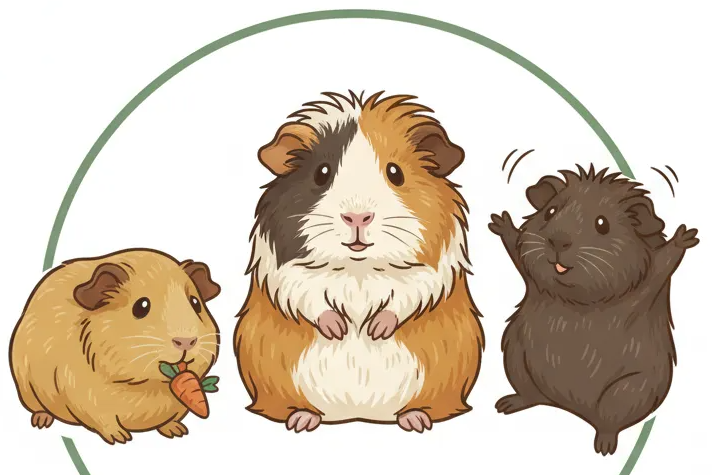
What Does Guinea Pig Cage Aggression Look Like and How Do You Stop It?
Published on: March 18, 2026 | Last Updated: March 18, 2026
Written By: Kate M. Callahan
Hello CavyFam! Have you noticed your guinea pigs chasing, nipping, or rumbling at each other in their cage, leaving you worried about their well-being?
Seeing your furry pals show tension can feel unsettling, but spotting the early clues helps you step in with care.
We will explore common aggression signs, root causes like space or hierarchy issues, and gentle steps to restore peace.
With years of hands-on experience raising guinea pigs like gentle Pepper and thoughtful Clover, I have tackled these situations firsthand while prioritizing their comfort.
Understanding Guinea Pig Cage Aggression
Guinea pig cage aggression isn’t about a bad personality; it’s a natural response to feeling their territory is threatened. I’ve learned from my own herd that this behavior usually stems from stress, fear, or competition for limited resources. In nature, their instinctive defense against predators—thumping, freezing, and seeking cover—often shows up as vigilance in the cage. Recognizing these defense cues helps explain why they react defensively when escape routes feel blocked. Think of their cage as their entire world. When that world feels cramped or insecure, even the gentlest pig can become defensive.
My guinea pig, Clover, is normally graceful and thoughtful, but she once became very tense when I temporarily housed her with a new, younger pig. The core triggers often boil down to a few key issues:
- Insufficient Space: Cramped quarters force constant interaction, leaving no room for a pig to retreat and have alone time.
- Limited Resources: Having only one of a critical item, like a food bowl, water bottle, or prized hiding hut, creates instant competition.
- Introducing New Cage Mates: A new pig is an intruder in an established pig’s eyes, disrupting the social hierarchy.
- Boredom and Lack of Enrichment: A boring cage with nothing to do can lead to frustration that gets taken out on a cage mate.
Recognizing the Signs of Cage Aggression
Catching the early, subtle warnings is far better than dealing with a full-blown fight. Learning to read their body language has been the single most important skill for keeping my trio-Pepper, Clover, and Biscuit-living in harmony. Their quiet natures mean problems often start small before they escalate.
Subtle Warning Signs
These are the behaviors you’ll see first. They are the guinea pig equivalent of a firm “back off.”
- Rumbling and Purring: A deep, vibrating rumble is not a happy sound. It’s a dominant vocalization, often accompanied by a slow, swaying walk.
- Nose-Offs and Chin Raising: You’ll see them press their noses together, each trying to push the other’s head up. This is a test of dominance.
- Tooth Chattering: This rapid clicking sound is a clear warning. It’s their way of saying, “I am armed and not happy.”
- Stiff Posture and Staring: A frozen, tense body with a fixed stare at the other pig signals high alert and potential conflict.
Obvious Aggressive Actions
If the subtle warnings are ignored, the behavior can become more direct and dangerous. Any sign of biting, lunging, or fur pulling means you need to intervene immediately to prevent injury.
- Lunging and Chasing: One pig will aggressively dart at the other, causing the subordinate pig to flee.
- Biting and Nipping: This is a serious escalation. It can happen on the ears, back, or rump.
- Mounting for Dominance: While sometimes normal, frequent, forceful mounting is an act of aggression, not mating.
- Fur Pulling and Barbering: A dominant pig may literally chew the fur off its cage mate’s back or sides.
- Cornering and Blocking: An aggressive pig will prevent the other from accessing food, water, or hideouts.
Common Causes of Guinea Pig Aggression
Guinea pigs are usually peaceful, but aggression can flare up for clear reasons. Recognizing the trigger is your first step toward restoring harmony in the cage, especially when it comes to food-related disputes. I’ve seen this firsthand with my own trio-Pepper, Clover, and Biscuit-whose squabbles taught me a lot about their needs.
Territorial Disputes
Your guinea pigs see their cage as their kingdom. A cage that’s too small is a major stressor. Insufficient space forces them to compete for every resource, turning roommates into rivals. I noticed a big change when I upgraded my herd’s living quarters; the extra square footage gave everyone room to breathe. For new guinea pig owners, getting the best cage setup is the first step in a helpful beginner’s guide. This guide will cover space, layout, and safe materials to keep them happy and healthy.
Establishing Dominance
Some bickering is normal as pigs figure out who’s in charge. You might see:
- Rumbling, strutting, and gentle nudging
- Nipping and mounting to assert a position in the group
- Chasing that doesn’t lead to full-blown fights
This social negotiation is natural, but it should not escalate into violent, injurious behavior.
Resource Guarding
Competition over food, water, or prized hiding spots is a common spark. Having only one of a critical item, like a single food bowl, practically guarantees conflict. I solved this for my group by placing multiple identical hay racks and hideys throughout their enclosure, which eliminated the need to fight over the “best” one.
Personality and Health
Sometimes, the issue is individual. A sudden onset of aggression in a normally calm pig can be a red flag for pain or illness. Always rule out health problems with a veterinarian before addressing the behavior, as discomfort can make any animal irritable. My pig Biscuit once became unusually snappy, and a vet visit revealed a minor dental issue that was easily treated.
How to Stop Cage Aggression: A Step-by-Step Guide
Once you’ve identified the cause, you can take direct action. Patience and consistency are your most powerful tools for resolving guinea pig disputes. If your guinea pigs aren’t getting along, start by observing their interactions and separating them temporarily if needed. Then follow a calm, gradual reintroduction plan to help them settle. Here is the process I follow to keep my own herd living peacefully together.
Step 1: Assess and Upgrade the Cage
Start with their environment. The minimum cage size for two guinea pigs is about 7.5 square feet, but bigger is always better. This topic is covered in a complete space requirements guide detailing how much space guinea pigs need. A full guide explains cage size by number of pigs and practical layout tips for maximizing usable space.
- Measure your current cage. If it’s too small, upgrade immediately.
- Ensure the cage has an open floor plan, not a maze of narrow tunnels.
- Add a second level or a loft to maximize usable space.
A spacious cage is the single most effective change you can make to reduce tension.
Step 2: Duplicate All Resources
Eliminate the need to compete. Provide:
- Two food dishes and water bottles placed far apart
- Multiple piles of hay or several hay racks
- At least two, or ideally three, identical hideouts
When every pig can access what they need without confrontation, the motivation to fight disappears. These basics align with boredom busters: 20 safe, engaging enrichment ideas for guinea pigs to keep them mentally active. I use simple cardboard boxes as extra, disposable hideys that my pigs love.
Step 3: Supervise and Interrupt Gently
If a scuffle breaks out, you can intervene safely.
- Distract them with a loud, sharp noise like a hand clap.
- Place a small towel or piece of cardboard between them to break their line of sight.
- Never use your bare hands to separate fighting pigs, as you could be bitten.
The goal is to stop the immediate conflict and allow them to calm down in a neutral space.
Step 4: Try a “Buddy Bath”
This is a trusted technique for resetting a rocky relationship. The shared, slightly stressful experience of a bath can help them bond.
- Give both pigs a shallow, lukewarm bath together using a small animal-safe shampoo.
- Dry them completely side-by-side with separate towels.
- Place them back into a freshly cleaned and rearranged cage.
The new, shared scent and clean territory can help them see each other as allies instead of adversaries. I’ve done this with Clover and Biscuit after a bad spat, and it worked wonders.
Step 5: Know When to Separate
Your pigs’ safety is the top priority. Separation is necessary if you see:
- Biting that draws blood or causes injury
- Relentless, vicious chasing with no breaks
- One pig preventing another from eating or drinking entirely
You can use a divider in a large cage so they can still see and smell each other safely. Sometimes, a temporary break is all that’s needed for tempers to cool.
Preventing Cage Aggression in Your Herd
I’ve found that preventing squabbles is far easier than stopping them once they start. My three girls-Pepper, Clover, and Biscuit-live together peacefully because I built their home around their needs from day one. It’s all about creating an environment where competition feels unnecessary.
Give Them Generous Living Space
The single biggest factor for peace is cage size. A spacious cage allows each guinea pig to claim a little territory and retreat when they need a break. For my trio, I use a cage that far exceeds the minimum recommendations. Think of it like a small apartment versus a cramped studio-everyone is happier with more room to breathe.
- Aim for at least 10.5 square feet for two guinea pigs, adding 2+ more square feet for each additional pig.
- Use a single-level cage with an open floor plan to prevent one pig from guarding a ramp or loft.
- Ensure the cage has wide, open areas for group zoomies and cozy corners for private naps.
Create Multiple Safe Havens
Every pig needs a place to call their own. Provide at least one hidey-house, food bowl, and water source per pig, plus one extra. This simple strategy eliminates the need to fight over resources. I learned this after noticing Clover would hover near the single food dish, making Biscuit nervous.
- Place hideouts with multiple entrances so no one gets trapped inside.
- Space food and water stations far apart in different corners of the cage.
- Scatter hay piles in several locations to encourage natural foraging behavior.
Enrich Their Environment
A bored guinea pig is often a grumpy guinea pig. Regularly rotating toys and introducing new tunnels keeps their minds active and reduces tension. In the ultimate guide to guinea pig foraging toys and activities, these ideas show how enrichment can be simple yet effective. Foraging-focused play turns exploration into tasty rewards and keeps their minds busy. My herd loves when I drape a fleece forest over one corner or add a new cardboard castle to explore. It gives them something novel to investigate together.
- Use paper bags, toilet paper tubes, and untreated willow balls as cheap, chewable toys.
- Rearrange the cage layout weekly during cleanings to keep the environment fresh and stimulating.
- Schedule daily floor time in a secure, pig-proofed area for essential exercise and social bonding.
Handling Specific Aggression Scenarios
Even with perfect prevention, disagreements can happen. Knowing how to respond calmly and effectively can stop a minor tiff from escalating into a serious fight. I’ve had to gently intervene with my own herd a few times, and it always comes down to reading their body language.
Food Guarding and Mealtime Tension
This is one of the most common issues I see. If one pig is lunging or chattering teeth over veggies, immediately provide separate feeding stations. For my girls, I now place lettuce leaves in three different spots. This stops Biscuit, who can be a bit reserved, from getting pushed away from the food pile.
- Scatter vegetable pieces widely across the cage floor instead of using one bowl.
- Hand-feed a small, high-value treat (like a slice of bell pepper) to the subordinate pig to ensure they get their share.
- Stay nearby during mealtimes to monitor behavior and gently block any attempts to steal food.
Chasing and Nipping
A short chase is normal dominance behavior, but persistent chasing is stressful. Interrupt prolonged chasing by placing a small cardboard partition in the cage for a brief, 10-minute cool-down period. I did this when Pepper was once relentlessly following Clover. The short break allowed both to reset and de-escalate.
- Add more visual barriers like fleece forests or low-sided hideouts to break the line of sight.
- Ensure the pig being chased has an easy escape route and multiple places to hide.
- Never use your bare hands to separate them, as you could get bitten; gently herd them apart with a piece of cardboard.
Rumblestrutting and Nose-Offs
This comical-looking behavior, where a pig vibrates and sways while walking, is a classic dominance display. As long as it doesn’t lead to biting or full-blown fights, rumblestrutting is usually a harmless way for them to sort out their hierarchy. My steady Pepper does this sometimes, and the others just move out of her way. It’s their way of communicating.
- Allow them to work it out unless you see raised hackles, bared teeth, or actual physical contact.
- Distract them by rustling a veggie bag or introducing a new tunnel to redirect their focus.
- If the behavior is constant and one pig seems stressed, consider if the cage is large enough and has sufficient resources.
FAQs
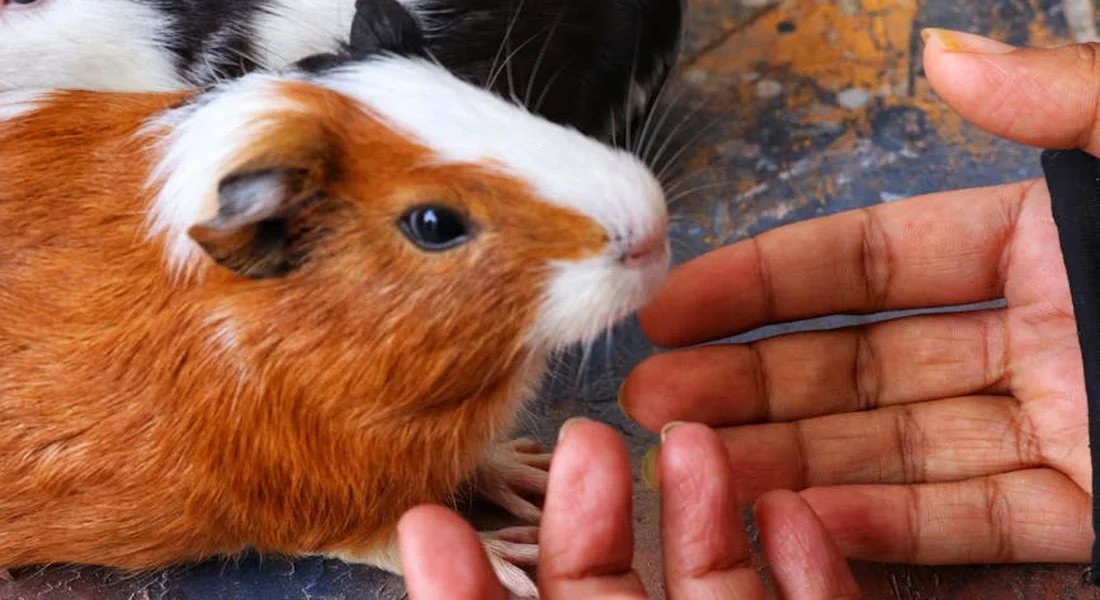
Why do guinea pigs sometimes bite or nip at their owners?
Guinea pigs may bite due to fear, pain, or feeling threatened during handling. Always approach them gently and check for health issues to reduce this risk. Proper care for guinea pigs means handling them gently and keeping their living space safe. Regular health checks and calm handling help prevent bites.
Are female guinea pigs more prone to aggression than males?
Female guinea pigs can show strong territorial behaviors, especially when establishing social order. However, individual personality and environment play bigger roles than gender alone. Understanding guinea pig dominance and the hierarchy they form can help explain these patterns. Observing social interactions reveals who leads and who yields.
What does it mean when a guinea pig chatters its teeth?
Teeth chattering is a clear warning that a guinea pig is agitated or defensive. It signals potential escalation to more aggressive actions if the threat persists.
Can lack of exercise lead to cage aggression?
Yes, insufficient physical activity can cause pent-up energy and frustration in guinea pigs. Providing daily floor time and interactive toys helps prevent this buildup.
How can I tell if my guinea pig is being aggressive or just playful?
Playful interactions involve loose, bouncy movements and brief chases, while aggression includes stiff postures and relentless pursuing. Observing their overall demeanor and vocalizations clarifies their intent.
Your Path to a Peaceful Cage
Recognize early signs of tension, like chasing or teeth chattering, and act quickly to adjust their environment. Based on my time with gentle Pepper and graceful Clover, increasing space and adding multiple food bowls can turn a stressed cage into a calm, happy home.
Commit to lifelong learning about guinea pig needs, from diet to habitat, to ensure their well-being. I always choose eco-friendly bedding and toys for Biscuit, which keeps her comfortable while reducing waste and supporting a healthier planet. In the ultimate guide to safe bedding options for guinea pigs, you’ll learn which materials are safest and how to maintain a clean, cozy enclosure. These choices protect their health and simplify daily care.
Further Reading & Sources
- What to Do When Your Guinea Pigs Fight – GuineaDad
- r/guineapigs on Reddit: Guinea pigs suddenly aggressive after being bonded for 4+ years
- Are Guinea Pigs Aggressive? | Information and Guide – Guinea Pig Tube
- 10 Common Guinea Pig Behaviors Explained | Chewy
Kate is a passionate guinea pig owner and advocate for small pet welfare. With over a decade of experience caring for guinea pigs, she has become a trusted voice in the small pet community.
Uncategorized