7 Money-Wasting Mistakes in Guinea Pig Care
Hello CavyFam! Are you worried your guinea pig budget is spiraling out of control? You might be overspending without even realizing it.
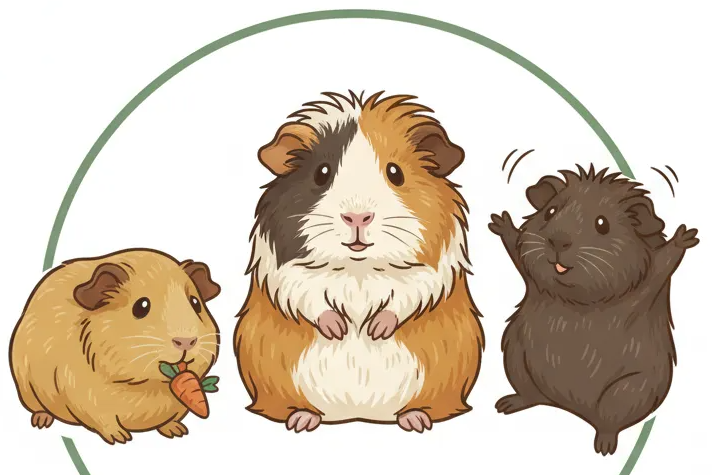
I’ve spent years caring for my own guinea pigs-Pepper, Clover, and Biscuit-and I’ve learned exactly where money tends to disappear. In this article, we’ll tackle the sneaky financial pitfalls so you can provide amazing care without wasting cash.
We’ll cover: buying the wrong cage, overspending on bedding, choosing expensive food, unnecessary toys, incorrect hay, skipping vet check-ups, and impulse buying accessories.
My hands-on experience with my own herd gives me real insight into what works and what wastes your hard-earned money.
Overpaying for Everyday Guinea Pig Essentials
Many pet owners unknowingly spend extra on guinea pig supplies that have cheaper, equally effective alternatives. From my years caring for Pepper, Clover, and Biscuit, I’ve found that smart shopping can cut costs without compromising their well-being. Always prioritize quality and safety, but avoid paying premium prices for basic items.
Common overpriced essentials include cages, bedding, and toys. Branded products often carry high markups, while generic versions work just as well for daily use. For instance, spacious cages don’t need to be expensive if you opt for DIY or unbranded options that meet size guidelines.
- Price shopping: Compare prices online and in pet stores-websites often have discounts or bundle deals.
- Bulk buying: Purchase bedding and hay in larger quantities to save per unit; this reduces frequent trips and costs.
- Avoiding branded markups: Choose store-brand pellets or toys over name brands, as they meet the same nutritional and safety standards.
Here’s a quick cost comparison for top supplies based on my experience and market research:
| Item | Branded Cost | Generic/Bulk Cost |
|---|---|---|
| Cage | $80-$150 | $40-$80 |
| Bedding (per month) | $20-$30 | $10-$15 |
| Toys | $5-$15 each | $2-$8 each |
| Hay (monthly) | $15-$25 | $8-$12 |
Buying in bulk for my trio has slashed my monthly expenses, letting me allocate more to their health needs. Remember, guinea pigs like Clover thrive on consistency, so stick to safe, budget-friendly choices.
Neglecting Preventive Vet Care That Saves Money
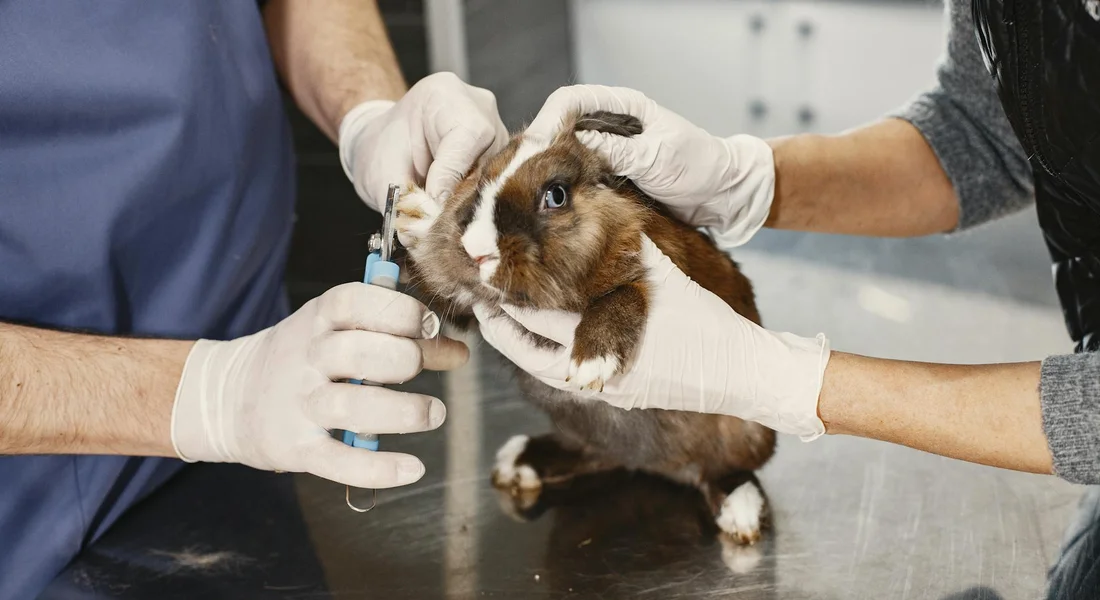
Skipping routine vet visits might seem like a money-saver, but it often leads to pricier emergencies down the line. Preventive care catches issues early, reducing the risk of costly treatments and ensuring your guinea pig’s comfort. I learned this when a simple check-up for Biscuit spotted a minor dental problem before it worsened. It reinforced the importance of regular vet visits for guinea pigs.
Regular check-ups help monitor weight, teeth, and overall health, which is vital for breeds like Abyssinians and Peruvians. Emergency vet bills can easily exceed $200, while a routine visit averages $50-$80. Investing in prevention supports animal welfare by keeping your pet healthy and stress-free.
Follow these steps to manage vet costs effectively:
- Set up a vet fund: Start small, like $10-$20 per month, in a dedicated savings account for unexpected health issues.
- Consider insurance: Research pet insurance plans that cover guinea pigs; some cost $10-$30 monthly and can save hundreds in emergencies.
- Budget for common procedures: Spaying or neutering ranges from $100-$300, while dental care can be $50-$150 if caught early.
Building a vet fund has given me peace of mind, knowing Pepper, Clover, and Biscuit are protected without financial strain. Schedule annual exams and watch for signs like changes in appetite or behavior to avoid surprises.
Wasting Cash on Fancy but Unnecessary Accessories
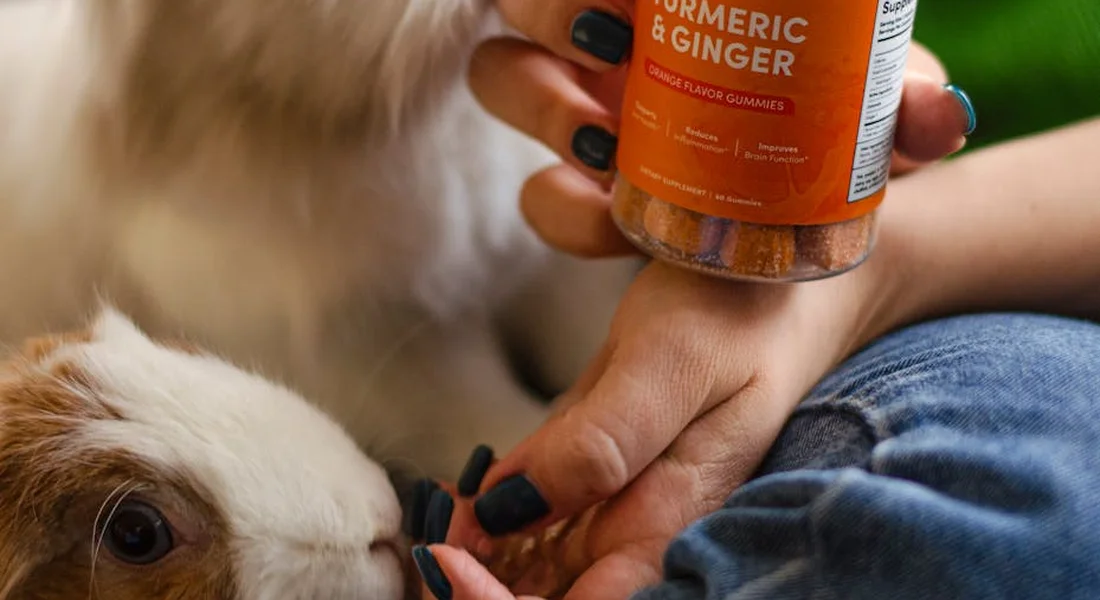
I’ve seen so many adorable guinea pig costumes and themed hideouts in pet stores, but my herd—Pepper, Clover, and Biscuit—couldn’t care less. Guinea pigs are prey animals by nature, and forcing them into costumes or complex decorative hides often causes more stress than joy, which is something to be mindful of when assessing their happiness.
Pepper, my steady American, once froze completely when I tried a simple holiday bandana. That’s when I realized these purchases are for us, not them.
Smart, Simple Alternatives
- Paper bags or cardboard boxes make excellent, free hideouts. My trio loves chewing and rearranging them.
- Use old fleece blankets or towels instead of expensive, plush-lined beds. They’re just as cozy and easier to wash.
- Create tunnels from empty oatmeal containers or PVC pipes from a hardware store.
Cost Comparison: Store-Bought vs. Homemade
| Item | Petsmart/Amazon Price | DIY Cost |
|---|---|---|
| Small Animal Costume | $12 – $25 | $0 (Skip it!) |
| Decorative Wooden Hide | $20 – $40 | $0 (Cardboard box) |
| Fleece Forest/Tunnel | $15 – $30 | $3 (Fleece scrap) |
Redirect that accessory budget toward higher-quality hay or a vet fund-your piggies will be much healthier and happier for it.

Mismanaging Food and Hay Expenses
When I first got Clover, I was buying tiny, overpriced bags of hay and pellets from the grocery store. This is one of the easiest ways to drain your wallet without providing better nutrition.
Biscuit, my reserved Peruvian, is a notoriously picky hay eater. Wasting expensive, low-quality hay was a weekly frustration.
Buy Hay in Bulk for Major Savings
- Look for local farm supply stores or online retailers that sell by the bale.
- A 50-pound bale of Timothy hay costs roughly $20-$30, compared to $15 for a 2-pound bag at a pet store.
- Store excess hay in a cool, dry place inside a large plastic bin to maintain freshness.
A single bale can last my three guinea pigs for months, slashing our hay budget by nearly 80%.
Reduce Fresh Veggie Waste
- Buy seasonal vegetables-they’re cheaper and often fresher.
- Chop and freeze bell pepper slices or cilantro in portion-sized bags.
- Always wash and dry greens thoroughly to extend their fridge life.
Grow Your Own Guinea Pig Garden
You don’t need a big yard. A few pots on a windowsill can provide a steady, free supply of safe herbs and greens.
- Cilantro and parsley grow quickly from seed and are guinea pig favorites.
- Leaf lettuce and wheatgrass are other easy, affordable options.
- My pigs go wild for the fresh wheatgrass I grow in a shallow tray.
Growing even a small portion of their greens builds a deeper connection to their care and puts money back in your pocket.
Choosing Inefficient Cage and Bedding Options
Many guinea pig owners waste cash on cages and bedding that fall apart or need constant replacing. Selecting durable, cost-effective materials can slash your expenses and keep your pets safe and content for years. With Pepper, Clover, and Biscuit in my care, I’ve tested various setups and found that investing wisely upfront pays off big time. That includes learning how to build the perfect guinea pig cage from the ground up. I’ll share practical tips to set up a cage that’s safe, durable, and easy to clean.
Compare housing materials to avoid frequent buys:
- Plastic cages: They seem cheap initially but often crack or get chewed up fast. Metal cages with coated finishes resist damage better and last longer.
- Wooden enclosures: These can warp or mold if not sealed properly, forcing you to spend more on repairs or replacements.
Pick bedding that cuts down on waste and costs:
- Fleece liners: Reusable and easy to wash, they save money over disposable options. My guinea pigs, like gentle Pepper, love how soft they feel.
- Paper-based bedding: It’s affordable and absorbent but needs changing often. Aspen shavings are a sturdy choice that reduces dust and odors compared to pricier alternatives.
Smart cage setups boost energy efficiency by reducing cleaning frequency. Larger, well-ventilated cages like C&C styles prevent quick buildup, meaning fewer deep cleans and lower utility bills. I use one for my trio, and it has held up through many playful antics with minimal upkeep.
Embracing DIY for Enrichment and Grooming
Store-bought toys and grooming gear can drain your funds, but homemade projects are simple and save you a bundle. Crafting your own items lets you tailor fun and care to your guinea pig’s unique traits while keeping costs low. I often make toys for Clover, who’s graceful and thoughtful, and she adores the personal touch. If you’re gearing up for grooming, an essential guinea pig grooming tools supplies checklist can keep you organized. Having the right brushes, nail clippers, and safe cleaning supplies on hand makes routines smoother.
Follow these steps to create a homemade hidey toy:
- Grab an empty cardboard box, like a shoebox, and cut a small entrance hole.
- Line the inside with soft, old fabric for comfort and safety.
- Place it in the cage for hiding and play, refreshing it as needed.
This project costs nothing and provides endless entertainment without store prices.
Build a DIY grooming brush with household items:
- Find a clean, soft-bristled brush you no longer use for hair.
- Sanitize it with warm water and mild soap to ensure it’s pet-safe.
- Gently brush your guinea pig in the direction of their fur to reduce mats and bond.
Homemade grooming tools are gentle on sensitive skin and free if you repurpose what you already own. I’ve used this with Biscuit, who’s reserved but intelligent, and it keeps her coat shiny without stress.
Easy DIY ideas to swap for expensive store items:
- Cardboard tubes stuffed with hay for chewing and exploration.
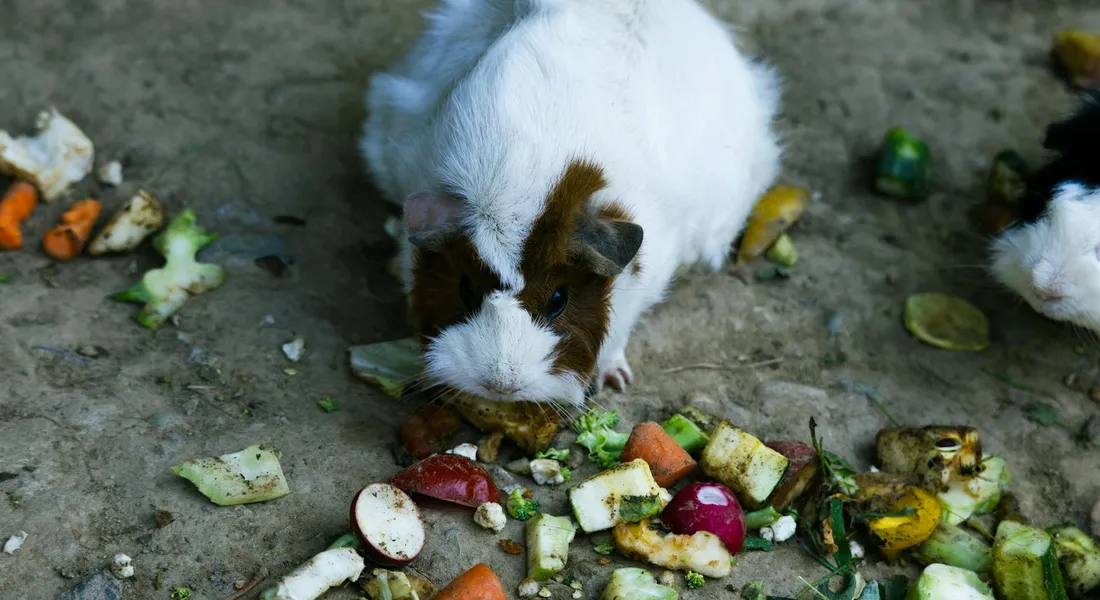
- Homemade veggie treats from kitchen scraps, avoiding costly packaged snacks.
- Fleece scraps sewn into small blankets for cozy nesting spots.
Crafting a Sustainable Guinea Pig Care Budget
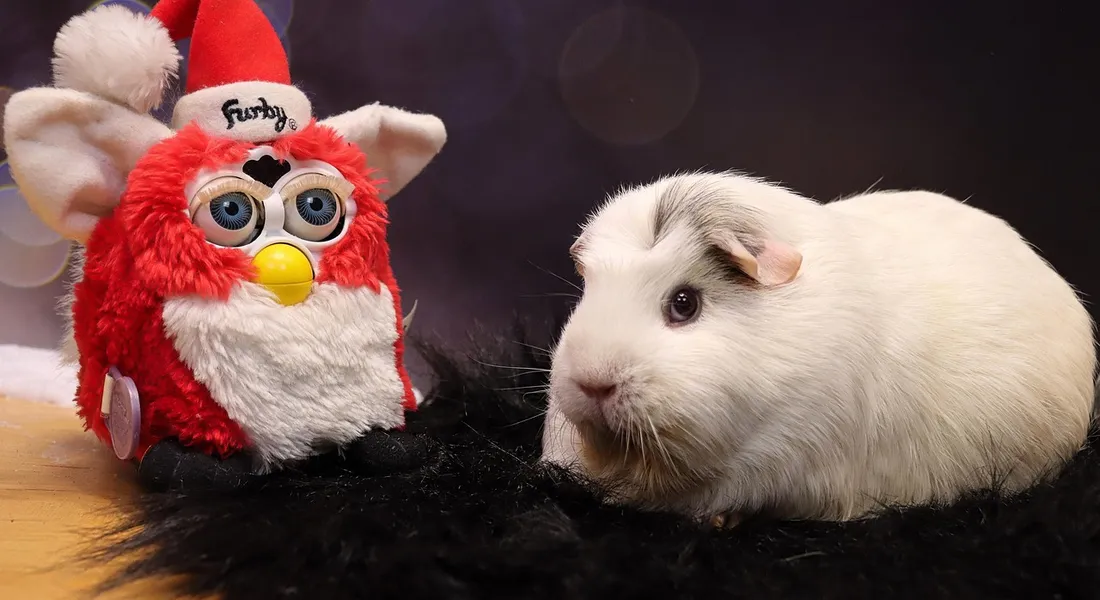
Creating a budget for your guinea pigs isn’t just about saving money—it’s about ensuring they live happy, healthy lives without financial stress. When I started tracking expenses for Pepper, Clover, and Biscuit, I realized how small costs piled up into big surprises. Let’s map out a simple way to calculate your monthly and annual spending, so you can avoid common money traps. Think in terms of must-have vs nice-to-have supplies for guinea pigs. Prioritize essentials like hay, fresh water, shelter, and vet care, and treat extras as optional.
Begin by listing all recurring and one-time costs. I use a basic spreadsheet or notebook to jot down everything from hay to vet visits, which keeps me accountable and prepared. Here’s a sample table to guide you, based on my experience with three guinea pigs over the years.
| Expense Type | Estimated Monthly Cost | Estimated Annual Cost |
|---|---|---|
| High-Quality Hay and Pellets | $25 | $300 |
| Fresh Vegetables (like bell peppers and leafy greens) | $20 | $240 |
| Bedding (paper-based or fleece for comfort) | $15 | $180 |
| Routine Vet Check-ups and Preventive Care | $40 | $480 |
| Toys, Hideouts, and Enrichment Items | $10 | $120 |
| Emergency Vet Fund Contribution | $20 | $240 |
Adjust these numbers based on your guinea pigs’ needs and local prices. Proper care also means budgeting for their basic needs—quality hay, balanced pellets, fresh veggies, and a safe, comfy living space. For instance, Clover’s gentle nature means she chews less on toys, saving me a bit on replacements. Track your actual spending for a month to spot patterns and cut waste, like buying hay in bulk to reduce trips and costs.
Building an emergency fund is non-negotiable for responsible pet ownership. I aim to save at least $500 per guinea pig for unexpected health issues, which came in handy when Biscuit had a minor scare last year. Start by setting aside a small amount each month-even $15 adds up over time and gives peace of mind.
- Review your budget every three months to adjust for price changes or new needs.
- Use apps or simple tools like Google Sheets to automate tracking and avoid oversights.
- Prioritize eco-friendly options, like reusable fleece bedding, which I’ve found cuts long-term costs and reduces waste.
Remember, a well-planned budget supports your guinea pigs’ welfare by ensuring they always have what they need. With a little effort, you’ll spend smarter and enjoy more cuddle time without financial worries. Balancing budgeting with your daily routine is crucial, especially when you’re busy. Check out our tips for managing guinea pig care with a busy schedule.
FAQs
What is the average cost to purchase a guinea pig?
Guinea pigs typically cost $20 to $50 when bought from pet stores or breeders. Adopting from a shelter can be more affordable, with fees around $10 to $30, and often includes initial health checks.
Are guinea pig costumes safe and necessary for pets?
Guinea pig costumes are unnecessary and can cause stress, as these prey animals prefer natural comfort. It’s wiser to invest in essential items like high-quality hay and hideouts instead. Understanding guinea pig preferences can help you make better choices for their well-being.
How much do guinea pig costumes typically cost at Petsmart?
At Petsmart, guinea pig costumes usually range from $12 to $25 for small animal outfits. These are often frivolous purchases that don’t enhance your pet’s happiness or health.
What is the average monthly expense for guinea pig care?
Monthly costs for guinea pig care average $70 to $100, covering basics like hay, pellets, vegetables, and bedding. This estimate can vary based on your shopping habits and local supply prices. To budget effectively, lay out a realistic monthly and annual breakdown of these costs. This helps you anticipate recurring expenses and plan for occasional larger needs.
Can I buy guinea pig costumes on Amazon?
Yes, Amazon offers various guinea pig costumes, typically priced between $12 and $25. However, these are not recommended, as skipping them frees up funds for vital care needs like vet visits.
Your Path to Smarter Guinea Pig Spending
Focus on essentials like high-quality hay and safe housing to cut costs while keeping your pets healthy and content. From my time with Pepper, Clover, and Biscuit, I’ve seen how skipping pricey, unnecessary gadgets leads to happier, more budget-friendly care.
Embrace responsible ownership by always seeking new, eco-friendly ideas, such as reusable bedding or DIY toys made from household items. Your ongoing learning journey ensures a better life for your guinea pigs and a greener world for all, especially when incorporating foraging toys and activities that stimulate natural behaviors.
Further Reading & Sources
- How to Care for Your Guinea Pig: A Guide for Pet Parents | PetMD
- Guinea pig care | Animal Humane Society
- 12 Guinea Pig Care Mistakes And No-Nos – Lafeber Co. – Small Mammals
- GUINEA PIG Care – everything you should know : CottonTails Rabbit & Guinea Pig Rescue
Kate is a passionate guinea pig owner and advocate for small pet welfare. With over a decade of experience caring for guinea pigs, she has become a trusted voice in the small pet community.
Uncategorized