Senior Guinea Pig Care: A Guide for Their Golden Years
Published on: April 11, 2026 | Last Updated: April 11, 2026
Written By: Kate M. Callahan
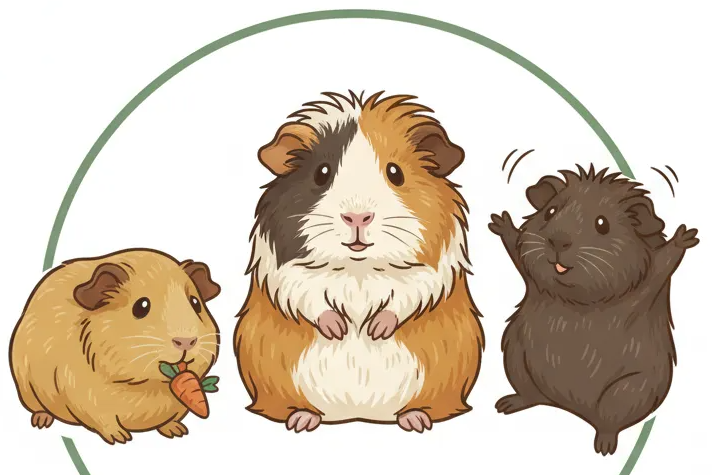
Hello CavyFam! Are you feeling unsure about how to support your guinea pig as they age? Watching my own cavies, like gentle Pepper and graceful Clover, grow older has taught me that this stage brings unique joys and challenges.
In this guide, I’ll share practical tips on diet adjustments, health monitoring, comfortable habitats, and gentle handling. I’ve nurtured my guinea pigs through their senior years, so I can help you provide loving, informed care.
Understanding Your Aging Guinea Pig
A senior guinea pig is one entering the later stages of life, where their body and habits start to change, requiring more tailored care. From my time with Pepper and Clover, I’ve seen how recognizing this phase early boosts their comfort and longevity.
Most guinea pigs hit senior status between 4 and 5 years old. This age range marks a shift where their energy levels dip and health needs become more specific. Expect changes at each stage at each life stage and tailor care accordingly. Tracking milestones helps you anticipate needs as your guinea pig grows.
Watch for these common signs of aging in your pet:
- Physical changes: Fur may gray around the face, and joints can stiffen, making movement slower.
- Behavioral shifts: They might nap more often, vocalize less, or show less interest in play.
- Daily habits: Eating or drinking patterns could change, sometimes leading to subtle weight loss.
With Clover, now 3, I notice her resting more, so I adjust her environment for extra coziness.
Essential Nutrition for Senior Health
Senior guinea pigs need a diet that supports their aging bodies, focusing on easy digestion and nutrient balance. Feeding the right mix helps prevent issues like weight drop or scurvy, which I’ve handled with Biscuit by tweaking his meals. These choices tie into the top 10 guinea pig diet mistakes that can lead to serious health issues.
Key components of a senior diet include:
- Unlimited hay: Timothy hay aids digestion and wears down teeth, reducing dental problems common in older pigs.
- Vitamin C-rich greens: Offer daily items like bell peppers or parsley to maintain immunity-Pepper adores crunchy red peppers for a vitamin boost.
- Senior-formula pellets: Choose options with lower calcium and softer texture to ease chewing and support kidney health.
Hydration plays a vital role in senior care. Keep water fresh and accessible in a clean bottle or bowl, as dehydration can worsen age-related issues quickly. I refill Clover’s water twice a day to ensure she stays hydrated.
Monitor weight and manage loss with these simple steps:
- Weigh your guinea pig weekly using a kitchen scale to catch changes early.
- Record results in a notebook to track trends and spot declines.
- If weight drops, add high-calorie supplements like critical care feed and consult a vet for guidance.
This routine has kept my guinea pigs thriving, letting me address problems before they escalate.
Monitoring Senior Guinea Pig Health
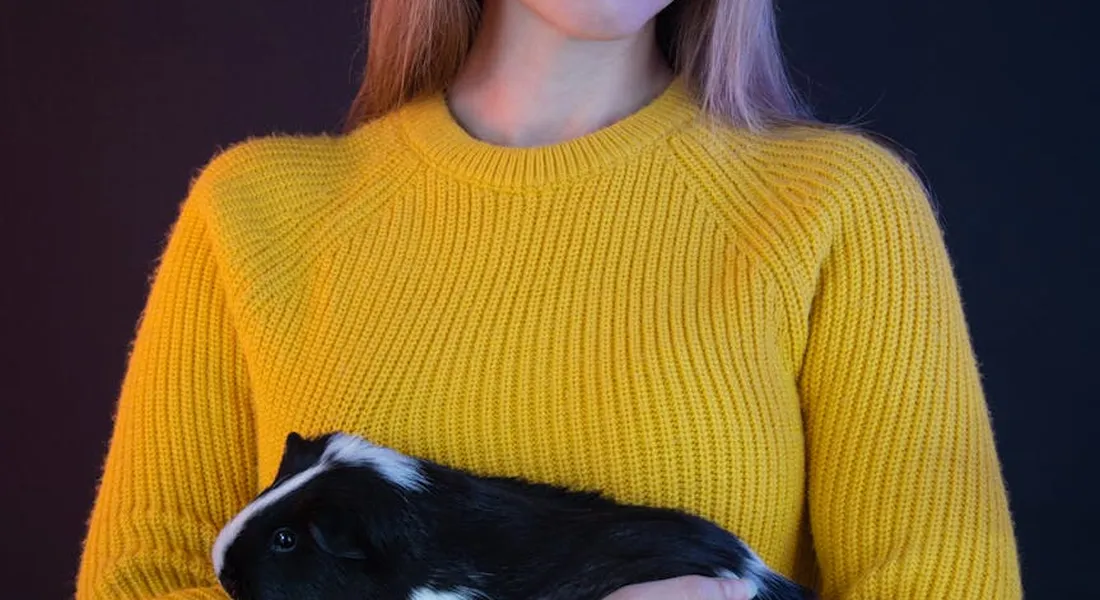
Keeping a close eye on your senior guinea pig’s health can make all the difference in their comfort and longevity. As they age, subtle changes might signal bigger issues, so your daily attention becomes their first line of defense. For aging guinea pigs, regular veterinary care is essential. Knowing common senior health issues helps you tailor daily care.
-
Common age-related health issues include arthritis, dental problems, and respiratory infections, which I’ve navigated with my own herd. Arthritis often shows as limping or reluctance to move; my guinea pig Pepper started avoiding his usual ramps, prompting me to add more padding. Dental issues, like overgrown teeth, can cause weight loss-Clover once struggled to eat hay until a vet trimmed her teeth. Respiratory infections may bring sneezing or labored breathing; Biscuit had a mild scare that taught me to watch for even slight nasal discharge.
-
A daily health check routine helps you catch problems early and ensures your pig stays happy. Start by observing their behavior for changes in activity or appetite. Gently feel their body for lumps or weight loss, and check eyes and nose for discharge. Listen for unusual sounds like wheezing, and monitor their eating and drinking habits. I do this each morning with my trio, spending a few minutes to note anything off.
-
Regular veterinary check-ups are non-negotiable for senior guinea pigs, as they can spot issues you might miss. Aim for visits every six months to catch conditions like heart disease or tumors before they worsen. From my experience, early vet intervention for Pepper’s arthritis meant we could manage his pain effectively, improving his quality of life.
Creating a Safe and Comfortable Home
Adjusting your guinea pig’s living space for their golden years boosts mobility and reduces stress. Simple tweaks can turn their cage into a cozy sanctuary that supports their changing needs.
-
Guide on adjusting housing for mobility issues involves adding ramps and low-entry hideouts to ease movement. Replace steep ramps with gentle, textured ones to prevent slips-I use non-slip mats on Pepper’s ramps. Choose hideouts with wide openings so arthritic pigs like Clover can enter without strain. Lower food and water dishes to floor level to minimize jumping, which I’ve found keeps my herd eating well.
-
Recommend optimal bedding types that cushion joints and stay clean, like fleece liners or soft paper-based options. Avoid rough or dusty beddings that irritate respiratory systems; after trial and error, I use fleece for its softness and washability. Layer it over absorbent pads to handle messes, ensuring a dry surface that prevents sores. This setup has kept Biscuit’s delicate skin healthy and comfortable.
-
Suggest cage placement in a draft-free, temperature-stable area away from direct heat or cold drafts. Position it in a quiet part of your home to reduce stress-I keep my cage away from windows and vents to maintain a consistent environment. Ensure good ventilation without strong airflow, as sudden temperature changes can trigger health issues in seniors like respiratory troubles.
Supporting Mobility and Daily Care

As your guinea pig enters their golden years, their mobility and daily routines need extra attention to keep them comfortable and happy. Small adjustments in care can significantly improve their quality of life, as I’ve learned from tending to my own senior pigs like steady Pepper and graceful Clover. For many owners, a weekly guinea pig care routine ultimate checklist helps ensure these tweaks are applied consistently. It’s a simple framework you can adapt to your pig’s needs.
Gentle Grooming Assistance
Older guinea pigs often struggle with self-grooming, so your help is essential. Regular grooming not only keeps them clean but also strengthens your bond and lets you check for any health issues early on. In our guinea pig grooming guide, we’ll cover nail trimming and bathing basics. These steps help keep older pigs comfortable and healthy.
For nail care, follow these steps to make it stress-free:
- Choose a quiet time and place, and have small animal nail clippers, a soft towel, and favorite treats ready.
- Gently wrap your guinea pig in the towel to provide security and prevent sudden movements.
- Hold one paw softly, and trim just the tip of each nail, being careful to avoid the pink quick where blood vessels are.
- Offer a treat after trimming each paw to create a positive association and reduce anxiety.
When brushing, use a soft-bristled brush to avoid irritating their skin. For long-haired breeds like my reserved Biscuit, daily brushing prevents painful mats and keeps their coat smooth. Start at the head and move toward the tail in gentle strokes, talking calmly to reassure them.
Pain Management and Environmental Adaptations
Arthritis is common in senior guinea pigs, causing stiffness and discomfort. Watch for signs like reluctance to move, difficulty climbing, or changes in appetite, and consult a vet for pain relief options such as anti-inflammatory medications.
Adapt their habitat to ease joint stress:
- Use low-sided or ramp-equipped hides to minimize jumping.
- Provide thick, soft bedding like fleece or paper-based materials to cushion their joints.
- Place food and water dishes at ground level so they don’t have to stretch or stand on hind legs.
- Ensure their living space is warm and draft-free, as cold can worsen arthritis pain.
Maintaining Enrichment and Gentle Play
Even with reduced mobility, enrichment is vital for mental stimulation. Focus on low-energy activities that encourage exploration without strain, like hiding treats in easy-to-reach spots or offering chew toys made from safe, untreated wood.
Incorporate gentle play into their routine:
- Schedule short, supervised floor time in a secure area where they can sniff and move at their own pace.
- Use puzzle feeders to engage their mind and slow down eating, which aids digestion.
- Talk to them softly and offer hand-fed veggies to build trust and provide sensory enjoyment.
I’ve found that thoughtful Clover still enjoys sniffing new herbs or listening to calm music, which keeps her curious and content.
Navigating End-of-Life Care
Caring for a senior guinea pig in their final stages requires compassion and patience. Palliative care focuses on comfort and dignity, ensuring your pet feels loved and pain-free during this time. Being attuned to end-of-life guinea pig behavior—such as reduced activity, changes in appetite, and a preference for warmth—helps you respond with comfort. This awareness guides daily care to keep your guinea pig as peaceful and dignified as possible.
Principles of Palliative Care and Pain Management
Palliative care aims to relieve suffering through symptom control and emotional support. Work closely with your vet to manage pain with medications, and provide a cozy environment with extra soft bedding and familiar scents to reduce stress.
Key strategies include:
- Administering prescribed pain relievers consistently to maintain comfort.
- Offering easy-to-eat foods like critical care formulas or mashed veggies if chewing is difficult.
- Keeping them hydrated with a syringe or shallow dish if needed, and monitoring for dehydration signs.
Assessing Quality of Life and Recognizing Signs of Decline
Regularly evaluate your guinea pig’s well-being to gauge if they’re still enjoying life. Look for indicators like sustained interest in food, social interactions, and ability to move without obvious distress. Knowing how to tell if your guinea pigs are happy helps you respond promptly to their needs. Use these indicators as a quick check to see that they’re thriving.
Signs of decline may include:
- Persistent weight loss or refusal to eat, even favorite treats.
- Lethargy, hiding excessively, or vocalizing in pain.
- Difficulty breathing, labored movements, or incontinence.
From my experience with gentle Pepper, I kept a simple journal to track daily habits, which helped me spot changes early and discuss them with the vet.
Guidance on Making Compassionate End-of-Life Decisions
When quality of life declines significantly, it may be time to consider euthanasia to prevent suffering. This decision is deeply personal, but focusing on your guinea pig’s comfort and well-being can guide you toward a compassionate choice. If you’re weighing the guinea pig euthanasia decision, consult your veterinarian about timing and humane choices. They can help you judge pain, comfort, and the right moment to say goodbye.
Steps to help you through this process:
- Consult your veterinarian for an honest assessment of your pet’s condition and prognosis.
- Reflect on whether your guinea pig still experiences more good days than bad, based on their behavior and vitality.
- Discuss options with family or support networks, and plan for a peaceful passing, whether at home or the clinic.
Remember, choosing to end suffering is an act of love, and it’s okay to grieve and seek support during this difficult time.
FAQs
How do I adopt a senior guinea pig?
Start by contacting local animal shelters or guinea pig rescue organizations that often have older pets in need of homes. Prepare your space and research their care requirements to ensure you can provide a comfortable, loving environment for their golden years.
What are common issues with senior guinea pig feet?
Bumblefoot, a painful infection from pressure sores, is frequent and can result from hard or dirty bedding. Regularly inspect their feet and use soft, absorbent bedding to reduce risks and promote foot health.
What is a stroke in a senior guinea pig and what should I do?
A stroke involves sudden neurological issues like imbalance or paralysis due to disrupted blood flow to the brain. Seek immediate veterinary assistance and keep your guinea pig in a quiet, safe area to minimize stress while awaiting care. In guinea pigs, head tilt or balance problems can signal neurological issues. These signs require prompt veterinary evaluation to determine whether the cause is a stroke, an inner ear infection, or another problem.
Why is my senior guinea pig losing weight?
Weight loss often links to dental problems, digestive issues, or chronic illnesses that affect nutrient absorption. Schedule a vet visit for a proper diagnosis and consider dietary adjustments like critical care formulas to support their health.
What are common breathing problems in senior guinea pigs?
Respiratory infections, such as pneumonia, are prevalent and may cause symptoms like coughing or nasal discharge. Early veterinary intervention with appropriate medications is crucial to manage these conditions and ensure your pet’s comfort.
Cherish Every Moment
Focus on providing gentle handling and a comfortable habitat to keep your senior piggy feeling secure. Adjusting their diet and monitoring their health closely are the most impactful things you can do for their well-being.
Being a responsible pet owner means committing to their care through every stage of life. Continue learning about sustainable, eco-friendly pet care to ensure you’re providing the healthiest life for your guinea pig and our planet.
Further Reading & Sources
- Senior Guinea Pig Care: Health Tips & Advice
- Caring for Your Senior Guinea Pig | Small Pet Select
- Caring for Your Senior Companion | Cages For Guinea Pigs – Guinea Pig Cage Company
- How Long Do Guinea Pigs Live? | Senior Guinea Pig Care
Kate is a passionate guinea pig owner and advocate for small pet welfare. With over a decade of experience caring for guinea pigs, she has become a trusted voice in the small pet community.
Uncategorized