How Fear and Stress Affect Guinea Pig Health and Behavior
Hello CavyFam! If you’ve ever noticed your guinea pig hiding or acting skittish, you might be worried about how fear and stress are impacting their daily life. It’s a common concern for pet owners who want nothing but the best for their furry friends.
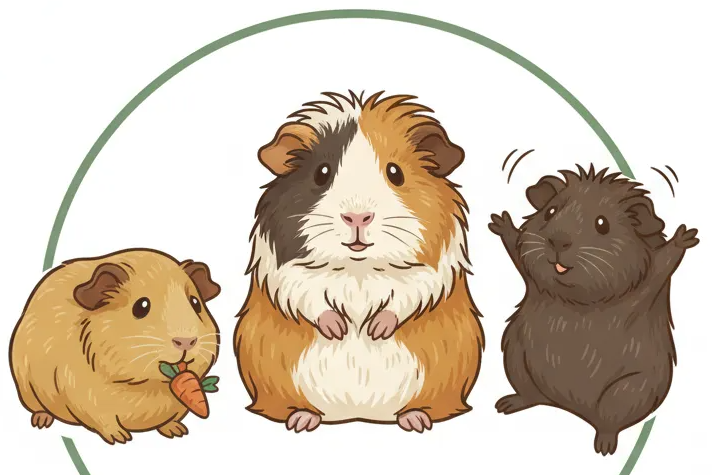
In this article, I’ll cover identifying stress signs, health consequences, behavior changes, and effective stress-reduction methods. Having cared for guinea pigs like my own gentle Pepper, graceful Clover, and intelligent Biscuit, I share advice rooted in real-life experience.
What Triggers Fear and Stress in Guinea Pigs?
Guinea pigs are prey animals, hardwired to be on constant alert for danger. Their world is filled with potential stressors that we, as their caretakers, must learn to identify and minimize. From my years of living with my trio-Pepper, Clover, and Biscuit-I’ve seen firsthand how seemingly small things can unsettle them.
- Loud, sudden noises like vacuum cleaners, slamming doors, or loud television shows.
- Rough or improper handling, especially being picked up from above like a predator.
- Sudden environmental changes, such as moving their cage or introducing new furniture.
- The presence of other household pets, even if they are just curious and watching.
- Bright, direct lighting or being housed in a high-traffic, chaotic area of your home.
- Lack of hiding places, leaving them feeling exposed and vulnerable.
- Boredom from an unstimulating environment with few toys or companions.
- Illness or pain, which is a major internal stressor they cannot communicate.
Recognizing the Signs of a Scared or Stressed Guinea Pig
Your guinea pig won’t tell you they’re stressed in words. You become their translator by learning the subtle and not-so-subtle signals their bodies and behaviors send. Paying close attention is the first step in providing a safe and comforting environment.
Behavioral Clues of Fear
Watch for sudden shifts in their normal daily routines. A scared guinea pig will often try to make itself invisible or escape a perceived threat. My gentle Pepper, for instance, will instantly freeze and flatten herself against the floor if she hears an unfamiliar sound.
- “Freezing” in place, becoming completely motionless for long periods.
- Running away and hiding in their hut or under a pile of hay at the slightest movement.
- Excessive chewing on cage bars, a clear sign of anxiety or frustration.
- Aggressive behavior like chattering teeth, which is a warning to back off.
- Refusing to come out for treats or interaction, even from a trusted person.
- Constant restlessness and an inability to settle down and relax.
Physical Symptoms of Stress
When stress becomes chronic, it starts to wear down their physical health. These symptoms are serious red flags that your pet’s well-being is compromised and needs your immediate attention. I noticed my graceful Clover was losing weight; it turned out the stress of a new cage location made her too nervous to eat properly.
- Rapid, shallow breathing or a puffed-up coat, making them look larger.
- Weight loss or a sudden lack of appetite, a very dangerous development.
- Unkempt, messy fur because they are too stressed to groom themselves.
- Watery eyes or a crusty nose, which can indicate a stress-weakened immune system.
- Diarrhea or soft stools, a common physical reaction to intense anxiety.
- Lethargy and a general lack of energy or interest in their surroundings.
How Fear and Stress Impact Guinea Pig Health
Short-Term Health Effects
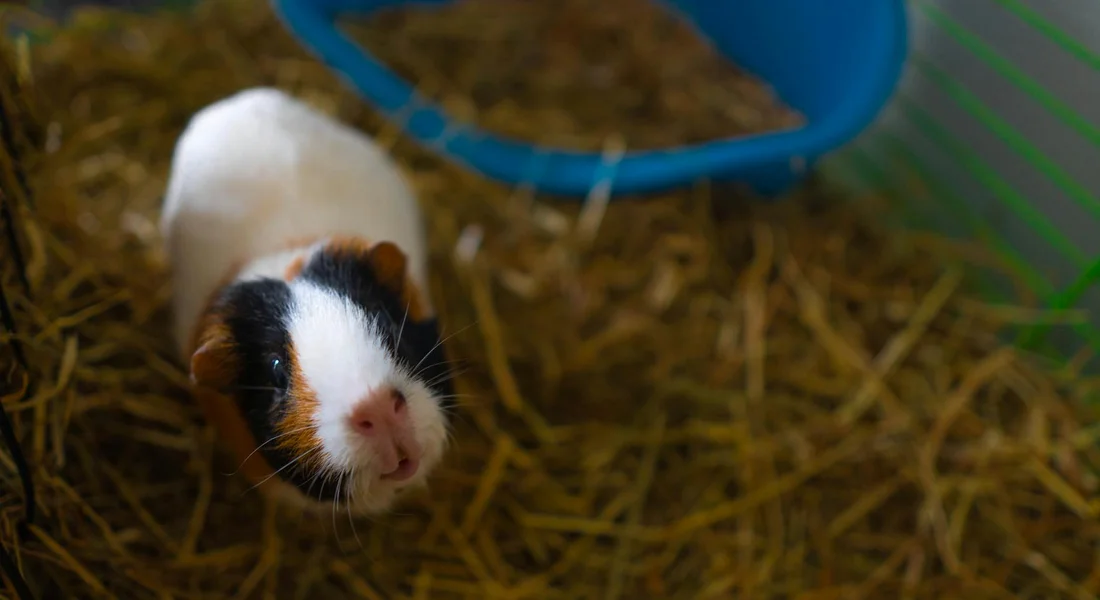
When your guinea pig feels scared, their body reacts instantly. Stress triggers a rapid heartbeat and shallow breathing, which can leave them panting or trembling after a loud noise. Guinea pigs are sensitive to loud noises and they do react. Their responses can include freezing, trembling, or rapid breathing. I’ve seen this with Biscuit, my Peruvian guinea pig; a sudden door slam once made him freeze and breathe heavily for minutes.
Appetite often drops sharply under stress. Your guinea pig might refuse their favorite veggies or hay, leading to quick weight loss if it lasts more than a day. Pepper, my American guinea pig, skipped meals for hours after a vet visit, reminding me how crucial a calm environment is.
- Digestive upset, like soft stools or diarrhea
- Increased hiding or refusal to come out
- Excessive grooming or fur pulling
Long-Term Health Consequences
Chronic stress weakens your guinea pig’s immune system over time. Prolonged fear makes them more prone to respiratory infections and skin issues, which I noticed with Clover during a noisy home renovation. Her graceful demeanor faded, and she developed a mild sniffle that took weeks to clear.
Long-term anxiety can disrupt their digestive health. Guinea pigs under constant stress may suffer from bloating or gut stasis, where food stops moving properly through their system. This happened to Biscuit once, and it required careful diet adjustments and vet care to resolve.
- Monitor for weight changes and lethargy weekly
- Provide consistent routines to reduce uncertainty
- Offer hiding spots and quiet areas in their cage
Behavioral Changes Linked to Fear and Stress
Fear often causes guinea pigs to become more withdrawn or aggressive. Your once-social pet might start hiding for hours or nip when handled, as I’ve seen with gentle Pepper when she feels threatened. It’s a clear sign they need reassurance and space. In the cage, aggression can show as bar-nipping or sudden lunges when you approach. To stop it, use slow, positive handling and provide hiding spots and enrichment.
Vocalizations can shift dramatically under stress. Stressed guinea pigs may wheek less often or make high-pitched squeals of distress instead of their usual happy sounds. Clover, who’s usually thoughtful and vocal, goes silent during storms, telling me she’s uneasy.
- Reduced interaction with cage mates or humans
- Repetitive behaviors like bar chewing or pacing
- Changes in sleep patterns, such as restlessness
Over time, these behaviors can become habits if not addressed. Creating a predictable, safe habitat helps your guinea pig feel secure and reduces stress-related actions. From my experience, adding cozy tunnels and keeping noise levels low has made a big difference for all my pigs. Additionally, setting up a safe, supervised floor-time play area with soft mats creates a fun, low-stress environment for your guinea pig. It makes floor time both safe and enjoyable.
Practical Steps to Reduce Fear and Stress
Environmental Enrichment Tips
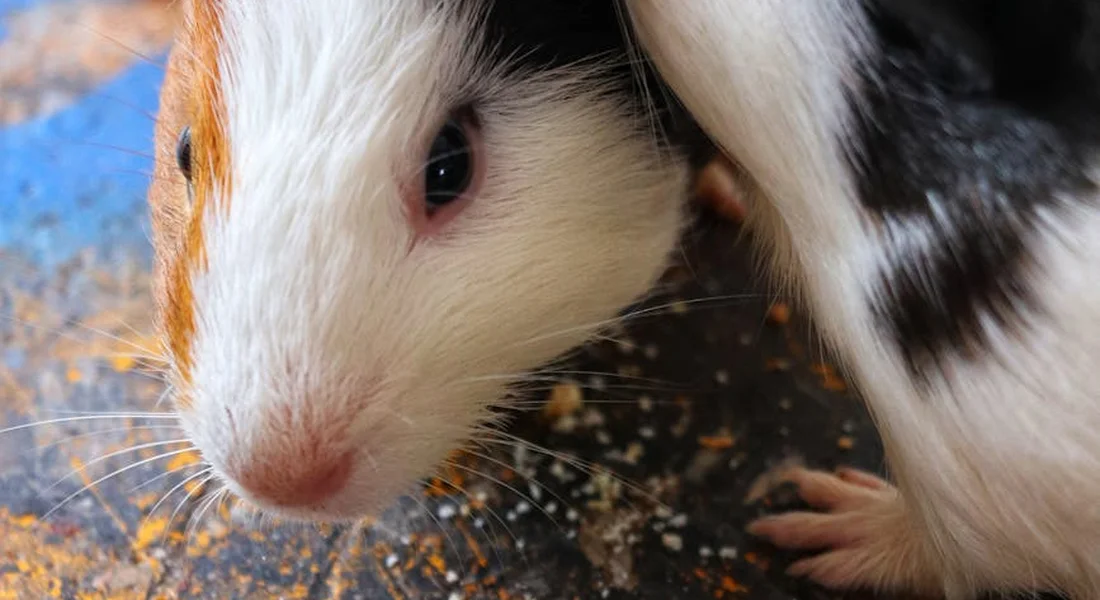
Creating a safe, stimulating environment is your first line of defense against stress in guinea pigs. I always ensure my guinea pigs have multiple hiding spots, like cozy fleece pouches or cardboard boxes, which mimic the burrows they’d seek in the wild. This simple addition can drastically lower their anxiety levels. Doing so helps them calm down when they’re feeling stressed. It’s especially helpful for anxious guinea pigs.
Offer a variety of chew toys made from safe woods or untreated wicker to keep them engaged. Rotating toys weekly prevents boredom and encourages natural foraging behaviors, something I’ve seen keep Pepper and Clover happily occupied for hours.
- Place the cage in a quiet, low-traffic area away from loud TVs or sudden noises.
- Use soft, absorbent bedding like paper-based materials to reduce discomfort and odors.
- Add tunnels and ramps for exploration, which helped Biscuit become more confident over time.
Including fresh veggies in puzzle feeders can turn mealtime into a fun challenge. This not only reduces stress but also promotes mental sharpness, as I’ve noticed with my own herd’s eager antics.
Handling and Socialization Strategies
Gentle, consistent handling builds trust and minimizes fear responses in guinea pigs. Start by sitting near the cage and speaking softly to let them acclimate to your presence before any physical contact. This approach worked wonders with Biscuit, who was initially very reserved. When you’re introducing a new guinea pig, it’s important to give them time to adjust to their surroundings.
- Approach slowly from the side, not above, to avoid triggering their prey instincts.
- Support their entire body when lifting, using both hands to cradle them securely.
- Keep handling sessions short-5-10 minutes at first-to prevent overwhelm.
Socialize them gradually with family members or other guinea pigs in neutral spaces. I introduced Clover to Pepper in a playpen with plenty of hay, which helped them bond without aggression. Always supervise interactions to ensure safety.
Reward calm behavior with small treats like cilantro or bell pepper slices. Positive reinforcement teaches them that human interaction is something to look forward to, not fear.
When to Seek Help for a Stressed Guinea Pig
Recognizing severe stress signs early can prevent long-term health issues. If your guinea pig stops eating or drinking for more than 12 hours, it’s a red flag that requires immediate veterinary attention. Recognizing signs of pain or illness in guinea pig behavior helps you act quickly, such as noticing changes in activity or grooming. I learned this the hard way when Pepper once refused food due to a noisy environment.
- Watch for excessive hiding, where they rarely come out even for food or water.
- Note any changes in vocalization, like constant whimpering or unusual silence.
- Check for physical symptoms such as weight loss, ruffled fur, or rapid breathing.
Aggression or repetitive behaviors like bar chewing can indicate chronic stress. Consult an exotic animal vet if home interventions don’t improve their demeanor within a few days. Early professional help can address underlying issues like illness or improper habitat setup.
Monitor their social interactions; if they’re isolated from cage mates, it might signal distress. In my experience, a sudden shift in personality often means something isn’t right in their environment.
FAQs
Can stress cause death in guinea pigs?
Yes, prolonged stress can lead to severe health issues like gastrointestinal stasis or a weakened immune system, which may be fatal if untreated. It’s essential to monitor for chronic stress signs and seek veterinary care to prevent life-threatening complications.
What are the signs of stress in guinea pigs at night?
At night, stressed guinea pigs may show restlessness, frequent hiding, or changes in sleep patterns like being unusually active. They might also refuse to eat or drink during their normal quiet hours, indicating heightened anxiety. These are often the first signs of stress in a new guinea pig, signaling you to help them settle in. Spotting them early lets you take steps to reduce stress and support your pet’s well-being.
What sounds do stressed guinea pigs make at night?
Stressed guinea pigs at night often produce high-pitched squeals, whimpering, or teeth chattering as signs of fear. These noises can be more pronounced in the dark when they feel vulnerable and may disrupt their usual calm behavior. At night, these noises may signal fear or discomfort from the dark. Paying attention to their sounds, such as guinea pig noises at night, can help you tell if night-time sounds are normal or a sign something needs attention.
How can I treat stress signs in my guinea pig?
Start by ensuring a quiet, secure habitat with plenty of hiding spots and a consistent routine to reduce anxiety. If symptoms like weight loss or aggression persist, consult an exotic vet for professional advice and potential treatment options.
What noises indicate stress in guinea pigs?
Stress-related noises include hissing, teeth chattering, or distressed wheeking that differs from their happy vocalizations. These sounds often occur alongside body language like freezing or hiding, signaling a need for environmental adjustments.
Your Path to a Calmer Guinea Pig
From caring for my own guinea pigs like gentle Pepper, I’ve seen firsthand that reducing loud noises and sudden changes in their space is key to lowering stress. Always watch for subtle signs like hiding or changes in eating habits, as catching stress early can prevent bigger health problems down the road.
As a pet owner, keep learning about guinea pig needs and choose eco-friendly bedding and toys to make their home safer and greener. Your commitment to their well-being not only builds a stronger bond but also helps protect our environment for all animals. Using safe bedding options further ensures your pet’s comfort and health.
Further Reading & Sources
- Know Your Guinea Pig Is Happy | RSPCA – RSPCA – rspca.org.uk
- AC Aids • GUINEA PIGS – Stress
- Guinea Pig Stress Signs | Chewy
- Stressed Guinea Pig? How to Spot the Signs | 9 Ways to Calm Your Cavy – Home & Roost
Kate is a passionate guinea pig owner and advocate for small pet welfare. With over a decade of experience caring for guinea pigs, she has become a trusted voice in the small pet community.
Uncategorized