Can Guinea Pigs Sense Human Emotions and Feelings?
Hello CavyFam, have you ever caught your guinea pig staring at you during a tough day and wondered if they sense your mood? You might worry that these small creatures miss your emotional shifts, but I am here to share some heartening insights from my own guinea pig family.
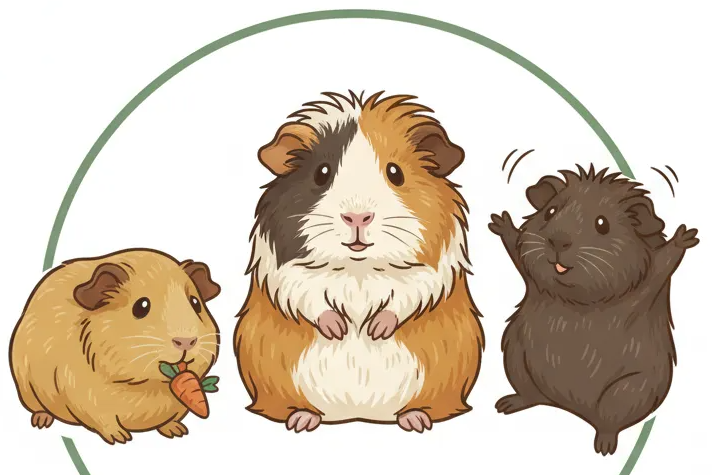
In this article, I will dive into how guinea pigs detect emotions, the clear signs they display, scientific perspectives, and simple ways to nurture your bond. With years of daily life alongside my guinea pigs Pepper, Clover, and Biscuit, I have gathered real stories that highlight their emotional awareness.
How Guinea Pigs Perceive Human Emotions
Guinea pigs are incredibly perceptive creatures that can pick up on our emotional states. Their ability to sense our feelings is rooted in their survival instincts, making them finely tuned to the emotional climate of their home. I’ve noticed my own guinea pigs, Pepper and Clover, react differently when I’m stressed versus when I’m relaxed and happy.
The Role of Vocal Tone and Sound
Your voice is one of the primary ways your guinea pig gauges your mood. Guinea pigs have excellent hearing and can detect subtle changes in pitch, volume, and rhythm that indicate your emotional state. When you speak in a soft, gentle tone, it signals safety and contentment to them.
- High-pitched, excited chatter from you can make them feel playful and curious.
- A calm, steady voice is reassuring and helps build trust over time.
- Loud, harsh, or sudden noises can trigger their fear response, causing them to freeze or hide.
- My guinea pig Biscuit often starts wheeking happily when I use my “good morning” voice, showing he recognizes a positive routine.
Reading Human Body Language and Posture
Guinea pigs are masters at observing body language. They constantly watch how you move and carry yourself to determine if you’re a source of comfort or a potential threat. A relaxed, open posture tells them it’s safe to approach, while tense, sudden movements can be alarming. By learning these cues, you can interpret common guinea pig behaviors and body language. This helps you respond with care and build trust.
Here’s what I’ve learned from observing my herd:
- Crouching down slowly makes you appear less intimidating and more approachable.
- Quick, jerky hand movements can startle them, so always move deliberately and predictably.
- They notice facial expressions – smiling versus frowning creates different responses in their behavior.
- Clover becomes particularly attentive when I sit still near their enclosure, often coming to investigate my calm presence.
The more consistently gentle your movements are, the more secure your guinea pig will feel in your presence. This is why handling them with care and patience is so crucial for their emotional well-being.
Building a Bond: Fostering Mutual Emotional Understanding
Step 1: Establish a Routine of Calm Interaction
Guinea pigs thrive on predictability, which builds a foundation of trust. I make it a point to visit my trio-Pepper, Clover, and Biscuit-at the same times each day, especially during their lively morning and evening hours. My gentle, steady approach tells them they are safe and that my presence is a normal, positive part of their day. For a new guinea pig, that calm routine helps them feel safe and acclimate to their new home. I gradually increase their freedom as they grow confident. I speak in a soft, low tone and move slowly to avoid startling them. This consistent, peaceful interaction is the first step in showing them you are not a threat.
Step 2: Learn Their Communication Cues
Your guinea pig is constantly talking to you through sound and body language. Pay close attention to their unique vocabulary. A rapid series of high-pitched “wheeks” is a clear sign of excitement, often for food, while a deep, relaxed purr when you pet them indicates pure contentment. I’ve noticed my Peruvian, Biscuit, makes a soft “chutting” sound when she’s curious but unsure. In contrast, a stiff, frozen posture or teeth chattering signals fear or agitation. Learning these subtle differences is like learning a new language of friendship.
Step 3: Use Positive Reinforcement
Positive experiences are the glue of your emotional bond. I always have small pieces of fresh cilantro or bell pepper on hand to reward brave behaviors. When Clover, who is naturally more reserved, tentatively steps onto my hand, an immediate tasty reward reinforces that interaction was a good choice. Never force handling. Let them come to you, and make every interaction-from cage cleaning to lap time-a positive one filled with gentle words and their favorite greens.
Recognizing and Responding to Guinea Pig Stress Signals
Guinea pigs are prey animals, so they are experts at hiding illness, but their stress signals are often clear if you know what to look for. A stressed guinea pig may hide excessively, refuse their favorite treats, or show aggressive behaviors like nipping. One of the most telling signs is a change in their normal vocal patterns; a usually chatty pig becoming silent is a major red flag. My gentle Pepper will startle easily and run for cover if there are sudden loud noises, which tells me his environment is too chaotic. You can learn more about how to recognize stress in guinea pigs.
If you notice these signs, your first action should be to identify and remove the stressor. This could be a noisy environment, a new pet in the house, or even an illness. Recognizing the first signs of stress in a new guinea pig is essential to help them feel safe. By addressing these cues early, you can prevent stress from escalating and support their well-being. Ensure their habitat is in a quiet part of your home, provides plenty of hideouts, and is kept impeccably clean to give them a sense of security. Spending quiet time near their cage, simply reading or talking softly, can also help a stressed pig like Biscuit realize there is no immediate danger and begin to relax again.
Promoting Emotional Wellbeing in Your Herd
Guinea pigs are deeply social creatures that thrive on stability and gentle care. From my years with Pepper, Clover, and Biscuit, I’ve learned that a calm environment directly boosts their confidence and bonding with me. Recognizing each pig’s personality temperament helps me tailor handling and enrichment. Some are bolder, others shy, but with patience they all warm to you.
Establish a Consistent Daily Routine
Regular feeding and handling times create a sense of security for your herd. I stick to a schedule with my trio, and it’s made Pepper more eager for our morning interactions.
- Feed fresh vegetables and hay at the same times each day.
- Set aside quiet periods for cage cleaning to avoid startling them.
- Incorporate gentle play sessions to reinforce positive associations.
Design a Safe and Enriching Habitat
Their living space should offer comfort and opportunities for natural behaviors. Adding cozy hideouts has helped Biscuit feel secure enough to explore more often.
- Use soft, absorbent bedding like fleece to keep their feet comfortable.
- Include tunnels, chew toys, and platforms to encourage activity.
- Place the cage in a low-traffic area to minimize stress from loud noises.
Encourage Positive Human-Guinea Pig Bonds
Your emotional state can influence how your guinea pigs respond to you. Speaking in a soft, steady voice has helped Clover approach me without hesitation over time.
- Sit near their enclosure daily, allowing them to get used to your presence.
- Offer healthy treats by hand to build trust and positive connections.
- Avoid sudden movements or raised voices that could cause fear.
Observe and Adapt to Their Unique Personalities
Each guinea pig has distinct needs based on their temperament. Noticing Pepper’s steady nature versus Biscuit’s reserved style lets me tailor my care for each one.
- Watch for signs of contentment like purring or relaxed postures.
- Respond to stress cues, such as hiding or teeth chattering, by giving space.
- Adjust interactions based on their age and health, like gentler handling for older pigs.
Foster Herd Harmony Through Social Dynamics
Guinea pigs feel safer in groups, but introductions must be handled carefully. When I introduced Clover to the herd, slow, supervised meetings prevented conflicts and built lasting friendships. Properly introducing a new guinea pig to an established herd requires planning and patience. A step-by-step approach—quarantine, scent swapping, and gradual meetings—helps ensure a smooth transition.
- House compatible pairs or small groups to reduce loneliness.
- Provide multiple food and water stations to avoid competition.
- Monitor for bullying and separate if needed to protect their wellbeing.
FAQs
Can guinea pigs be registered as emotional support animals?
Yes, guinea pigs can serve as emotional support animals with proper documentation from a licensed mental health professional. They offer comfort through their gentle demeanor and consistent daily interactions. Interacting with a calm, gentle guinea pig can help people calm down and reduce stress, especially if they are feeling anxious. Regular, mindful time with the animal provides soothing routine and emotional support.
Do emotional support guinea pigs need a special vest?
No, emotional support animals are not legally required to wear a vest, but it can aid in public identification. Always verify local regulations, as access rights for guinea pigs may differ from those for more common ESAs like dogs.
How do guinea pigs’ own emotions influence their ability to support humans?
Guinea pigs’ emotional states, such as contentment or stress, affect their responsiveness and bonding with owners. A happy, secure guinea pig is more likely to engage positively and provide reliable emotional support. Understanding their emotions is key to fostering a strong bond.
Your Guinea Pig Feels Your Heartbeat
Your guinea pig is a tiny emotional barometer, picking up on your tone, touch, and overall energy. The best way to connect is through a calm presence, gentle handling, and speaking to them in a soft, reassuring voice. With consistent, gentle interactions, you can bond your guinea pig and build a long-term relationship. Regular, patient routines help turn trust into a lasting connection.
Being a thoughtful pet owner means always observing and learning from your small friends. You can extend this care to the planet by choosing eco-friendly bedding and toys, making your pet’s world a little greener.
Further Reading & Sources
- r/guineapigs on Reddit: Can guinea pigs sense our emotions?
- How Smart Are Guinea Pigs?
- Do Guinea Pigs sense emotions? – Guinea Pig Cages
- r/guineapigs on Reddit: can my piggies tell when i’m sad or emotional?
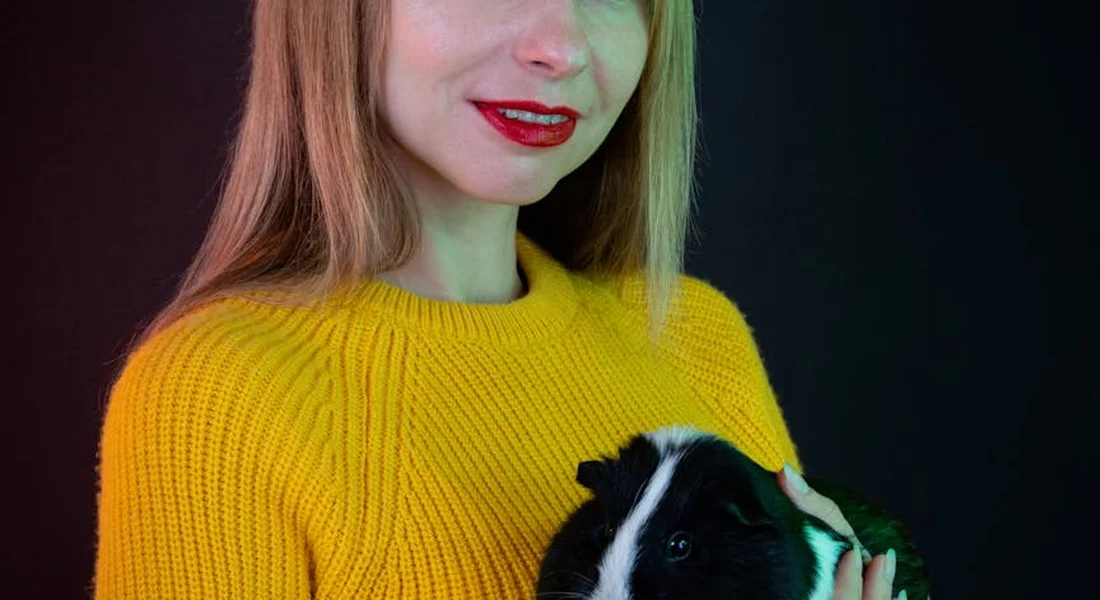
Kate is a passionate guinea pig owner and advocate for small pet welfare. With over a decade of experience caring for guinea pigs, she has become a trusted voice in the small pet community.
Uncategorized