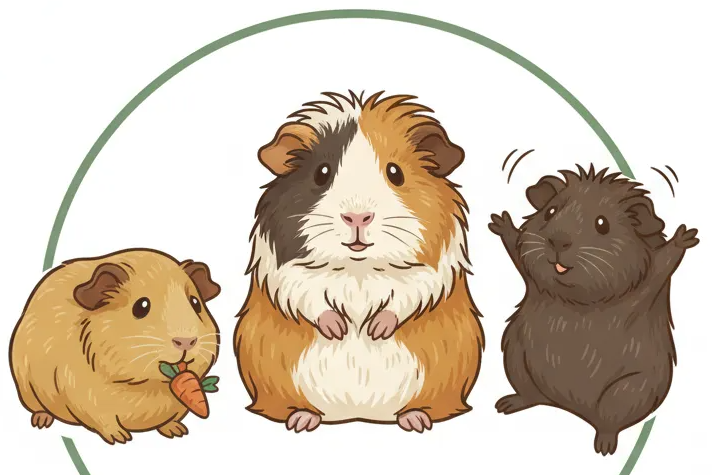
How to Introduce New Guinea Pigs to Your Herd Safely
Hello CavyFam! Bringing home a new guinea pig is exciting, but introducing it to your current herd can feel a little nerve-wracking. You might worry about fights, stress, or your piggies not getting along.
I’ll guide you through the entire process, covering quarantine procedures, preparing a neutral space, proper introduction techniques, and monitoring for long-term harmony. Having integrated my three girls-Pepper, Clover, and Biscuit-I’ve learned that patience and the right setup make all the difference for a happy, squeaky family.
Preparing for a Smooth Guinea Pig Introduction
Quarantine and Health Check Steps
Before any introductions, you must isolate your new guinea pig in a separate room for at least two weeks. This quarantine period is non-negotiable for protecting your entire herd from potential illness. I learned this the hard way years ago when I skipped this step and ended up with a costly vet visit for two sick piggies.
Schedule a wellness check with an exotic pet veterinarian during this time. A clean bill of health from a professional is your green light to proceed with introductions. Watch your new pig closely for any signs of sneezing, lethargy, or unusual droppings during their isolation.
Cage Setup and Scent Swapping
While your new guinea pig is in quarantine, prepare the main cage for the eventual merger. A thorough cage cleaning with a vinegar-water solution removes all territorial scents, creating a more neutral foundation. This is the ideal moment to plan a perfect guinea pig cage setup. A thoughtful layout now will simplify daily care and enrichment later. Rearrange all the hideys, tunnels, and food bowls to make the environment feel new to everyone.
Begin scent swapping by exchanging items between the cages every day. Switching a soft fleece bed or a chewed-on toy helps the piggies become familiar with each other’s smell long before they meet face-to-face. I always do this with my trio-Pepper, Clover, and Biscuit-and it dramatically reduces their initial anxiety.
Step-by-Step Guinea Pig Introduction Process
Neutral Territory Meeting
The first physical meeting should happen in a completely neutral space that none of the guinea pigs consider their own. A large, enclosed playpen on the floor or a clean bathtub lined with towels works perfectly for this critical first step. Scatter ample piles of fresh veggies like romaine lettuce and cilantro to encourage positive associations.
Be prepared for a lot of noisy communication, including rumbling, chasing, and nose-offs. This vocal and posturing behavior is normal as they establish a new social hierarchy. Only intervene if you see actual fighting with biting and fur pulling.
Supervised Bonding Sessions
After a successful neutral meeting, you can begin longer, supervised sessions together. Keep these sessions short-around 20-30 minutes-and always have a towel ready to gently separate them if tensions escalate. I sit with my piggies during these sessions, talking to them calmly to provide reassurance.
Repeat these sessions daily until you observe calm, relaxed behaviors like eating together or resting near one another.
- Watch for positive signs: Popcorning, gentle sniffing, and shared hay munching.
- Have two of every resource: Two water bottles, two food bowls, and multiple hideys with two exits.
- End the session on a high note with a special veggie treat before any squabbles begin.
Patience during these supervised sessions is your greatest tool for building a peaceful, multi-pig herd. It took my gentle Pepper nearly a week of daily sessions to fully accept the graceful Clover, but now they are inseparable companions.
Understanding Guinea Pig Body Language and Social Cues
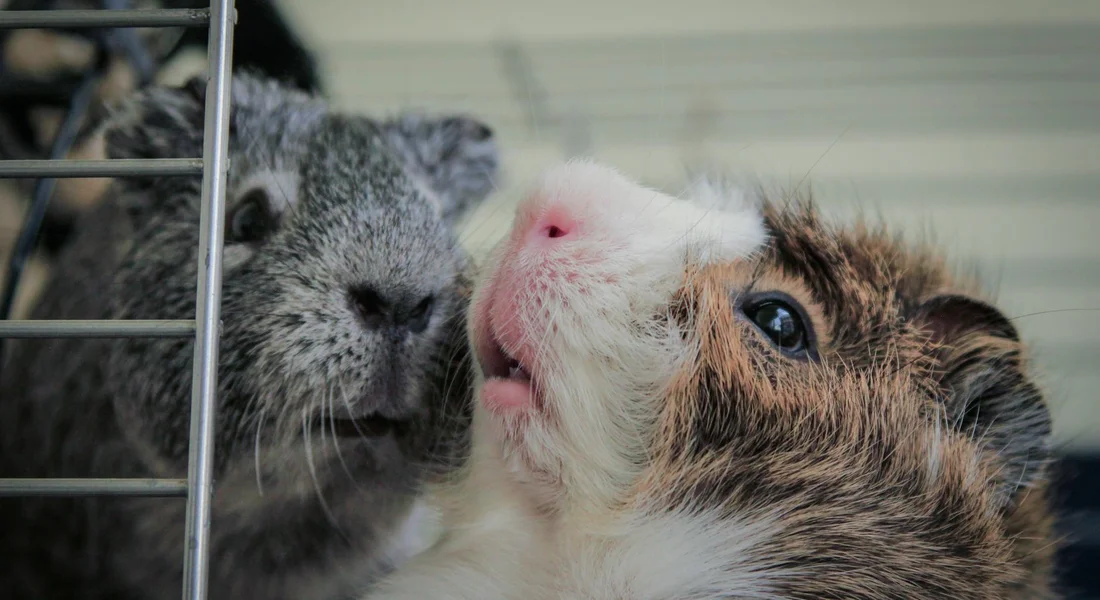
Signs of Stress and Aggression
Recognizing when your guinea pigs feel threatened is your first line of defense. I learned this the hard way when introducing Biscuit; her subtle cues were easy to miss at first. Watch for teeth chattering, a loud, rapid clicking sound that clearly says, “Stay back!” You might also see a raised head and stiffened body, a posture my guinea pig Pepper uses to show he’s on high alert. Lunging, chasing, and biting are clear red flags that require immediate intervention to prevent injury.
- Teeth chattering: A clear auditory warning sign.
- Rumblestrutting: A vibrating walk used to assert dominance.
- Raised hackles: The fur on their back and neck stands up.
- Nose-off: Two pigs press their noses together in a standoff.
- Spraying urine: A particularly messy sign of displeasure.
Positive Bonding Behaviors
Thankfully, not all interactions are stressful. You’ll know things are going well when you see gentle, inquisitive behaviors. I love watching Clover and Biscuit now; they often greet each other with soft nose touches. Popcorning-those joyful, spontaneous leaps in the air-is a fantastic sign that a pig feels happy and safe. Mutual grooming, where they gently nibble or lick each other’s fur and ears, is the ultimate sign of friendship and acceptance in the herd.
- Popcorning: An explosion of happy jumps and twists.
- Nuzzling and gentle sniffing: A friendly “hello.”
- Sleeping side-by-side: They feel secure in each other’s company.
- Sharing food: Willingly eating from the same pile or hay rack.
- Soft “wheeking” and “purring” sounds: Content vocalizations.
Managing Challenges During Herd Integration
When to Separate or Seek Help
Sometimes, despite your best efforts, introductions don’t go smoothly. My rule of thumb is simple: separate them at the first sign of bloodshed. A small nip is one thing, but a true bite that breaks the skin is a hard stop. If you see relentless, vicious chasing where one pig cannot rest, eat, or drink, you must intervene. Never let a fight “play out,” as guinea pigs can cause serious harm to one another very quickly. If you are ever unsure or the aggression seems extreme, don’t hesitate to contact an exotics veterinarian for advice.
Adjusting Cage and Environment
The physical setup of your cage can make or break a successful introduction. I completely rearranged my cage’s layout when bringing in a new pig, and it helped immensely. Ensure you have multiple of every essential resource to eliminate competition. A large, open space is better than a maze of tunnels, as it prevents pigs from being cornered. Providing plenty of visual barriers, like low-sided hideys with multiple exits, allows a nervous pig to get away without feeling trapped. Following a new guinea pig beginners guide on the best cage setup can help. Keep the layout spacious and simple to reduce stress.
- Thoroughly clean the entire cage to remove all territorial scents.
- Use a cage that is much larger than the minimum requirement.
- Place at least two food bowls, water bottles, and hay piles at opposite ends.
- Select hideouts that have more than one entrance/exit.
- Add novel items like fresh herbs or new toys to distract from conflict.
Post-Introduction Care for a Harmonious Herd
Bonding Activities and Enrichment
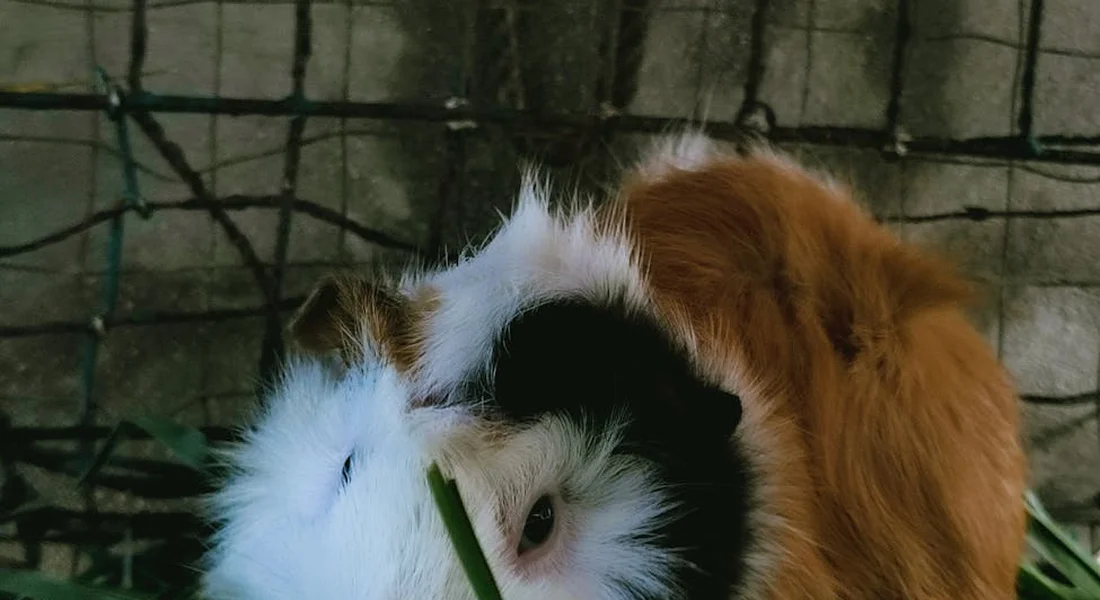
After the initial meet-up, bonding activities help your guinea pigs feel like a true family. I always set up group feeding sessions with fresh veggies to encourage positive associations among my herd. This mimics natural foraging behavior and reduces food competition. By keeping these routines consistent, you’re building a long-term bond among your guinea pigs. This ongoing process helps foster trust and harmony as they grow together.
Try these simple enrichment ideas to boost their connection:
- Place hideouts with multiple exits so no one feels trapped during play.
- Scatter hay piles around the cage to promote shared exploration.
- Introduce safe chew toys, like untreated wood blocks, to keep them occupied together.
From my time with Pepper, Clover, and Biscuit, I noticed that gentle handling during lap time as a group built trust. Supervised floor time in a neutral area lets them interact without territorial disputes. Rotate toys weekly to keep their environment stimulating and prevent boredom.
Monitoring Progress and Milestones
Watch for small signs that show your guinea pigs are bonding well. Look for moments when they eat side by side or snuggle in a hideout, as these indicate growing comfort. In my herd, Clover and Biscuit started sharing a cozy spot after just a few days, which was a heartwarming milestone. These signs are good indicators of whether their pair bond is healthy. If the behavior stays relaxed and cooperative, your bond is likely thriving.
Keep an eye on these key behaviors to gauge their relationship:
- Soft purring or “wheeking” sounds when they are near each other.
- Minimal chasing or rumbling, which can be normal but should decrease over time.
- Mutual grooming, where they gently nibble each other’s fur.
If you see any tension, like prolonged teeth chattering or aggressive lunges, separate them briefly and try again later. Consistent monitoring helps you catch issues early and adjust their care for a smoother integration. Documenting progress in a simple journal can make it easier to track their journey toward harmony.
Choosing a Compatible New Guinea Pig
Factors for Successful Pairing
Picking the right new guinea pig sets the stage for a peaceful herd. Consider age and energy levels to avoid mismatches, as younger pigs like my Biscuit may overwhelm older, calmer ones like Pepper. I always advocate for adopting from rescues to support animal welfare and find pigs with known backgrounds, especially when getting your first guinea pig.
Focus on these factors to improve compatibility:
- Personality: Pair shy pigs with gentle companions to reduce stress.
- Gender: Same-sex pairs usually work best to prevent unwanted breeding.
- Health status: Choose a healthy pig to avoid spreading illnesses to your established herd.
When I added Clover, her graceful nature balanced Pepper’s steadiness, creating a harmonious dynamic. Spend time observing potential new pigs in their current environment to assess their temperament before bringing them home. This simple step can prevent many common introduction problems and ensure a happier life for all your guinea pigs.
FAQs
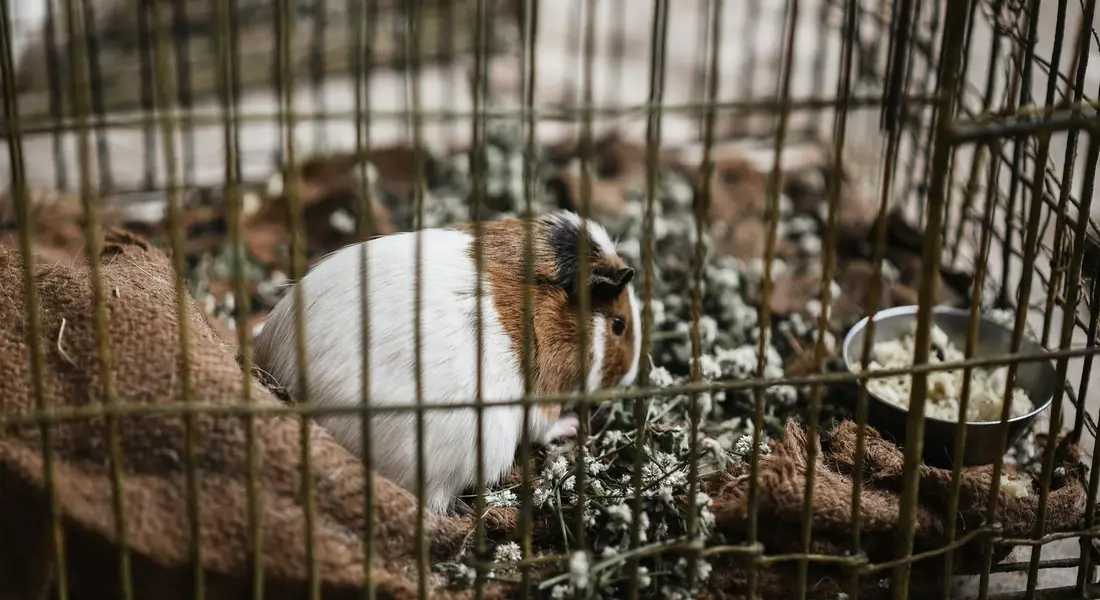
Introducing Guinea Pig Boar Bonding
Boar bonding involves introducing male guinea pigs, which may require extra patience due to stronger dominance displays. People often wonder if two boars can live peacefully in the same cage. With proper bonding and ample space, some pairs do cohabit calmly. Use a large, neutral area and provide multiple hideys and resources to minimize conflicts.
Introducing Guinea Pig Boar Bonding at Night
Bonding boars at night can be less stressful as they are naturally calmer during darker hours. Always ensure proper lighting for supervision to safely monitor their interactions and prevent accidents.
Introducing Guinea Pig Boar Bonding Video
Videos on boar bonding offer visual examples of successful introduction techniques and common behaviors to expect. Search for content from trusted guinea pig care channels to supplement your knowledge with real-life scenarios.
Introducing Guinea Pigs to New Home
When bringing a new guinea pig home, set up a separate, quiet space for the first few days to help it adjust. Gradually introduce household noises and handling to build trust and reduce fear. This steady, calm acclimation helps make your new guinea pig feel safe and acclimated. With patience, you’ll help it settle in and feel secure.
Introducing Guinea Pigs
Successful introductions rely on a neutral meeting space and supervised sessions to establish social order. Be patient and watch for positive signs like shared eating to gauge progress.
Your Path to a Happy Herd
Introduce new guinea pigs gradually in a neutral area to ease tensions and build trust over time. Always monitor initial meetings closely to spot any signs of stress or aggression early on. This approach helps you successfully introduce and bond new guinea pigs. With patience, you’ll increase the chances of a lasting, harmonious relationship.
Keep learning about guinea pig behavior and needs to provide the best care possible. Opt for eco-friendly supplies like recycled bedding to create a healthier home for your pets and the environment. In our ultimate guide to safe bedding options for guinea pigs, you’ll learn which materials are safest. This helps your pig stay comfortable and healthy.
Further Reading & Sources
- How to introduce guinea pigs – PDSA
- Introducing a New Guinea Pig to Your Resident Guinea Pig – Pasadena Humane
- Introducing Guinea Pigs | Making Introductions | Guinea Pigs | Guide
- Bonding Guinea Pigs: The Ultimate Guide to Successful Pairing
Kate is a passionate guinea pig owner and advocate for small pet welfare. With over a decade of experience caring for guinea pigs, she has become a trusted voice in the small pet community.
Uncategorized