What is Boar Glue? A Friendly Guide for Guinea Pig Owners
Hello CavyFam! If you’ve ever found a sticky, odd-smelling substance on your guinea pig, you’re likely wondering, “What is boar glue?” You might be worried it signals a health problem or makes cleaning a challenge.
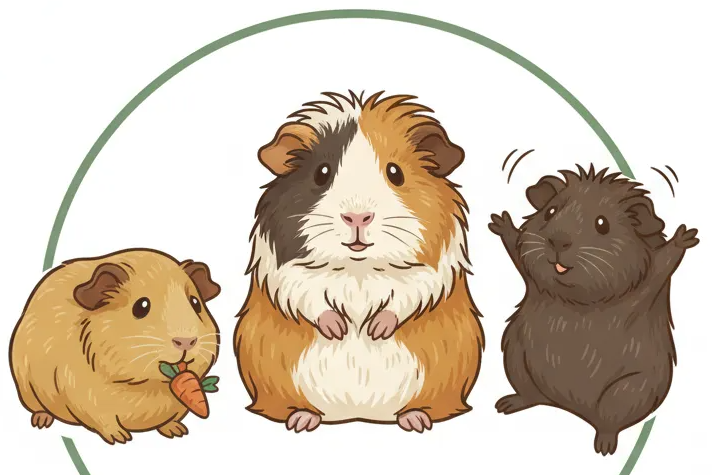
In this article, I’ll cover what boar glue is, why it happens, how to clean it safely, and tips for prevention. With years of hands-on experience caring for guinea pigs like Pepper, Clover, and Biscuit, I can share practical, pet-tested advice.
Understanding Boar Glue
Boar glue is the common name for the thick, sticky, and surprisingly strong substance that male guinea pigs, or boars, naturally produce. This secretion is a mix of proteins and lipids from their reproductive system, designed to form a temporary plug after mating. I first encountered this with my boar, Pepper; a small, hardened, whitish-tan blob near his backend that was tricky to remove.
While it might seem alarming, it’s a completely normal biological function for an intact male. Think of it less as “glue” and more as a natural, albeit messy, bodily process that requires your gentle attention. The texture can range from waxy and pliable to rock-hard, depending on how long it’s been there.
What Causes Boar Glue Buildup?
Buildup happens when this natural secretion isn’t regularly cleaned away. The primary driver is simply being an unneutered male guinea pig; their bodies are wired to produce this material. My trio-Pepper, Clover, and Biscuit-are all males, so managing this is a regular part of our care routine.
Several specific factors can increase the likelihood of a significant buildup:
- Presence of Females: Even just the scent of a female guinea pig (sow) in the same household can stimulate a boar’s production. Their instincts kick into high gear.
- Age and Hormones: Young, sexually mature boars often produce more as their hormones are at their peak. My boy Biscuit went through a phase of particularly frequent production.
- Social Dynamics: Housing multiple boars together can create a competitive environment, sometimes leading to increased marking and secretion.
- Infrequent Cleaning: If the hardened material isn’t gently removed, it acts as a base, and new secretions layer on top, creating a larger, more stubborn mass.
- Underlying Health: In rare cases, a sudden increase or change in the secretion could signal a health issue like an infection or impaction, warranting a vet visit.
Regular, gentle checks of your boar’s rear end are the single best way to prevent a small issue from becoming a major, uncomfortable buildup for him.
Is Boar Glue a Serious Health Concern?

In my years of caring for boars like my steady Pepper and thoughtful Clover, I’ve found that boar glue itself is not a direct health danger. The substance is a natural, non-toxic bodily secretion meant to solidify quickly and does not contain harmful chemicals. Your guinea pig is not in immediate physical peril from producing it. For broader safety context, see my guinea pigs chew safely complete guide. It covers safe chew options, dental health tips, and warning signs to watch for.
The real concern, which I’ve dealt with personally, lies in the potential for secondary issues if the glue is not managed.
- Skin and Fur Matting: When the glue hardens on their fur, it can create uncomfortable, dense mats. My graceful Clover once got a small patch matted near his back leg, and it clearly irritated him until I addressed it.
- Mobility Discomfort: A large, hardened lump can pull on the skin and make movement awkward for your pet.
- Risk of Injury: Attempting to pull or cut out the glue without proper care can easily lead to nicking their delicate skin. I learned this lesson early on with my intelligent but reserved Biscuit.
The key takeaway is that while the glue isn’t poisonous, the matting and discomfort it causes require your attention for your pet’s ongoing welfare. A clean and comfortable guinea pig is a happy and healthy one. For safe chew play, offer cardboard-safe options for guinea pigs, like untreated cardboard boxes and paper tubes to encourage natural gnawing without risking toxins. Just be sure to remove any torn pieces and supervise play to prevent ingestion.
How to Clean Boar Glue Safely
I’ve cleaned my fair share of boar glue patches, and patience is your greatest tool. Rushing this process can stress your pet and risk injury. Always prioritize your guinea pig’s comfort and safety over speed when dealing with this stubborn substance. Also, avoid common grooming mistakes like rushing or tugging at fur. Stick to guinea pig–safe tools and products.
Here is the gentle, step-by-step method I use with my own boys.
- Restrain Gently: Have a second person help you hold your guinea pig securely but calmly. Wrap them in a small towel to make them feel safe and prevent sudden movements.
- Apply a Safe Lubricant: Use a generous amount of olive oil, coconut oil, or a small dab of petroleum jelly directly onto the hardened glue. I keep a dedicated small bottle of olive oil in my pet supply kit for this. Massage it gently into the matted fur and let it sit for 5-10 minutes. This softens the glue.
- Work it Out Slowly: After the oil has had time to work, use your fingers or a fine-toothed comb to very carefully tease the glued hairs apart. Do not pull or tug. If it doesn’t come apart easily, apply more oil and wait a bit longer.
- The Final Rinse: Once the glue and oil are out, you’ll need to wash the area to remove the oily residue. Use a small amount of a gentle, small animal or baby shampoo. Lather, rinse thoroughly with lukewarm water, and dry your pet completely with a soft towel.
For particularly stubborn spots, a small, blunt-ended pair of scissors can be used with extreme caution. Always slide a comb between the glue and your guinea pig’s skin to create a protective barrier before you even think about cutting. I only resort to this for large, impossible-to-tease mats and always have a helper. These same precautions apply to nail trimming and bathing, as covered in a complete guinea pig grooming guide. Use proper tools and keep sessions gentle and brief.
Cleaning Method Comparison
| Method | Best For | My Personal Experience |
|---|---|---|
| Olive/Coconut Oil | Most common glue situations; safe and effective. | This is my go-to. It’s natural, I always have it on hand, and it works reliably on my boys. |
| Small Animal Shampoo | Final cleaning step to remove oil residue. | Essential for leaving their coat clean and non-greasy after the oil treatment. |
| Careful Trimming | Large, rock-hard mats that won’t break down with oil. | I use this as a last resort and always with a helper to keep my pig calm and still. |
Preventing Boar Glue Problems
Keeping your boar comfortable and clean is the best way to manage this natural substance. A consistent grooming routine is your most powerful tool for preventing messy buildup. I check my boys, Pepper and Biscuit, every weekend during our bonding time.
Regular Grooming and Cleaning
You don’t need fancy equipment for this. A warm, damp cloth does the trick for light cleaning. Gently wiping the perineal sac area weekly can prevent the glue from hardening and causing issues. For my long-haired Peruvian, Biscuit, I’m extra careful to keep the fur around that area trimmed short.
- Perform a weekly “check-up” during a calm cuddle session.
- Use a soft, damp cloth or unscented baby wipe to clean the area.
- For long-haired breeds, carefully trim the surrounding fur for better hygiene.
- Never pull or scrape at hardened glue, as this can injure the skin.
Diet and Hydration
What goes in directly affects what comes out. A proper diet rich in hay and fresh water helps maintain a healthy digestive system and can influence boar glue consistency. I’ve noticed that when my guinea pigs are well-hydrated, any buildup seems easier to manage. Hay provides the fiber essential for gut motility and dental wear, making it the foundation of a healthy guinea pig diet. That’s why getting plenty of hay every day matters.
- Ensure unlimited access to fresh, clean Timothy hay.
- Provide a constant supply of water, checking the bottle daily.
- Limit high-calcium vegetables which can contribute to thicker, paste-like deposits.
- Include vitamin C-rich foods like bell peppers to support overall health.
Common Boar Guinea Pig Health Issues
While boar glue itself is normal, it can sometimes mask or lead to other health concerns. Being a vigilant owner means knowing the difference between natural behavior and a potential problem. Over the years with my three boys, I’ve learned to spot the subtle signs.
Impaction
This is a serious condition where debris, including boar glue and bedding, gets trapped in the perineal sac. Older boars are more prone to impaction as their muscles weaken, making it harder for them to naturally expel waste. My steady boy, Pepper, is getting to that age where I have to be extra watchful.
- Look for a visibly swollen or blocked rear area.
- Notice if your guinea pig strains or seems uncomfortable when trying to poop.
- Check for a loss of appetite or lethargy, which are major red flags.
- Smell a foul odor coming from the rear, indicating a severe blockage.
Infections and Abscesses
Trapped boar glue can create the perfect environment for bacteria. Any redness, swelling, or discharge around the perineal area could signal an infection that needs veterinary attention. My graceful Clover once had a small sore that I caught early because of our routine checks.
- Watch for your guinea pig excessively licking or biting at his rear.
- Be alert to any lumps or bumps that feel warm to the touch.
- Notice if he seems painful when you try to gently handle the area.
- Avoid trying to “pop” any abscesses yourself, as this can worsen the infection.
Urinary Tract Problems
Sometimes, what looks like a boar glue issue is actually a sign of something deeper. Struggling to urinate, crying out when peeing, or blood in the urine are urgent signs of a potential urinary tract infection or stones. These conditions are painful and require immediate veterinary care.
- Listen for unusual squeaks or signs of pain during urination.
- Check for wetness or staining around the rear that smells particularly strong.
- Monitor their water consumption-a sudden increase or decrease can be a clue.
- Observe their posture; a hunched back can indicate abdominal pain.
When to Seek Veterinary Care
Boar glue is a natural substance, but it can sometimes lead to complications that require a professional’s touch. I’ve learned from experience that what seems like a minor grooming issue can quickly become a serious health concern for your guinea pig. If you’re unsure how to proceed, seek professional grooming help for your guinea pig. A trained groomer or veterinarian can safely address the issue and spot signs of trouble early.
Signs of a Problem
You should contact your veterinarian if you notice any of the following issues. These signs often indicate the glue has caused an impaction or infection.
- Swelling, redness, or soreness around the genitals
- A foul odor coming from the area, which suggests infection
- Your guinea pig is straining or crying out when trying to urinate
- A noticeable decrease in appetite or activity levels
- Visible mats of glue and bedding that you cannot safely remove yourself
Why Prompt Care Matters
Delaying a vet visit can turn a simple cleaning into a major medical issue. An untreated impaction can lead to a life-threatening urinary tract blockage, which is a genuine emergency. I once had a scare with my guinea pig, Biscuit, who became lethargic after a particularly stubborn glue incident; a quick vet trip resolved it, but it underscored the importance of acting fast.
What to Expect at the Vet
Your veterinarian is equipped to handle these situations gently and effectively. The process is typically straightforward and focused on your pet’s comfort.
- The vet will perform a gentle physical examination.
- They will safely soften and remove the hardened glue, often using a pet-safe mineral oil.
- They will check for any underlying skin irritation or infection.
- They may prescribe a topical antibiotic ointment if an infection is present.
Your vet can also offer personalized advice on preventing future incidents, which is invaluable for long-term guinea pig care. This is part of properly caring for guinea pigs. With proper guinea pig care, you can help prevent incidents and keep them healthy.
Post-Cleaning Care
Even after professional cleaning, your guinea pig will need a little extra TLC. Keep a close eye on the area for a few days to ensure it heals properly and doesn’t become re-soiled. A complete guinea pig hygiene cleaning routine—covering cage sanitation, bedding changes, and gentle grooming—helps prevent re-soiling. Providing a clean, dry habitat and monitoring their behavior are the best things you can do for their recovery.
FAQs
What is boar glue?
Boar glue is a natural, sticky secretion from unneutered male guinea pigs, composed of proteins and lipids. It hardens after mating and requires regular cleaning to prevent discomfort or health issues.
What does ‘bargle’ mean?
‘Bargle’ is an informal term used by guinea pig enthusiasts to refer to boar glue. It simplifies discussions about this common but messy aspect of boar care.
Is ‘bargle’ listed in the Oxford Dictionary?
No, ‘bargle’ is not an official entry in the Oxford Dictionary as it is a colloquial term. It remains specific to guinea pig pet care communities and informal usage.
What is the slang definition of ‘bargle’?
In slang, ‘bargle’ describes the hardened boar glue substance found on male guinea pigs. It’s a casual way for owners to talk about this biological occurrence without technical jargon.
What are some synonyms for ‘bargle’?
Synonyms for ‘bargle’ include boar glue, boar discharge, and mating plug. These terms all denote the same natural secretion produced by intact male guinea pigs.
Boar Glue and You: A Quick Recap
When dealing with boar glue, always use warm water and a soft cloth for cleaning, and opt for pet-safe, gentle shampoos if a deeper clean is needed. Remember, this is a completely natural substance, so patience and a calm approach will make the process easier for both you and your guinea pig. It’s also important to use natural and safe cleaning products when cleaning their living environment.
Responsible pet ownership means observing your pets closely and continuously learning about their unique biological functions and behaviors. Understanding guinea pig dominance behaviors and their social hierarchy helps you read signals of stress and predict potential conflicts. It also guides you in managing introductions, space, and group dynamics to keep your pets harmonious. Applying this knowledge helps you provide a healthier, more comfortable life for your guinea pigs while making more informed, eco-friendly choices in their daily care.
Further Reading & Sources
- What is boar glue? – GuineaDad
- r/guineapigs on Reddit: Does anybody have any idea what causes this glue-like substance to occur?
- Conditions – Hard, white stuff – Guinea Pig Cages
- BOAR GLUE? | The Guinea Pig Forum
Kate is a passionate guinea pig owner and advocate for small pet welfare. With over a decade of experience caring for guinea pigs, she has become a trusted voice in the small pet community.
Uncategorized