Natural and Safe Cleaning Products for Guinea Pig Cages
Hello CavyFam! Are you concerned that common cleaners could harm your guinea pig’s sensitive health during cage cleaning?
You want a spotless home for your pets without risking their well-being with toxic residues.
In this guide, I’ll walk you through homemade cleaning recipes, safe ingredient choices, step-by-step cleaning methods, and the advantages of natural products.
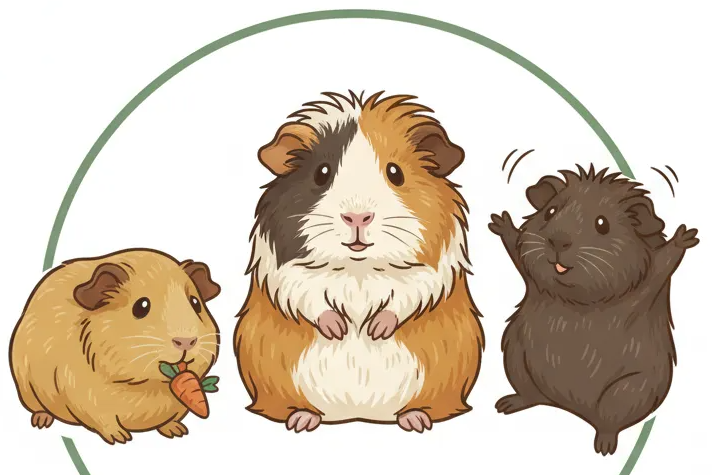
Having cared for my guinea pigs Pepper, Clover, and Biscuit for years, I’ve tested these approaches to ensure they’re both effective and gentle.
Why Natural Cleaning Products Matter for Guinea Pig Health
Chemical cleaners often release strong fumes that can irritate your guinea pig’s delicate lungs and skin. Many commercial products contain toxins that linger on cage surfaces, posing risks if your pet licks or touches them. I noticed this firsthand with my guinea pig, Biscuit, who became unusually reserved and avoided her favorite spots after I used a scented spray nearby. This is one of the 11 biggest health hygiene mistakes guinea pig owners make: relying on chemical cleaners near the cage. To protect your pet, opt for water-only cleaning or pet-safe, fragrance-free products, and ensure good ventilation.
Switching to non-toxic options reduces these dangers and supports overall wellness. Natural cleaners help prevent allergic reactions and keep your guinea pig’s environment stress-free. When I switched to gentler methods for Pepper and Clover, their playful behaviors returned quickly.
- Biodegradable ingredients break down safely without harming the environment.
- Mild formulas avoid harsh chemicals that could cause respiratory issues.
- Allergy-friendly options are free from artificial fragrances and dyes.
- Food-grade components are safe even if accidentally ingested in small amounts.
Essential Natural Ingredients for Safe Cage Cleaning
Common plant-based items like vinegar, baking soda, and castile soap offer effective cleaning without risky additives. Vinegar cuts through urine stains and neutralizes odors with its natural acidity. Baking soda works as a gentle scrubber for stuck-on messes, while castile soap lifts dirt with its plant-based suds.
Each ingredient brings unique eco-friendly benefits, from reducing water pollution to being cruelty-free. Compared to synthetic cleaners, these options decompose naturally and are kinder to your pet’s health. I rely on them for routine clean-ups, especially since Clover’s graceful nature means she appreciates a fresh, chemical-free space.
| Ingredient | Primary Use | Eco-Friendly Benefit |
|---|---|---|
| Vinegar | Disinfecting and deodorizing surfaces | Breaks down safely in soil and water |
| Baking Soda | Scrubbing stains and absorbing odors | Non-toxic and reusable for multiple cleanings |
| Castile Soap | Cleaning grime and grease buildup | Biodegradable and made from sustainable plant oils |
Step-by-Step Guide to Cleaning with Vinegar

-
Mix one part white vinegar with one part water in a spray bottle for a safe, effective cleaning solution. This simple dilution prevents skin irritation while cutting through grime effortlessly. I’ve used this exact ratio for Pepper’s cage, and it keeps everything sparkling without any harsh fumes.
-
Spray the solution evenly across cage surfaces, let it sit for five minutes to loosen dirt, then scrub with a soft-bristled brush before rinsing thoroughly with clean water. Allowing the vinegar to work its magic breaks down stubborn waste without aggressive scrubbing. This is part of a complete guinea pig hygiene cleaning routine. For best results, pair it with regular bedding changes and toy sanitizing. Always move your guinea pigs to a secure spot first—I learned this the hard way when Biscuit got curious mid-clean!
-
Rinse the cage multiple times with fresh water and wipe dry to eliminate any vinegar scent or residue. A thorough rinse ensures no leftover acidity bothers your pet’s delicate respiratory system. For extra assurance, I air-dry Clover’s cage in sunlight, which naturally neutralizes odors.
Using Baking Soda for Stains and Odor Control
-
Create a thick paste by mixing baking soda with a small amount of water, then apply it directly to stained areas and let it sit for 10-15 minutes before gently scrubbing and rinsing. This paste lifts tough urine marks without abrasive chemicals that could harm cage surfaces. When Pepper had a messy corner, this method restored it to like-new condition.
-
Sprinkle a light layer of dry baking soda over bedding or cage floors to absorb odors, leaving it for an hour before vacuuming or wiping away. Guinea pig waste can release ammonia, so neutralizing those odors is key to keeping the air fresh. Baking soda naturally neutralizes ammonia smells from waste, keeping the air fresh for your guinea pigs. This simple step helps explain why guinea pigs smell less with consistent odor control. I do this weekly for Biscuit’s enclosure, and it cuts down on funky scents between deep cleans.
-
Check that all baking soda is fully removed after use to prevent ingestion, and avoid using it near food or water dishes. Always perform a quick visual inspection to protect your pets from accidental consumption. With Clover’s sensitive nature, I double-rinse everything to be certain it’s residue-free.
Gentle Cleaning with Castile Soap and Other Mild Options
-
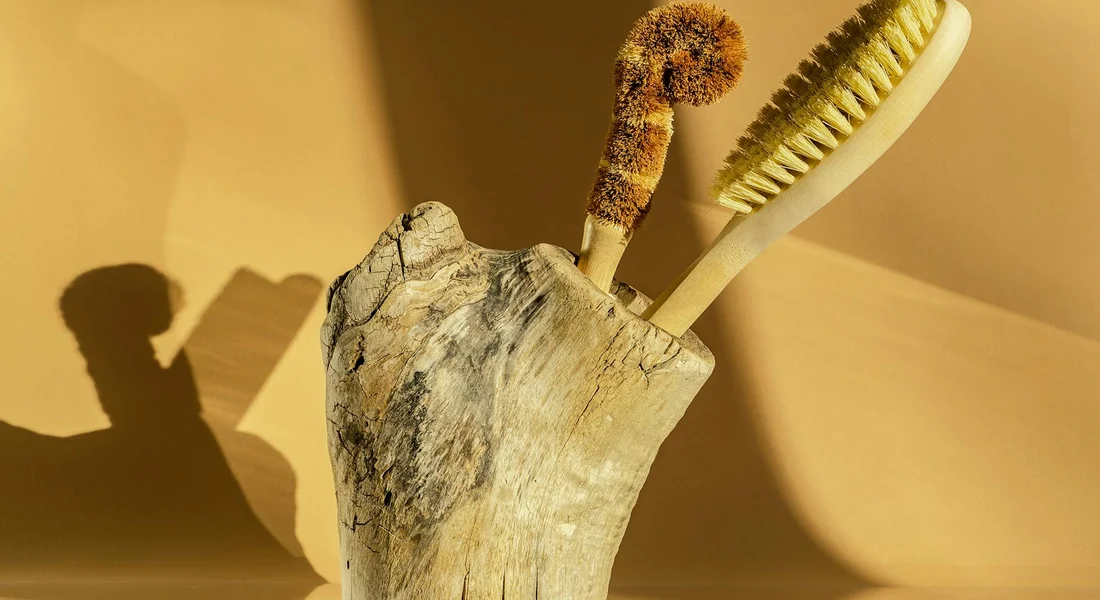
Diluting castile soap is simple and effective for routine cage cleaning. I mix one part pure castile soap with ten parts warm water in a spray bottle. This ratio works well for removing dirt without leaving harmful residues. Shake it gently before each use to ensure it’s well blended.
-
Several unscented, pet-safe alternatives can complement your cleaning kit. White vinegar diluted with water (1:1 ratio) tackles odors and stains. Baking soda forms a gentle paste when mixed with water for scrubbing tough spots. Hydrogen peroxide (3% solution) is useful for disinfecting, but always rinse thoroughly. I avoid anything with added fragrances to protect my guinea pigs’ respiratory health.
-
Always test new cleaners on a small, hidden section of the cage first. Apply a dab and wait 10-15 minutes to check for discoloration or damage. This habit prevented me from accidentally harming Clover’s favorite corner with a too-strong mix last year.
Proper Dilution and Application Techniques
-
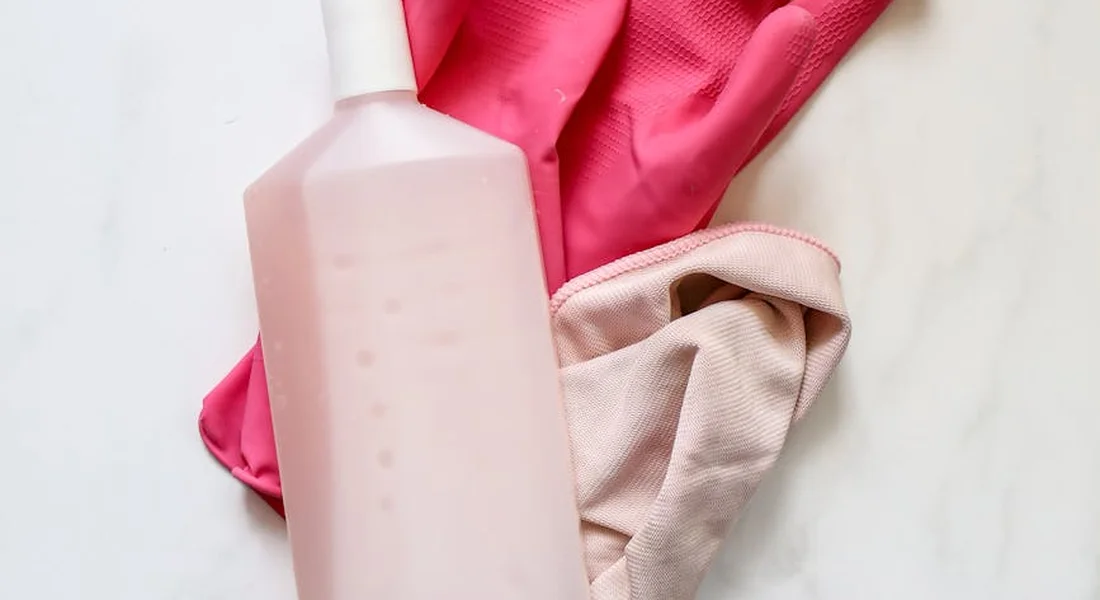
Follow clear guidelines when mixing natural ingredients with water. For vinegar, use equal parts vinegar and water in a spray bottle. With baking soda, add just enough water to make a spreadable paste. Over-diluting is safer than under-diluting-your pets’ comfort comes first.
-
Avoid common mistakes like using overly concentrated solutions. Too much soap or vinegar can irritate skin or leave sticky residues. Never mix vinegar and hydrogen peroxide directly in one bottle; they can react and lose effectiveness. I learned this the hard way when a strong mix made Biscuit’s area smell off for days.
-
Rinse all surfaces thoroughly with clean water after cleaning. Use a damp cloth or spray bottle to remove any cleaner traces. Let the cage air-dry completely before returning your guinea pigs. This step ensures no harmful residues touch their delicate paws or fur. This step is part of a proper step-by-step guinea pig cage cleaning guide. Following the guide helps keep the habitat clean and safe for your pets.
Establishing a Safe and Effective Cleaning Routine
Your cleaning schedule is the heartbeat of a healthy habitat. I found that a weekly deep clean for my three girls in their spacious C&C cage keeps everything fresh and odor-free. This rhythm works well for us, but your schedule depends heavily on your setup. If you’re planning your own schedule, the weekly guinea pig care routine ultimate checklist owners rely on can help you tailor tasks to your space. It keeps care consistent, from cleaning and feeding to health checks and enrichment.
Finding Your Cleaning Frequency
How often you need to clean is not a one-size-fits-all answer. It’s a direct result of your cage’s square footage and how many little noses are in there.
- Small Cages (under 8 sq ft) with 1-2 Pigs: These need a full clean every 3-4 days. Waste builds up fast in a smaller space.
- Medium to Large Cages (8+ sq ft) with 2-3 Pigs: A thorough weekly clean is usually perfect. This is what works for Pepper, Clover, and Biscuit.
- Very Large Enclosures or Herds: You might stretch to 10 days, but always let your nose and eyes be the final judge.
No matter the cage size, I do a quick daily spot-clean. This five-minute habit of removing soiled bedding and uneaten veggies makes the weekly clean so much easier.
Your Step-by-Step Cleaning Process
A good routine makes the task feel less like a chore. I follow these steps every Saturday morning.
- Prepare a Safe Play Space: Move your guinea pigs to a secure, enclosed pen with a hidey and some hay. This keeps them safe and stress-free while you work.
- Empty and Disassemble: Remove all bedding, toys, food bowls, and water bottles. Take out any removable cage floors or ramps.
- Clean All Accessories: Scrub food dishes, water bottles, and hard plastic toys with hot water and a drop of unscented castile soap. Rinse them until no soap residue remains. For wooden chews, I just wipe them with a damp cloth to prevent warping.
- Scrub the Cage Base: Using a spray bottle with a 50/50 mix of white vinegar and water, thoroughly wet the entire cage bottom. Let it sit for a few minutes to break down stubborn urine deposits, then scrub with a dedicated brush and rinse completely.
- Air Everything Out: This is a critical step many owners skip. Let the cage and all accessories air dry completely in a well-ventilated area before adding new bedding. Dampness encourages bacterial and fungal growth.
- Rebuild the Habitat: Once everything is bone-dry, put the cage back together with fresh bedding and all the clean accessories.
Signs Your Cleaning Routine Needs a Boost
Guinea pigs are subtle, but their environment tells a clear story. If you notice any of these signs, it’s time to adjust your cleaning habits. If you spot signs your guinea pig is bored, it’s a cue to mix up enrichment and fix it. Try adding new toys, rotating toys, and more floor time to re-engage them.
- A Persistent Ammonia Smell: A faint, hay-like scent is normal. A strong, sharp smell of ammonia means urine is building up and needs more frequent removal.
- Wet or Clumpy Bedding: You should not see large, perpetually damp spots. This indicates the bedding isn’t absorbing well or is not being changed enough.
- Visible Soiling on Hideys or the Cage Floor: If you see caked-on waste, your spot-cleaning isn’t happening often enough.
- Your Pigs Seem Lethargic or Are Sneezing: Poor air quality from a dirty cage can cause respiratory irritation. If my pig Biscuit starts sneezing more than usual, I know I need to be more vigilant.
If you spot any of these issues, simply increase your cleaning frequency and be more thorough with your daily spot-checks. Your piggies will thank you with happy wheeks and good health.
FAQs
Are essential oils safe for cleaning guinea pig cages?
No, essential oils can be harmful to guinea pigs due to their sensitive respiratory systems and potential toxicity. It’s best to avoid them entirely and rely on proven natural ingredients like vinegar or baking soda instead. If you must use a diffuser for other spaces, keep it in a room separate from the guinea pig. Ensure there is good ventilation.
How can I disinfect the cage effectively without using harsh chemicals?
Use a diluted white vinegar solution, as its natural acidity kills germs without leaving dangerous residues. Always rinse the cage thoroughly with clean water after application to ensure no irritants remain.
What should I do if my guinea pig shows signs of irritation after cleaning?
Immediately move your guinea pig to a well-ventilated area and inspect the cage for any leftover cleaner residues. Consult a veterinarian if symptoms persist, and switch to a milder, unscented cleaning option for future use. For a complete guide on how often to clean a guinea pig cage cleaning schedule, refer to our schedule guide. It covers daily spot-cleaning, weekly full cleans, and monthly deep cleans.
Your Path to a Healthier Guinea Pig Home
From my time caring for Pepper, Clover, and Biscuit, I’ve found that natural options like vinegar and baking soda effectively clean cages without harsh chemicals. Sticking to a consistent cleaning routine with these safe products prevents odors and keeps your guinea pigs thriving in a toxin-free space, where air quality matters.
As a guinea pig owner, I’m always learning new ways to reduce waste and choose eco-friendly supplies for their habitat. Proper guinea pig care means meeting their daily needs—adequate space, fresh water, a nutritious diet, and gentle handling. Small, eco-friendly choices in their care support their health and the planet. Staying informed about sustainable practices helps you provide the best care while protecting animals and the environment for years to come.
Further Reading & Sources
- Safe cleaners for the cage? – Guinea Pig Cages
- How to Clean a Guinea Pig Cage | Kavee
- Cage Cleaner & Odor Removers for Hamsters & Guinea Pigs | PetSmart
- r/guineapigs on Reddit: Safe Cleaners for their cages
Kate is a passionate guinea pig owner and advocate for small pet welfare. With over a decade of experience caring for guinea pigs, she has become a trusted voice in the small pet community.
Uncategorized