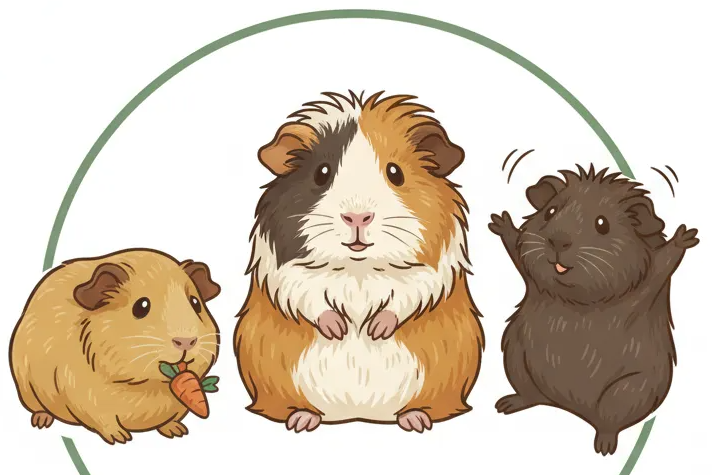
Fleece Liners vs. Disposable Bedding: The Ultimate Guide
Published on: April 10, 2026 | Last Updated: April 10, 2026
Written By: Kate M. Callahan
Hello CavyFam! Choosing the right bedding for your guinea pigs can feel overwhelming. You want what’s safest and most comfortable, but you also have to think about your wallet and the planet.
In this guide, we’ll break down the pros and cons by comparing health and safety, long-term costs, and environmental footprint. I’ve tested both options extensively with my own herd, so you get advice based on real-life experience.
Understanding Fleece Liners and Disposable Bedding
Let’s break down what these bedding options actually are. Fleece liners are reusable fabric layers, typically a top layer of soft fleece sewn onto an absorbent middle layer like u-haul padding or Zorb, designed to wick moisture away from your pet’s feet. You’ll find them in custom cage sizes or as smaller pads for sleeping areas.
Disposable bedding refers to single-use materials you replace entirely every few days. Common types for guinea pigs include paper-based bedding, aspen wood shavings, and compressed paper pellets, each offering different levels of absorbency and dust control.
Comparing their key features reveals their core differences.
- Material: Fleece is synthetic fabric; disposables are natural fibers or processed paper products.
- Absorption: Disposable bedding soaks and holds liquid within its bulk. Fleece liners wick moisture downward, keeping the surface drier but requiring an absorbent under-layer.
- Setup: Disposable bedding involves pouring a fresh layer. Fleece requires an initial washing to make it “wick” properly before first use.
| Feature | Fleece Liners | Disposable Bedding |
|---|---|---|
| Texture | Soft, uniform, fabric-like surface | Varies from fluffy (paper) to chunky (wood shavings) |
| Best Use Cases | Cages with designated kitchen areas, owners comfortable with laundry routines | New owners, busy schedules, or pigs who love to burrow and dig |
| Initial Feel | Plush and cozy immediately after setup | Can feel loose and shifting until pigs settle in |
Health and Safety Impacts on Your Guinea Pig
The bedding you choose sits directly in your pet’s living space, making its health impact a top priority. Your guinea pig’s sensitive respiratory system is the first thing to consider, as many disposable beddings can release fine dust or microplastic particles into the air they breathe constantly. I noticed my pig, Biscuit, would sneeze occasionally on a particularly dusty paper bedding, which prompted my switch. This is a common bedding mistake that can harm their health. Choosing low-dust, non-irritant bedding can help protect their delicate lungs.
Skin health is another major factor. Rough or chemically-treated bedding can cause irritation on their delicate footpads, potentially leading to a painful condition called bumblefoot. My gentle pig, Pepper, has never had any irritation on her soft fleece, whereas I was always cautious with wood shavings.
Managing moisture is non-negotiable for preventing infections. Wet bedding, whether disposable or a soiled fleece liner left too long, becomes a breeding ground for bacteria and can cause urinary tract infections or skin fungus. Clover, my graceful Abyssinian, is particularly fastidious and clearly avoids damp corners, which taught me to be extra vigilant.
Monitoring your guinea pig’s health with their bedding requires a simple, consistent routine.
- Listen for frequent sneezing or wheezing, especially right after a bedding change.
- Check their footpads weekly for any redness, swelling, or hair loss.
- Observe their behavior-are they avoiding certain areas of the cage that might be damp or uncomfortable?
- Watch for excessive scratching, which could indicate an allergy or irritation from the bedding material.
- Note any changes in urination habits or signs of discomfort, which could signal a brewing infection.
Cost Analysis: Initial and Long-Term Expenses
When I first got Pepper, my American guinea pig, I tried disposable bedding because it seemed cheaper upfront. You might find that disposable options like paper or wood shavings cost around $10 to $15 per bag, while a good quality fleece liner set can run $20 to $40 depending on size and layers. That initial price tag for fleece can feel steep, but think of it as an investment in your pet’s comfort and your wallet’s future.
Over time, the math shifts dramatically. Fleece liners typically last two to three years with proper care, meaning you wash and reuse them instead of buying new bedding every week or two. With my trio-Pepper, Clover, and Biscuit-I change their fleece every three to four days to keep odors down, which adds to water and electricity bills. In contrast, disposables need full replacement just as often, leading to constant store runs and expenses that add up quickly.
Let’s compare reusability directly. Fleece liners endure hundreds of washes, cutting down on waste and saving you from recurring purchases, while disposable bedding ends up in the trash after each use. I’ve repurposed old fleece for cage mats or cleaning rags, extending its life even further. For disposables, there’s no second chance-you’re always buying more, which strains both your budget and the environment.
Here’s a simple cost-comparison table based on a typical year for a standard guinea pig cage, using average prices and my experience:
| Item | Initial Cost | Annual Cost | Notes |
|---|---|---|---|
| Fleece Liners | $30 | About $50 (includes washing utilities) | Assumes 100 washes per year, with detergent and energy costs |
| Disposable Bedding | $15 per bag | Around $390 (26 bags per year) | Based on weekly replacements; prices vary by brand |
This table shows how fleece wins out financially over time, even with laundry costs factored in. In my home, switching to fleece saved me over $300 in the first year alone, money I used for better hay and toys for my guinea pigs.
Environmental Considerations: Sustainability and Waste
As a guinea pig owner who cares deeply about animal welfare, I’ve seen how bedding choices affect our planet. Reusable fleece liners drastically reduce landfill waste compared to disposable options, which can pile up quickly in trash bins. With Clover’s gentle nature, I prefer solutions that keep her environment clean without harming the earth, and fleece helps me do that by cutting down on single-use products.
However, fleece isn’t perfect-it’s made from polyester, which sheds microplastics in the wash. To minimize this, I use a washing bag designed to trap microfibers and wash fleece less frequently by spot-cleaning between full changes. Laundering also uses energy, but you can offset this by washing in cold water and air-drying, practices I’ve adopted to lower my carbon footprint while caring for Biscuit and the others.
When fleece liners reach the end of their life, don’t just toss them. I’ve turned old liners into cozy hideouts or cleaning cloths, giving them a new purpose and keeping them out of landfills. Disposable bedding, on the other hand, often can’t be recycled due to contamination, so it contributes directly to environmental pollution.
For eco-friendly habits, focus on small changes that add up. Wash fleece in full loads to save water, choose biodegradable detergents, and consider solar drying to cut greenhouse gas emissions. In my routine, these steps have made a noticeable difference, ensuring that my guinea pigs’ home is safe, sustainable, and kind to all creatures.
Ease of Use and Maintenance
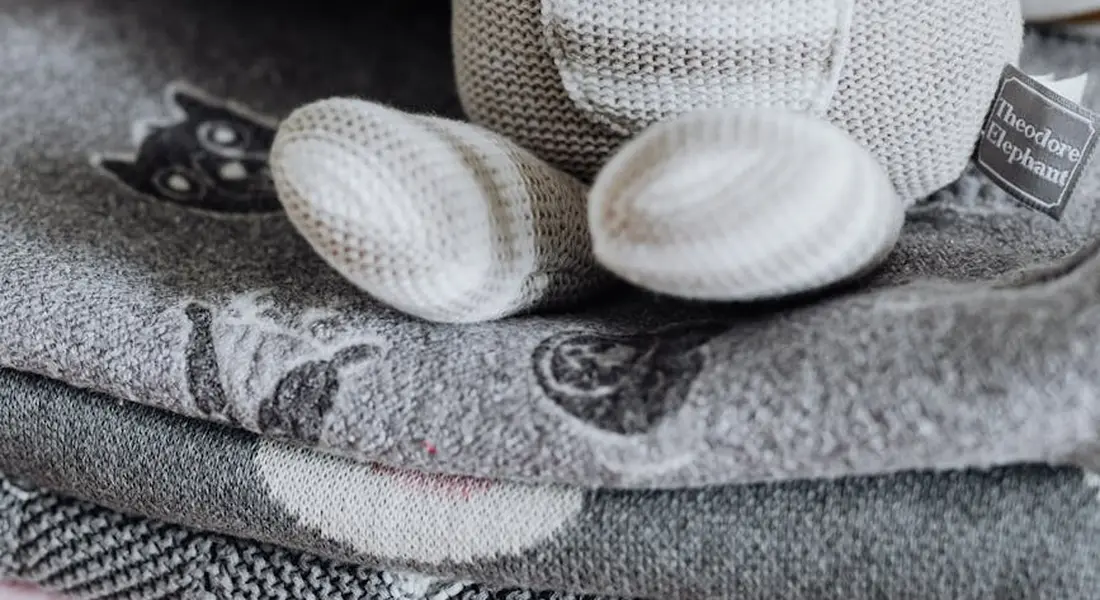
Cleaning fleece liners requires a simple routine that I’ve refined over years with my guinea pigs Pepper and Clover. I wash the liners every 3 to 4 days to prevent ammonia buildup and keep their habitat smelling fresh. After removing solids daily with a small brush or vacuum, I toss the liners in the washing machine on a gentle cycle. It’s just one part of the complete hygiene routine for guinea pigs.
- Use cold water and a pet-safe, fragrance-free detergent to avoid skin irritation.
- Air dry or use a low-heat dryer setting to preserve the fabric’s integrity.
- Spot clean any wet areas immediately to extend time between full washes.
Disposable bedding, like paper or wood shavings, offers quick disposal but needs frequent changes. You’ll replace the entire bedding layer every 5 to 7 days, depending on how many pigs you have and their habits. Simply scoop out soiled sections daily and add fresh bedding to maintain a clean environment.
For odor control, both options have distinct approaches. With fleece, I layer absorbent pads underneath and use baking soda in the wash to neutralize smells naturally. For disposables, choose low-dust options and mix in odor-absorbing materials like aspen shavings.
- Fleece: Rotate multiple liner sets to always have a clean one ready.
- Disposable: Ensure proper cage ventilation and avoid over-wetting areas.
When laundering fleece, I always skip fabric softeners and harsh chemicals. Stick to gentle, eco-friendly detergents to protect your guinea pigs’ sensitive respiratory systems and skin. From my experience, this prevents issues like sneezing or itching in pets like Biscuit. This mindset also extends to cleaning guinea pig cages: choose natural safe cleaning products with no harsh fumes. A toxin-free cage helps keep Biscuit comfortable and healthy.
Durability, Comfort, and Insulation
Fleece liners are surprisingly durable and can last over a year with proper care. I’ve used the same set for my trio-Pepper, Clover, and Biscuit-and they’ve held up through daily burrowing and play. The fabric resists pilling and tearing if washed correctly, making it a cost-effective choice long-term.
In terms of insulation, fleece excels at trapping warmth during colder months. It provides a cozy barrier that keeps guinea pigs comfortable without the chill of harder surfaces. During summer, its breathability helps prevent overheating, unlike some disposable beddings that can retain moisture and heat. In hot weather, you’ll still want good airflow and shaded areas to keep them cool. These summer care tips help you keep guinea pigs comfortable and safe during heat.
Comfort is key for guinea pig well-being, and fleece offers a soft, plush surface they love. My pigs often popcorn and nestle into fleece, showing it feels secure under their tiny feet. Disposable bedding varies; while some types are soft, others might be abrasive or less inviting. When weighing paper, wood, or fleece bedding, I consider comfort, safety, and ease of cleaning to decide what works best for my guinea pigs.
- Fleece liners are breathable, reducing the risk of respiratory issues common with dusty disposables.
- They mimic natural grassy environments, encouraging exploratory behavior and relaxation.
Bedding choice directly influences guinea pig behavior and coziness. I’ve noticed Pepper and Clover are more active and content on fleece, likely because it’s gentle on their joints and paws. Understanding guinea pig nesting behavior helps you tailor bedding to their needs. By observing how they burrow and stack material, you can choose depths and textures that support warmth and security. Opt for materials that support their natural instincts to burrow and hide, enhancing overall happiness.
Making the Right Choice for Your Situation
Choosing between fleece liners and disposable bedding isn’t one-size-fits-all; it’s about what works best for you and your guinea pigs. I’ve found that observing my own herd—Pepper, Clover, and Biscuit—helps me tailor their bedding to keep them happy and healthy. If you’re into DIY, you can make fleece liners and simple accessories to customize your guinea pig setup. DIY fleece liners are reusable and easy to wash, offering a practical option for many homes. Let’s break down the key factors so you can make an informed decision.
Match Bedding to Your Guinea Pig’s Age, Health, and Personality
Your guinea pig’s individual traits play a huge role in bedding comfort and safety. Younger or older pigs often need extra softness and ease of movement, while health issues like respiratory sensitivities demand low-dust options. For example, my gentle Pepper thrives on fleece because it’s cozy and doesn’t irritate her steady nature. Clover, who’s graceful but a bit skittish, appreciates the consistent feel of fleece that doesn’t shift under her paws. Biscuit, being reserved, does well with either, but I watch for any bedding that might trap moisture and cause discomfort. This is part of the ultimate guide to safe bedding options for guinea pigs, helping you choose materials that support comfort and health. It also shows how to tailor bedding to each pig’s unique traits.
- For seniors or babies: Opt for fleece liners for cushioning and warmth.
- If respiratory issues exist: Choose low-dust disposables like paper-based bedding or well-shaken fleece.
- For active or anxious pigs: Fleece provides a stable surface that reduces stress from shifting materials.
Consider Your Lifestyle and Space
Your daily routine and home setup matter just as much as your pets’ needs. Fleece liners require regular washing-about every 3-4 days in my house-so if you’re short on time, disposables might save you hours each week. I live in a small apartment, so storing extra bedding bags can be tricky; fleece stacks neatly in a closet. Disposables, though, mean less laundry but more frequent store runs. Think about your laundry access and how much space you have for bedding storage before deciding.
- Busy schedules: Disposables offer quick cleanup with no washing needed.
- Limited space: Fleece is compact and reusable, reducing clutter.
- Allergy concerns: Fleece needs thorough washing to avoid mold, while some disposables can be dustier.
Weighing Health, Cost, and Environmental Factors
Balancing these three areas ensures a choice that’s good for your pigs, your wallet, and the planet. Fleece liners are kinder to the environment long-term, cutting down on landfill waste, but they need an upfront investment for multiple sets. Health-wise, fleece reduces dust exposure, which I’ve seen help Clover’s occasional sneezing. Disposables can be cheaper per use initially, but costs add up over time. I always prioritize animal welfare by avoiding bedding with harsh chemicals or loose fibers that could cause ingestion issues.
- Health priority: Fleece minimizes dust and allergens; disposables should be unscented and absorbent.
- Budget focus: Disposables cost less upfront; fleece saves money after the initial purchase.
- Eco-goals: Fleece is reusable and reduces trash; look for biodegradable disposables if needed.
When to Choose Fleece or Disposables
Certain situations make one option stand out over the other. If you’re home often and want to reduce waste, fleece liners are a win for both your conscience and your pigs’ comfort. For temporary setups or if you’re dealing with a sick pig needing frequent changes, disposables can be more practical. In my experience, I use fleece for daily living and switch to disposables during deep cleans or when traveling for ease.
- Prefer fleece if: You have time for laundry, want eco-friendliness, or have multiple pigs in a large cage.
- Opt for disposables if: You need low-maintenance, have limited laundry access, or are managing health flare-ups.
FAQs
What are the main differences between fleece and disposable options?
Fleece liners are reusable fabric systems that wick moisture downward, requiring an absorbent layer and regular washing. Disposable bedding is single-use, absorbs liquid within its bulk, and needs full replacement every few days.
In what situations is fleece preferred over disposables?
Fleece is best for owners with consistent laundry access and those seeking long-term cost savings or reduced environmental waste. It also suits guinea pigs with respiratory sensitivities or a need for a stable, soft surface to prevent foot issues. To keep fleece liners effective, don’t make common washing mistakes. A quick guide highlights eight mistakes when washing fleece liners to avoid.
How do fleece and disposables compare in warmth and insulation?
Fleece provides excellent insulation by trapping warmth and maintaining a cozy environment, ideal for colder climates. Disposable bedding can vary in insulation but may compact or retain moisture, potentially reducing its effectiveness over time.
What are the cost considerations for fleece compared to disposables over time?
Fleece involves a higher initial investment but becomes cost-effective with reuse, saving on recurring purchases. Disposables have lower upfront costs but accumulate expenses through frequent replacements, making them pricier in the long run.
Are there allergy or skin-sensitivity considerations when choosing fleece vs disposables?
Fleece minimizes dust and allergens when properly maintained, reducing respiratory risks for sensitive pigs. Disposable bedding may contain irritants like fine particles or chemicals, which could trigger allergies or skin reactions in prone individuals.
Your Guinea Pig’s Best Bedding Choice
From my time caring for Pepper, Clover, and Biscuit, fleece liners consistently support better health and save money over disposable options. They reduce waste and create a safer, cozier home for your pets to thrive in.
Stay curious and keep learning about sustainable pet care to enhance your guinea pigs’ quality of life. Proper guinea pig care means a clean, spacious habitat, fresh hay, and daily social time. Every eco-friendly decision you make helps protect our planet and your furry companions.
Further Reading & Sources
- Fleece Bedding – Guinea Pig Cage Company
- The Ultimate Guide to Using Fleece Bedding for Guinea Pigs
- Fleece Liners for C and C Guinea Pigs cages| Kavee C&C Cage USA
- r/guineapigs on Reddit: Bedding or blankets?
Kate is a passionate guinea pig owner and advocate for small pet welfare. With over a decade of experience caring for guinea pigs, she has become a trusted voice in the small pet community.
Uncategorized