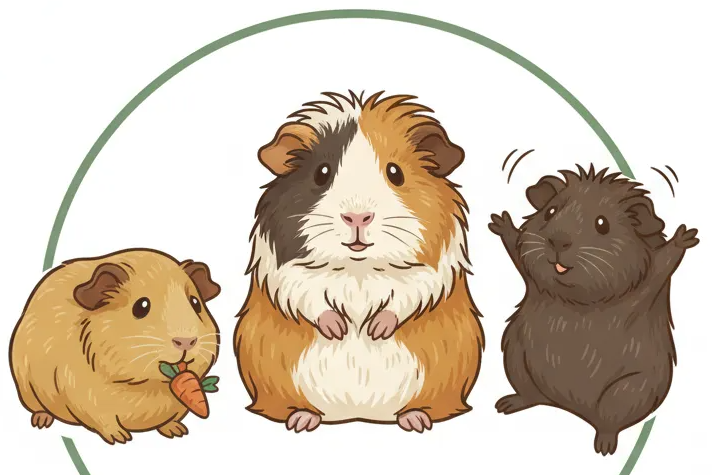
How to Keep Guinea Pigs Cool in Hot Weather: Summer Care Tips
Hello CavyFam, are you worried about your guinea pigs overheating during a hot summer day? I felt the same panic when I first noticed my guinea pig Pepper panting heavily in the warmth.
In this article, I’ll cover creating shaded areas, maintaining hydration, spotting heat stress early, and using pet-safe cooling tricks. My years of experience with guinea pigs like curious Biscuit have taught me reliable ways to protect them from heat risks.
Why Guinea Pigs Struggle with Heat and Humidity
- Guinea pigs cannot sweat like humans do, which leaves them with fewer ways to cool off naturally. Their thick fur acts like a cozy blanket that traps body heat, making overheating a real risk even on mildly warm days.
- Keep their environment between 65 and 75 degrees Fahrenheit for comfort and safety. High humidity worsens heat stress because moist air hampers their ability to release heat through panting or slight evaporative cooling from their skin.
- I noticed Biscuit, my Peruvian guinea pig, become unusually still one humid afternoon, seeking shade constantly. His reserved nature made it subtle, but it reminded me how quickly heat discomfort can set in for these small pets.
Recognizing Signs of Heat Stress in Your Guinea Pig
- Watch for heavy panting with an open mouth and extreme lethargy. Your guinea pig may lie stretched out flat on cool surfaces, trying to maximize contact to lower its body temperature.
- Notice if they eat less or become quieter than usual. A drop in appetite or fewer cheerful squeaks can signal that the heat is making them feel unwell and stressed.
- Act fast if you see drooling, wobbliness, or seizures-these are emergencies. Immediate vet attention is crucial to prevent life-threatening complications from heatstroke.
Effective Cooling Methods to Beat the Summer Heat
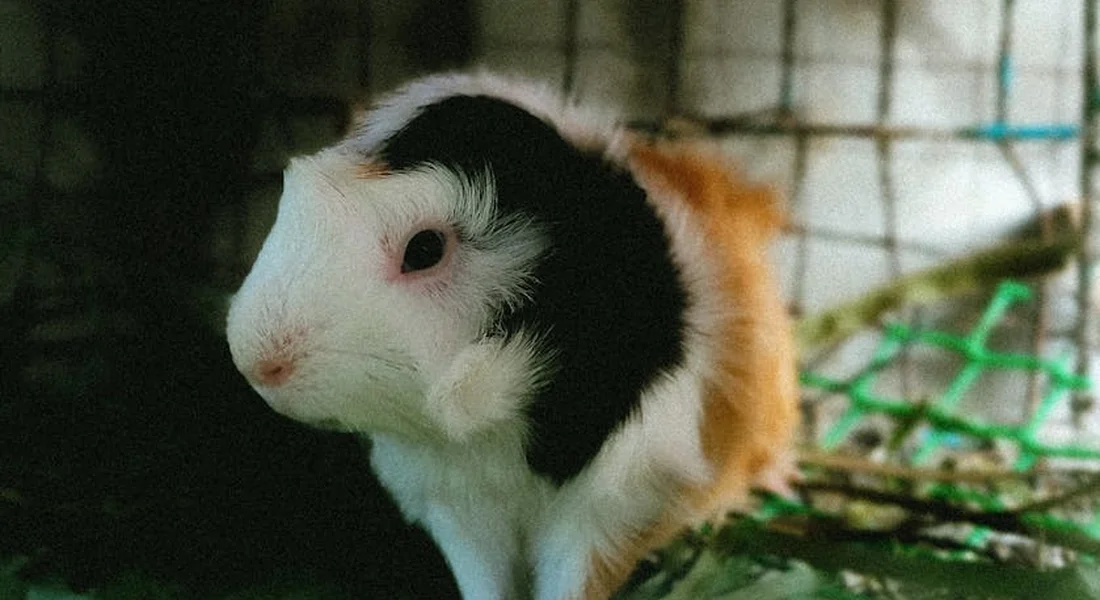
Creating Shade and Maximizing Airflow
Smart cage placement and gentle air movement are your first line of defense against overheating. I always check that my guinea pigs, like gentle Pepper, have shaded spots to retreat to throughout the day.
- Indoors, use thick curtains or move cages away from sunny windows. Outdoors, set up under a tree or use a breathable cover.
- Place a fan on low speed across the room for circulation, but never aim it directly at your pets to prevent chills.
- Keep cages far from appliances, heaters, or any heat-emitting sources to maintain a stable, cooler environment.
Hydration and Refreshing Treats
Hydration is non-negotiable, and I refresh water bottles twice daily to ensure they stay cool and appealing. I also clean and rinse the guinea pig water bottles regularly to prevent buildup. This helps keep the water fresh, and Clover perks up with each sip.
- Offer fresh, cool water in clean bottles or bowls, checking for algae or debris that can grow quickly in heat.
- Slice watery veggies like cucumber or romaine lettuce into small pieces for a crunchy, moisture-rich snack.
- Wrap a frozen water bottle in a towel and place it near the cage; my reserved Biscuit often leans against it for relief.
Grooming and Cool Surfaces
Light grooming helps remove loose fur that traps heat, especially for long-haired breeds like Biscuit. I use a soft brush weekly to keep coats manageable without stressing them—whether they’re short or long-haired.
- Brush gently to avoid irritating skin, focusing on areas where mats can form in humid conditions.
- Switch to ceramic tiles or chilled marble slabs as resting spots, or lay a damp towel for them to lie on.
- Never shave your guinea pig-their fur protects against sunburn, and I learned this the hard way with a past pet.
Outdoor vs. Indoor Living: Summer Safety Guidelines
Full-time outdoor housing risks heatstroke, so I prioritize indoor safety during scorching days. Even a few hours outside can be dangerous if not monitored closely. This ties into a broader indoor living vs outdoor hutch complete health safety breakdown. It weighs temperature, ventilation, predator risk, and daily monitoring to keep pets safe.
- Outdoor enclosures expose guinea pigs to direct sun and temperature spikes, making dehydration and overheating likely.
- Limit outdoor time to early mornings or late evenings when it’s cooler, and always provide shade and water.
- During heatwaves, I move graceful Clover indoors permanently; her comfort improved instantly in a climate-controlled space.
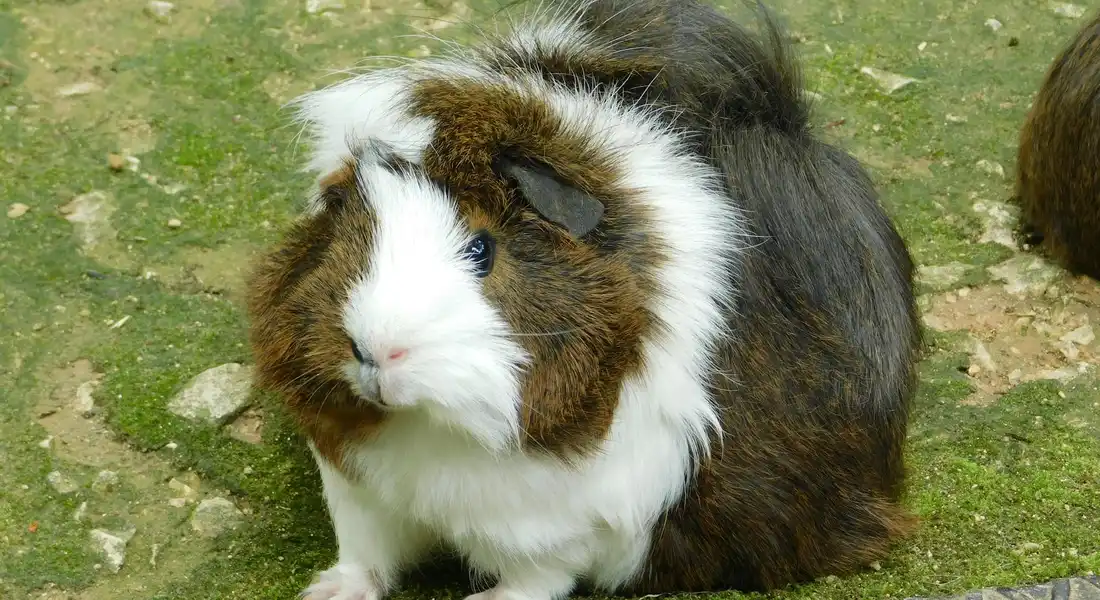
Daily Summer Care Routine for Happy, Cool Guinea Pigs
-
Morning check: water refill, cage inspection for cool spots.
Start each day by refreshing their water bottle with cold, clean water. I always add a few ice cubes to Pepper’s bottle to keep it cooler for longer. Run your hand over the cage floor and hideys to feel for any warm areas that the sun might hit later.
-
Midday: offer cold treats, monitor for heat signs.
Around the hottest part of the day, I slice a chilled cucumber or offer a piece of cold watermelon. Watching how eagerly Clover nibbles on a cool snack tells me she’s managing the heat well. Look for any heavy, open-mouth breathing or lethargy, which are early warnings.
-
Evening: gentle grooming, ensure ventilation overnight.
As things cool down, a soft brush helps remove loose fur, which improves air circulation against their skin. Biscuit, with her long Peruvian fur, especially appreciates this evening ritual. Before you turn in, crack a window nearby or position a safe fan to keep fresh air moving through their space all night.
Handling Extreme Heat: Emergency Cooling Practices
-
Steps for quick cooling: move to cooler room, use damp cloths.
If a guinea pig feels overly warm, immediately relocate their entire cage to the coolest room in your home, like a basement or a tiled bathroom. Guinea pigs don’t regulate their body temperature well and can overheat quickly in warm conditions. In hot weather, proactive cooling and monitoring for signs of overheating are essential. I gently stroke my pigs with a cloth dampened in cool (not icy) water, focusing on their ears and feet where blood vessels are close to the surface. This can lower their body temperature quickly and safely.
-
When to contact a vet-prioritize animal welfare.
Any sign of labored breathing, drooling, or a limp, unresponsive body is a veterinary emergency. Guinea pigs are prey animals and will often hide illness until it’s severe, so immediate professional help is non-negotiable for their welfare. Respiratory distress in guinea pigs presents its own urgent symptoms that should never be ignored. Don’t wait to see if they improve on their own.
-
Preventive measures for heatwaves, like using air conditioning if available.
During a forecasted heatwave, I move my guinea pigs’ enclosure right next to an air conditioning vent days in advance. If you don’t have AC, freezing plastic bottles of water and placing them near their favorite resting spots creates a simple, effective cool zone they can lean against. Always wrap the bottle in a thin towel to prevent direct contact with their sensitive skin. Temperature management matters year-round for guinea pigs, not just during heat waves. When it’s cold, keep their space warm with extra bedding and a cozy, draft-free spot; if needed, use a safe, indirect heat source rather than direct heaters.
FAQs
Can I give my guinea pig ice cubes to eat?
It’s not safe to offer ice cubes directly, as they can pose a choking hazard or damage your guinea pig’s teeth. Instead, provide chilled, watery vegetables like cucumber slices for a refreshing and risk-free snack. Guinea pigs can eat cucumbers safely in moderation as part of a balanced diet. Always wash the cucumber and cut it into small, bite-sized pieces before serving.
What are the best types of bedding for hot weather?
Choose breathable, absorbent bedding such as paper-based or aspen shavings to help keep the cage cooler and reduce heat retention. Avoid cedar or pine bedding, as they can trap heat and release irritants that worsen in warm conditions, especially when compared to fleece bedding which, while comfortable, is not ideal for heat dissipation.
Is it necessary to trim my guinea pig’s nails more often in summer?
Nail trimming frequency does not need to increase specifically for summer, but maintaining a regular grooming routine is essential for overall health. Stick to your usual schedule to prevent overgrowth and ensure your guinea pig remains comfortable year-round. Don’t forget to check seasonal grooming needs for guinea pigs to keep them in top shape.
Your Guinea Pig’s Summer Comfort Plan
Keep your guinea pigs safe by providing constant fresh water, shade, and cooling aids like frozen bottles. Monitoring their behavior for signs of overheating ensures you can act quickly to prevent distress. To properly care for guinea pigs, ensure a clean, spacious cage and regular veterinary checkups. Also provide a hay-based diet and fresh greens to support their health.
Responsible ownership means always learning better ways to care for your pets, like choosing eco-friendly supplies. From my experience with Pepper, Clover, and Biscuit, small sustainable changes make a big difference in their health and our planet.
Further Reading & Sources
- How to Keep Guinea Pigs Cool in Summer & Heat Stroke Advice
- How to Keep Guinea Pigs Cool in the Summer | Blue Cross
- How to Keep Your Guinea Pig Cool in the Summer – GuineaDad
- Keeping your guinea pigs cool in the summer: dos and don’ts! – PDSA
Kate is a passionate guinea pig owner and advocate for small pet welfare. With over a decade of experience caring for guinea pigs, she has become a trusted voice in the small pet community.
Uncategorized