Can Guinea Pigs Eat Daisies and Pansies?
Hello CavyFam! You’re probably wondering if those pretty garden flowers are a safe snack for your furry friend. It’s smart to question every new food before offering it.
In this guide, I’ll cover which daisies and pansies are safe, the nutritional benefits, how to properly prepare them, and other healthy flower alternatives. With years of experience caring for my own guinea pigs, I’ve learned firsthand how to keep their diets both safe and exciting.
Understanding Guinea Pig Digestion and Flower Treats
Guinea pigs are hindgut fermenters, which means their digestive systems are specifically designed to process high-fiber plant material. Their gut relies on a constant intake of fiber to keep everything moving smoothly and prevent serious health issues. I’ve noticed with my own guinea pigs, like gentle Pepper and graceful Clover, that introducing new foods too quickly can upset their delicate stomachs. Flowers can be a wonderful, enriching treat, but they must be introduced with care and knowledge.
Are Daisies Safe for Guinea Pigs?
Yes, the common daisy (Bellis perennis) is generally considered safe for guinea pigs to eat in strict moderation. Think of daisies as a special occasion snack, not a regular part of their daily diet. From my experience, my piggies get excited by the novel texture and taste, but I always limit their portions to avoid any digestive upset. For variety, some owners also offer small amounts of marigolds or marigold leaves as an occasional treat, but they should be given sparingly just like daisies. As with any new plant, start with a tiny piece and monitor for any changes in digestion, and avoid plants treated with pesticides.
Nutritional Benefits of Daisies
While not a nutritional powerhouse like hay, daisies do offer some benefits. They provide a small amount of hydration and can be a source of mental stimulation. The main benefit is enrichment; foraging on a safe flower provides crucial mental exercise for your curious pet. My intelligent Biscuit, for instance, loves the challenge of nibbling on the different parts of the flower.
- Provides a novel source of enrichment and foraging fun.
- Offers a small amount of dietary variety and hydration.
- Encourages natural chewing behaviors.
Risks and How to Mitigate Them
The biggest risk isn’t the daisy itself, but where it comes from. Daisies from florists, garden centers, or public parks are almost always contaminated with pesticides, herbicides, or chemical fertilizers that are toxic to small animals. You must only feed daisies you have grown yourself without any chemicals.
Even with homegrown daisies, proper preparation is non-negotiable.
- Thoroughly wash the entire flower under cool, running water to remove any dirt or tiny insects.
- Pat the daisy completely dry with a clean paper towel to prevent introducing moisture that could cause mold in their cage.
- Start with a very small piece-just a single petal or a tiny portion of a leaf-to see how your guinea pig reacts.
- Observe your pet for the next 24 hours for any signs of soft stools or lethargy.
Never replace their core diet of unlimited hay, fresh water, and high-quality pellets with flower treats. This careful approach has kept my own herd of three happy and healthy when enjoying these floral snacks.
Are Pansies Safe for Guinea Pigs?
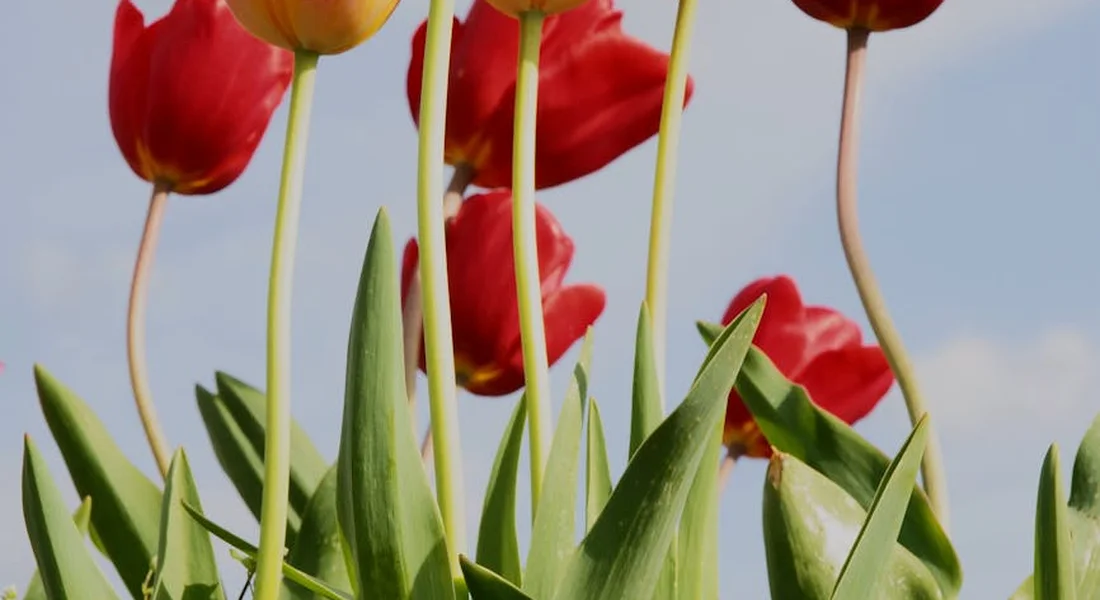
Yes, pansies are generally safe for guinea pigs to eat in moderation. My guinea pig, Clover, absolutely adores the occasional pansy petal and shows no ill effects when I offer it as a special treat. They are non-toxic and can add a lovely splash of color and variety to their diet. This is a good reminder when you’re exploring safe vs. unsafe herbs for guinea pigs. Knowing which herbs are safe helps keep their meals balanced and healthy.
Health perks of pansies
Pansies offer more than just a pretty face. They contain Vitamin C, which is absolutely vital for your guinea pig since their bodies can’t produce it themselves. Including small amounts of fresh, edible flowers like pansies can be a fun way to supplement their nutritional needs. They also provide a bit of hydration and dietary fiber.
- A source of essential Vitamin C
- Provides hydration from their high water content
- Offers a small amount of dietary fiber for digestion
- Introduces new textures and flavors for enrichment
Feeding pansies with caution
While safe, pansies should be considered a treat, not a staple food. The key is moderation, as overfeeding any treat, including pansies, can lead to an upset stomach or diarrhea. I learned this the careful way after my piggy, Biscuit, had a minor digestive upset from one too many flowers.
- Always source pansies that are guaranteed pesticide-free and haven’t been treated with chemicals.
- Introduce them slowly, offering just one small flower or a few petals at first to see how your guinea pig reacts.
- Limit pansy treats to once or twice a week at most to prevent digestive issues.
- Observe your pet closely after introducing any new food to their diet.
How to Prepare Daisies and Pansies for Your Guinea Pig
Proper preparation is essential to ensure these flowers are a safe and enjoyable snack. Taking a few extra minutes to prepare these treats correctly protects your pet’s health and gives you peace of mind. I follow these steps every single time I pick flowers for Pepper, Clover, and Biscuit.
- Source Safely: Only pick flowers from your own garden where you know no pesticides or herbicides have been used. Never pick from public parks or roadsides.
- Inspect Thoroughly: Look over each flower carefully. Choose vibrant, fresh blooms and discard any that are wilted, discolored, or have signs of insects or mold.
- Wash Gently: Rinse the flowers under cool, running water. Gently rub the petals and stems to remove any dirt, tiny bugs, or potential contaminants.
- Pat Dry: Use a clean paper towel or cloth to gently pat the flowers dry. Excess moisture can make the treat soggy and unappealing.
- Serve Fresh: Offer the prepared flower immediately. Remove any uneaten portions from the cage within a few hours to prevent spoilage.
Here’s a quick guide to remember the basics for each flower:
| Flower | Safety | Preparation Tip |
|---|---|---|
| Daisies | Petals only; stems/leaves may cause irritation | Pluck petals individually and discard the rest of the flower head. |
| Pansies | Entire flower is safe | You can serve the whole bloom after a good wash. |
Recognizing Signs of Bad Reactions
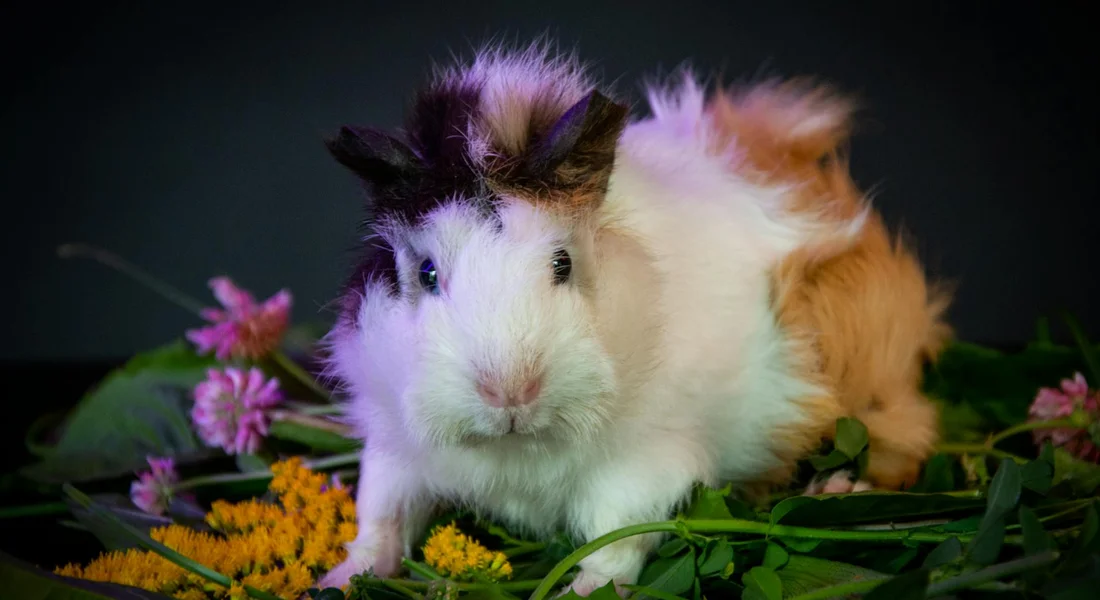
When introducing any new flower, like daisies or pansies, watch your guinea pig closely for the first 24 hours. Your guinea pig’s digestive system is delicate, and a bad reaction can happen quickly. I learned this early on when my gentle boy, Pepper, tried a new herb and had a minor upset stomach. Mint is a common herb that guinea pigs can eat safely in small amounts. Start with a tiny nibble and watch for any changes in digestion, just as Pepper’s experience taught me.
Symptoms to Monitor
Keep a close eye on their behavior and physical state. Any of these signs mean you should stop feeding the flower immediately and consult your vet.
- Lethargy or unusual lack of movement
- Diarrhea or very soft, watery droppings
- Loss of appetite or refusing favorite foods
- Excessive drooling or difficulty swallowing
- Swelling around the mouth or face
My thoughtful girl, Clover, once turned down a piece of bell pepper, which was her absolute favorite. That sudden food refusal was my first clue something was off. Trust your instincts-you know your pet’s normal routines best.
Other Edible Flowers for a Balanced Diet
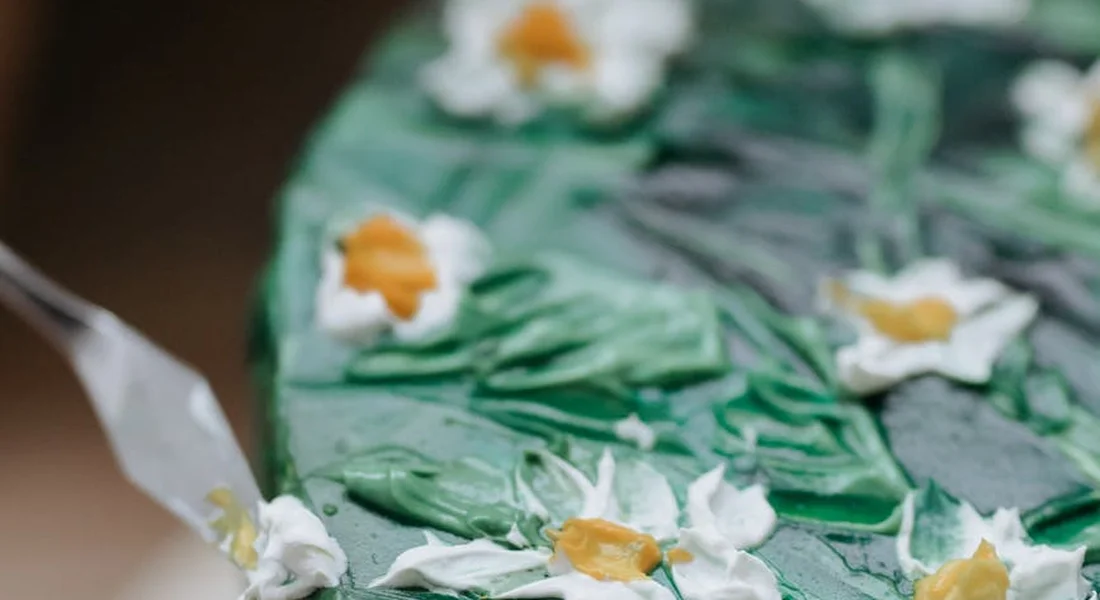
Flowers should only be a small, occasional treat, not a dietary staple. I typically offer flowers to my trio no more than once or twice a week. This provides variety without risking their primary nutrition from hay and pellets.
Safe and Nutritious Flower Options
Here are some flowers I’ve safely fed my guinea pigs over the years. Always ensure they are unsprayed and washed thoroughly. Beyond flowers, I also explore edible weeds and foraged greens for my guinea pigs, making sure they’re safe and pesticide-free. Proper identification and moderation are key when adding these to their diet.
- Roses: Petals are rich in Vitamin C. My guinea pigs love the subtle sweetness.
- Marigolds (Calendula): Bright orange petals that are gentle on their stomachs.
- Nasturtiums: Both leaves and flowers are safe and have a peppery taste.
- Hibiscus: A flavorful treat that’s always a hit with my intelligent pig, Biscuit.
How to Serve Flowers Safely
Proper preparation is key to making flower treats both safe and enjoyable.
- Source flowers from your own chemical-free garden or a trusted organic supplier.
- Wash the petals gently under cool running water to remove dirt or tiny bugs.
- Pat them dry with a clean paper towel.
- Offer just one or two small petals at first to test for tolerance.
Always remove the pistils and stamens from the center of the flower before serving. These parts can sometimes irritate their sensitive mouths. I make it a habit to pluck them out for my herd.
Best Practices for Feeding Flowers
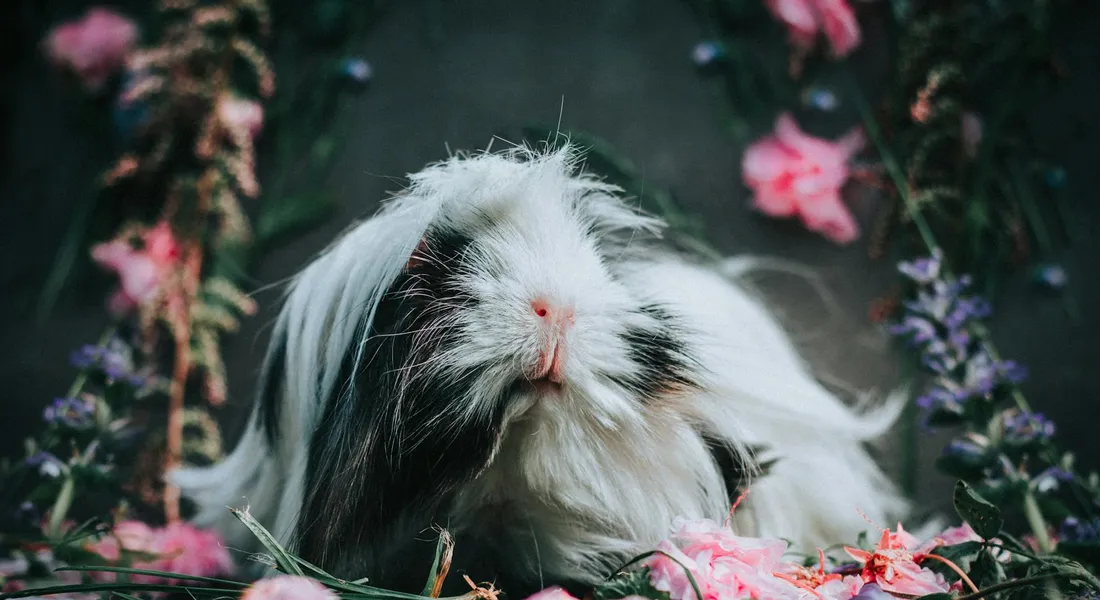
Feeding flowers to your guinea pigs can be a wonderful treat, but it must be done correctly. Getting the sourcing and preparation right is the single most important step for their safety, especially when it comes to more delicate ones like hibiscus. You can learn more about that here. I learned this the hard way when I first brought home Biscuit, who had a sensitive stomach.
Source Your Flowers Safely
Where you get your flowers matters immensely. Never pick them from roadsides, public parks, or areas that might have been sprayed with pesticides or herbicides.
- Grow your own in pots with organic soil. This is my preferred method for Pepper and Clover.
- Purchase edible flowers from a trusted organic grocer.
- Avoid florist bouquets entirely, as they are treated with preservatives and chemicals not meant for consumption.
Always assume any flower not explicitly grown for consumption is unsafe for your pet. This simple rule has kept my herd healthy for years.
Wash and Prepare Thoroughly
Even organically grown flowers need a good rinse. Dirt, tiny bugs, and dust can cling to the petals and leaves.
- Gently rinse the flower under cool, running water.
- Pat it dry with a clean paper towel or let it air dry.
- Remove the flower from the stem. While some stems are safe, it’s easier to just offer the flower head to avoid any confusion.
A quick wash removes potential contaminants that could upset your guinea pig’s delicate digestive system. I do this for every single treat I give my three, especially when I’m following their complete hygiene and cleaning routine.
Practice Strict Portion Control
Flowers are a treat, not a staple food. Their primary diet must always be high-quality hay.
- Offer a single, small flower head, like one pansy or two daisy petals, per guinea pig.
- Limit flower treats to once or twice a week at most.
- Observe your pet after feeding for any changes in behavior or droppings.
Overfeeding any treat, even a safe one, can lead to digestive issues like diarrhea or bloating. Clover, in particular, gets a very small piece to ensure she doesn’t have a reaction.
Introduce One Flower at a Time
When trying a new flower for the first time, introduce it alone. Do not mix it with other new foods or treats.
- Offer a tiny piece of the new flower.
- Wait 24 hours and monitor your guinea pig closely.
- Look for signs of a happy, healthy pig: normal eating, drinking, and pooping.
This “one-at-a-time” method helps you instantly identify the cause if an allergy or intolerance appears. I did this with Biscuit when introducing pansies, and it gave me great peace of mind.
A Quick Comparison: Daisies vs. Pansies
| Flower | Frequency | Part to Feed | My Herd’s Reaction |
|---|---|---|---|
| Daisies | Once a week | Petals only | Pepper loves them, Clover is indifferent. |
| Pansies | Twice a month | Whole flower head | Biscuit gets a tiny piece as a special reward. |
Remember that every guinea pig is an individual with unique tastes and tolerances. What one of my pigs enjoys, another might completely ignore. This reflects each pig’s personality temperament. Knowing their temperament helps tailor care and enrichment for each pig.
Following these practices turns a simple treat into a safe and enriching experience. Your vigilance is what allows them to enjoy these little bits of floral joy without any risk. Their health and happiness are always worth the extra effort.
FAQs
Can guinea pigs eat daisies daily?
No, daisies should only be an occasional treat, not a daily food. Overfeeding can lead to digestive issues like diarrhea or bloating.
Are all parts of the daisy plant safe for guinea pigs?
Only the petals of the common daisy are safe for consumption. Stems and leaves may cause mouth irritation or stomach upset and should be avoided.
How should I store fresh daisies for my guinea pig?
Store fresh daisies in a sealed container in the refrigerator to maintain freshness. Always wash and prepare them just before serving to ensure safety.
Can baby guinea pigs eat daisies?
It is best to avoid feeding daisies to baby guinea pigs due to their sensitive digestive systems. For a baby or young guinea pig, feeding should center on hay and pellets to support growth. Wait until they are older and stick to a core diet of hay and pellets.
What are the long-term effects of feeding daisies to guinea pigs?
When fed in strict moderation, daisies pose no known long-term health risks. Always observe your guinea pig for any changes and consult a vet if concerns arise. That said, many myths about guinea pig diets could harm your pet if followed. Here are the 10 biggest myths about guinea pig diets to watch out for.
Making Flower Choices for Your Herd
Both daisies and pansies are safe for your guinea pigs to eat, but they should be offered as occasional treats, not a regular part of their diet. Always ensure any flowers you provide are fresh, thoroughly washed, and completely free from pesticides or other chemicals. Check out safe flowers and plants for guinea pigs to eat to expand their treat options.
Being a proactive pet owner means always double-checking new foods and prioritizing your pets’ long-term health and happiness. Continue learning about safe, natural foraging options to provide a varied and enriching life for your small companions.
Further Reading & Sources
- What Flowers Can Guinea Pigs Eat? A Full List – I C Cinnamon
- What Guinea Pigs Shouldn’t Eat | Feeding Guinea Pigs | Guinea Pigs | Guide
- Flowers That Your Guinea Pig Can Eat – GuineaDad
- Daisy? – Guinea Pig Cages
Kate is a passionate guinea pig owner and advocate for small pet welfare. With over a decade of experience caring for guinea pigs, she has become a trusted voice in the small pet community.
Uncategorized