Can Guinea Pigs Eat Chocolate and Sweets? A Safety Guide
Hello CavyFam! You might be curious if sharing a sweet snack with your guinea pig is harmless or risky. Many pet owners worry about accidental ingestion and the potential health dangers, which is a valid concern for any loving caretaker.
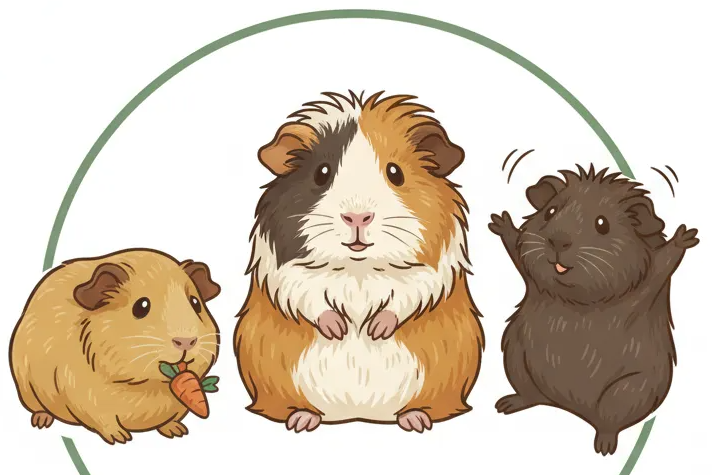
In this article, I’ll cover why chocolate is toxic, safe treat alternatives, symptoms of poisoning, and prevention strategies. With years of hands-on experience raising guinea pigs like Pepper, Clover, and Biscuit, I offer trustworthy advice to keep your pets healthy.
The Hard Truth About Chocolate and Guinea Pigs
You might think a tiny piece of chocolate won’t hurt, but for guinea pigs, it’s a dangerous mistake. I learned this the hard way when my curious guinea pig, Pepper, sniffed around some leftover candy wrappers, and I realized how easily accidents happen. Their bodies aren’t built to handle human treats, and even a small amount can lead to serious health issues.
Chocolate contains substances that are toxic to guinea pigs, and it offers zero nutritional benefit for them. Sticking to their natural diet of hay, fresh veggies, and pellets keeps them healthy and happy. I’ve seen my own guinea pigs, like gentle Clover, thrive on proper food, and it’s a relief to know I’m protecting them. If you want to offer herbs, safe mint for guinea pigs can be a small treat in moderation. Introduce mint slowly and observe for any digestive changes.
- Chocolate has no place in a guinea pig’s diet because it can cause poisoning.
- Sugary sweets lead to obesity and dental problems over time.
- Always check treats for hidden ingredients that might harm your pet.
Why Chocolate is a Silent Threat to Your Pet
Chocolate’s danger often goes unnoticed until it’s too late, making it a silent threat in your home. Symptoms might not appear right away, giving a false sense of safety that can delay vital care. From my experience with Biscuit, who’s more reserved, I watch her closely because guinea pigs hide illness well, and chocolate exposure requires immediate action.
This treat can seem harmless, but it disrupts their delicate digestive systems quietly. Early signs like restlessness or loss of appetite are easy to miss if you’re not paying attention. Recognizing signs of pain, illness, or changes in guinea pig behavior is crucial for timely care. By observing daily routines and posture, owners can catch problems early. I advocate for guinea pig welfare by reminding owners that prevention is always better than treatment.
The Toxic Culprit: Theobromine
Theobromine is the main toxic compound in chocolate that guinea pigs can’t process effectively. Unlike humans, guinea pigs metabolize theobromine slowly, allowing it to build up to poisonous levels in their small bodies. I remember reading about this after Pepper’s scare, and it made me extra cautious about keeping all sweets out of reach.
Even dark chocolate, which people might think is healthier, has higher theobromine content and is more dangerous. This substance can affect their heart and nervous system, leading to rapid health decline. In my years of care, I’ve avoided any risky foods to ensure my pets, like graceful Clover, live long, vibrant lives.
- Theobromine causes increased heart rate and agitation in guinea pigs.
- Guinea pigs lack the enzymes to break it down safely, unlike some other animals.
- Always choose safe alternatives like small bits of bell pepper or leafy greens.
From Sugar to Seizures: The Cascade of Harm
When a guinea pig eats chocolate, the harm starts with sugar and escalates to severe issues like seizures. First, the sugar overload can cause digestive upset and weight gain, but the theobromine quickly takes over with more alarming effects. I’ve seen how even a little sweetness can make my guinea pigs, like intelligent Biscuit, act off, and it’s a red flag for bigger problems.
This cascade begins with mild symptoms and can progress rapidly if untreated. Watch for signs like vomiting, tremors, or confusion, as these indicate theobromine poisoning is worsening. From my personal care routine, I keep emergency vet numbers handy because quick response can save a life.
- Sugar intake leads to spikes in blood glucose and potential diabetes risks.
- Theobromine then triggers neurological symptoms, such as hyperactivity or muscle twitches.
- In severe cases, it can cause seizures, heart failure, or even be fatal without intervention.
Preventing this cascade means never offering chocolate or sweets, no matter how much they beg. Stick to guinea pig-safe foods to avoid any risk and keep your furry friends thriving. I always double-check treats for my herd, and it’s a simple step that brings peace of mind. Many guinea pigs have favorite treats—think crunchy vegetables or hay-based snacks. Just be sure to give them in moderation and stick to guinea pig-safe options.
Emergency Response: If Your Guinea Pig Eats Chocolate

If your guinea pig nibbles on chocolate, act fast to protect their health. Chocolate contains theobromine and caffeine, which guinea pigs cannot process safely. I remember when my curious guinea pig, Biscuit, once snuck a tiny piece of a wrapper—thankfully not chocolate—but it taught me to stay vigilant. It’s important to know what foods guinea pigs can safely eat to avoid any risks.
- Remove any remaining chocolate or sweets from their reach immediately.
- Check how much they ate and note the type of chocolate-darker varieties are more toxic.
- Contact your veterinarian or an emergency pet clinic right away for guidance.
- Do not try home remedies like inducing vomiting, as this can harm your pet.
- Keep your guinea pig calm and monitor them closely while waiting for professional help.
Quick action can make a big difference in preventing serious health issues. From caring for Pepper, Clover, and Biscuit, I’ve learned that guinea pigs rely on us to keep their diet safe and natural. It’s crucial to know which safe and unsafe herbs are for guinea pigs, so we feed them wisely.
Recognizing the Signs of Chocolate Poisoning
Watch for changes in behavior or physical symptoms that signal trouble. Symptoms can appear within hours and vary based on the amount ingested. My gentle guinea pig, Pepper, showed subtle signs once after eating something off-it reminded me how sensitive they are.
- Restlessness or hyperactivity, like unusual pacing or twitching.
- Rapid breathing or panting, which feels alarming to witness.
- Diarrhea or soft stools, often with a foul smell.
- Increased thirst and urination, as their body tries to flush toxins.
- Lethargy or weakness, where they might hide or refuse to move.
- In severe cases, tremors or seizures-seek vet care immediately.
Guinea pigs hide illness well, so any odd behavior deserves attention. I’ve noticed Clover’s graceful demeanor shift when she’s unwell, reinforcing why animal welfare starts with observation and care.
Building a Sweet Life Without Sweets
Your Guinea Pig’s Ideal Daily Plate
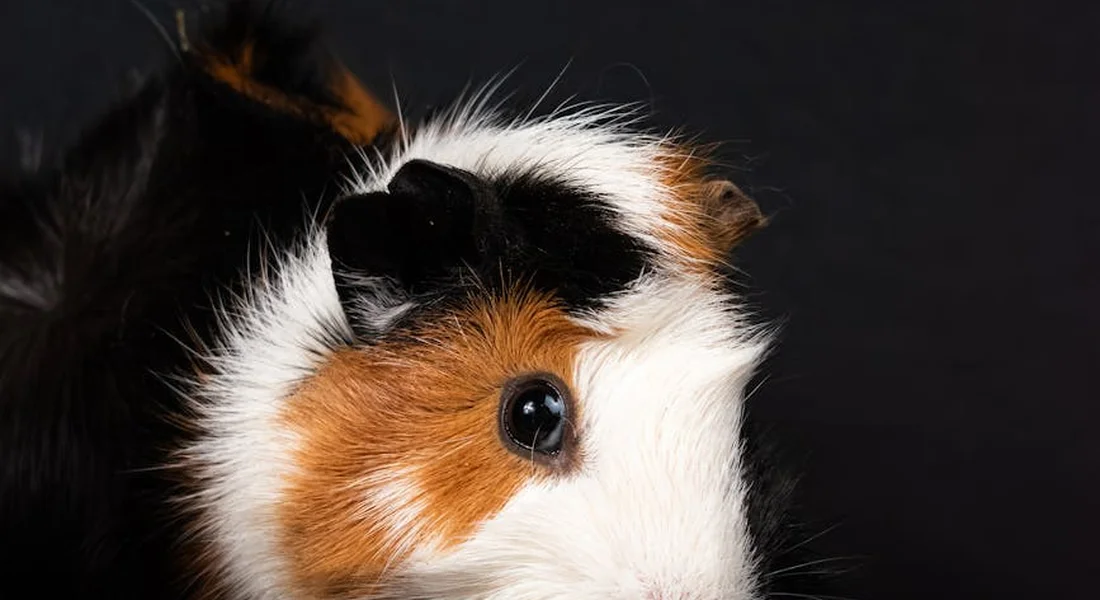
I learned through trial and error with my own herd that a guinea pig’s digestive system is a finely tuned machine built for fiber, not sugar. Their daily diet should be a simple, predictable routine centered on high-quality hay, a small portion of fortified pellets, and a rotating cast of fresh vegetables. Think of it as building a healthy, colorful plate that keeps their gut moving and their teeth worn down. For an ideal overall diet for a healthy guinea pig, consistency and fiber-forward choices are key. Sticking to that plan supports gut health, proper dental wear, and overall well-being.
Here is the daily breakdown I follow for Pepper, Clover, and Biscuit:
- Unlimited Timothy Hay: This should make up about 80% of their diet. It’s essential for digestion and dental health.
- Fortified Pellets: Just 1/8 cup per pig per day. Look for pellets high in fiber and Vitamin C, with no colorful bits or added sugars.
- Fresh Veggies (About 1 cup daily): This is where you can provide variety and crucial nutrients.
A sample veggie plate for my trio looks something like this:
- Daily Staples: Romaine lettuce, bell pepper (a fantastic Vitamin C source), and a cucumber slice for hydration.
- Rotating Treats (2-3 times a week): A sprig of cilantro, a small carrot round, or a single cherry tomato.
- Occasional Bites (Once a week): A small piece of apple or a single blueberry, with the skin and seeds removed.
Creating a Sweets-Free Sanctuary
Keeping your guinea pig safe means being proactive about their environment. The most important step is to store all human sweets and chocolate in securely closed cabinets, completely out of reach of curious noses and any potential escape attempts from their enclosure. I keep my own snacks in a high kitchen cupboard, far from where the guinea pigs have their floor time. That same care should extend to a multi-level cage: choose sturdy, escape-proof levels with non-slip ramps. Make sure gaps are small enough to prevent escapes and falls. For more information, check out these guinea pig cage safety tips.
When you’re enjoying a treat yourself, it’s best to do it in a separate room from your pets. Those pleading looks are hard to resist, but their health is worth more than a momentary indulgence. I often have my afternoon tea in the living room while the pigs are safely in their habitat in my office.
Instead of sugary foods, offer safe and exciting alternatives that satisfy their natural foraging instincts.
- Hide their daily portion of pellets in a cardboard tube stuffed with hay.
- Create a “salad ball” by placing chopped veggies in a hollow, pet-safe toy.
- Grow a small pot of wheatgrass or oat grass for them to nibble on as a fresh, healthy snack.
FAQs
How much chocolate can harm a guinea pig?
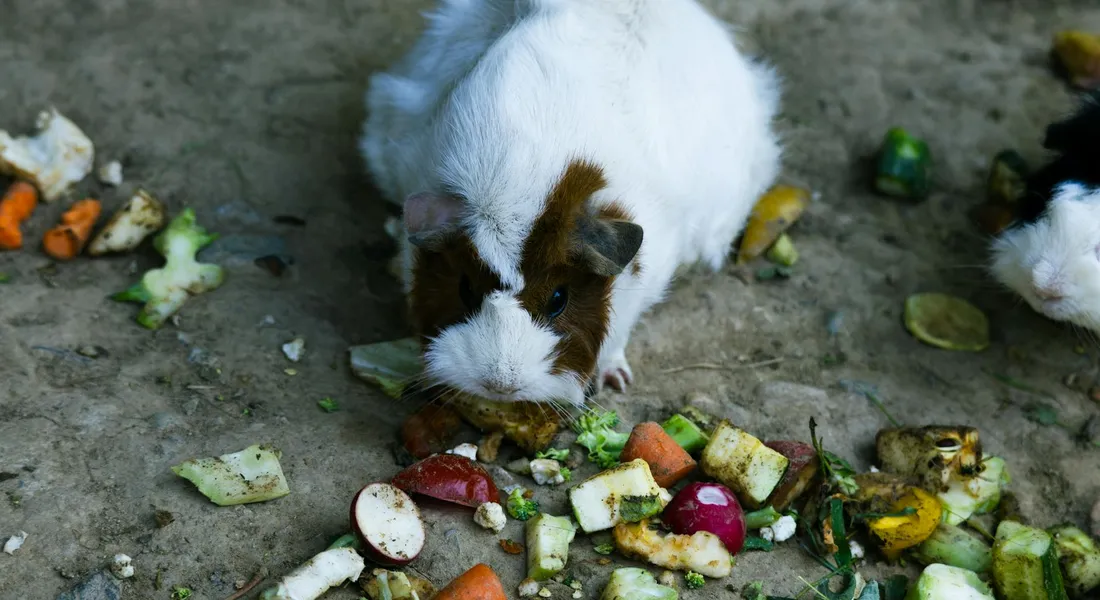
Even a tiny amount of chocolate can be toxic to guinea pigs due to theobromine. It’s best to avoid any exposure, as there is no safe dose for them. Some vegetables and fruits can also be toxic to guinea pigs if fed inappropriately, so always verify safe options before offering produce.
Are there chocolate substitutes safe for guinea pigs?
Yes, safe alternatives include small pieces of fruits like apples or vegetables like bell peppers. Always opt for natural, sugar-free options to mimic a treat without the risks.
What foods are safe for guinea pigs?
Safe foods consist of hay, fresh veggies, and fortified pellets as core components. Steer clear of sugary or processed items to maintain their digestive health.
Caring for Your Guinea Pig’s Well-Being
From my time with Pepper, Clover, and Biscuit, I’ve seen how their health thrives on simple, natural foods-never offer chocolate or sweets, as these can harm their delicate systems. Stick to safe staples like timothy hay, leafy greens, and fortified pellets to keep your pet vibrant and energetic.
Responsible ownership means always learning and adapting your care to support their happiness and the planet. Explore eco-friendly options, such as compostable bedding or homegrown herbs, to create a sustainable, loving home for your guinea pig.
Further Reading & Sources
- r/guineapigs on Reddit: Im pretty sure my guinea pig just ate 2 chocolate chips, will he be ok
- Can Guinea Pigs Eat Chocolate? | Hepper Pet Resources
- Can Guinea Pigs Eat Chocolate? Expert Answers & Advice
- Can Guinea Pigs Eat Chocolate? – Safe and Unsafe Foods for Your Pet
Kate is a passionate guinea pig owner and advocate for small pet welfare. With over a decade of experience caring for guinea pigs, she has become a trusted voice in the small pet community.
Uncategorized